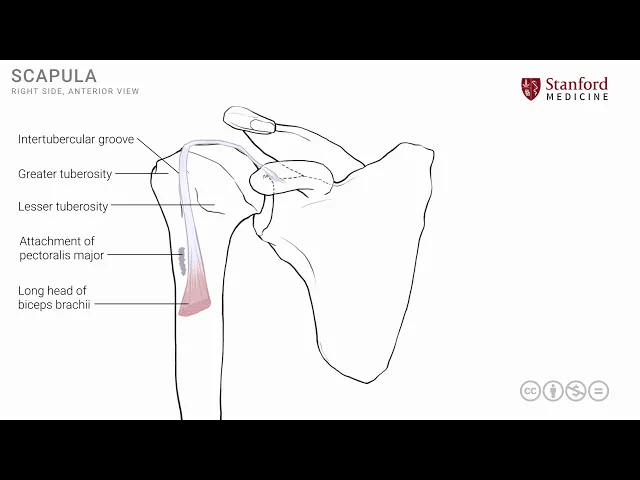
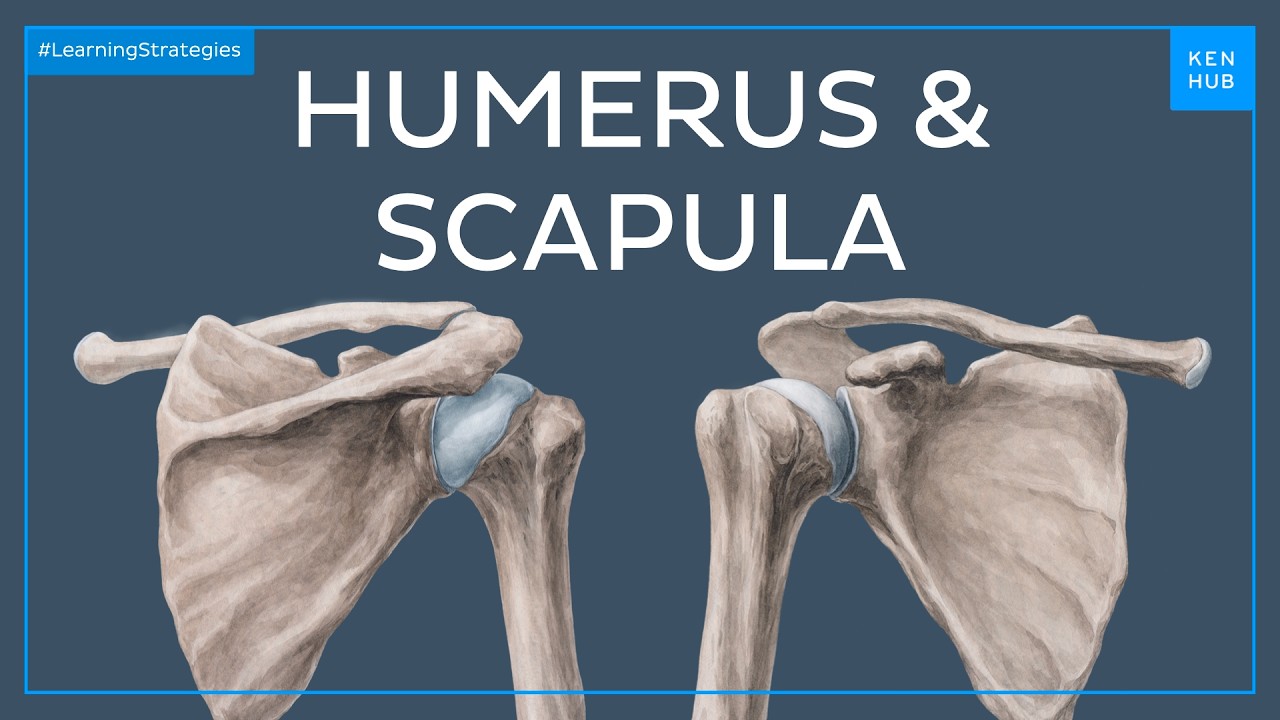
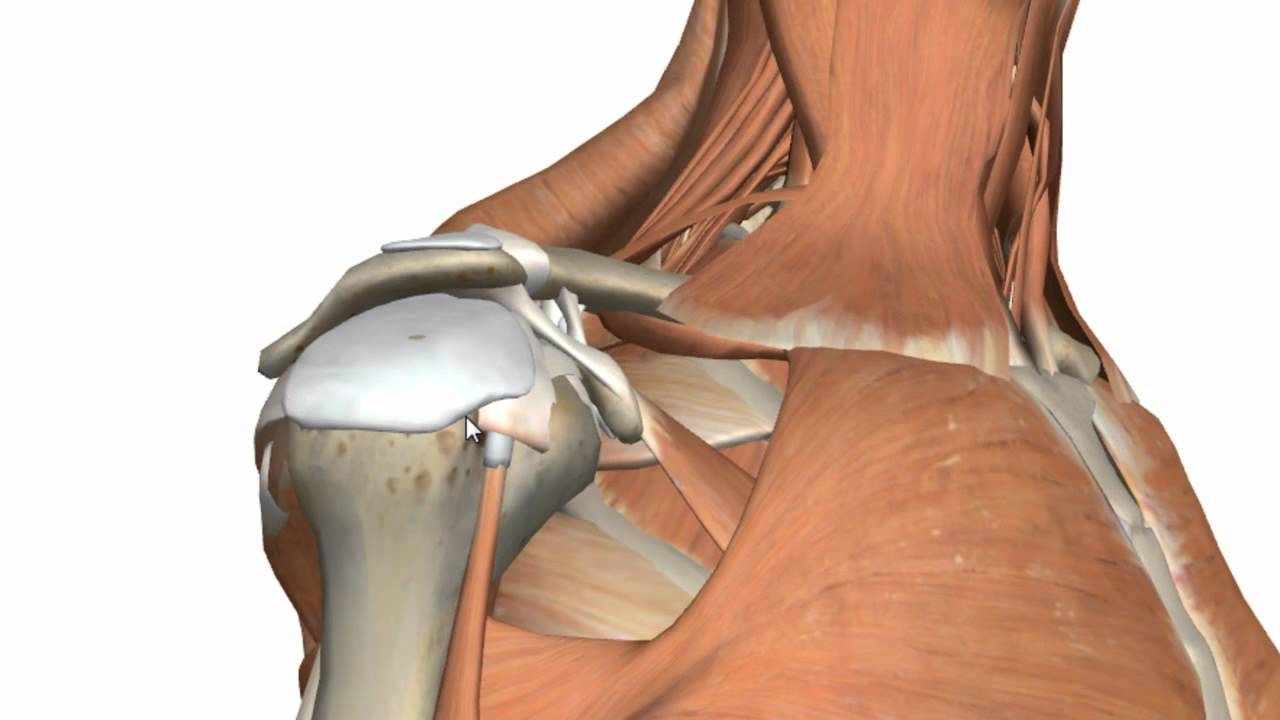
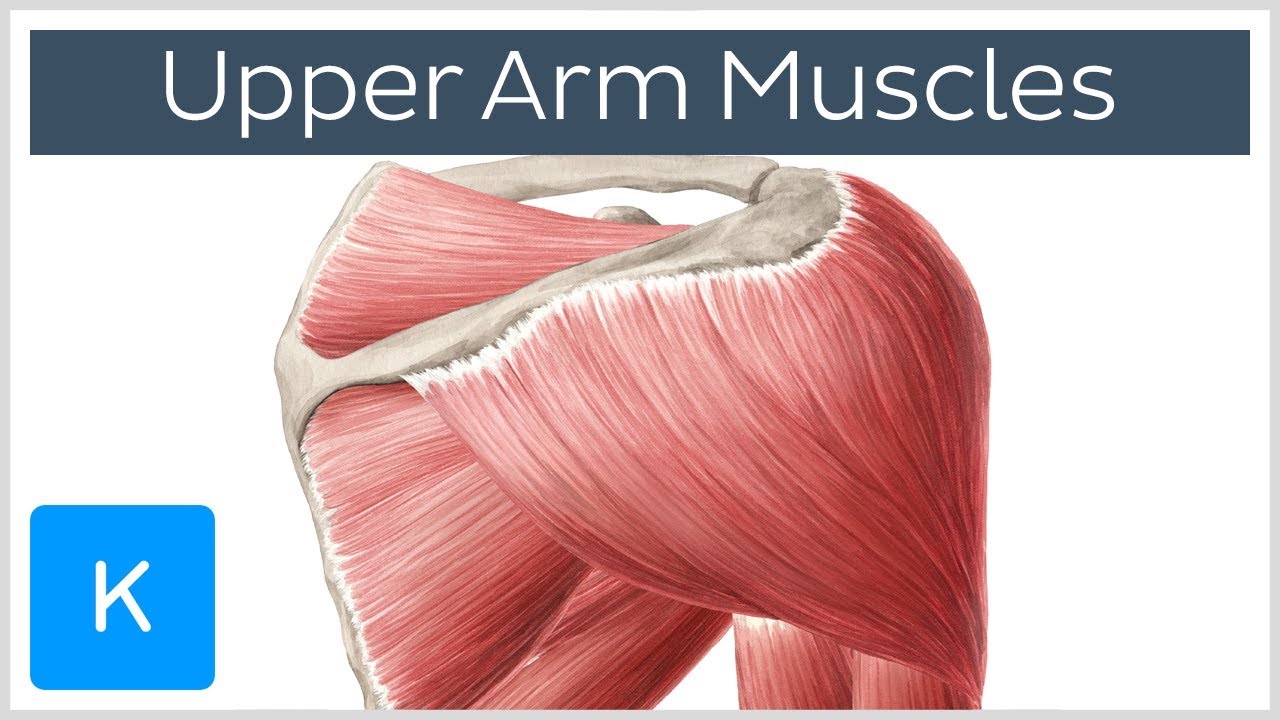
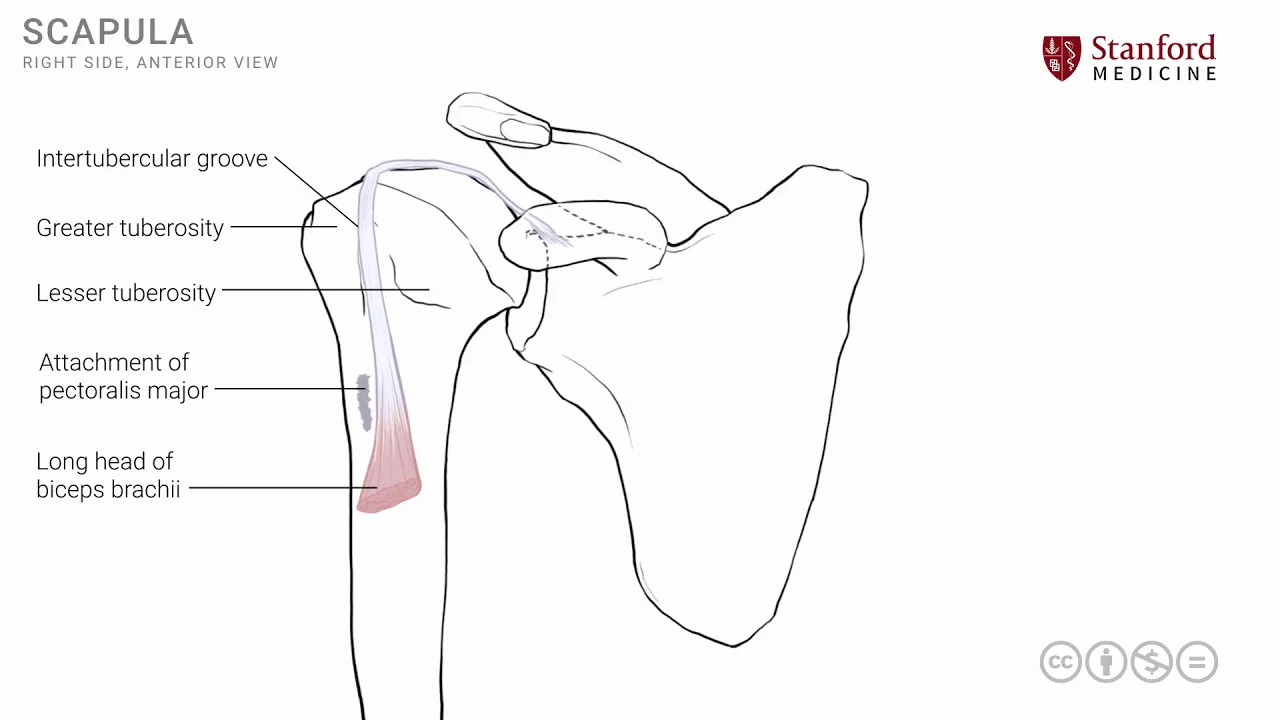
[Music] in this lesson we will look at some of the shoulder muscles from an anterior view point we'll start by looking at the two bones the scapula and the humerus that participates in the formation of the shoulder joint and we will focus on the proximal humerus to start with and put some important bony landmarks here the first one is a bony bump known as the greater tuberosity or greater tubercle and is seen here slightly medial to this and slightly smaller there's another bony bump known as the lesser tuberosity or sometimes called the lesser tubercle in
between these two tuberosities is the intertubercular groove that runs in a superior to inferior direction there's an important muscle in this region and I'm going to put the entire muscle in briefly and then remove most of it except the part that is in the intertubercular groove this is a muscle that is known as the biceps muscle and as the name suggests by meaning two sets meaning heads it has two heads the one that I'm going to leave behind is known as the long head of the biceps or sometimes called biceps brachii because there is another
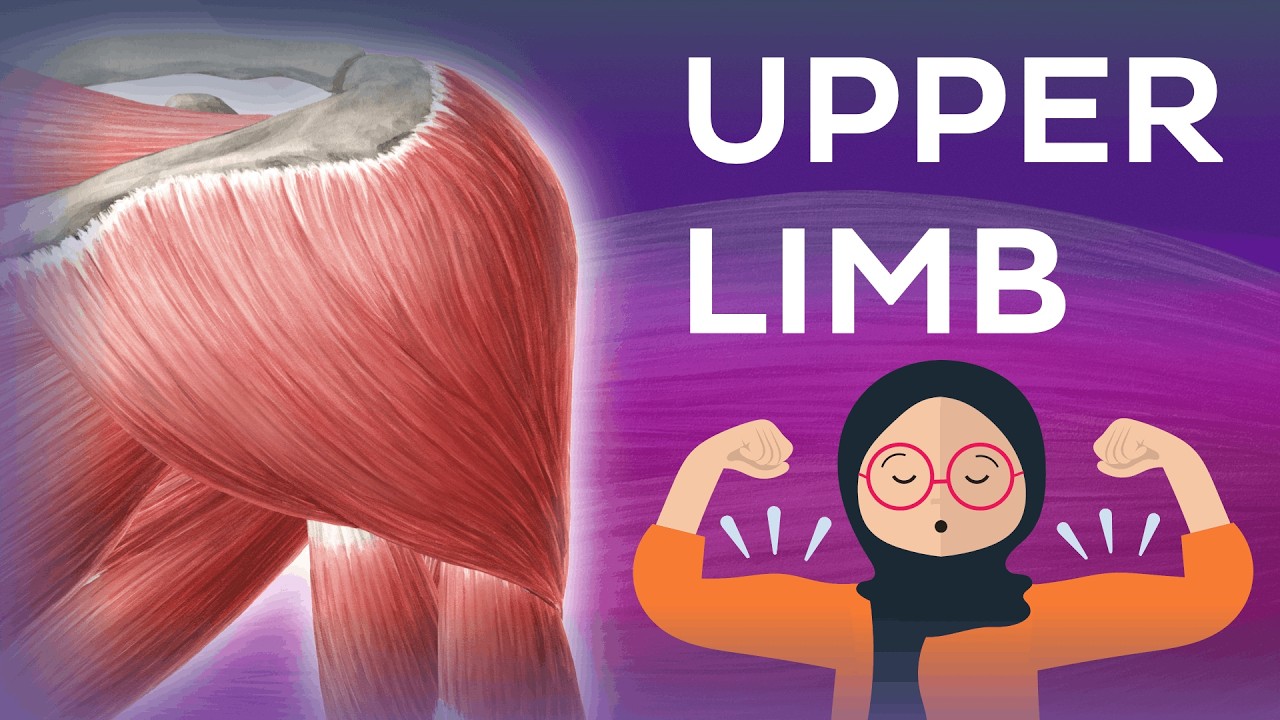
biceps muscle in the lower limb and in order to differentiate the two we use an additional descriptor known as biceps brachii but often you will hear the word biceps being used loosely and on its own this is the long head of the biceps and the tendon of this longer the biceps is in the intertubercular groove just lateral to the long head of the biceps is the attachment of the pectoralis major muscle this is a muscle that lies on the front of the chest wall has attachment to the ribs as well as the adjacent skat clavicle
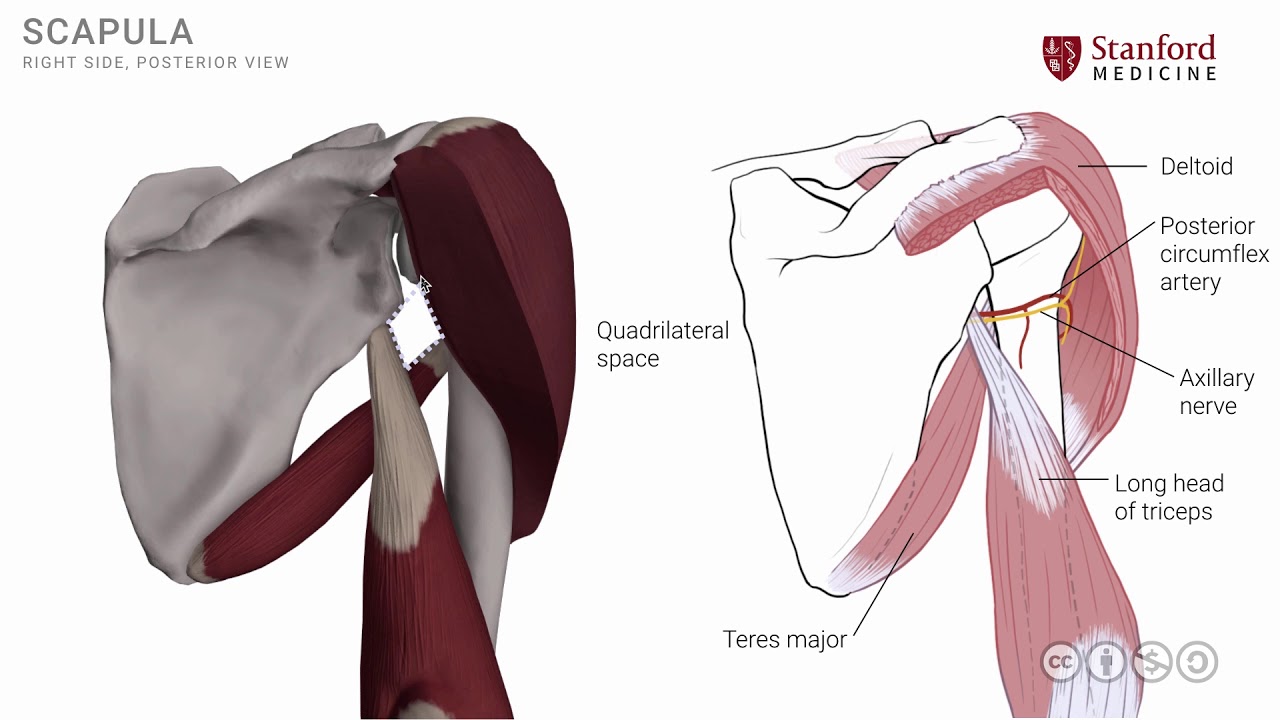
and sternum and it attaches laterally in this region of the proximal humerus there's this second muscle that is known as the teres major muscle and this muscle has fibers that extend from the scapula and that run in an outward and upward direction as seen here and attached to the medial part of the anterior humerus and it is medial to the long head of the biceps there's one other muscle that we have already seen it is known as the latissimus dorsi muscle and this muscle has a very large attachment inferiorly and posteriorly but as the fibers
reach the proximal humerus they become very narrowed as shown here and ultimately has a small area of attachment in the intertubercular groove area along with the long head of the biceps so this is an interesting arrangement with the pectoralis major and the teres major two muscles attaching on either side laterally and medially respectively and the two structures contained between these two the attachment of the latissimus dorsi muscle and the long head of the biceps brachii [Music] you