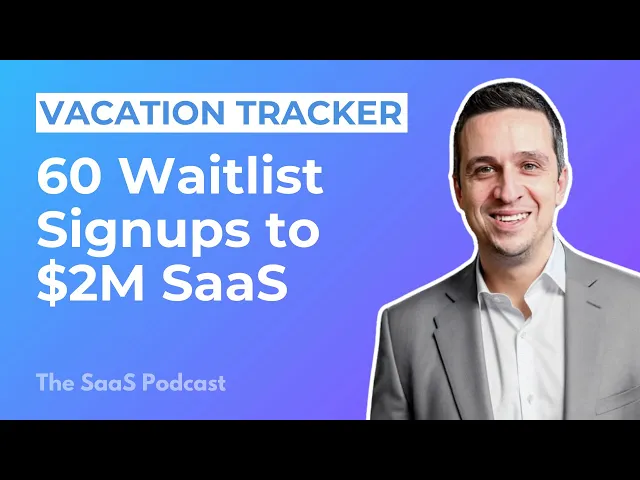
La welcome to the show thanks for having me my pleasure do you have a favorite quote something inspires or motivates you that you can share with us so actually I was thinking a lot about that because I'm a quotes person and there's maybe two that I would like to share with you that I talk to With My Team all the time uh the first one is from Moren Buffett it takes 20 years to build the reputation it takes five minutes to ruin It I tell them that all the time just to make sure that we're
kind of on the level and that like we make sure that we don't do any reputation destroying things because it's very hard to get out of it after you get into it and then my marketing manager reminded me this morning um that I also used to remind them a lot of this other quote uh when we were starting and that is if you're not embarrassed of the first version of your product you'd launch too Late that's a reed Hoffman quote which I love very much cuz I find that the teams tend to like try to
get to the perfect solution right away and I'm always pushing them Just Launch it let's talk to customers and then we're going to like figure out like how to make it better so I used to tell them this quote all the time just to remind them not to like try to be too perfect with things you know so that is actually those are two great quotes and I think they're Very relevant to your story and we'll talk about this a little bit later because what you just told me instantly reminds me of dozens of conversations
I've had with Founders who say I can't launch too quickly because it'll jeopardize my reputation or the reputation of the product right so I have to get it right before I get it out there and you find a way to balance the two so we'll we'll dig into that a little bit Yeah so here let me just tell You really quickly because I think there's a very simple answer to that um and that's something I discovered in my first business when I was working with my first business partner um I discovered that most people care
about the solution to a problem not about how the solution looks like so if your product is garbage looking but it solves a problem for them they're willing to pay for it but if it's beautiful and perfectly designed and everything's Wonderful about it but it does not solve their problem they will not pay for it and so this is why it's like it doesn't really destroy you have to solve the problem well if you're solving your customer problem really well they'll pay for it even if it looks like crap that's been my experience by working
with all those customers in my first business and also it's been our experience now in vacation tracker as well yeah I think that's great and I think in many ways if If you're solving the problem it looks like crap and people are still buying it and paying for it that is like a huge sign of you know validation that you're solving the right problem because they're willing to put up with all those other things because the problem is important enough for them to solve whereas a lot of people time people say oh yeah yeah this
is a problem and then you give them the solution and they're like well I don't want to solve it that Much or that badly it's like exactly or I'm not willing to pay for this solution right they're willing to pay when you talk to them but when it comes down to actually forking over 20 bucks or 30 bucks or whatever the price of the product is then it's like I'm not so sure so so an ugly product that they're willing to pay for really gives you a good sense of okay they're getting value out of
this even even though it's ugly they're still getting value out of it Which is a good in my opinion a very strong signal that you're on to something yeah all right so tell us about vacation track what does the product do who is it for and what's the main problem you're helping to solve so it's a leave management solution for small to medium businesses it's really helping people you know plan better know who's in out of the office and get real-time updates uh you know as as as to like when people are are not there
um It's really intended for small to medium businesses and we built this product as we were facing ing this problem ourselves in our first company um we were using Excel file which is what most people kind of start off with and eventually you hit a wall with this Excel file it becomes unmanageable when you get like bigger than 10 15 people and we had this problem in our first company and then we were like well we're a software company let's kind of build Our own solution um and and and and we did but um but
generally it's it's it's for it was intended initially for for for small to medium businesses like ours and then it expanded like to to to all types of organizations yeah yeah yeah when when you said that at first it sounded like you said lead management but it's leave management right no no leave management so sick days uh holidays uh you know like uh PTO maternity leave uh all kinds of things Like this great I just want to make that clear for anybody listening right it's that's what we're talking about here all right and give us
a sense of the size of the business where are you in terms of uh Revenue number of customers size of team so we just crossed about 2 200 customers right now uh and we just hired somebody to make the team 20 people and we're hitting about 2 million in annual recuring revenue hopefully this month maybe early next month um if all goes Well and uh you're bootstrapped yeah we're bootstrapped like uh we actually used the profits from our first business to start this business we're solving our own problem and we were using our own profits
to get this business going um and now it's like fully Standalone and it's it's yeah we boostrapped it from the beginning great okay so the business has been around for about six six and a half years uh vacation tracker you've been working on your you working on your Previous business which was a a Services uh company so why don't we go back to around that time of 2017 2018 where did the what were you doing at the time and where did this idea for vacation tracker come from so my my partner and I always knew
we wanted to do a product like we started off in service because we just didn't have the funds to you know spend 100 200 Grand like on a product before we get some traction and so basically we said okay Let's start with services and then we'll eventually do products so uh Cloud Orizon our first company was starting to take off we were getting more and more like clients and taking on bigger projects and the team was expanding at one point we we reached 35 people and the whole time in the back of our head we
had this like we got to do our own product we were building products for other people we were learning a bunch of stuff about it and we're like we want to Do our own product but you know we were having one successful year after another new clients were coming in business was growing you know we would have been idiots to turn some of these customers away um but we did have a hackathon internally at one point and we decided to work on a couple of ideas namely some some problems we were having internally and one
of them was vacation like this this like what I mentioned before we had this Excel file we're breaking our heads On and we're like let's kind of build something that we can automate this and have a software running like keeping track of uh when people are in and out of the office um and so we built this very crude version of it uh for our hackathon we built a landing page for it you know we spent maybe $100 $200 on some Google ads and some Facebook ads drew some traffic on it got a couple of
signups and basically left it there um then my partner did a couple of Conferences cuz he goes around conferences and uh he does presentations so as part of his conferences in his conference presentations he was basically saying hey we're building this thing um you know if you want to sign up we'll let you guys know when uh you know when we launch and so a couple more email addresses came from that um and then we just kind of forgot about it we were too busy running our first business until one day I received this email
from A guy who signed up on our wait list and he's like hey I've signed up to your weit list like 9 months ago like when are you guys going to launch you know and I was talking to my partner and I was like this guy really wants this product he went through all this trouble of figure out who we are and who I am and get my email address and then write me this really nice email asking me about how like when are we going to launch this product like and we had Nothing at
that point right it was like just a landing page with like we're launching soon sign up here for us to let you into the Beta the classic kind of M you know Lean Startup approach um and so I was like we should we we should consider building this product and roughly at that same time one of our customers in Cloud Horizon got acquired by a private Equity Firm and they the private Equity told them get rid of all external contractors and so they Suddenly canceled this contract uh and and they told us listen at the
end of this month we got to stop and and and these two guys that are working on the on the project like they're going to have to stop and I was like okay no problem so we took these two guys and we put them to work on two different product ideas one of which was vacation tracker and the other one was actually a Time tracking solution that we wanted was specifically tailored for um you Know for uh for companies like like Cloud Horizon and so we started building these two products and actually I was more
I thought that the other idea was going to be better I was like nobody like like who has this problem it's only us that has this like vacation tracking problem this is a tiny market for this this product like the much bigger market for the time tracking solution and so but we said like okay let's let's we have two guys let's kind of start Building both and then we'll see where it goes um fast forward a couple of months vacation tracker was already kind of complete and we had decided to keep it very simple like
request leaves approve leaves and notifications which was again the problem we were having uh the problem the main problem we were having is people would take off to go on vacation and not notify the team and and we had teams of five six people working on projects so one person leaves and Then you need a piece of information from that person it's like ah sorry he's gone and he's gone for two weeks and like we have to wait basically so this was slowing our projects down so one of the main features we wanted to include
was a notification service to let everybody know hey here's who shes off next week so if you need something from them get it this week because they're not going to be here next week so those are the three kind of core features that We launched with okay so let me ask you a couple of questions there so two questions one from the time you did the hackathon and you put up this landing page to the time you got this email from this guy who really wanted vacation tracker how long was that period of time where
nothing really was happening and the second part was was in in terms of figuring out the the initial functionality did you talk to any customers no so we didn't talk to we Were the customer we were building it for ourselves right so that's you know it's one of those things which is why we prefer to build products that kind of scratch our own itch I suppose because it was a problem we understood and we built it for ourselves first and then we were like okay let's see if there's other people out there that experienced the
problem in the same way as us and then we started talking to customers but before I get into that to answer your Question it was about a year from the moment we did the hackathon because it was like roughly end of year the previous year that we did it and then it slept basically for that whole year and then December of the following year I got that email right as like that customer was canceling the contract and that's why we were like it was all happening at the same time and we were like okay well
this guy really wants this product we should we should Probably that should be one of the two products we should we should build you know I mean it's really interesting and it's like okay it was only one guy at the time but for somebody to join a waiting list and 9 months later still remember they joined that waiting list and then to go through and find you that's that's a pretty motivated you know person exactly and that for me was a really strong signal that like there's probably other people Out there that have the same
problem that we're having and that there's not a good solution out there to address this problem because we were really tackling it through slack that was our thing we were like it's a slack based leave tracking tool and so we were like okay this is actually like something that maybe there's other people because this was a very different organization I don't want to get into who they are but it was like a radically different Organization than the one that we were and this guy really felt this pain obviously quite acutely if he was willing to
go through all this trouble to reach out to me and so getting back to your second question of how we decided the features it was really like what's the minimum that we need here we need to request leave and we need to approve leave and obviously the tracking piece you need users and you need like you need to be able to track on their Profiles like what you know how many days they took off for sick leave for PTO and so forth so really it was like the core of the system which was like kind
of user profiles I guess that I forgot to mention that part and then the ability to request the ability to approve and then the other thing that we needed was a notification that goes inside slack to let our team members know hey here's who's off next week with the idea being that if you see that Somebody that's on your team is off and you need something and you think you might need something from them well reach out to that person this week so we didn't really do much market research to start because we were really
solving our own problem to start but then when we launched what we did was so one of the thing I should mention about our landing page was we had the pricing on it but we scratched off the pricing and at the Time I believe we had we wrote it was going to be $29 for 25 users and then $1 per user per month after that or something along those lines I don't remember exactly but we put the pricing on the page and then we scratched it off and we said 6 months free for our beta
users right so when we started letting those people on our mailing list like inside into their product we told them you have six months free right now you don't have to pay us anything but what We expect in return from you guys is feedback and very quickly they started using and they said wow I need the ability to sync this with Google Calendar no problem we're going to build like the sync to Google Calendar uh I need more leave types right now the beginning was only PTO I need sick days I need maternity leave I
need you know they gave us list of things they needed great let's build that I need an export function so I need to so I can cor Synchronize this with my payroll system no problem we so we started talking to our users and we really started shaping the product after we launched not before okay got it how how many people did you have on your uh wait list at uh when you when you shi the product so there was about 60 and we emailed all of them and I believe about 20 of them kind of
signed up but really out of those 20 that signed up maybe 10 of them were actually active users got it okay so Here's what often happens when you scratch your own age and I I can say this with confidence because I have l lots of conversations with Founders about this they identify a problem they build a solution or something you know for themselves and then they say let's go and find somebody else who has this problem and they end up with two two problems that I see either is they they struggle to find anybody else
who has That problem because you know maybe maybe you know could it could be anybody and maybe they're not talking to the right people or the right types of companies or whatever or they find people who have the problem but it's not painful enough so there's no there's no real strong desire for them to shift and in this case you know I could imagine some company saying oh yeah I want this and then you say okay pay up and they're like well my spreadsheet isn't that bad You know it kind of gets the job done
right what was your experience of of of going through that that journey I don't think it's like it's it's quite a pain uh and you lose accuracy and this is kind of an important problem in the sense that like vacation tracking in and of itself might not be as important as the part that correlates to the payroll because a lot of people get paid based on vacation and then there's vacation pay and then if there's unused vacations And all of that stuff so it's not just like keeping track of who's in and out of the
office there's a second component to it that relates to payroll right and so this is why I think this problem is a little bit more acute because if there's accuracy issues there then you're not paying people properly and that's kind of the worst thing in my opinion that you can do in a bus businesses underpay or overpay people you should be paying them fairly right for for the amount of Time that they've been working right but you you Wen you weren't solving payroll at that time no we weren't we didn't even realize this was a
problem initially right we only figured it out afterwards you know okay okay got it so but but even even though you weren't solving the payroll piece of that being able to provide your customers with more a more accurate way of managing this information still kind of indirect IR ly was helping them solve that problem is That is that how you discovered the the the one of the drivers for them to want to buy the product yeah so that exactly we were talking to them and and and very quickly we realized that vacation correlates to payroll
which was not something that we were thinking about initially um and that's like you know I mentioned the export feature that was one of the main reasons why like people were asking us for the export feature and many people are asking for this Feature so we were like okay this is clearly something important for our customers we should kind of zero in on this and and develop the product in this direction because accuracy is something clear that's that's important to them the other part of it is like you're right like we weren't sure that this
was an important problem but that guy doing this whole maneuver to Fig that gave us a strong indication that maybe there this is a bigger problem than than we Initially anticipated yeah okay great so you you you know you didn't have a massive list but even getting 10 fairly active users who are willing to provide you feedback at that early stage is super valuable what happened at the end of the six months when you asked people to stop paying so the first thing that happened right as the six months were kind of uh um expiring
was that our only developer who was working on the project cleared Or wiped the production database uh and he became we joke that he became a senior uh when that happened like you g a senior and we scrambled we somehow managed to recover it um and then we put better procedures and all this cuz we're kind of just go go go scrambling building not really thinking about doing things properly uh again this whole quote about not you know being embarrassed about the first version of your product was coming in All the time uh and so
we extended everybody we apologized we we fixed the problem we extended everybody a month and then we were waiting right and so our goal was to just get one Pay customer we were still remember at that time we were still like the first business was like eating up most of our time this was kind of this like little side hustle that we were doing on the side we weren't even like putting too much mental bandwidth on it you know but We were obviously like trying to to get it to work and I remember I was
sitting in Belgrade at the time and having like a lunch with our with the team and um and I got the notification the stripe notification the first $25 and that was like the happiest moment of my life up until I hadn't had my kid yet so I was like at the happiest moment of my life up until that point that first $25 cuz many people that did this told me it was going to be brutally difficult to get That first customer the fork cover the you know the first $25 whatever the price of your product
is and so I remember sitting clear I remember clearly sitting in that restaurant and getting this notification and being like rakia for everybody like like I spent way more than $25 getting a drink for everybody in that restaurant but uh I was so excited that we made this first $25 um and then very rapidly after and like you know it's maybe I I I don't Even have a c your answer why I think it was because we were listening to our customers like actually one of the things that I can say that contributed a lot
towards these paying customers starting like to kind of start paying us like in after those first six months is that we installed the web chat very early on like we had that little bubble that you can you can chat with us my partner was against this he's like you're crazy we're going to get a bunch Of spam and people tell I'm like no no no no no I'm going to handle this we got to talk to our customers it's the only way that they're going to talk to us if they see this little bubble I'll
handle don't worry like you don't need to worry about this I'll be the one chatting with them and so I was the one doing all the chats and talking with them and I think this helped a lot cuz they understood that they were talking to one of the founders they were I was really trying To understand their problems as I was talking to them I was even jumping on calls with them they were showing me things um I was also doing demos at the time I started kind of like okay like let's jump on a
quick call I'll do a demo for you and so I was demoing the product for them and you during the demos I was asking them a lot of questions about like okay what's the problem that you're having like what are you using right now like why do you feel That this is not a good solution for you right now um so I was asking them all these questions as I was doing demos and this was really a great learning opportunity for us it's taking really good notes then typing those all these notes up and like
putting them in our Confluence um and so a lot of like our team was looking at it like and and and so I think this was a big contributor towards why people were willing to pay for our product because we were very Quickly adding the things that they were wanting um and then they would come to us and ask for something else and be like okay give me until like I don't know November and I'll have that ready for you but because I already told you that I'm going to launch this thing in September and
we launched it in September we had some credibility with them that we were actually going to deliver on these things and I think you know one of the questions that that that You asked me earlier was like the differentiation one of the things that I think the differentiates our product from the others is that it's chat first if I can say it like that remember like a while back when mobile came and every was like build mobile first well we built chat first you know it was like slack first we really built the product around
slack which other people did not do other people buil the product and then they built the slack integration we Built the slack integration and then we were thinking about the product from the other direction and the reason for that is because at the time our team was using a bunch of different tools jira Confluence bit bucket like time tracking tools like they had to like remember all these logins and passwords and we didn't want them to have to remember another login and password for another website which they were going to use a couple of times
per year so the idea was it's Build this in slack because we're using slack all the time and we should be able to do 90% of day-to-day stuff inside slack so let's start start by thinking about this product slack first and then we're going to build all the other things that need to integrate into it afterwards and so I think this is what really differentiated us and this is why customers liked our product because they wanted something like us inside slack at the time it was only slack and they Wanted something that was directly inside
slack easy to manage people don't have to leave they don't have to remember another log have to reset passwords all the time it's like you do slash vacation you do your business inside slack and that's it you don't have to get out of slack almost NE almost ever right so this is what I think was the reason why people started kind of taking on the product initially so I think there's a few things you said That I I I want to just recap because I think this is really valuable for for Founders who are in
those early stages where they've got a product and maybe you know they're struggling with differentiation or convincing customers to to buy and there was three things that that I heard and and from my own personal experience as well when I'm more likely to start paying for a product with very little effort very little convincing it's these types of Things so the first one was like being able to talk to the founder and this this interaction and to know that you're talking to somebody who cares who's listening and who can who can actually do something about
your feedback right like you know a number of times I've I've I've written detailed feedback for some some product and a customer support rep says thanks I'll let the product te know and you know nothing's ever going to happen with that Versus when you talk to the founder and they're like you know what I like that I I'm going to do something about it so that's number one number two we already talked about and you you stated this pretty early on solving a problem and doing it better than what they can do today and it
doesn't necessarily have to be like you know the most beautiful elegant solution but you're solving it well and then the third thing I think is iterating fast when people see not only That their feedback is being H but they keep seeing new improvements and and just incrementally it just seems to be getting better and better you get this thing right there there's this momentum there's this energy this thing is going somewhere and it's getting better and better and probably if I don't stop paying now they're going to charge me five or 10 times more in
a year's time so I might as well get on the train today right yeah exactly um exactly I Think that that that that you know when when when they find Value in it and like you said they're talking to their founder and they feel that things are moving this is part of the reason why we the change log link to the dashboard so they can easily click on it and see all the stuff we're releasing regularly and stuff so they can see there's motion happening that we didn't just build this and kind of leave it
there uh I think all those things make a big difference But I got to tell you we weren't actively thinking about this stuff maybe it's because we're a little bit more experienced as entrepreneurs and we saw like through our customers we were observing a lot like a lot of the customers in that we had in Cloud Orizon who were building SAS products we're observing and maybe we subconsciously picked up on some of these things but I have to say I have to be perfectly honest not like we were like we have to Conscious be consciously
thinking about this it's just kind of came intuitively for us and I'm guessing it's because of our previous experiences yeah so getting to the first 10 customers were you able to do that from that email list of 60 people or did you have to generate more leads to get to the the first 10 so I think we you know because it wasn't just like we were continuously having people because that page was there for a year I guess that kind of helped us a little Bit so like it was indexed by Google and people were
finding us so names kept coming into the list not many but a few were kind of coming in here and there and we would kind of onboard them um and and and and talk to them like and give demos to them and so forth um and so for the first 10 customers I would say it was probably that mailing list my co-founder is an AWS serverless hero so I have a very strong technical co-founder um who's also like relatively Well known in the serverless community and so he gets invited to a lot of conferences and
because the product is built using serverless then he's talking about serverless he was always using the product as an example in his presentations right so we were every after every present like every conference that you would go to we would would get a a handful of new signups right some of these people that were there at the presentation I guess their Teams were like having similar problems using the Excel file and so we' get a couple of signups and those were much stronger leads because my co-founder has this credibility right and so like when he
talks about it and they kind of understand the technical background I feel feel that those leads were much stronger leads they took us a lot more seriously from the start than somebody who just Googled us and found us on the Internet but but don't you think that you there's also a potential risk like uh people who people just come you know hear his talk and they're interested in server lists and they sign up and it's just more about looking at how the product works rather than actually wanting to pay for it to track leave and
stuff like that did that was that kind of were you attracting those type of people as well I don't find that we that that we were um I mean maybe There's a few people that kind of signed up um I mean we didn't convert all those people that that that signed up to our wait list so obviously some of them probably signed up to check out the product but all the ones that I spoke to um you know there's a couple that that that that come to mind they were all like yeah we saw your
partner talk and you it was very interesting and I thought that like how you guys build the product is very interesting and like Your hosting like our hosting cost we have like over 100,000 users we pay $1,000 a month for our hosting which is nothing it's peanuts right but that's because we're using serverless so he he drills that point a lot in his presentations right and so people find that fascinating and then I guess like it just again like the people I spoke to it wasn't because they were looking at how the product works they
were they were just like oh this seems interesting And we have this problem and let's connect these two right that was kind of like the so that's probably for our first 10 customers was heavily based on that and so I'm not sure how that's how helpful that is to others it's I think more interesting how we went from 100 to a th000 sorry to from 10 to a th000 that's where we weren't leveraging so so much uh my partner like credibility and all that it was well let's talk well let's talk about that because You
at this point you know many Founders start thinking about okay what what's my what does my marketing look like what what channels should I focus on should I do content marketing should I send cold emails should I do ads should I do whatever right and and there's a whole bunch of experimentation or just trial and error that goes into it you guys took a different approach we did um so the way we did it was because this was such a like a lab project like Inside of our existing company it wasn't even a separate company
yet like it was kind of a one guy inside of cloud Horizon working on this with us kind of part-time jumping in and so we were like how are we going to Market this and this was maybe like a month before the six month free was expiring for everybody and so basically um we're like what are we going to do and then it just so happens that within our Network we found out that the former Chief like we were Able to get in touch with a former Chief marketing officer of tole which was the time
tracker we were using at the time and it was a very successful time tracker was the main one in the market now I think clockify is become bigger than toggo but at the time too was the time tracker um so we're like okay they were very successful they had a lot of good marketing initiatives um let's try to talk to her so we spoke to her and she was interested to work with us and Basically we hired her to develop a marketing plan and strategy for us for the first two years because we knew we
weren't going to be able to afford on our little shoest string budget that we had we knew we weren't going to be able to afford like a like a serious marketer like her we're going to have to hire somebody a little bit more Junior and probably this person's not really going to know what they're supposed to do so maybe it makes sense that we hire this Person to write the plan for us and kind of come up with what we're going to do over the first two years and then hire the junior person more for
the execution of of the plan and that's exactly what we did and the plan was heavily focused on content because toggle really grew mainly because of all the content that they were doing and so I remember in the beginning I don't remember the entire plan but one of the things was like publish five articles per week like one Per basically per weekday for the first year because in the first year or two like Google's not really taking your site seriously like you know there's this whole domain authority issue and so forth but you know they
want to see consistency they want to see quality content so just keep publishing it so that's what we did we were literally publishing one article uh uh one article per weekday for like a year straight um and that was and it it wasn't just like The the Articles we had like landing pages we were focused on specific keywords we did do some keyword research but really it was like figuring out what the paino of our customer is and then trying to lead them towards vacation tracker as the solution um one of the challenges that we
ran into initially in our marketing efforts was most people didn't know that you can do this inside slack so if they're looking for a solution they're looking For a leave tracker but the really slick part of the product was the fact that it integrated with slack which most people had no clue that you can do this inside slack so like now I think more and more people are aware that you can do this kind of slack stu stuff inside slack in Microsoft teams but before apps were just kind of starting and and and and so
like a big challenge for us was like hey you should connect your slack because it's and it's the only way that you can Sign up for this product actually is if you're using slack um but that was kind of a a challenge for us in marketing was kind of explaining to them like hey you should do this in s slack cuz it's going to make your life so much easier us management logins there's so many advantages to using it in slack but people just didn't know okay so I want to I want to talk about
more about this marketing strategy and plan because this was the one thing that You just focused on and executed and which drove 90% of your leads your your your your sales for and ultimately got you to seven figures yeah and I mean to this day it's our best channel it's not eating it's not contributing as much as it did in the first two years but to this day content is our best Channel hands in that so I mean it sounds like this CMO from toggle I mean she didn't have a crystal ball that she could
just look at your business and figure out Okay these are the channels you should go after or whatever it sounds more like she took the Playbook from what toggle had done and adapted it to how you could use it for your business and at the same time you guys made the bet that this is the one thing we're going to focus on and if we execute and do this right it may take 3 months 6 months 12 months but eventually we're going to start to get payback and and Returns on this this this effort we're
going to put into this Exactly how did you figure out what to what type of content to create because at that point you're still not that super clear about who your ICP is we had no idea who we thought our ICP was companies like Cloud Horizon basically I mean we had a sense that there's others out there because of that guy that I mentioned before who reached out to us but really most of the companies that were signing up were technology companies so we were like Okay it's like little Tech teams like ours that are
that are that are the ICP so for the longest time we thought that we only actually discovered our ICP maybe two years like dove in and discovered what the ICP is in detail about two years ago but for the longest time we were like thinking that our ICP is um is um is just small tech companies and small Tech teams like ours um but how did we decide to place this bet um really you know we were consumers also Of different products you know and we also had customers in our first company which we were
building this type of product for maybe not necessarily in the HR space but different products like for for for different Industries and we saw that contct was working very well some of the products that we were using we discovered through the content they were publishing so when when she came and she said like I think you guys should do content cuz that worked really well for Us in toggle I didn't doubt that this could probably work very well for us as well um and then like we said okay let's let's let's and and also the
other part of it is is like we just didn't have this huge budget so we felt that like you know trying to experiment Google ads you can spend you can get killed with Google ads right like you know there's tens of thousands of dollars and I know people that got killed because you know Google just likes to spend money right On on ads and like they're going to max out your budget like very quickly and so we just didn't have the the funds to like invest in these fancy initiatives we had to keep it like
relatively simple um and content was not very expensive for us to produce now to answer your question about how do we decide what content she helped us like as part of this strategy she kind of identified some good keywords for us to focus on some good um content that she thought Was relevant for the people that she thought was like you know she thought at the time thought were ICP um and we very strongly like very strictly followed that Playbook we didn't deviate much from it in the first two years um and so like but
actually what we discovered was that we need to have like much more specific content for our um you know for our audience so initially like we published all types of content uh things that I think that maybe are not Necessarily so relevant to our audience things like books that I read over the summer or like destinations to visit in former Yugoslavia because our team is from Serbia um and then we discovered that we were attracting all this traffic that doesn't really care about our product they're like caring more about destinations that they want to visit
yeah they like so it's like hang on a second like yes we're driving traffic which is vanity metric wonderful yay Traffic grew 50% but signups are like flat right so it's like clearly we're not doing the right thing here luckily we discovered that relatively quickly but you know and then we started publishing more specific content um but it took us a little while to to learn this lesson and even like to to write very specific content it took us quite a while to like to to figure out like the real problems that our customers are
facing and then to like write about Those problems so give me an example so we talked about this really Broad articles which were attracting the wrong types of customers and then you said you got a little bit more focus and then it took even longer to get re really specific so what what were the give me a couple of examples of of what that type of content looked like so you know we started writing more about like the product itself and the things that the product does rather than about vacation Tracking or vacations broadly right
um and so like but but even that wasn't really like I'm trying to think I can't remember it was a while ago these like these I can tell you what we're writing about right now which is very specific and very targeted uh for our audience and it's like I'll use acrs as an example so like some companies acrw leave or PTO for their for their employees actually in Canada it's a law that you have to acrw leave our company Doesn't do it a lot of companies don't do it um but it's kind of technically you're
supposed to like AC crew leave and so like there's so many different ways to do it and so right now we're writing articles that explain like weekly acrs uh like monthly acrs payouts like you know how payouts for acrs work what happens like if somebody acrs and then leaves your company like this kind of stuff like stuff that's very specific type of problems that they may face if They need to acrw leave for their employees and then it's like well if you need to acrw and if you need to do it accurately you should use
vacation tracker right so we tie it in then with the product but it's really like talking about specific problems and then we have a feature inside of the product which addresses that particular problem and then we try to tie that in into the content as well that's something that we're doing a lot more these days Whereas before we weren't even mentioning the product inside of the the the the posts right and we don't always mention it still sometimes we talk like maternity leave broadly we explain you know and we write comparison articles about maternity leaves
in different countries and so forth um so we do publish some some content like that which is more tailored for like HR managers which are kind of our our audience and you know we don't necessar Neily just publish content right now that's like kind of that last mile cell meaning like I have this problem and I'm looking for a solution I need it like right now we also publish content with the idea that okay you're going to read about a problem that you're having you may not necessarily be ready to buy vacation tracker today or
your company might not necessarily be like the ideal customer for vacation tracker but you may switch jobs because people switch Jobs every couple of years and we want you to remember us and when you go to your next company and you have having this problem we want you to be we want vacation tracker to be the first person you think of right and so this is the other part of the strategy that we're doing now and that's more kind of nurturing our leads over the long term which we weren't doing at all before um but
I don't think that's something people should do initially that's Something you do a little bit later on when you're more established and you have a larger marketing team that you can focus on both like the stuff that's that's kind of immediate that's going to draw an audience immediately and like or customers immediately and then stuff that's going to nurture these leads over time okay so I I want to unpack that a little bit and let's think about Founders like lav who are out there right now who are writing articles about The books they're reading this
summer and attracting the wrong type of customers or organic search traffic now what it sounds like what happened with you was as you learn more about your customers you built a better product with more specific features like you said the helping them solve the payroll issue helping them solve acrs and so on and so customers were educating you in some Sense of what they needed from the product you were building that into the product which was then giving you more detailed understanding of your customers's problems that you could write about and then as you wrote
about those problems you could point back to the product and say this is how we solve those problems beautiful right but when you're in the early stages you don't have that information you don't have the nuance and the details of all these Customer problems your product doesn't even have the features to solve those problems yet because you haven't built those features yet so if you were back in that situation what do you think you might have done differently to get to where you are now faster even if you you know didn't have all of that
stuff built in your product that's a that's a you know it's always hard to answer those what would you do differently questions with You know with the experience that I have now um like I I think I spoke a lot to customers but and I was asking them questions but I'm not sure that I was asking them the right questions to lead me to these types of problems that they're having like I was talking more broadly but I wasn't zeroing in like they would tell me I'm solving this problem I'm breaking my head on this
Excel file I need to automate it and I wouldn't drill into that you know what I Mean I wouldn't like ask like the way you're Drilling in like oh wait wait you said that right now let me unpack that I was like okay they're they're breaking their head on the Excel file right so I didn't understand at that stage how important like articulating the problem back to the customer is and also another thing that we're doing now that I'm actually like pushing our marketing team to do even more now is like using the Customer's own
words like we did a bunch of surveys you know we record like demos and setup calls that we do with customers so we have all the words that they use we have the language that they use you know and we don't use it you know I was just looking at our homepage and I'm like how many of our customers use the word outdated spreadsheet to describe their problem you know and like that's right on our like and that's a problem I have right now I'm telling you You know like and I'm like guys we should
use the language that our customers are using right that's something I didn't even pay attention to initially it's something I'm starting to pay attention to like in the last year or two but it's like to answer your question it's like I would really try to unpack the problem and really try to understand the nuances of the problem rather than okay that's the problem that they're having got it and I move on to The next thing there's a lot of nuance around these problems and like figuring out how to understand it very well I think is
going to help you explain that to your like explain back to the customer why your solution is the right solution you know and then and using it in own in their own words too because you may have the words in your head for what the right solution is but your customers have probably a very different way of expressing the same problem right And so if you can figure out how to articulate that problem back to them in their own words it's going to resonate with them much better than if you try to articulate it to
them in your own words love that love it love it yeah and yeah I think it's so the two things were number one is keep drilling down into the problem automating a spreadsheet is not the problem that's what they think is the solution to their problem and it's Almost like asking like I mean you wouldn't say this to them but really what you're saying is when they say I I I have this problem with automating spreadsheet so what right well I can't do this so what well I can't do and then you keep drilling down
and peeling back layers of the onion until you get to what the real the real problem with pain is and then as you said once you can articulate it back to them that you understand their problem and you're Using their words and their terminology their expressions that's when people are like he gets it like you might not even have the product and they still like he can solve my problem exactly because people don't buy products they buy solutions to problems they have pains and you want like I I don't want to have this pain anymore
give me something that I can pay for that I don't have this pain anymore that's what they're looking for they're not they don't care about Your fancy like features and all this stuff they want to know I have this problem and your product is going to solve my problem and I'm going to spend this much less time per week dealing with this because your product solves it for me that's that's what they're looking for and so this is why I feel it's so important to really understand their problem so you can articulate it back to
them so that got you just by executing this strategy and obviously it Didn't happen overnight but you you you stuck to the plan you're publishing this content regularly you're getting more and more targeted with the content and eventually it starts to pay off you're getting more you know organic search traffic you're getting more right types of customers you're converting them the the other way that you told me that you were acquiring customers probably not as much but you know maybe the 10% was Through um through the the App Store so we're talking about slack and
then now I think you support Microsoft teams as well yeah and Google workspaces and we have emails so we are on all three of those uh Google workspaces as an app store as well Microsoft teams as an app store and slack as an app store so I would say that that's yeah probably our second best channel are the app stores do you have you struggled to get discovered in There or has it been fairly easy I mean like you know there's one step in terms of actually getting you know listed in these app stores but
then the second thing is okay how how easy or hard is it for people to find you so yeah it's a good question um initially we were just putting whatever on the page and we were trying to describe the product but then we discovered there's best practices and how you make your listings there's also Um ways that you can talk to Microsoft and you can talk to slack and get featured in different sections so this is all the stuff that we were doing we were actually like trying so hard with slack now we're actually in
the brilliant bot section and in like a HR section so we're in a couple of sections besides just you know you're browsing through the entire App Store um so that definitely helped getting put into these sections we were featured at one point That gave us a little boost uh as well so it's not just like put up your stuff in the App Store and they'll come you know there's also some work to be done there optimizing your listings there's best practices again and it's different from slack than it is from Microsoft teams because different types
of companies go with slack then would go with team so how you present your product in in the Microsoft team store is very different than the than the Slack store you'll notice that I'm not really talking about the Google store because it doesn't really drive that many signups for us we're there it does send us a sign up here and there but I don't really find people look for Google Integrations through like the Google app store they just go on a product they see it's there they see the Google login and they click login with
Google right so I don't think they're really searching for it through the Google App Store so that Hasn't been a significant driver of of signups for us but tees and slack app stores definitely have been and we did spend quite a bit of time uh over the years you know optimizing like the listing the wording we're using the pictures that we're how we're presenting the product in the pictures um you know and then we spoke to m Microsoft as well actually like I find that Microsoft is super helpful like uh you know when it comes
to this they're they're very Willing to help you if you want to talk to them and so there's a lot of people that they're willing to help you optimize your listings um you know and if you're willing to to to work with them they can even put you in presentations and stuff and you know so so so actually Microsoft's been a lot more helpful uh than slack to be honest with you when it comes to this stuff but but slack too you know is you just have to be persistent with slack uh you just To
keep going going eventually somebody's going to you know hey okay yes I got your eighth email let me see what I can do to help you you know but you got to keep going because you know they didn't answer our first second maybe even third email when we were trying to reach out to them now a lot of people try to build or make the transition from a services to a product business and it wasn't you know an overnight thing for You guys but there is something really special about selling a product and as we
saw from your example of how you sell celebrated that first $25 right it's just a very special thing how long did it take you to get to that first million in ARR and what happened with the services business in terms of you know kind of trans transitioning from one to the other um so I have a bit of a unique story there um I was actually going Through a divorce right as all this stuff was happening um and I had like a one-year-old child that I had to like be you know taken care of on
a halftime basis cuz we had split custody so um I was having a really hard time managing both of the businesses probably vacation tracker could have grown a little bit faster if I was able to dedicate more time to it but I was just all over the place I was trying to run uh the services business and that was kind of Generating most of Revenue at the time so I had to like keep focused on that because that was basically find like we were starting to have Revenue in vacation tracker but not enough like to
to to kind of pay for itself so the Gap was being covered by the revenue that was coming from the first business and so I was having a really hard time um and then I decided to step down as CEO of the first company so I can focus on vacation tracker because I felt that the Future was here it's something my partner and I always wanted to do um and even though this was the cash generating machine like I felt that the long term was here and that I if I wanted this to really work
I needed to like fully Focus or Focus as much as 80% of my time on this rather than 80% on C rizon and 20% on vacation tracker I needed to flip those two I found somebody actually I wouldn't find somebody he was already in the company he was the general manager Of a serby office and he took over as CEO from the company for me um that made it a little bit easier for me to be able to focus more on vacation tracker and that's where I think that things really started to start it started
to take off more because before that we were just kind of it was more of a side hustle and and and you know while we saw traction we were very excited about it you know the big money was coming in from the other Business and it was hard for us to justify spending crazy amounts of time on this on this little project it was generating 5K in Revenue meanwhile the other business is generating 200,000 in revenue and I'm going to like Drop That and focus on this like it kind of didn't make sense at the
time and so like obviously we're going to prioritize this one but I realized that the long long term I wanted to focus more on this so I found like somebody to replace me he Replaced me we did a good transition period uh he was very good like you know he took over from me and then Co hit by the way that was like he took over from me and then bam Co hits and it made it very difficult like for that first business the second business was like you know vacation tracker was kind of taking
off during during Co um and so I was able to focus more on vacation tracker my partner was still kind of between both businesses and when I was Able to start spending more time during the day on talking to customers on like you know looking at our marketing initiatives on like figuring out which features like we were going to build because we didn't have a product manager at the time uh you know that really helped us to start like acquiring more customers and converting more customers um and and and acquiring bigger customers as well cuz
I was talking to more people and they were taking us more Seriously um and and and and then over time we realized that when a vacation tracker grew big enough um we realized that we didn't really want to continue in the other business uh because it was just too demanding and we just you know we just to be honest with you I just didn't like that business I just I you know I just I had a lot of like you know battle wounds if I can say it like that from being in that business including
like part of the reason why I got Divorced was cuz I was so committed to that business you know um and so there was a lot of stuff that I just wanted to leave behind there you know like that I just I needed a fresh start I needed something new to like really like you know take on and this was vacation tracker and I really like dove into it head first and I believe a part of my exit from like the personal problems that I was having was just like burying myself in my work and
working like crazy And figuring out all this stuff and reading everything that I could about SAS businesses and how to you know pricing and financing and although we never raised money but I was just interesting on how to run Finance you know like I'm background my background is in finance but um but you know running a service business and doing Finance for a service business versus doing one for like a for a SAS business you know it's a bit different so I was Like learning about this kind of stuff so this is where I really
felt that the business started taking off is when I started being able to commit more fully to it yeah so what's happened with the service business now have you have you completely exited from it you still own part of the business or yeah so so no we we shut it down we we tried to sell it at one point um and that didn't work out and then when that didn't work out um the person that was uh you know that That was CEO of the company he decided he wanted to leave uh and then the
option was like do I do we come back uh you know and and try to like revive the business um I don't think so vacation tracker is do really well and so we didn't want to do that do we hire somebody new um but then we have to onboard this person we have to train them we didn't have anybody in the company that that can do this and my you know I got I got remarried after like my You know after I got divorced so my my my second wife was pregnant with our with with
my second child at the time and I was like I can't do this I got two kids now like I I just no I can't do this so we just made the decision to like wind the business down and I mean it was it was still generating cash for us so it was like you know if we're going to have to going to see how we're going to make this work we're going to have to cut our salaries a little bit And you know just to to be able to like keep vacation tracker uh you
know profitable and and you know I have a very simple rule that's spend less than we earn I know it sounds crazy cuz people spend way more than like I know it's people are like are you crazy when I tell them that but actually it's very simple rule that's kept us alive in both businesses is like we were always trying to spend less than we earn you know so we have to cut our salaries a little bit Had to like reduce some expenses had to reorganize things um and then we went off just through vacation
tracker and when we were both able to focus 100% that's when things like again started taking off even more you know so I don't know if that answers your question it's a little bit more of a personal story cuz I was dealing with a lot of stuff personally at the time but um but yeah maybe there's others that have they're dealing in similar situations and uh if There are I I you can get through it believe me it's h there's a there's a light at the end of that tunnel yeah all right yeah I mean
it's it's a it's a great story I I love how you know just just this whole business of that one guy harassing you right for the product that was kind of the wake up call to to just set you off in this this new Direction with this business I love that we should wrap up though uh let's let's get into the the Lightning round so I've got seven quick fire questions for you what's one of the best pieces of business advice you've received so when I was still working at General Electric before we started the
first company I wrote a business plan for the first company and I sent it to the most experienced business person that I know and I remember very clearly one of the pieces of advice he gave me he said you're trying to focus on quality and Price at the same time which is impossible you should be aware that there's two types of people in this world there's quality sensitive people and there's price sensitive people and my advice to you is to focus on the quality sensitive people because there's always going to be somebody cheaper than you
and if you're trying to compete on price it's going to be erased to the bottom every single time he's like what I would do is I would focus on the Quality sensitive people build a quality product build a quality service and then Target those people that are willing to pay for that and I've kind of always kept that advice in both companies we're always trying to Target like the quality sensitive people and I would say that that's probably one of the most important pieces of advice I got very early on even before we started the
businesses I love that strategy 101 that's that's cool stuff what book would You recommend to our audience and why so I would recommend uh Seven Habits of Highly Effective People it really helped me uh I know it's an old book but it really helped me figure out how to get myself better organized like my own life and like how to you know like look at things a certain way um or I would say the right way um so I would say that's probably out of the business books one of the the best ones I should
probably reread it because I read it a while ago And and and and and I needed a little refresher and I like to do that with with some books and I just want to add a couple of biographies that I thought were fantastic because I think those are really inspiring um so shoe dog which is the book about Phil Knight um and Nike wow probably one of the best business viers it's so amusing and interesting and inspiring highly recommend that one and then also Elon Musk and becoming Steve Jobs I think those are very Inspiring
books uh you know and I read them was like let's get to work you know like come on you know so I feel that these are some great books if you want some inspiration uh read about some of their challenges cuz wow these guys had to go through some crazy stuff to get to where they are that's awesome what's one attribute or characteristic in your mind of a successful founder persistence that's the most important hands down most important keep going That's the thing keep going in the face of adversity keep going persistence is what marks
the difference between success uccess and failure what's your favorite personal productivity tool or habit my wife makes fun of me for this all the time I like to have systems for everything like this shirt for example this is my uniform I wear it every day it's a system I have a system for my clothing I have a system for how I eat I have a I have a system for things to Eliminate thinking so I can save my mental bandwidth for the really important decisions and also my decision power because I think there's a limited
amount of decision power and so if you're thinking about what am I going to eat for breakfast and what am I going to wear today you're wasting that decision- making power on on these trivial things so I try to sort all that stuff through a system so I don't have to think about these things and then I can get to work And do the important stuff and like really focus my mental bandwidth on the most important things how did you learn about that how do you is there a book or something that you used that
helped you figure that stuff out and so Steve Jobs used to wear that turtleneck every day and I remember somebody writing about that and Mark Zuckerberg also had this thing and I remember somebody writing an article about that I don't remember who and reading it about this this exactly About this decision making and like how limited it is and how you should like how the reason they do this is because um because they're trying to conserve the energy for the important stuff and I thought that made a lot of sense you know so I decided
to adopt it what's a new or crazy business idea you'd love to pursue if you had the time and I think you might already be working on something right we are so when all this AI stuff started coming out um my Partner and I got really excited about it because in the '90s I was in the you know I was into computers and like it I was in I was using computers back in the do stays coding and basic and stuff and so it really feels that AI is kind of like at that stage of
computers right now so I feel that there's a big wave coming and we need to be like on it right and so like the problem we you know we kind of really feel like solving is is is advice to Founders like kind of What you're doing but do that to using AI so one of the great things that that you know actually we're very lucky that that we have this is we have a lot of mentors who been helping us over the years a lot of successful people for some reason decided to you know take
a bet on us and just invest time talking to us and giving us a lot of incredible advice and without these people we wouldn't be where we are today but we recognize that there this is a luxury That we have that probably a lot of Founders don't have so what we want to build is co-founder GPT or that's what at least the working title for it so it's like we want to build a AI system that's going to allow other people who don't have the luxury that we have of having these mentors uh advise them
on the business we want to build an AI system that can do that for them and also help them do some marketing you know code a website and do some some Things like this this is kind of the big idea that we're exploring right now we're in the meantime exploring a couple of smaller ideas but that's kind of the the big one that that we'd like to tackle in the next couple of years cool what's an interesting or fun fact about you that most people don't know I've been DJing for the last 30 years all
right love it and finally what's one of your most important passions outside of your work so I guess the last question Is should kind of tip it off I love music uh I you know I spend a lot of time listening to music with my son all kinds of music like I'm just I'm discovering as I'm educating my son about music how diverse my musical tastes are and how much I love it and really I would say that's probably my other passion outside of like entrepreneurship is like just I just love music what what what
kind of gear do you use for um for for DJing these Days because I mean you you and I probably from kind of you probably similar age and you know I remember the days of the Technic turntables and yeah that's what I started with so I had a technic turntables and a new Mark and not even the 1200s I couldn't afford to get the 1200s when I was starting so I got this like 800s or something it was Technics but like and then I got the 1200s with a new Mark mixer and then eventually I
got like the cdjs and then Eventually I I I transitioned to tractor which is what I'm using to this day and now I just DJ for fun for myself as a kind of creative Outlet um but I use tractor right now I use I have an Allan and Heath mixer cuz my favorite DJs they use Alan in Heath and it's just the sound quality on this mixer is just like on another level and so and it's a mixer I bought 10 years ago I'm still using it to this day it's an incredible mixer and then
I use uh I have the tractor Controllers I have like the I don't remember I think it's the x10 or something I don't so it's like the the little controller which allows you to control two decks and then I have the other one which allows you to control stems that's the one I have at my Cottage and that's my main setup and then in Montreal here where at my house I have the the the tractor kind of the whole console you know where you have the um I forget what the the model Number is but
it's it's basically you have the decks and you have the fader and everything is like built into one unit so that I have here for what I want to play here in in Montreal when I need a moment to just get out of everything and just get into the music and forget about everything you know awesome that's so cool all right well L thank you so much for joining me it's been uh it's been a pleasure talking about vacation tracker the story and just the journey That you guys have been on and and you know
the sort of the the lessons you learned along the way if people want to learn more about vacation tracker they can go to to vacation tracker. and if folks want to get in touch with you what's the best way for them to do that just shoot me an email I'm actually very uh very accessible and I talk to everybody so you can send me an email to lab vacation tracker. and I love helping other Entrepreneurs because I got so much help over the years I feel that I need to give back right now so uh
if there's somebody out there that I can help out I'm happy to do so awesome thanks man it's me a pleasure and uh I wish you and the team the best of success thank you so much for having me om my pleasure cheers