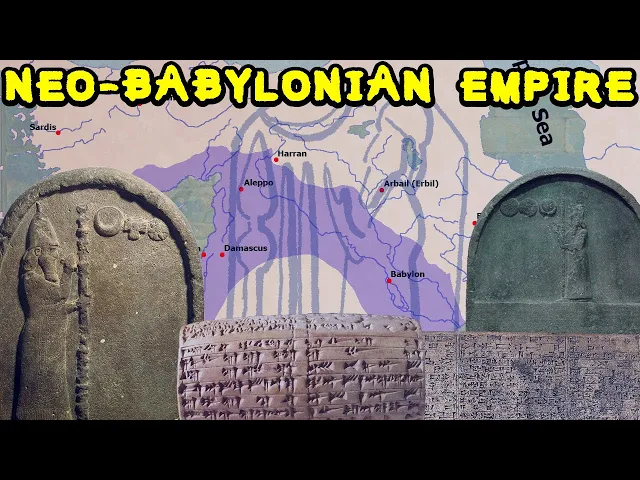
hello everyone and welcome to this edition of history with sai we've come a long way from the city of babylon's early beginnings to its first real period of greatness under hammurabi followed by the relatively stable and prosperous cassite period which later led to over a century of assyrian rule now we come to the really short though arguably most famous period in babylonian history that of the neo-babylonian empire if you've seen or even listened to a handful of programs on this channel especially those focused on the history of ancient mesopotamia and the levant past the mid-bronze
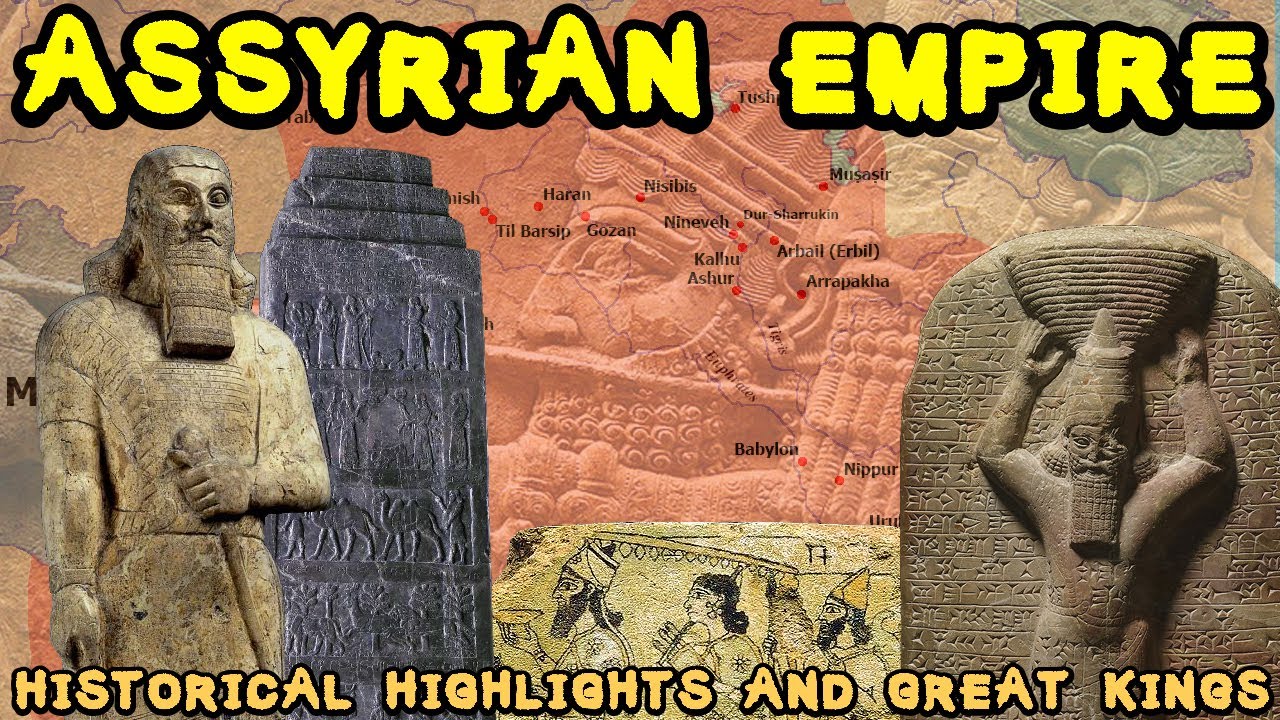
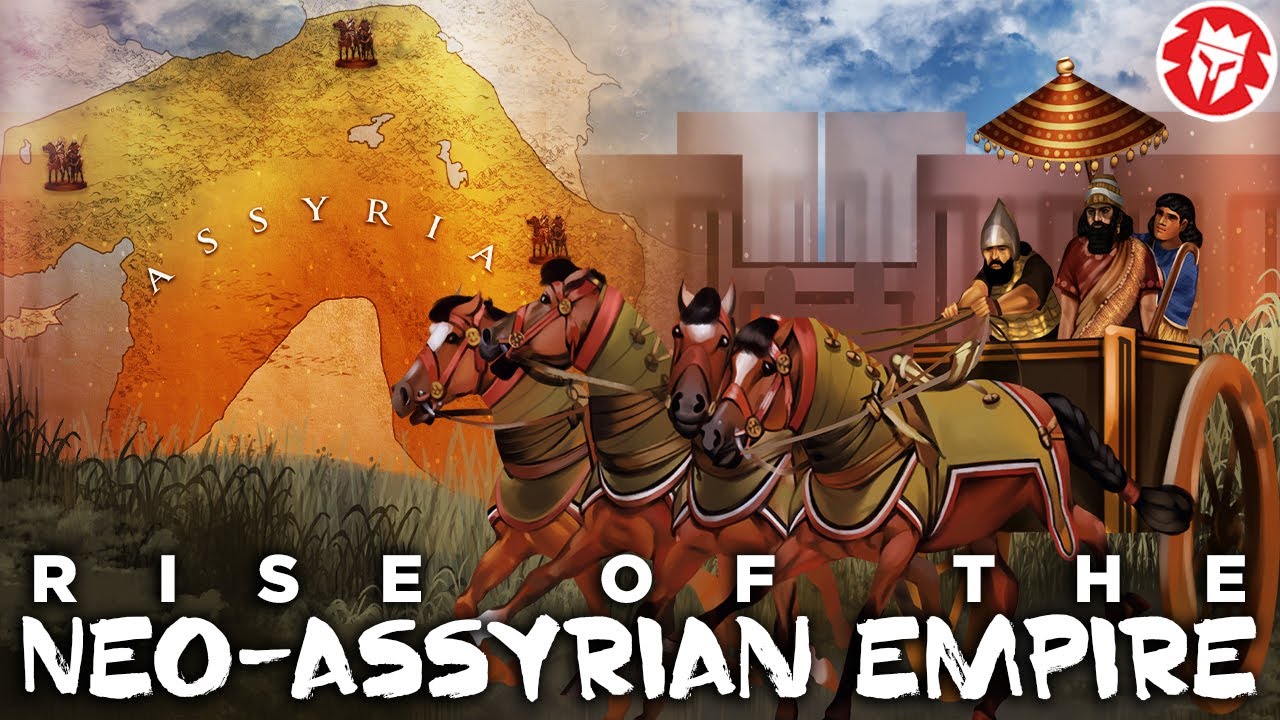
age then you've no doubt heard of the assyrians we've encountered them several times in the history of the region from around 2000 bce onward by the early iron age they had established what scholars call the neo-assyrian empire and ruled unchallenged across the fertile crescent for several centuries what we call the neo-assyrian period kicked off around 911 bce between the years 745 to about 650 bce assyria was at its height and firmly entrenched in babylonia the land to its south though there were several periods of rebellion the assyrians were always able to smash any descent and
rule the country either directly or through proxies and puppet rulers unfortunately establishing such control at times also resulted in the city of babylon being destroyed and having to be rebuilt on several occasions the last great king of assyria asher banipal died around the year 630 bce which left the assyrian empire in the hands of his young heir asher attil ilani too young to rule on his own for a while the chief eunuch who was not a member of the royal family took over as regent before usurping the throne for himself around 626 or 625 bce
he though only lasted for a few months before being replaced by sin shara another one of asha banipal's sons by then though the apparent weakness and instability within assyria's ruling house had taken its toll on many parts of the empire in 627 bce assyria's puppet ruler in babylon candelanu died leaving the babylonian throne unoccupied babylonian chronicle 21 states that for one year there was no king in the country after which a new ruler by the name of naboo apla usar better known to us as nabopalasa started his reign on the 26th day of the month
arasamnu which on the western gregorian calendar would have fallen on november 23rd 626 bce obviously the assyrian king at the time sinchara ishkun didn't recognize nabopalasa and chased him south all the way to the city of uruk many believe that naboo palasar's family may have actually been from there and so the city which was in the sealand province and the kaldayan stronghold would have provided the new king with some shelter and protection against his assyrian adversaries for a few years the two sides seem to have battled over the city before at last naboo palasa could
claim a final victory there by 620 bce it appears that he was in control of most if not all of babylonia including the holy city of nipur [Music] this though didn't necessarily mean that babylon and babylonia were safe while the assyrians had been weakened centuries of conflict between the two great rivals had shown that a resurgent assyria could return at any time one only had to look at the last century for examples of assyria's vengeance on babylon the most notable instances just in recent memory being sennacherib's destruction of the city around 681 bce as well
as ashurbanipal's conquest a few decades later in a civil war against his brother shamash there was little that naboo palazzo could actually do this was the assyrian empire we're talking about the most powerful state in the known world at the time that stretched from the zagros mountains in the east to the shores of egypt and the mediterranean in the west thinking that he could forever dislodge his northern neighbor from the scene was wishful thinking at best it just so happened though that unlikely allies appeared when least expected these were the medes in iranian people who
occupied large parts of the zagros mountains as well as the western iranian plateau the two regional powers eventually struck a deal with the clear objective of eliminating a syrian influence from the region once and for all heavy fighting between the babylonians and the assyrians started in 616 bce the babylonians were eventually able to advance all the way to the region of arapa and then lay siege to the great city of ashur in the heart of assyria the assyrians though counter-attacked and pushed the babylonian forces back to what is today the area of tikrit in iraq
it was at this point that the medes entered the scene they also fought their way into the region of arapa and advanced to the city of asher in 614 bce this time though the city fell with the medes completely raising it to the ground [Music] shortly after this event naboo palazzo and the main babylonian army arrived at ashur where he met the median king sayasharis face to face there the two kings made a formal alliance before heading their separate ways they met again in the summer of 612 bce when the babylonians and medes joined forces
to take out the assyrian capital of nineveh at that time perhaps the most beautiful and wealthy city in the world after a three-month siege it fell along with the assyrian king sinchara despite losing the major centers of their homeland the remnants of the assyrian empire fought on in the west the new and soon to be last assyrian king asher ubalit ii reorganized what was left of his forces at the cities of carcamesh and haran sites today located in northern syria with his egyptian allies the assyrians fought hard but eventually lost to the babylonian median coalition
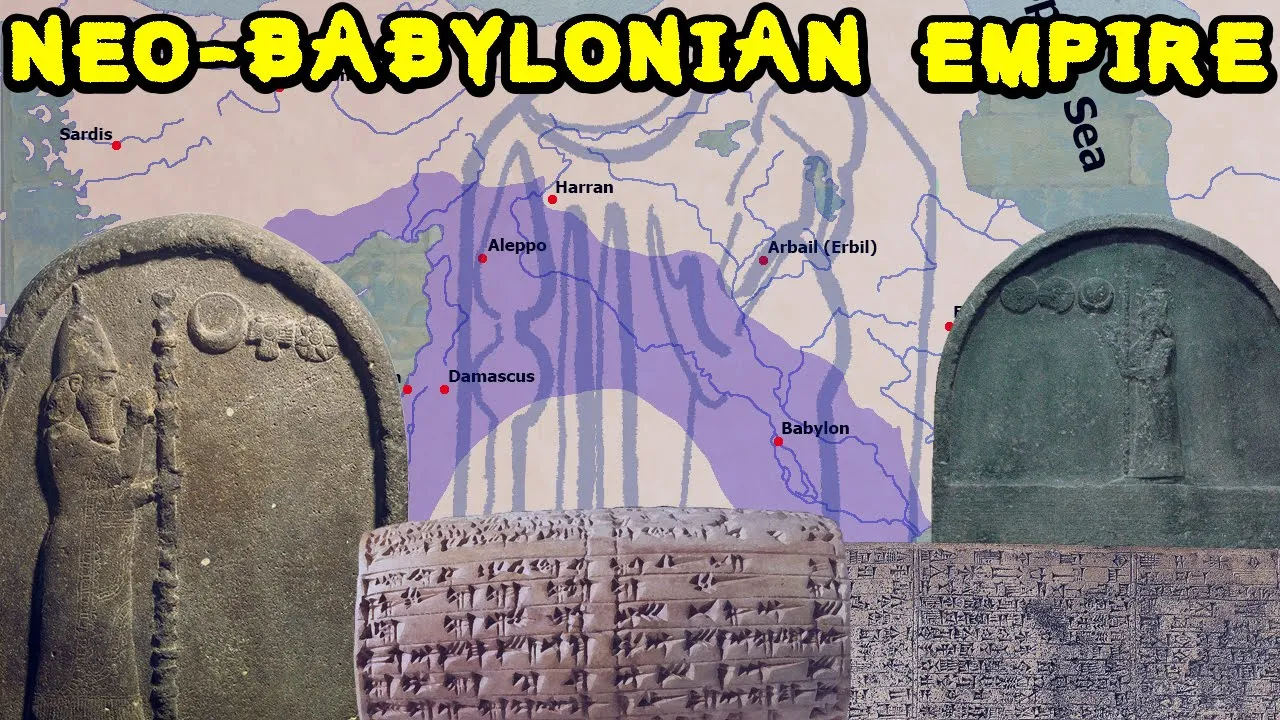
and with the fall of haran in 610 bce what was left of the assyrian empire was wiped off the map forever the fall of assyria for most in the ancient near east would have been unimaginable just a generation before when it fell few mourned its passing though many sought to pick up the pieces of what was left of its once great empire after the fall of haran nabu palasar campaigned in the levant around carcamesh which the egyptians also sought to control in 605 bce his son crown prince nebuchadnezzar won a decisive battle against the egyptians
that allowed babylon to essentially move forward in its control of the entire levant shortly after this nabopalazar died and the crown prince was coronated as nebuchadnezzar ii of babylon though nabu palazzer was arguably one of the greatest freedom fighters of his time by his own account he was a humble man who prided himself not on his conquest but his piety and willingness to be part of a greater divine plan one of his inscriptions reads when i was young although i was a son of nobody i constantly sought the sanctuaries of my lords the gods naboo
and marduk my mind was preoccupied with the establishment of their prescriptions and the complete performance of their rituals my attention was directed at justice and equity the god marduk the lord who fathoms the hearts of the gods of heaven and the netherworld who constantly observes the conduct of mankind perceived my inner thoughts and elevated me the servant who was anonymous among the people to a high status in the country in which i was born he called to me the lordship over the country and the people he caused a benevolent protective spirit to walk at my
side he let me succeed in everything i undertook in another text he gives some advice to the kings who would come after him [Music] any king at any time whether a son or a grandson will succeed me and whose name marduk will call to exert rulership of the country do not be concerned with feats of might and power seek the sanctuaries of naboo and marduk and let them slay your enemies the lord marduk examines utterances and scrutinizes the heart he who is loyal to marduk his foundations will endure he who is loyal to the son
of marduk will last for eternity the new king nebuchadnezzar spent the next few years marching through the levant conquering any areas that refused to recognize him as their new overlord and collecting substantial sums of tribute much of which was later used to beautify the capital city of babylon something which we'll get to shortly most of the former western assyrian provinces fell into line rather quickly and easily in their case it was just a change in management at the top [Music] it was in the southern levant that the babylonians encountered stiff resistance babylonian chronicles from the
year 604 bce report that nebuchadnezzar marched against the city of ashkelon captured its king and then plundered the city before raising it to the ground which has also been confirmed by archaeology the most famous kingdom though to suffer nebuchadnezzar's wrath was the kingdom of judah with its capital at jerusalem in 601 bce judah's king jehoiakim openly challenged babylon nebuchadnezzar's response came a few years later in 598 or 597 bce with an assault on jerusalem the seventh year of nebuchadnezzar in the month of kislimo the king of akkad mustered his troops marched the levant and set
up his quarters facing the city of judah in the month of adaru the second day he took the city and captured the king he installed air a king of his choice he collected its massive tribute and went back to babylon jehoiakim died during the siege and was quickly succeeded by his son jehoiakim but he was captured and taken prisoner to babylon as a hostage in the babylonian archives there's an actual receipt that mentions jehoiakin along with members of his family as the recipients of sesame oil it reads 32 pints for jehoiakim king of judah five
pines for the sons of the king of judah eight pines for eight men of judah one pint each [Music] though named as the king of judah in the text nebuchadnezzar installed jehoiakin's uncle zedekiah as the vassal ruler of judah it wasn't long though before zedekiah also revolted against nebuchadnezzar our only source for this is the hebrew bible because the specific babylonian chronicle for that period chronicle 24 ends around the year 594 bce the story goes that nebuchadnezzar marched again on judah and held the city of jerusalem under siege for two years before capturing it and
this time destroying it along with its great temple which scholars believe all occurred in the year 586 bce in addition he took an even greater percentage of the population back to babylonia with him as exiles judah though wasn't the only land to suffer shortly afterward nebuchadnezzar seems to have meted out the same fate to both amon and moab scholars have speculated that all of these regions were subject to a sort of scorched earth policy because the babylonians were also at war with the egyptians and didn't want them to gain a hold of any territory in
the levant in fact the only rebellious land or city that completely escaped subjugation at least for a time was the phoenician city-state of tyre the main part of which was located on an island and evaded capture after a reportedly 13-year long siege its king came to an agreement with nebuchadnezzar where tyre was allowed to be ruled by local kings in return for vassalage and the use of its large fleet which essentially became the babylonian navy though the babylonian armed forces were campaigning and causing havoc to the west there was peace and prosperity at home this
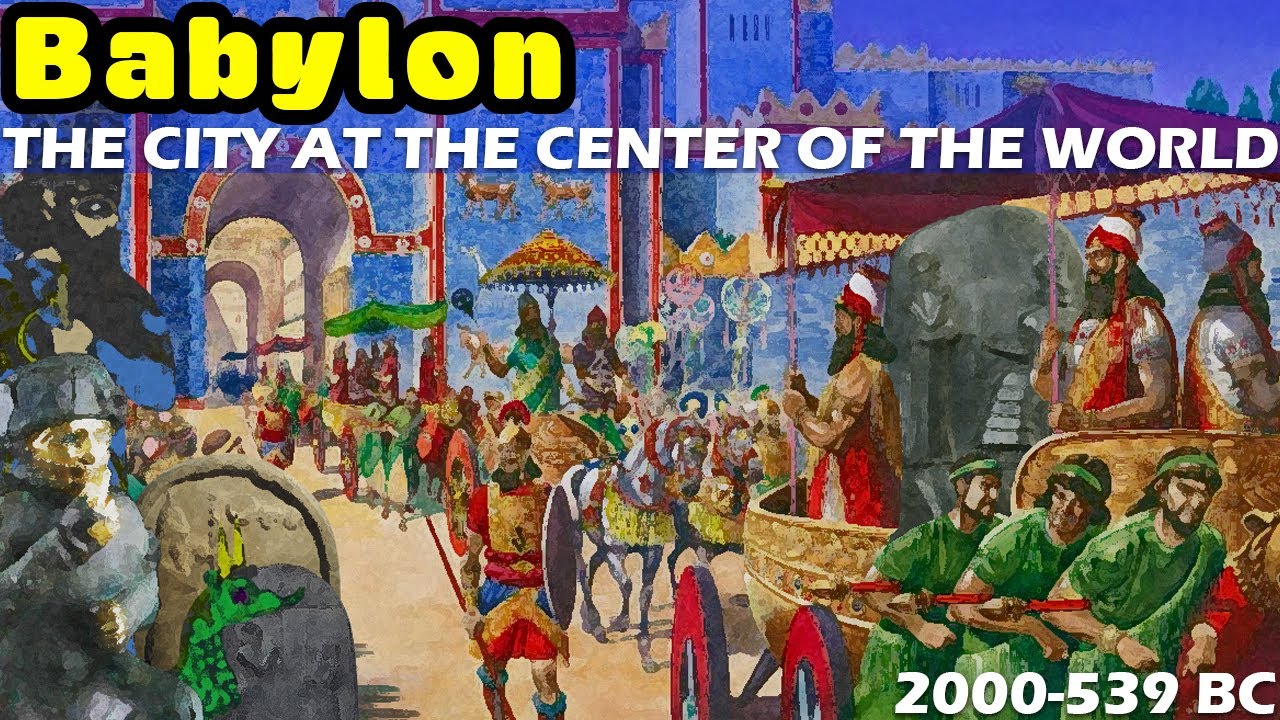
allowed nebuchadnezzar to commission many building projects that essentially transformed babylon into once again the world's most beautiful and wealthy city though there's little evidence of the famous hanging gardens plenty of textual information has been found at the site of ancient babylon and other cities detailing all of the temples palaces elaborate gardens and defensive wall restorations that nebuchadnezzar ii commissioned in one text the babylonian king himself describes how he was active in the city's renovation this street of babylon having become increasingly lower i pulled down the gates and relayed their foundations at the water table with
asphalt and bricks i had them remade of bricks with blue stone on which wonderful bulls and dragons were depicted i covered their roofs by laying majestic cedars lengthwise over them i fixed doors of cedarwood trimmed with bronze in all of the gates i placed wild bulls and ferocious dragons in the gateways and thus adorned them with luxurious splendor so that mankind might gaze on them in wonder though it's believed that he himself didn't visit the city herodotus in the 5th century bce wrote of babylon's vast size and grandeur according to what he'd probably heard from
others the city stands on a broad plain and is an exact square a hundred and twenty stadia in length each way so that the entire circuit is 480 stadia while such is its size and magnificence there is no other city that approaches to it it is surrounded in the first place by a broad and deep moat full of water behind which rises a wall 50 royal cubits in width and 200 in height [Music] it wasn't just babylon that benefited from such programs but also cities such as borsipa where the god naboo's main temple was and
uruk most of this of course was funded from the spoils of nebuchadnezzar's many conquests nebuchadnezzar died in late 562 bce and was succeeded by his son amel marduk whose short reign of only two years started the gradual decline of the neo-babylonian empire it's perhaps for this reason that the babylonian historian berosis writing in greek in the 4th century bce claims that he was killed by his brother-in-law neri gliesar who then sees the throne for himself and reigned as king for four years documents discovered at uruk have led some scholars to believe that neri glissar had
married a daughter of nebuchadnezzar named kashaya which may have helped to have supported his claim to the throne during those four years he campaigned in celisia and also claimed to have crossed into lydia the most powerful kingdom of western anatolia at that time however he died shortly after his return to babylon and was succeeded by his son labashi marduk who only reigned for a few weeks before he himself was ousted and replaced by the man who would become the last true king of babylon nabonidus it appears that naboonitis was originally a high-ranking court official and
a very learned one at that according to birosis he was involved in a conspiracy that removed labashi marduk from power after which he was made king it's very possible that nabonita's family was not completely babylonian at least not from his mother's side now bonaires claimed that his father was naboo balasu of whom he just says was a wise prince his mother though whose name was adar gupi appears to have come from the city of haran shortly after the fall of the assyrian empire and served in the courts of naboo palace nebuchadnezzar ii and neri glissar
during which time it's likely that she introduced her son nabonitis at court eventually nabonides probably rose up through the ranks to an influential position within babylonian society there is a theory that adar gupi had originally been in a syrian priestess of the moon god sin and that it's from her that nabonitas developed his own devotion to the deity in fact haran was known as being a major center for worship of the god though sin's primary sanctuary was in the city of ur nabonitas went on pilgrimages and retreats where he worshipped the god sin exclusively and
restored many of the deity's sanctuaries across his empire in fact nabonitis was so focused on this that he appointed his son belsharu usar better known as belshazzar to rule as regent while he was away which according to babylonian chronicles and other documents from the time was quite often the priesthood in babylon as well as perhaps the thousands of devotees to the city's patron god marduk took notice of this and obviously felt the excessive favor and devotion that naboonitus was showing towards sin were an affront to their own religion in the spring of his third year
as king or 553 bce nabonitas went on a campaign that took him into northern arabia where he ended up at the oasis of tama using the town as a base nabonitas claims that he spent 10 years in northern arabia during which time belshazzar ran the government as regent and carried out the religious obligations that normally would have been the duty of the babylonian king himself while nabonidus's campaigns in northern arabia may have resulted in an expansion of babylonian territory and regional influence things were also afoot in iran and western anatolia babylon's neighbor and ally the
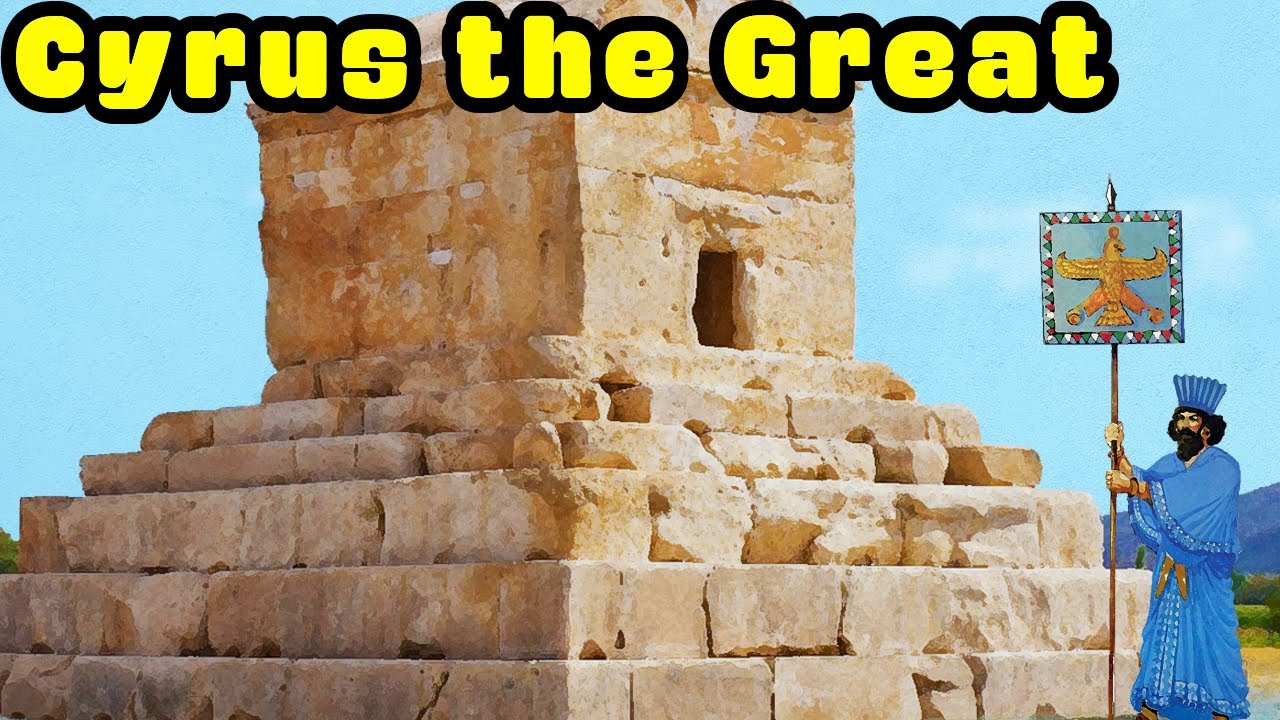
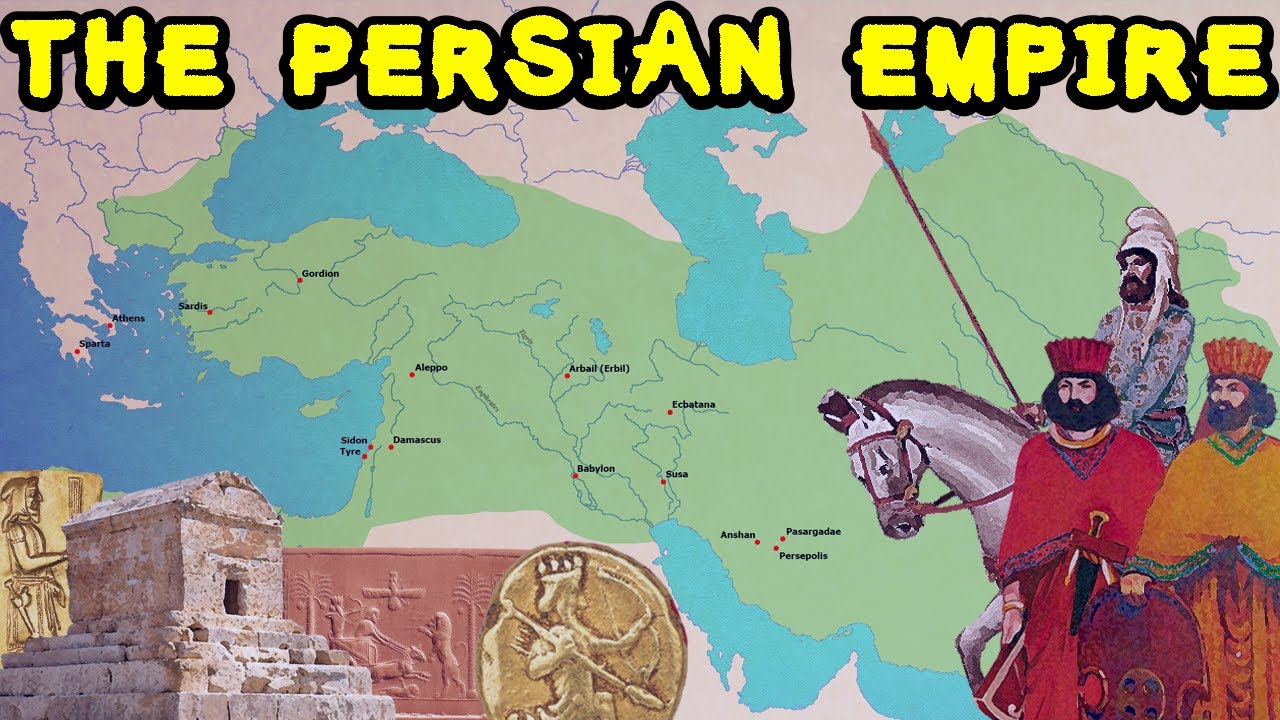
median empire went through a regime change in naboonitis sixth year when the relatively unknown cyrus the king of anshan overthrew his median overlord king astiages around 550 bce babylonian chronicle number seven also known as the nabonidas chronicle because it covers the reign of nabonitis states astaya ji's called up his armed forces and went against cyrus the king of anshan for purposes of conquest as for astaire jesus his army rebelled against him and he was taken into custody they presented him to cyrus cyrus went to the land of ekbatana the royal city and silver gold goods
and property which he carried away as spoiled from akbatana he took to anshan the babylonians had technically been in an alliance with the median empire ever since they went through their joint venture of putting an end to assyria since then haran which as mentioned before was the cult center of the moon god sin had been in the hands of the medes since the city's capture in 610 bce now bonitis though desired the city and wished to restore sin's temple there known as the uhul hol to its former glory there's a very interesting clay cylinder found
in seppar called the cylinder of nabonidus which supposedly recalls a dream that the king had where both the gods marduk and sin command him to rebuild the ihulhu though it was probably a work of propaganda intended to justify nabonidus's spending of government funds to rebuild an old dilapidated temple in faraway haran it's nevertheless a fascinating work part of the text reads in the beginning of my everlasting reign they sent me a dream the great lord marduk and sin the luminary of heaven and the netherworld stood together marduk spoke with me nabonidus king of babylon carry
bricks on your riding horse build a whole hole and cause the great lord's sin to establish his residence in its mist reverently i spoke to the enlil of the gods marduk that temple which you ordered me to build the maid surrounds it and his might is excessive marduk spoke with me the maid whom you mentioned he his country and the kings who march at his side will be no more at the beginning of the third year they aroused him cyrus the king of anshan his second in rank scattered the vast midian hordes with his small
army he captured astages the king of the medes and took him to his country as captive such was the word of the great lord marduk and of sin the luminary of heaven and the underworld whose command cannot be changed in the end it seems that nabonidus and i suppose the gods marduk and sin got what they wanted since the babylonian king was able to restore the ihulhul cyrus may have replaced astayajas allowing nabonitis to take haran but that didn't mean that things were about to go back to normal on the contrary nabonita's days were numbered
cyrus the king of anchan and with a new united persian media empire turned his attention to western anatolia where he defeated croatia of lydia and annexed his kingdom along with the greek city-states of ionia according to herodotus the lydians and babylonians had made an alliance against cyrus and chris seems to have expected their help before cyrus arrived at his capital of sardis if herodotus account is true then it's possible that this was all the justification that the persian king needed to launch an attack on babylonia in 543 bce nabonides hastily returned to babylon and ordered
that the statues of the gods and goddesses from other sanctuaries including sippar and uruk be brought to the city for safe keeping such actions imply that nabonidus was expecting a long siege however that's not what happened in the end perhaps due to collusion from babylonian citizens army officers and a priesthood that was fed up because of nabonitus's apparent disrespect of their patron god marduk cyrus was able to march through babylonia almost unopposed with the only armed encounter recorded being at the town of opus on the tigris river after that at least according to the chronicle
it's pretty clear what happened next in the month tashritu on the fourteenth day seppar was captured without battle nabanadas fled on the sixteenth day gubaru governor of guptium and the army of cyrus without a battle entered babylon afterwards after nabanidus retreated he was captured in babylon interruption of rights in asagila the temples there was none and no date was missed on the third day of the month cyrus entered babylon they filled the haru vessels in his presence peace was imposed on the city the proclamation of cyrus was read to all of babylon according to barossas
cyrus had nabonitis exiled to carmagna today in the province of kirman in southwestern iran another tradition maintains that he was appointed as an advisor to the new king and that is how the neo-babylonian empire came to an end from then onward there would be no other native rulers of the city of babylon starting with the persians then macedonians greeks parthians sasanians and so forth babylon would be part of but never the center of the many states and empires that would go on to rule over mesopotamia however mention of the name babylon still captures our imagination
and the legacy of the babylonians whose capital city it was for generations is still with us today in the form of contributions to mathematics sciences such as astronomy and medicine philosophy religion literature and art so i hope that you've enjoyed this program on the history of the neo-babylonian empire i also really want to thank danny hussein for bringing these historical figures and chronicles to life with his voice thanks also to all of you for stopping by if you learned something or simply just enjoyed the video please don't hesitate to hit that like button because it
really helps the channel out a lot check out the history with psy podcast where i go into more detail with regard to some of the topics discussed on the channel you can also follow history with sai on instagram facebook and twitter thanks again and i'll catch you in the next episode take care and stay safe