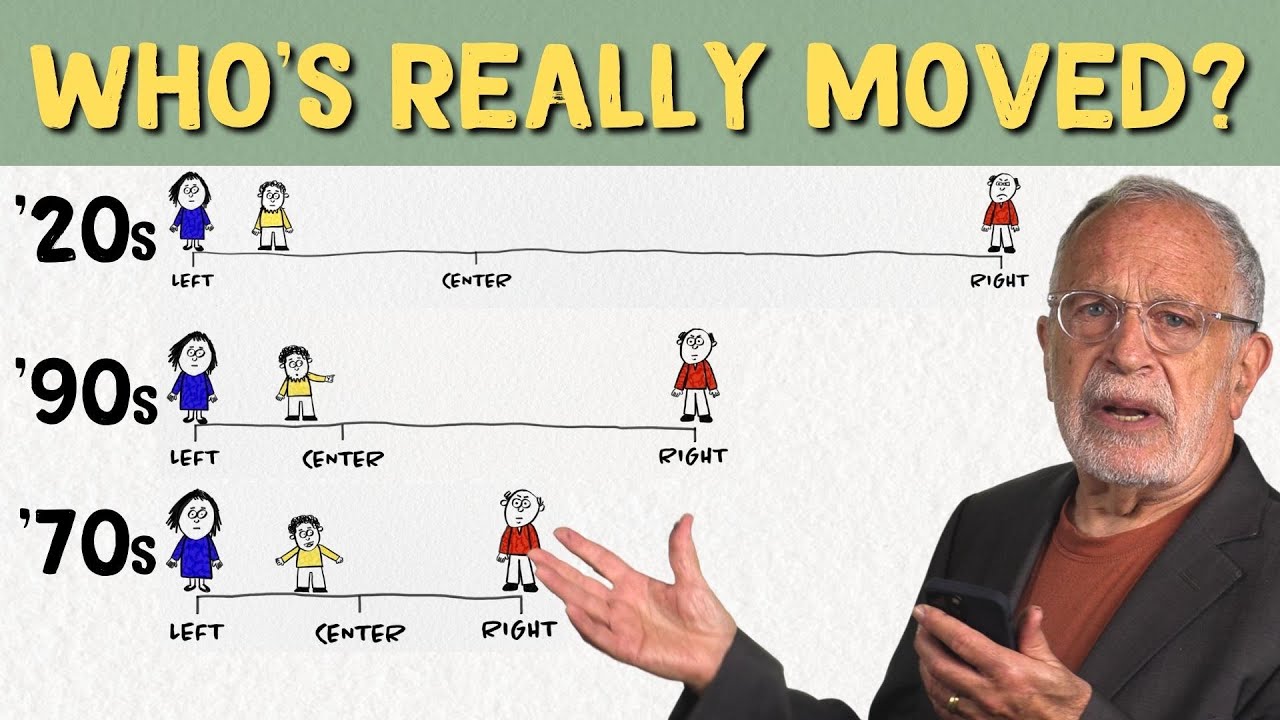
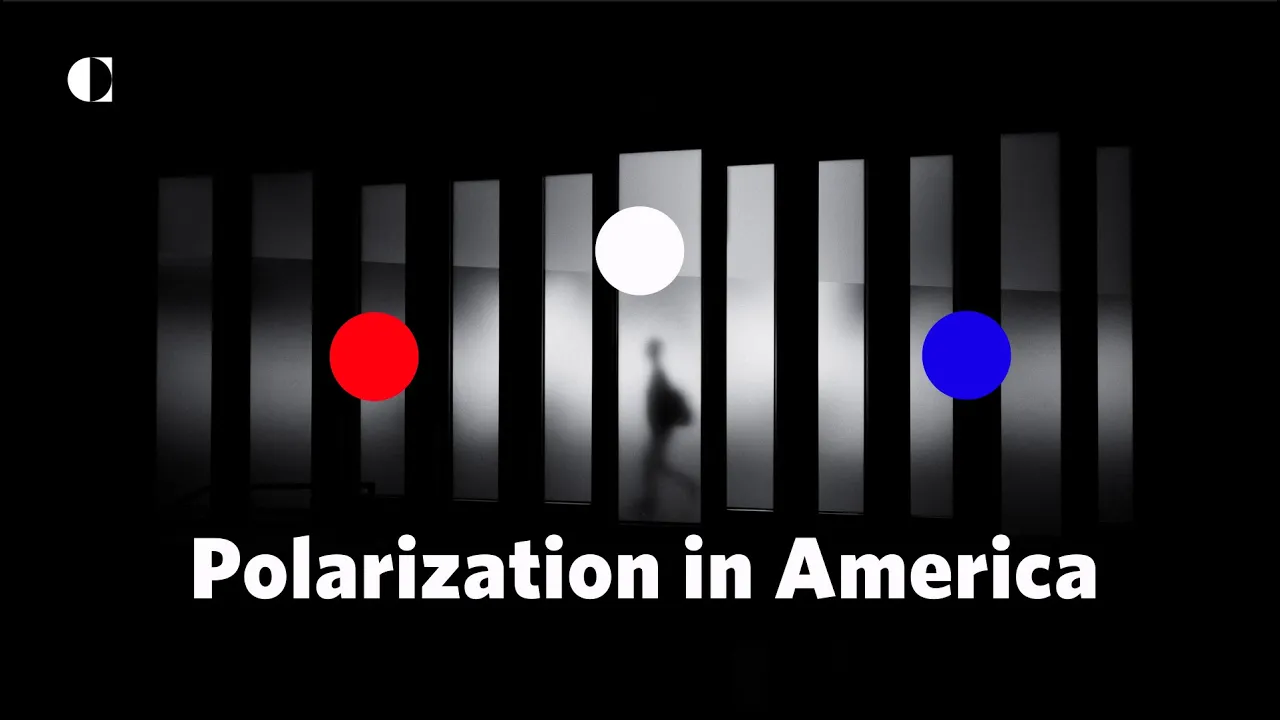
many Americans are worried about polarization we feel like something's gone wrong in our society we're too hateful we're too on edge we don't like each other very much anymore and so I wanted to look at the research and say what do we know about polarization in America and what we can do about it ten years ago lots of researchers were looking at polarization based on the ideological distance between Americans what did you believe and what should be done about issues like gun rights abortion immigration and so on when you measured by ideological distance it turns
out that lots of Americans actually agree there's widespread agreement actually on the most difficult issues the most divisive problems most Americans have a lot of overlap but our leaders don't and so what we found was that with ideological difference the people we were electing to Congress were very far apart even though their constituents were not and that difference was causing an ongoing cycle of further polarization as the leaders were saying things that their constituents might not agree with but really didn't have any way in a two-party system to elect someone who didn't feel that way
fast forward 10 years and people started to look at polarization in a different way based on how we felt emotionally not what we believed about policies it turns out most Americans don't hold policy beliefs very deeply but we do hold our identities pretty deeply and our emotions and what we found there is that affective polarization emotional polarization is quite High among Americans lots of programs have started to try to bring it down what can we do to get Americans to like each other more but what we've learned recently is that actually you can reduce emotional
polarization and not have any effect on whether a democracy works well whether political violence and hate crimes come down or whether we vote for people who bring us together rather than pull us apart and so the latest work on polarization and what to do is looking at lessons we can draw from overseas and from research that's been done there and what we know from that is that there's a polarization debate right now that's not doing our country a lot of good one side is saying let's bring down polarization let's be more civil to each other
but the problem is with that side the people willing to be civil really aren't the problem in the first place the people willing to bridge build and talk to each other and work across divides are really the ones not causing a lot of the trouble on the other side you see people who are pushing for social justice and greater inclusion in a more multi-ethnic democracy and they're saying all the civility is actually hurting our attempts to move into the future polarization might be a good thing if it means more Justice more equality the problem with
that win lose adversarial model is that when you have this much polarization you generate a lot of blowback and that blowback like Jim Crow might last for a hundred years it could last generationally what we found overseas is that the best way to move countries on the brink like America is right now out of this form of stasis and gridlock and polarization is to form unlikely alliances in which the goal is not to just talk about our differences but to look at something we want to get done together that makes a difference to work together
across difference to create positive change toward a more multi-ethnic inclusive peaceful and less violent democracy and as we build that muscle memory of Cooperative work across barriers we start to recognize where those barriers are real and we just have to agree to disagree and vote the way that we wish to vote to bring about the country we want and where those barriers might fall away for something we care about more like a functional government a more safe Society with less violence or a country that just picks up the trash and works a little better than
we're getting right now