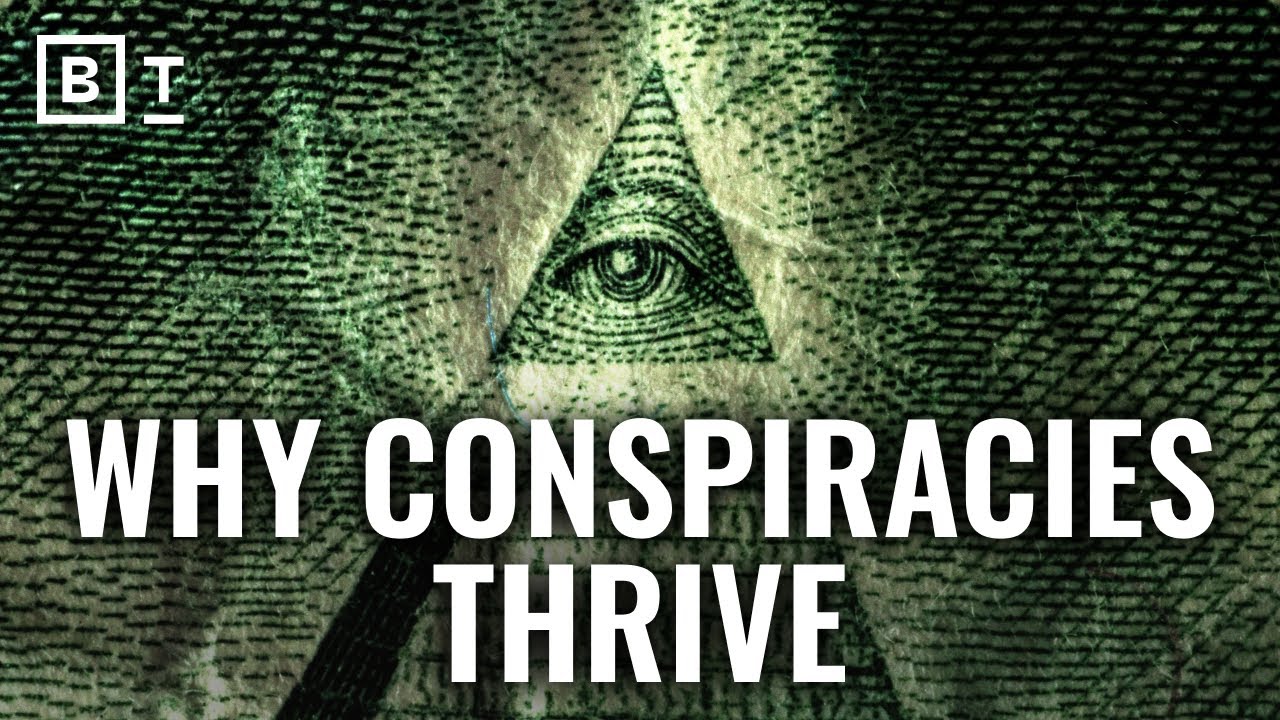
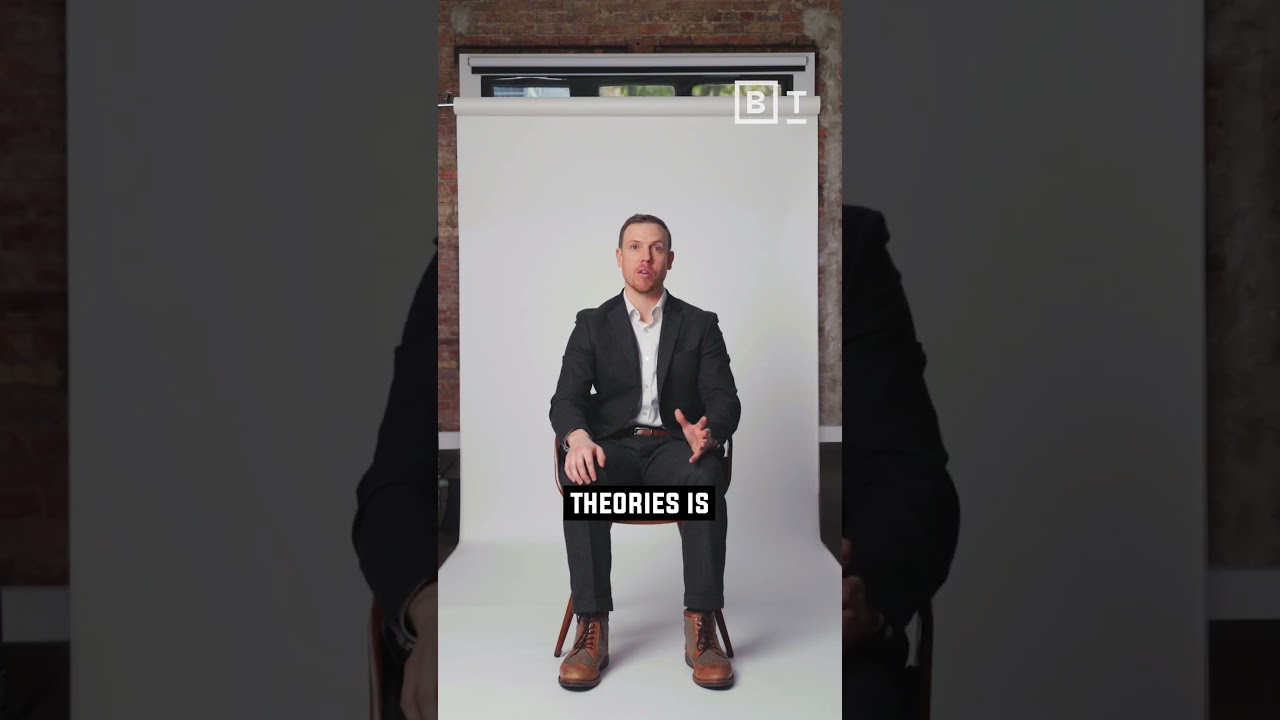
when it comes to understanding conspiracy theories there's three main cognitive biases and the second form of bias is called magnitude bias and is this idea that any big event must have a big cause right in in a lot of our thinking about the world we have these linear relationships and how we understand it so for example Princess Diana's death where there's lots of conspiratorial thinking around it and it's a car accident it's basically a sort of random event where somebody was driving too fast and she died when you have a consequential event you want to
have a consequential Cause but within conspiratorial thinking research will show that conspiracy theorists will hold ideas that are quite clearly logically opposed to each other so people who believe in Princess Diana conspiracy theories will simultaneously say that yes we think that she is alive and also that she was probably killed by the British government now these two things cannot both be true but they would rather accept that logical impossibility than the random explanation that there was some sort of small cause that was banale which is to say she died in a car accident