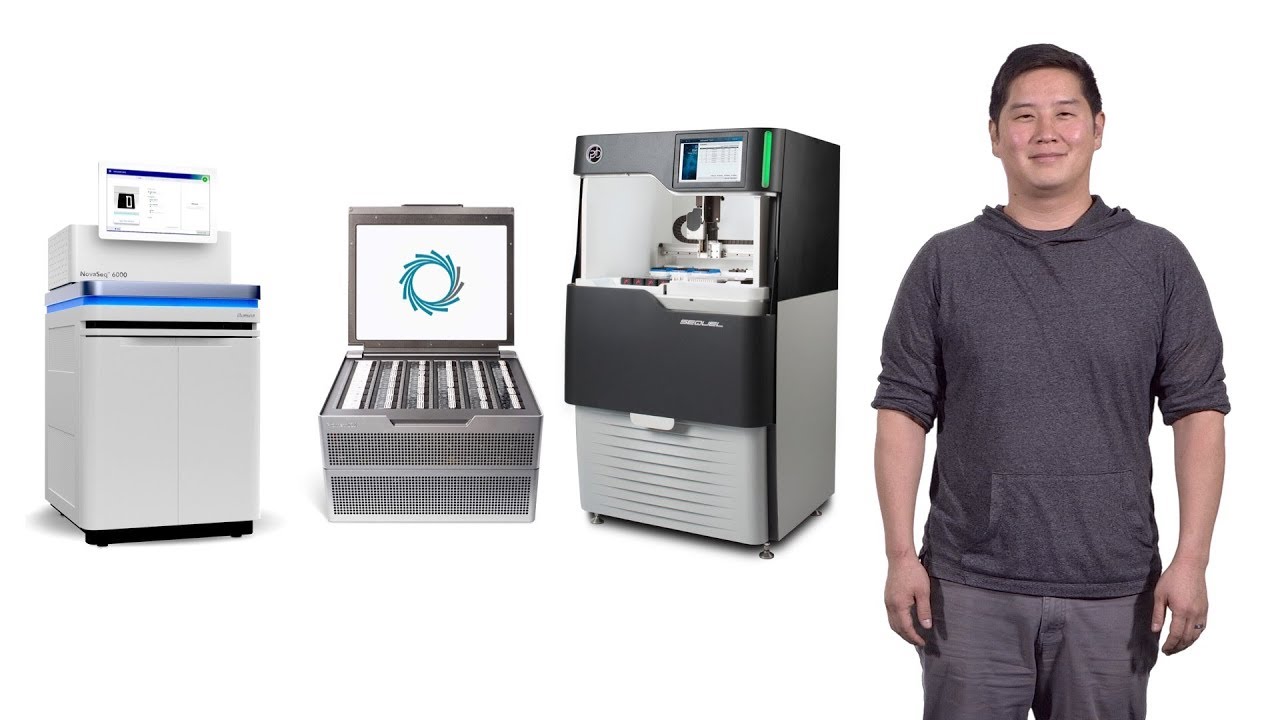
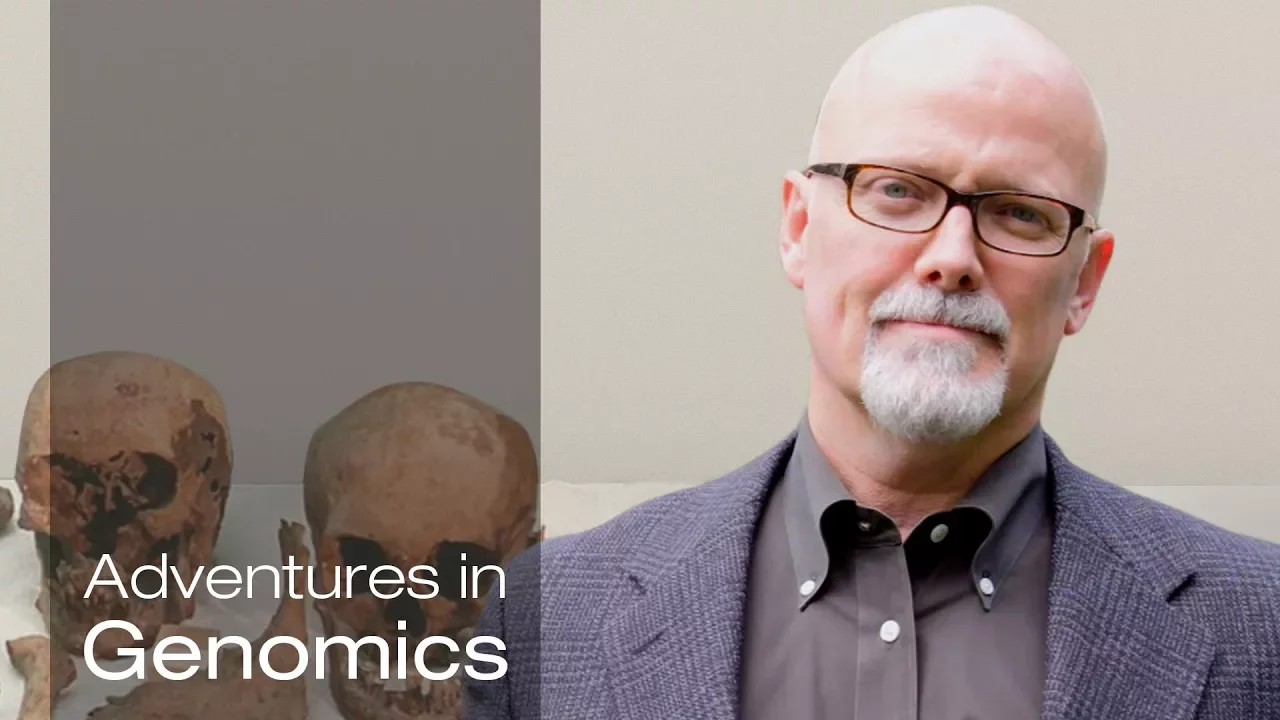
- [Voiceover] When we were investigating the case of Nicholas Romanov and we have this heteroplasmy we realized the power of that heteroplasmy. But we really didn't have a technology that was able to detect these heteroplasmic sequences. And now with high-throughput sequencing it's gonna make it more powerful, more compelling, and it's gonna help solve more crimes.
(suspenseful music) - I'm excited to be here at Penn State to talk to Mitch Holland. He's a renowned forensic scientist. - Me too.
I have been reading his papers since college. He's been working on some amazing cases. - Like the Unknown Solider, nine eleven.
- Or the Romanov case. - Hi Mitch, great to meet you. - Nice to meet you too.
Welcome to Penn State Forensic Science. - Thank you, nice to meet you. - So what are you up to here?
- Well, we have students who are working a mock crime scene. Oftentimes when we find skeletal remains like this we have to do DNA testing. - Isn't DNA desegregation a big problem?
I see it's all wet. - Right, and this could be an old skeleton and may have very little DNA. Or highly degraded DNA, and so we do have methods that are able to work on samples like that.
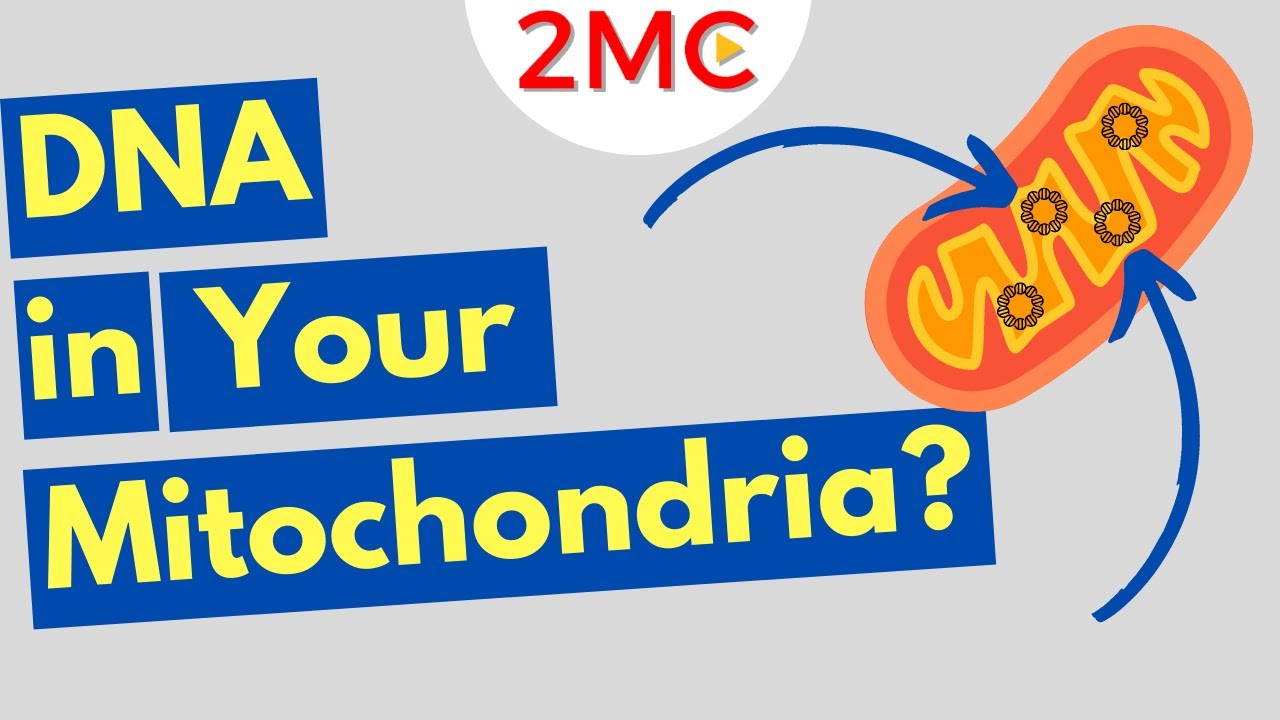
Like mitochonrial DNA testing. - Is this what you did in the Romanov case? - That's exactly what we did in the Romanov case.
And we were able to use mitochonrial testing to identify Nicholas Romanov. (suspenseful music) - Tell us more about the Romanov case. - Well, Nicholas Romanov was the last Russian Tsar.
And he and his family and members of his staff were assassinated in 1918. And the remains were unceremoniously buried. And then a number of decades ago the remains were found, but it was just the suggest remain of Nicholas Romanov.
There really wasn't a compelling piece of information anywhere, that these were actually his remains. So finally DNA testing came along and we used mitochondrial DNA testing to help identify the remains of Nicholas Romanov. In this case we had a mixture of DNA sequences called heteroplasmy, that really increased the strength of the match and the identification.
- Can you explain heteroplasmy for us? - Sure. I can use the spheres here to do that.
So heteroplasmy is simply a mixture of two different mitochondrtial sequences. So, as we look in this sphere we have yellow balls and we have blue balls. And so it's a mixture of two different sequence types.
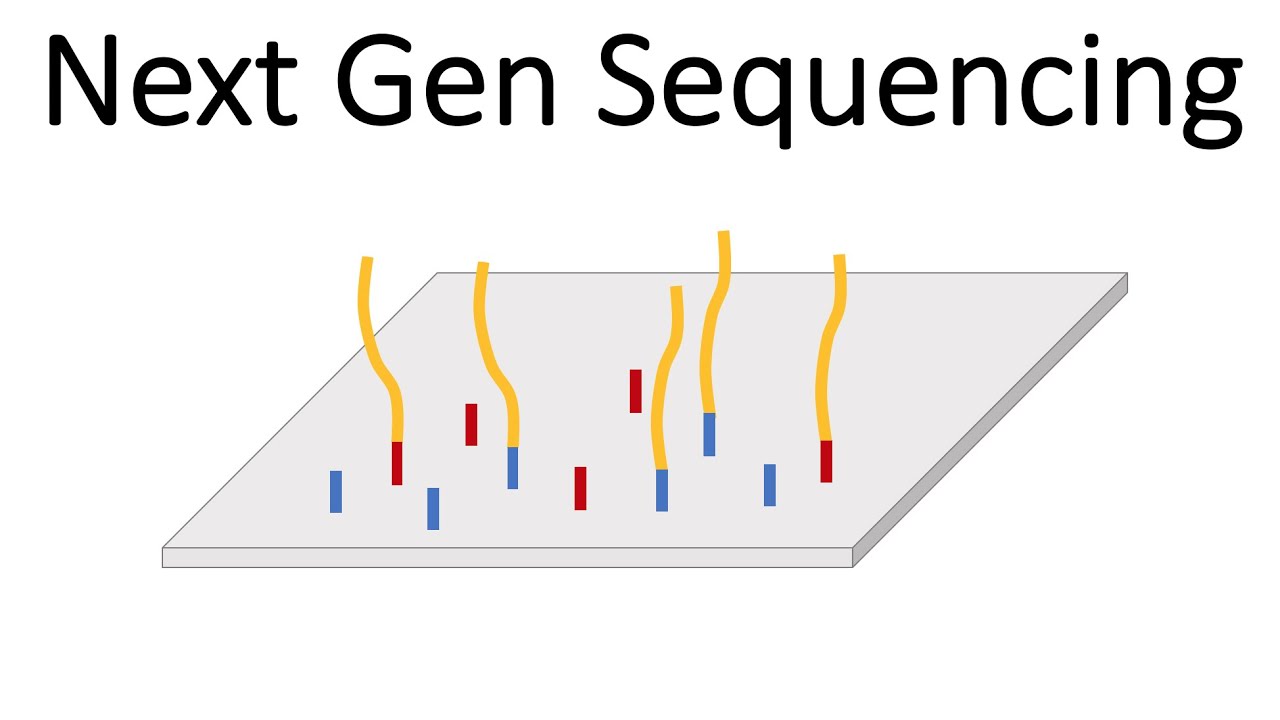
Normally when we have a sequencing technology that really only allows us to see the yellow colored balls. Without a special technology like high-throughput sequencing, we're really not able to see those other sequences. - So how do you get the mitrochondrial DNA out of these bone samples?
- Well the first thing you wanna do is to clean the surface of the bone of containments. And you can do that with a dremel tool. You actually just polish the surface.
And then you take a sampling of the bone, grind it into a powder. And the reason you grind it into a powder is you wanna have more surface area to get the DNA out of that powder. You do that with a solution that just leeches the DNA out of that powder.
And now you've got it in solution, but you need to purify away impurities. Once we've purified away those impurities we have our DNA extract that we can work with. (suspenseful music) - So we were talking bout the Tsar and his brother.
So how does heteroplasmy impact a study like this? - It has a tremendous impact on the investigation. In this case the remains matched the brother at a position that shared heteroplasmy.
And when you share the heteroplasmy it increases the power of that match. So in a normal investigation you don't have heteroplasmy it might be one in hundreds, with the heteroplasmy the power went to one in the three hundred thousand. - How would high-throughput sequencing help in this kind of analysis?
- In the case of the Romanovs, when they looked at a living relative they didn't see that heteroplasmy in a living relative. And that's because the technology would not enable them to see it. With high-throughput sequencing we could see those low level sequences and make those comparisons and make those matches stronger.
(suspenseful music) - We have noticed that the Tsar and his brother have notable differences in their heteroplasmy. How does that happen between siblings? And how do those ratios change so quickly between one generation and the other?
- If we start with a mother, and on this side we a lot of Xs and just a couple Os here, then she has that particular ratio of these mitochondrial sequence variants. And as we pass through that generation, pass through that mother to the other son, her offspring can have, because of a very small bottleneck, now a lot of the Os instead of the Xs. So that makes the ratios different.
Now this is one of her children. Her other child can actually have, maybe closer to her distribution. So now we have Xs and Os here, and a distribution that would be much more like the mother but vastly different from the brother.
High-throughput sequencing is gonna be a critical element of being able to do this on a routine basis. (suspenseful music) - It's amazing to see how sequencing is changing the field of forensic genomics. - Do you know, I was really surprised to see the different sequencing heteroplasmy can make.
It really increases the discrimination. It's almost like going from an analog system to a digital one. - And it's opening a new era in forensic genomics.
- Definitely.
![Ergothioneine: New Supplement discovered to Improve Mitochondrial Function [Study 295]](https://img.youtube.com/vi/VX8qvLytsJs/maxresdefault.jpg)