We had gotten quite good at what we thought was second acts because we had been replicating the platform to serve new demographics really really effectively like we had gone in reality zero to a couple hundred thousand patients really really fast and so we thought like okay well the next logical one is to instead of going horizontal to now increase depth but the heuristics we had around how to increase depth came From the world of going horizontal and so we completely the attempt to increase depth even when you have a machine that's capable of doing new
things which ours was when you change the shape of the new thing you have to go back to square one and plan what does this actually look like where is the opportunity how big is the scale etc etc you're listening to the startup podcast this is an educational episode in-depth master classes about the Concepts essential to building running and investing in Silicon Valley style startups whether you're a Founder investor or operator in a startup you'll gain insights into the principles that power high growth disruption the same way Facebook Google and Uber do it the conversation
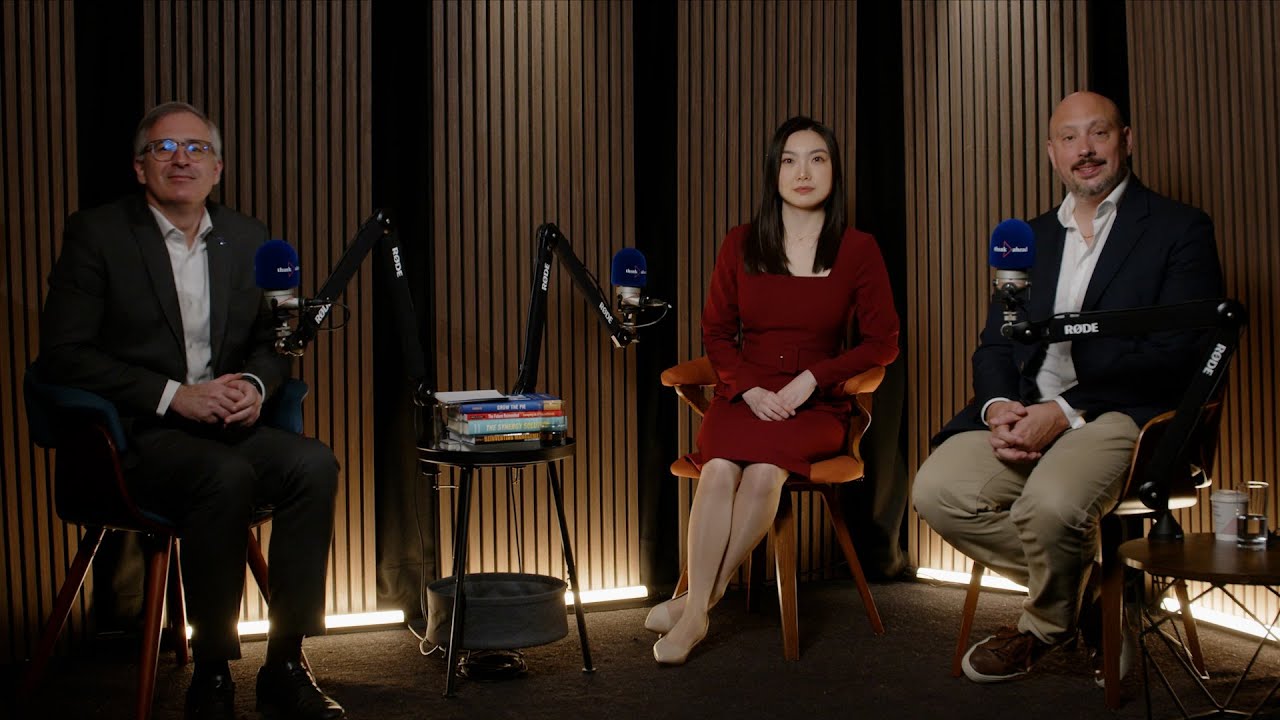
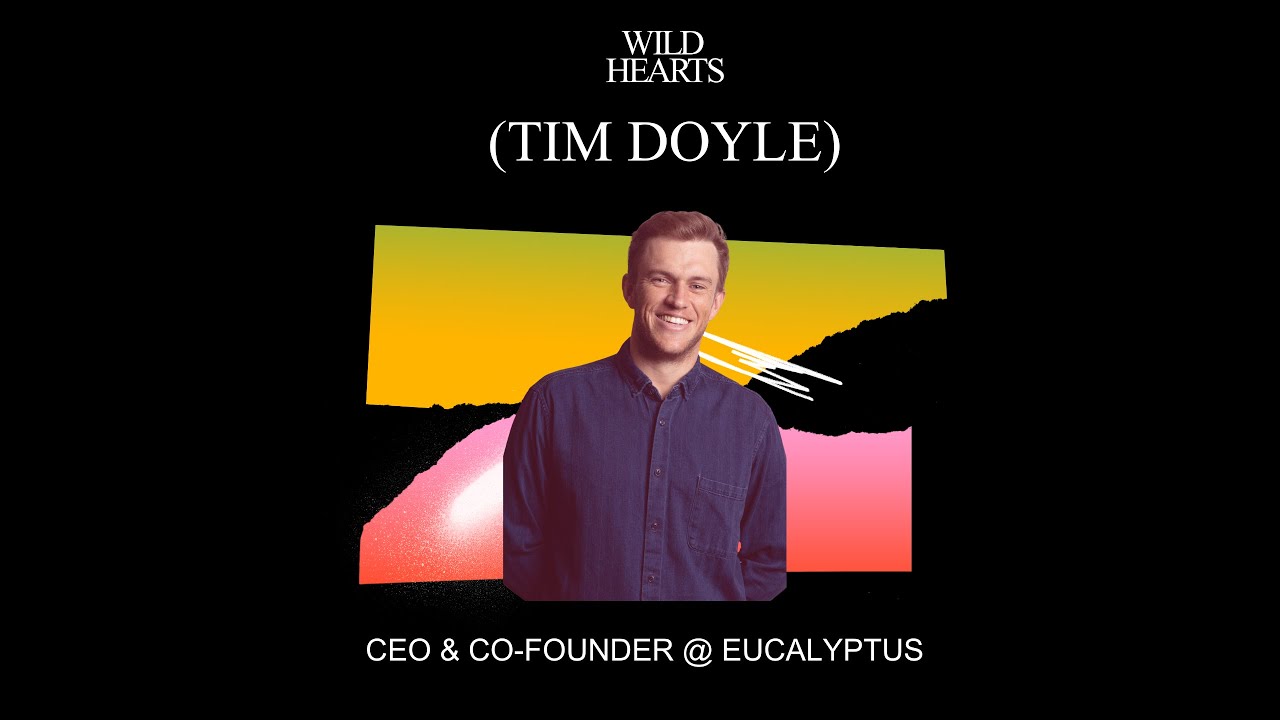
Starts Now hi I'm yif Burnstein and I'm Chris sad and I'm Tim Doyle today we're going to talk about what to do when your startup has succeeded in building its First product achieving success in its first market and now you're looking to expand to New Markets to new products to new adjacencies this is a really exciting time for your startup but it's also a time that is fraught with risk and danger so on today's episode we have Tim Doyle founder of eucalyptus who has been there done that learned the lessons and he has so much
wisdom to share on how best to think about expanding into those adjacencies now Tim is one of our Favorite Founders he's outspoken he has really clear inight of thinking and my level of aha brain explode new learnings per minute is one of the highest we've had on any of our episodes for a long time so this is an absolute Banger we know that you'll enjoy it stay tuned for the full episode right after this break this episode of the startup podcast is brought to you by vanter I get it you hear security and compliance and
you think timec consuming and stressful but It's critical for scaling your business achieving compliance with ISO 271 sock 2 essential 8 or other in demand Frameworks can unlock major growth for your company help you sell to the Enterprise and establish customer trust and with bter you can get compliant in weeks instead of months and save up to 85% of associated costs and just for tsp listeners you can get $11,000 off vant when you go to v.com tsp that's V n.com tsp for the startup podcast okay Folks I wanted to talk to you about YouTube we've
been publishing our podcast to YouTube for over a year now if you haven't checked us out there I recommend you do you get to see our beautiful radio faces something really exciting has happened which is over the last couple of months our viewership on YouTube has really gone up a lot and we think that's because the algorithm is showing us to more people and people are liking what they see that's one of the Wonders of being on an algorithmically enhanced platform like YouTube it can really bring us to more Founders if you're a listener to
this podcast and you want to help us grow the thing we would like you to do right now it's the simplest part of the fact is stop what you're doing go to YouTube find our channel it's easy to search for or you can get it from our website at tsp. show and just hit subscribe watch some stuff if you like but even if you listen to us In the podcast app if you follow us on YouTube what that does is is telling the YouTube gods that we're doing something right and that more Founders deserve to
find this great content so thank you so much go on to YouTube hit subscribe and you can rest easy for the rest of the day the standard startup advice is this Focus build a single product for a single segment once you're succeeding with that you can expand into adjacencies that's good advice we give It ourselves but what happens when you've succeeded and are ready to explore those adjacencies or even launch a second product how do you know what to build or for whom what are the traps and pitfalls how do you manage your chances of
success joining us to discuss this we have the perfect guest Tim Doyle Tim is one of the smartest and most iconoclastic Founders I've ever met after playing a major role in the success of koala mattress Australia's Casper but with much better branding Tim went on to found eucalyptus which is one of the country's fastest growing Health Tech scale-ups we're excited to have you here welcome to the startup podcast yeah thanks for having me we're here to talk about expanding beyond your first segment and your first product now you're the founder of eucalyptus and I think
it has a somewhat unusual founding premise in fact eucalyptus isn't a consumer brand at all so tell us a Little bit about how eucalyptus works and why you built it that way especially in the context of creating multiple products I guess like going all the way back to the beginning it's kind of early 2019 and we're thinking about what it means to be a great consumer brand from Australia one of the constraints that we saw and I I certainly saw at koala is there's limitations to how much scale you can actually get in Australia serving
Australian consumers and so you Either have this challenge of going International or you have the challenge of going horizontal and serving multiple different consumers across multiple different offerings in Australia a lot of digital Health businesses around the world looked very similar what you had in skincare oil fertility or men's health or mental health around the world the infrastructure behind those look very similar and so I kind of believed that you could launch a lot of these Type of offerings in Australia off the same platform and maybe Miss some of the pitfalls and problems that you
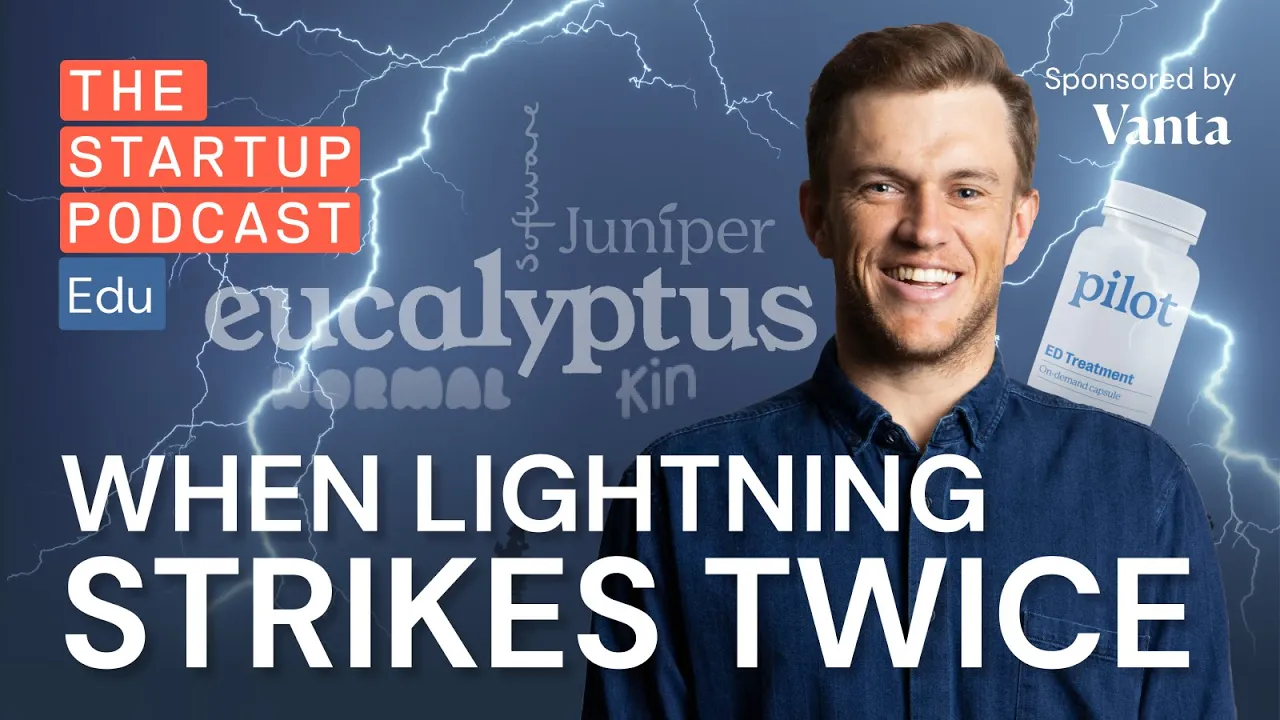
run into as a single brand consumer business and we've seen the Venture Capital landscape LED with failed attempts to build really really big single brand businesses and so that was the core Insight was like maybe we could do multiple of the same platform in order to get to scale it from Australia where we are that otherwise would have been very difficult It's been by just over 5 years now we have five brands at the moment the first one was pilot and I would consider pilot like the simplest brand it does primarily erecti dysfunction hair loss
and weight loss and the main proposition to patients there is convenient access to clinicians and then discr access to medication and Ong management of those conditions and so discretion is relatively simple to build from a technology perspective and then you have Kin which is our second brand and I guess like the step change innovation in kin is there is much more complex medication management and so patients have a lot of choice when it comes to contraception not only like which type of contraception but which pill within the contraceptive landscape and so we were seeing a
lot of patients come in who were having side effects related to the pill that they were on and so the challenge for us was to build a system Where a practitioner or a doctor could choose the right pill for the and manage them through that journey and so there was some extra building to be done there then third brand software which is a skare br and that's all about personalization so right dosage WR treatment for different patients with different skin conditions and so you have a lot more personalization on the pharmacy side and so building
the Integrations for that was another step And then I think our biggest brand which has kind of popped up in the last couple of years is Juniper and that does obesity management and and a little bit of menopause as well and the complexity there comes obviously is you have obesity is a much more complicated disease to manage you obviously have nutrition exercise you have the medication itself and so we've come from discretion only in Pilot to essentially all of care across a team of Practitioners that spans from like exercise physiologists to nurses to doctors to
dietitians and they all have to work on one platform serving that one patient and so you have like a much much much more complex care Journey that started with discretion in Pilot and and now 5 years later he's very robust across all of preventive health and then we've recently launched compound and new brand for men which is aimed to be that full preventative health offering that Jif can be for women but now back to kind of serving men which I think is like an interesting full circle which is pilot was what it was and is
what it is because we could only really afford to do discretion at the time and we're now so far beyond that that there's something much more rich and full and we've had to build a new brand to Encompass that one of the things that you've done that I think a lot of Founders haven't done has been very Intentional from the beginning right you've said okay we are going to be building up multiple products and multiple Brands but we're going to do it one at a time and we're going to think about how we build those
multiple products so you've taken that advice of doing one thing first but you've already started thinking ahead which I think it's why we got you on this show for this topic Tim I was going to say every startup needs to go through this maybe That's too broad I would say most startups do once you reach a certain level of scale you need to start expanding whether it is with new brands and new products or or new feature sets or new marketing messages you know whatever layer of the stack it's at you're going to need to
go from being one thing to one set of people to more than one thing for more than one set of people that is the journey that we're talking about here right but let's go Back to the beginning Chris before we talk about how do we expand into the next adjacencies and so on one of the things that people do wrong is they don't just build that one thing at the beginning so why do people have so much difficulty with that discipline yeah that's right so you know Tim you just described how your intention from the
beginning was to essentially build a kind of portfolio of products and portfolio of companies and portfolio of Brands but you you started with one right and you have this deep intentionality to do one thing well before then expanding into those other categories or other adjacencies the challenge is most Founders they either don't have that intention or they have that intention and they don't end up executing that way and so the question that we have to answer first is why is this happening right and I think there's probably a constellation of reasons and Just to Rattle
some off in the early days you're just trying to find product Market fit right you're desperately trying to find someone somewhere who'll buy anything from you and so it's like oh you'd like one of those yeah we can make one of those and oh you'd like one of these yeah we can make one of these and they're kind of just trying to learn about the market in some ways that can be a good thing because you need to listen and learn and adapt to a market And find a real problem but in some ways if
you have no instincts you have no hypothesis you have no passion about a particular problem domain that can just kind of be like flapping in the wind and and really not circling around product Market fit it's just circling around thrash but sometimes this kind of behavior is not too bad at the very very beginning then as things evolve other reasons for this lack of focus start to creep in reasons like fear like oh my Goodness we need to do more and more stuff before a competitor comes along or before we don't want to miss that
opportunity so we got to capture that opportunity the question becomes an opportunity for what it's an opportunity to win that account but maybe it's not an opportunity to scale the business you have and so there's a kind of a miscategorization or misunderstanding of opportunity so many startups are Le like B service automation live or die by a Few large clients early and you just see these massive changes in road map that end up like crippling because you think oh small bits of infrastructure aren't bad in order to serve a specific client and then all of
a sudden those have layered up and you've got all this debt Associated to that and then you're stuck and it's such a painful spot to be in these things at first appear like big opportunities and they appear like minor deviations from your plan and then Sometimes worse they appear like they're on track for your plan but in all cases your instinct is wrong they're and opportunities for distraction they're not minor deviations and they're not actually a path to scaling up your business and and they're premature for your plan you know there's a saying which is
opportunity at first appears like hard work distractions at first appear like opportunities I think is another another saying that might be Coined here the final two reasons that I think are often underlying this distraction of focus on one product and doing it well is the chasing of Revenue right there's maybe a capital scarcity or there's a let's call it dumb money who's saying you need to get to revenue you need to get to revenue you day one and it's like hello I don't even have a product yet and then the last reason I think that's
most common is just a lack of discipline maybe you know all of Those other things but you're the kind of founder entrepreneur who just hasn't seen a deal they don't want to close and you kind of thrash your team all over the place I think what really resonated from my experience there is this idea of really needing to understand what your first proposition actually is and and I think like the really hard part of that is separating your first proposition from your end state Proposition Healthcare is full of this example where It's like the healthcare
system is like really fundamentally broken so it's not hard to find things that are broken but I see a lot of Founders pitch like what I would call the perfect end State and I'm like yeah yeah like that is the perfect end State there is a lot of incentives and structural concerns and Regulatory concerns along the way that will stop you being able to build that and so having the discipline to know where the first achievable Milestone is Know where the first fundable Milestone is as well and then commit to that at the cost of
your grand plan is such a hard thing to do because you want to feel like you're on the way to your grand plan but a lot of people build every part of their plan to level one as opposed to some part of their plan to the depth they need to have built it and I think like that is such a problem yeah we call this MVP pivot right and it's like they they build this like Lightweight version and go do something else I think it's about also being pragmatic and you know we've talked about sometimes
what you call the abz framework right where you do want to know where you want to end up right you need to have that vision and you need to know your vision you need to be true to that Vision you need to be heading towards that Vision but step one of the vision isn't a mini version of the end State you want to be strategic about Okay if that's your end State what is the set of steps that you need to take right and Amazon they call it working backwards and so I think that's often
the problem is like oh okay you know if we're going to take on the health establishment we're just going to build the perfect thing that gets rid of all the terrible incentives or if we're going to take on Salesforce we're going to build a better sales force and we're just going to add all the features it's Like well you know what that's that's a full frontal attack full frontal attacks fail when you're a startup in fact we had a recent episode with will we talked about this you need to know your advantage in a David
versus Goliath battle before you get to that end State before you become Goliath yourself right and so yeah absolutely trying to build too many things is really really a big problem there's also a sense and it often comes from domain experts who are Trying to disrupt their own domain where they have this sense that my product my business won't work unless we have these 17 features in these 17 categories because I know how complicated it is and these things are all tightly bound together and so it's impossible to release a thin slice or deal with
this thin slice and go deep on this thin slice and all the features have to be there before this thing is even viable and so they don't know what a minimum Viable category is and they don't know how to imagine that minimum viable wedge in the world so what's terrifying about minimum viable categories is they're often flawed like they're often Tam constrained or the path from your minimum viable category to your scale version isn't particularly clear and so people like tentative about taking imperfect step cuz like they view the path as like the ordained perfect
path I'm very of the view and this has been Something that has benefited and had cost to us over time the next Milestone is going to be nonlinear and so you're going to have to be willing to take steps in strange directions in order to ensure that you stay alive and stay funded and and kind of can do those things you touched on something brilliant there which is you know I talked about one of the reasons people La this discipline is they have a founder or an investor or an advisor who Comes from the old
world and they're they're like you need to get to revenue day one and they start to chase the wrong incentive what you just touched on is a beautiful example of the founder or an investor or an advisor saying well I don't see how you're going to get to a billion dollars in that category and therefore you must think broader and get out of that Niche immediately and they're terrified of having a narrow Vision in a small Tam because they're Not thinking three-dimensionally it's like no this is just the wedge in the world this is just
the first category it's okay to start in a smaller Tam with a smaller problem set and I almost think it's essential in regulated Industries because you just don't get access the biggest thing that kills businesses in regulated Industries is the grand plan isn't complete enough to serve the needs of a very difficult industry and so you end up going like oh here is my mini Version in the hospital says like no way this isn't complete enough to serve what you intend for it to serve whereas like we've gone well here is a very small slice
that we can do safely knowing that that slice is Tiny and then being like all right now we have the credibility to do the next slice and so it's s I guess like a truffle Hound like kind of Journey where you just like where is the next where is the next that I can ear so Tim I think that's the perfect segue to The next thing we wanted to talk about which is okay we're doing the right thing we've got focused we're building the one product on a way to achieving our vision how do you
know when it's time to expand into the second product into those adjacencies yeah I mean I wish it was I wish there was like a neat and picky way to say this I think you have influence from a number of directions right you have how is your first product actually going there is Obviously the danger of jumping off the first product too early if it's working like I think you would have been insane to tell canva to start thinking about the second product probably before 3 years ago four years ago whereas in a business like
ours we knew the size of the discretion oriented Mental Health Market and we knew how fast we were ticking up through it and we could start to see like the marginal pack of incremental spend start to increase and So we're starting to see the limitations of what we've built start to emerge and at the same time we're starting to see enough stability in the performance of that to trust that we could carve resources out off to something else and start to Chase next opportunity so I think it's this difficult but practical decision of the slowing
of your core and the stability to allow you to start the second thing and I think like there's no magic defining that it's a lot of work One of the things that I've heard Tim I wonder if this sort of gels with what what you're saying here is you know that the sort of path to growth through this type of expansion is the overlapping S curves right the S curve describes basically what happens where there's no such thing as true unlimited exponential growth because we live in a finite planet right so what exponential growth looks
like is you get the exponential growth and at a certain point it starts To taper off and flatten out and so I think too early is when you're still at the bottom of the S curve you haven't actually achieved that product Market fit that gets you on the hockey stick remember a hockey stick this is what I always say a hockey stick is an incomplete S curve there's no such thing as a an indefinite hockey stick so what you want to do is when you start to realize you're getting close to that inflection point at
the top of the Hockey stick well that is a good time to say okay we have a mature product we've put everything we can into that it is not going to dry dve that next wave of growth so now it is time to find that next thing to stack that S curve and build up the new product that will deliver that next level of growth yeah it's so complicated as well that is the perfect way to think about it it's a question of like how do you map where you are on that S curve and
then how far In advance do you invest in the next scurve right because like I'm just reflecting on my own experience here it's like I think often about like buying options when we make decisions to do new capabilities and so like it gives us an example would be launching compound which we have now is like a very ser heavy business which is quite low margin because it's very service heavy it's not a scalable business in its current form but it teaches us about A set of infrastructure that could potentially become an important part of a
stale version of juniper down the line and so how much resource do I put onto compound because it's the start of an scurb that is way in the future but one that will be very complicated to build and so do I start to look on threeyear timelines and it's such a hard question because you could easily say well that's distracting from what's already really working well which is our core offering But I can start to see the limitations and maybe this is patent matching to my experience before but I can start to see where our
existing business will start to slow down and I know that in a year from now I'll need the new s curb to be starting and obviously the further you get along the path the more complicated those new es curves are because you eat all the easy ones early and so investing into the future and and buying these options and building them is such a Difficult decision and of course part of the answer to how far to invest into the future is around Capital availability right all too often I'll see companies that have two three four
five bets in the world but they're barely fun to do one bet and they're also wondering why they can't raise money is because that the first bet hasn't demonstrated traction to the level of Fit For A series a or series B and they're like but we have all this stuff and this Incredible technology and I'm like it's not about technology it's about a business and traction and proving that you can scale and so one reason to not invest ahead of a curve is that you don't have the capital to do that and you got to
make your first S curve work this is probably a good juristic I think that's actually really interesting to talk about Capital because then we talk about Venture Capital which we talk about aot on this podcast Tim eucalyptus Has raised multiple rounds of venture capital and one of the things that sort of interacts so I think we can join some Dots here is yes you know if you have built One S curve you've got that business it it nearly it earns you the right to raise that next round to say look we've got a business we
know what to do for the next business we need capital for that business and we've got a story we can tell and you know which is why venture capital is iterative you Know we haven't talked about that for a while actually like why does venture capital have like preed seed series a b c whatever until you reach escape velocity is because no one's going to give you the series e no one's going to give you $200 million on a billion doll valuation when you haven't built anything yet right so it is very much about like
you have to build something prove that you've drisk the business prove that you've got the next thing and Then keep going and keep going yeah and the inverse of that is also really true if you raise at the end of your first S curve and don't have a story that is like the next S curve then you're not going to be able to raise I see this all the time it's like give us more money for growth and it's like money for growth like if it was just about money to grow the business then you'd
probably be out of bootstrap it in most cases right like like it's pretty rare that You need to pour dollars into doing that unless it's a really Capital intensive business what you should really be funding with Venture in most instances is like second and third bets and so having those well articulated is so important and I so rarely see that in a series a or series B de another bad reason let's call it an anti- pattern to expand into your next adjacency is the impulse to say well we don't have product Market fit and the
answer to This is more features and more category sometimes the category you're in the product you're in the problem you're solving there is no product Market fit it's a dead end and you you've got to find that out the hard way and often I'll find Founders who give up too early or move into the adjacencies too quickly thinking that's where the product Market fit exists it's this one use case this one thing isn't enough and so we've got to expand those just over the fence There it's just just over that fence it's just over that
feature right what those Founders often forget is there's a lot of work to do between here and that decision it's sometimes the right decision it's sometimes that this thing you're in is a dead end or it requires another category of problem or adjacency to solve but you've often skipped adjusting your framing have you framed the product properly so that the users who are hitting the ads and hitting the Landing page and signing up are their expectations set properly and are they looking for the thing you actually have is the product polished do people land in
the product with some cognitive understanding of what they're about to experience and how to use the thing is it integrated into the right tool chain so even though it might have a very narrow set of functionality is it connected to the other products and pieces in the ecosystem in the tool Chain such that that thing is useful that small narrowly defined thing as useful in a in a broader set of things does it have a teams version with multiplayer it's still the same core product solving the same core problem in the same core category but
you are adding some of the wrapping that makes it a useful product yeah a very nice articulation of this idea of like stability that I touched on a little bit earlier your first product has to have The stability which is like the reliable performance to allow you to think about the second thing because if you're jumping to the second thing to patch over the gaps in the first thing then the first thing's not going to work and also there is real cost to shifting attention and so if you haven't got that first thing to work
in the way that you expect you can guarantee that it's going to become an ugly steps to start if the second thing starts to get built because People love working on the new shiny thing companies like atlassi and Kora and 7,000 others use vant to build trust and prove Security in real time what automate compliance and start scaling your business today get $1,000 off vant when you go to v.com tsp that's the.com tsp forth startup podcast the next thing we wanted to talk about Tim is around choosing the second product what you don't want to
do is just say okay we've got one scco now We're going to build another thing you're effectively just starting two startups right within the same corporate structure you want to build on the first thing you want to find a word that I love but that has been horribly abused which is synergies right you want to in a sense think okay how do I choose a product that if we're expanding into adjacencies if we're building out the capability that actually leverages what we've already got how do you think about That I wouldn't say it's complicated it
just relies on a lot of discipline I think the most important and first thing is like what is it going to do for you in terms of the your growth opportunity and your scale opportunity I see a lot of these and I've made this mistake so many times which is like very close in terms of distance from your core customer but smaller opportunities particularly in a unit economics obsessed World they feel like they're Additive to the health of your business from the ability to change the economics to the better whether that's do cross sell or
upsell or or whatever it might be and you end up going like tricking yourself into believing that an incremental small amount of margin on your core is particularly valuable and the cost of maintaining two things if that's all you're going to get out of it is so difficult and so the discipline to go after the big opportunities and only Go after the big opportunities which is like I would say like we now only do things if we think they can fundamentally change the shape of the business or the scale of the business and so does
this have the potential to be a to junipa and pilot or does it not and if it doesn't we just won't do it and so I think the first thing I would point to is the opportunity of real scale the second is is it synergistic to your infrastructure so can you actually Get leverage and what is the leverage and where are you getting that leverage it might be on people it might be on the patient base it might be on the technology and that's a really hard and important question because like often that will be
massively overvalued because people think they're building on the same thing but then end up building something more complicated and then I think the third one is what is the right way to do this which is is it in a new Thing or is it as part of the existing thing and why do you have the right to win there because if I think often it just feels like I can go and compete with this other startup because I can and often like they will be focused and you'll be screwed and so there's a real discipline
to that as well for me there three or four things I like to think about when we're talking about this right so the term we've been using is adjacencies or logical adjacencies and I Think the answer is in the name right if you think about the world as Centric circles and the thing you've built that first thing you built is in the center the question in my mind is like what is in that next circle out what lives beside it in the customer journey in the problem categories in the workflow in the problems to be
solved that is often a good place to look and it would be ideal if this thing that's in the next concentric circle out is reinforcing to The core right it it's it's somehow adding value to strengthening driving feedback loops and Network effects the other thing I'm always looking for is are people asking for it you I think it's harder to to avoid building in adjacency than to build one right cuz people are all asking your customers are generally going gez I wish your thing also did this other thing or there are a whole bunch of
Partners who are clamoring to get access and a Marketplace is the obvious next thing to go tack onto the thing you're building right and so it's you need to listen listen to what your customers are saying and listen for the patterns and listen to you know what stack rank based on the signal you're getting and the last thing I'm always looking for is is there a clear mental model whereby I can turn this into a suite it shouldn't be like Gmail and Google Cloud it should be like Gmail and Google Docs and Google Spreadsheets and
Google slides and these fit into a mental model called you know Google workplace there is a kind of a natural relationship between those things that where I can funnel my users through them and have my users interact between those surfaces I actually think it's slightly broader than that there are quite a few different axes or dimensions across which you can find these adjacencies and synergies and it's not just one thing it's not just saying Okay you know we expand into a a similar product so for example what you can say is we are moving up
the value stack into Enterprise that's a very common adjacency right it's the same product but now we're adding two Factor authentication and you know sock two compliance and all of this stuff and so we can sell to higher value customers I would say moving into another country is a special case of an adjacency and similarly right you you want to think Carefully like which country do you expand to if you're a business like that Tim I think you've got a slightly unusual model again because you are in a sense building a house of brands with
shared infrastructure right and we both geeked out on Proctor and Gamble I remember when we spoke before and the fact that you know they've built this very effectively and it was part of the inspiration for what you do so yeah I'd love your thoughts on how you see Adjacencies and the different ways you can find that Synergy yeah well it's like this question of the same product to new customers which is kind of like the move up into the Enterprise thing and therefore you're kind of changing the the wrapping or some of the feature set
to make that appealing into a new group we do something quite different to that and I think this is kind of unique to Consumer which is we go searching for an entirely new demographic or customer Base that will be able to get value out of the same infrastructure repackaged heuristically it's not entirely different because it's like what do we need to change to make this valuable to a new set of people given the core infrastructure that we can get leverage on and in some cases that's the Enterprise for us we you know like an Enterprise
compliance is a small set of things to make it attractive to a different buyer that has a certain set Of needs we will reskin something to make it attractive for a different buyer who has a small set of different needs and so I think like there are actually a lot of parallels there in terms of how do you get leverage on the infrastructure what small changes you need to make and then do you get a new customer that is more valuable and at scale and so yeah I actually think like what we do when we
launch a new brand is very similar to moving up marketing to Enterprise where is the next logical group of customers that is big enough how much do we have to change the platform to hit them and that that's kind of what we have to step through yeah and I think you're really right you know the kind of adjacency thinking I was describing is unsurprisingly product adjacencies cuz I'm product guy and I'm thinking of new categories of products that solve new categories of of problems I think there's at least two other Vectors of adjacencies there's the
market segment adjacencies where you might be moving into Enterprise or moving into B Toc or something in your case Tim you happen to be moving into whole other brands to Target those whole other Market types and then there's Geographic adjacencies where you're moving into other just geographies with the same product those are at least three kinds of adjacencies and there are there are possibly other vectors where You can move into these logical concentric circles and expand your Tam expand your unit economics and grow your business let's rotate over now to thinking about the risks and
how to maybe mitigate those risks as you're moving into these logical adjacencies moving into your second product we have quite a few of them to go through I think this is going to be a super fun conversation is the way to think about this to like actually map it out right Where you're like okay this is where we're headed right we talked about like you know your vision this is where we are right now where is the piece where we get leverage in what we have right now but are able to open up a new
market either through a new product or through new branding or through you know like the how is the Strategic piece that comes after they're like okay what do we actually have that we can leverage in that way I just like go through a walked Example here so we obviously have new markets as well we only run our obesity business in the UK and in Germany and Japan and then we run the brands in Australia and so there is this real tradeoff that gets made all the time now which is there's three places we could go
there is more features into Juniper Australia which then probably becomes more features into Juniper internationally so let's call it like existing Juniper gets better then there Is a second one which is more markets for Juniper which is you know a one way to expand the Tam and then there is a third which is more features into either all of the brands or into a new brand and there is this constant trade that's being made which is like about leverage we have a small amount of resource St allocate we have time and dollars and then we
have many different opportunities that are of scale which one of these is the best at the time and I think like it is an individual decision each time because at the moment we're very invested in features we've reached 300 million people of Tam and so we're like we don't need incremental Tam right now what we need is defensibility in the service that we have but if you'd asked me this a year ago we would have been very obsessed with incremental Tam and so I think you're right to lay this out as a process which is
like where is the best leverage to the biggest Opportunity and you've obviously got many different flavors to that I think Leverage is such a great way of thinking about it and you know leverage comes in lots of flavors which is why this is not a mechanical process right but we've done whole episodes on Leverage and we talk about this a lot I talked just a few minutes ago about the fact that the thing you don't want to do is kind of start again from zero there's no point saying okay we've built one startup and Now
we're just going to build another thing that has no leverage from what we've built before so it's nearly like the details and the nuances are going to be specific to the company that you're building but the idea of saying okay the jacies should be defined as the area of greatest leverage I think that's actually a really powerful sort of top level framework for how to approach the second product question I'd love you guys' opinion on this so we made this Mistake we got to four brand so let's call the first version of eucalyptus prescribing in
dispensing so it manages the relationship between the doctor and the patient and then the relationship between the patient and the pharmacy and it kind of routes the patient around that world and so we're like this is working really well we're able to do convenience at real scale it's great and so we're like okay the next thing we need to do is kind of adherence which is How do we build the long-term management of these patients because that will be you know really important in the long run and so we felt that was the biggest opportunity
and when we went to build it we tried to build like what we called a behavioral platform which was something that could serve all of those Brands and all of those use cases but at a layer of extra depth and after 18 months of working on it we had to abandon it and start again and I think it was like the Right place to go for but for whatever reason and I have my own suspicions as why we couldn't get it to something that was tangible and real enough to actually end up serving the use
case and we ended up with like more notion docs than we had you know actual features that had shipped I mean without knowing all the details I couldn't talk about some yellow flags that you just mentioned which may or may not be fair the first is kind of any effort that takes how Long did you say 18 some months yeah it's 18 months yeah is is just too long for a product of anything right so what you ideally want to do is figure out a series of incremental features that you can release minimum viable iterations
that are moving the direction of adherence right so maybe it's reminders and then it's maybe check-ins and then it's maybe how do you feels and then it's maybe escalation of concern to a clinician and it's a series of features In the theme of adherence versus trying to build the super kind of Behavioral platform of Doom is something that just intuitively from what you said is one of the possible reasons that that kind of went off the rails so many things in startups are fractal right like we were talking about like the high level abz you
know you want know where you're going and then build incrementally the same is true at these sub levels so if if you want to build a behavioral Platform you're like okay here's our vision but what's the first piece of it right which is I think what you were saying Chris also I'd say more broadly I mean I'm sure there was a lot more to it like you said lots of notion docs but when you're talking about a behavioral platform it does sort of sound like okay we we've got the sort of high level view but
we're not thinking about it from the point of view of what a like concrete customer pain points or customer value Points that we can deliver I was speaking to some of your team about this at the time and I think it was it was very much it was a little bit like focused on okay we want this capability we think it will increase engagement but it was maybe less customer focused than it could have been from that point of view yeah I think that both those things are true but I think it speaks this interesting
tension around second ax right which is like we had gotten quite Good at what we thought was second acts because we had been replicating the platform to serve new demographics really really effectively like we had gone you know probably like in reality zero to a couple hundred thousand patients really really fast and so we thought like okay well the next logical one is to instead of going horizontal to now increase depth but the heuristics we had around how to increase depth came from the world of going horizontal and So we completely the attempt to increase
depth and I just I found it a really interesting experience in like maybe to make this generalizable it's like even when you have a machine that's capable of doing new things which ours was when you change the shape of the new thing you have to go back to square one and plan in the way we've been talking about which is you know like what does this actually look like where is the opportunity how big is the scale etc etc Yeah I mean going horr horizontal is a very different muscle to going deep right and I
imagine again not knowing the details of the business fully going horizontal is a lot about spinning up these Brands spinning up value props spinning up operations spinning up kind of a relatively thin set of workflows going deep is all about data models and Journeys and capabilities and what have you especially if you're thinking about this as an 18-month project it's a Deeper product exercise versus uh go to market marketing operations and what have you exercise I imagine from your muscle memory so yeah it's a different different skill set so coming back to the core question
here where do you get leverage we were very good at getting leverage on one place in the organization and kind of took it to mean we could get leverage elsewhere maybe we just couldn't at that time one of the things I think that your systematic Approach to building eucalyptus kind of puts out in the open but that is true about all startups that reach a certain scale is that your startup or your company stops being your product and it becomes a set of capabilities for exercising leverage so it's like you have your competencies you have
your channels again lots of different dimensions for leverage and they're not fungible right like having one sort of Leverage doesn't give you that sort of Leverage somewhere else which I think is what you're saying and it's nearly like even if you take I guess a more traditional approach to building a startup which is like you know I've got one problem I want to solve for my customers I'm going to listen to my customers I'm going to solve this embarrassingly narrow piece once you reach a certain level of success you need to start thinking more systematically
about what is your Organization what is the machine that you're building this leverage machine and how can you continue to exercise that leverage and grow that leverage so that you can continue to succeed in the market yeah and so my problem that I ran into was you know we were building what I thought was anti fragility through breadth but the reality is they were all exposed to the same kind of risk right which was they all the exact same type of business they might have different Shapes to them slightly but they're the same type of
business and so then I had to go into this I guess new second act which was to change the shape of the thing I think you're right you have a set of capabilities the scary moment is when that set of capability is creating a tranch of risk and then you need to find and make a new capability which is like truly the most painful version and difficult version of finding a US curve but you know one that many businesses Have to do at scale we're talking about this risk of having the wrong muscle or the
wrong capabilities for this new adjacency and in your case the going deep adjacency I think another risk is as you get more successful your team grows your bureaucracy grows your risks grow your risk aversion grows and so sometimes where you were Scrappy and you got that first product stood up real quick and you you know you just learned as you as you went and you iterated you Can fall into this habit or this trap of like well if we're going to go into a new adjacency we're going to have to validate and learn and research
and plan for 18 months and what have you so that's another aspect of this perhaps is there's more Capital more people more bureaucracy and it can get in the way of just shipping iterating and learning for sure and there's a some cost element to that as well right you're like the way that you do things in your core and not The way that you do things in your new bets because the some cost associated with the work that's already done in your you don't want to risk you don't want to like damage that and so
you are more itative there by by the nature of what it is you got1 million business you don't want to drastically shake it but the principles that will apply to your new 0 to 10 thing obviously have to be fundamentally different and I think like Amazon unlike anybody else has been able To pull this off I think another big risk here is brand dilution or diffusion right so I think one of the hardest things to do when you're starting with this embarrassingly thin narrow initial product is like but have this vision for being this huge
amazing thing and it's embarrassing to say we're just you know the erectile dysfunction and Hair Company right that's why we call it a that's right but not only do you a narrow product you need a narrow Positioning and your brand becomes narrowly defined but then the question becomes okay we've had the discipline to build one product and we've had the discipline to position our brand and our value Pro narrowly but now we want to start adding things there's a risk there of not doing that well enough or doing it too well and you diffuse or
dilute who you are or you jar your initial customers I think Tim you've solved for this by Simply Having You Know discrete Brands that are quite disparate from each other but talking in the general when we're talking about a group of products that are under one brand how might you handle the lack of repositioning the freaking out your customers or the diffusion all that brand stuff so I reckon like one of my like fundamental beliefs about brand branding customers generally is that your customers care way way way less about you than you actually think and
The amount of mental energy that and mental space that you hold in most people's minds is near zero and so I've see so many startups worry about their brand and branding and all of those type of things and like ultimately nobody gives a and you get the opportunity to Rebrand you know 10 times on your journey if you really need to what you need to make sure that you do is at the stage that you're at and for the problem that you're solving you have a clear set Of direct response coms that suit that stage
and people will adapt to those coms very quickly like I've never really seen a company go through the product expansion process and then go oh but our brand everyone's upset about the old Brands not being properly reflected anymore it's this fake problem I think in most people's minds couldn't agree more brands are so elastic so fungible so easy to stretch and bend and reposition you have to be absolutely Incredible to get anybody to remember anything about you for any length of time you know there's that famous Steve Jobs presentation where he said we have very
little ability to get people to remember almost anything about us and that was when he unveiled the here's The Crazy Ones campaign his idea was we just need them to walk away with a feeling that's it and and that's that's so true and you're not Apple you know whoever's listening to this you're not apple and Don't forget actually even if you are Apple Apple used to be called Apple computer and they actually made quite a big deal when they dropped the computer from their brand so exactly to the point here that you know a brand
is quite a flexible vessel if you take people on the journey that's right so I I couldn't agree with you more Tim it's just you get to incrementally and sometimes dramatically reposition your brand and people will go along on that Journey Especially if you tell the story as you go and people go oh yeah that makes sense let's go the only trap is getting too far ahead of yourself where you try and your brand is the grand vessel for solving your vision when in reality like you've got to be Apple computer before you're Apple you
know like that's really really important from a branding perspective I think one of the things I did in my early career which I would now characterize as immature and childish is Try to be grandiose you know we are Innovative and revolutionizing the blah blah blah yeah no one gives a no one gives a and it's also not true and it's also people just go give me a break right and so I've now become the opposite it's like how pragmatic and straightforward can I be and how precise can I be about what we do and how
we do it and why and no more and so you set up that promise well you set it up clearly and you get people Involved in the story you're telling today and the story you're able to meet today and then you evolve it slowly as your story and your capabilities expand yeah and doing that effectively is great branding yes so there's just one other risk I wanted to talk about which is I was going to say it's wishful thinking but I was actually thinking on a on a background thread there I think this is more
like reversion to the mean and what I mean by that is when you build your first product and it's succeeded you have to be really good at what you do you have to build a great product but also you have to have a bit of luck on your side right I would say every honest founder says there are various points at which we got lucky and so there's this nearly the survivorship bias the fact that you're moving into that adjacency means you got lucky once the likelihood on the balance of probabilities is you Will be
less lucky the second time and therefore statistically it'll be a little bit harder the second time than it was the first time and so you need to have enough leverage in other areas to sort of compensate for that but I think it can be easier to think well you know we did it once we can do it again and I think weirdly I've seen this enough time it seems harder the second time but reflecting on it I think it is that sort of statistical kind of bias that leads That to be the case this is
so so so true you need to apply like whether it's a discount factor or some kind of May margin of safety because you kind of definitely will overstate your ability to get things done the speed which you can do them and like just by the nature of you're using existing like when you creating something from scratch every problem was solved specifically for that thing when you using your existing infrastructure to create a new thing It's going to be less good and so your leverage that you get from that first thing has to so significant that
it covers for the fact that you're not building for purpose 100% of the time and so in like eucalyptus like what we can do is we can kind of Market our way out of being not fully ready from a product perspective or whatever it might be we can rely on the muscle that is like my view is that like most organizations do one thing really well We can rely on the muscle that we do really well to give us space and time and a margin of safety to get the rest of the thing really good
you might call this the Google strategy with AI actually or the Apple strategy right they're like we don't have to rush calm down we do some stuff really well and we'll we'll deploy the AI thing when when we're good and ready and when we've dialed it in is there one thing above all others that you wished you'd known Before you built your second product definitely the cost of managing concurrency and Technology like in my head small iterations from a use case perspective to manage the needs that were like seemingly adjacent for different patients would not
slow us down substantially and like it cost us years the thing that now is like the Hallmark of our product strategy is like discipline around use case and the idea that we think platform first as opposed To kind of individual use case first and I think like that has been such a painful lesson because we ended up with I think this idea of like I talk about is like fractal planning where it's like you end up planning for every individual use case when in reality what you should do is just kill most of the use
cases and that that has been so so hard to learn in terms of the expansion into new things is the discipline to stay ambitious and platform first and I I Just wish I had that if I could someone could come back and shake me shake me when I like the start of this depth journey and be like it will require so much more self-d discipline than you have currently shown would I think we would have been benefited hugely as the business I wish we'd met 12 months ago then in that case you know yeah it
reminds me you know eBay used to have a different code base per category and it was and and I think per country and it Was a complete nightmare of verticality right and I couldn't agree more with your Tim like you you know we've talked about leverage we've talked about using your core competencies as you think about your next adjacency and it really is about creating these shared surfaces these shared capabilities right like notification tray identity management profile management news feeds dashboards these are surfaces inside which you can build second or third categories in your Case
it's underlying core infrastructure core capabilities that can be expressed in different brands if you're not building leverage into your second third fourth adjacency then you're just pancaking your company I think that's true but I think maybe what you're saying is something a little bit more than that which is something I've definitely experienced which is moving from one of something to n where n is greater than one so from one to two that Is the big change that's the big transition because you go from having like an assumption where everything's always the same you've added an
extra degree of Freedom an extra variable where you're like okay is it product a is it product B it shows up in the code base it shows up in the product it shows up in the planning it shows up in the resource allocation like all of these things where you just had one of something having one of something is Like that Dimension doesn't exist when you move to two you've got all of these things to think about all of these decisions to make all of these priorities to balance and so always when you go from
one to n like Chris that eBay thing it sounds insane but actually there's a lot of benefit right because at least in the short term because the code base was like okay at least if we're eBay for electronics we can hardcode a bunch of stuff for Electronics without having if statements everywhere or without having to like reimagine our whole architecture that is a cost going from one to two or from 1 to n that is is not one that you know is sort of intuitive until you felt it which takes us all the way back
to the beginning of the episode right it does when people stumble into unintended adjacencies they chase Revenue they chase customers any customer they can sell and they stumble into Category 2 3 4 they start paying massive massive tax across their Tech stack across their executive stack their customer support stack all of this stuff and it just radically bogs everything down and so when you do it more intentionally and you build just one product and then move into n that stuff doesn't disappear it doesn't you know it doesn't evaporate it's just you're choosing when to engage
with it intentionally it becomes a geometric problem exciting exciting as Hell if you do it well you are unlocking incredible leverage and incredible capabilities in your business but it's hard and it's costly and and you need to do it well okay I think that is the perfect place to put a bow on it we've come full circle building your second product it's an amazing thing it's something you'll probably need to do it one day but it is hard and don't underestimate it thank you Tim so much for sharing your expertise on this it's Been really
valuable I think for us and for all of our listeners and it was for that reason that we really wanted to have you on the Pod for that topic so thanks so much Tim how can people find you on the internet and follow up with you if they're interested in what you're doing and what we talked about today so the website's eucalyptus. VC that's causing me a lot more pain than I thought it would at the start but you know there it is and I'm not going to Respond on any of the other channels and
so that's probably your best chance come work for us so we're hiring cross product engineering in growth at the moment so that's probably the best thing that I can ask you do remote friendly do you hire offshore uh we hire in the UK y I'm mostly on LinkedIn you can find me there I'm the only an Bernstein on LinkedIn or in fact on the internet so I'm pretty easy to find also some of my spiciest stuff is on X Y Burstein how About you Chris I'm on LinkedIn all the social media as Chris sard or
you can find me at Chris sad.com and chris.com newsletter or you can subscribe to my newsletter there all right guys great conversation as always yep absolutely thanks so much for coming cheers today's episode of the startup podcast was brought to you by vter to sell to the Enterprise proving security is essential vter allows you to Breeze your way through to Sock 2 ISO 271 or Essential 8 compliance and unlock major growth for your company go to v.com tsp today that's v.com tsp for the startup podcast to claim your $1,000 off