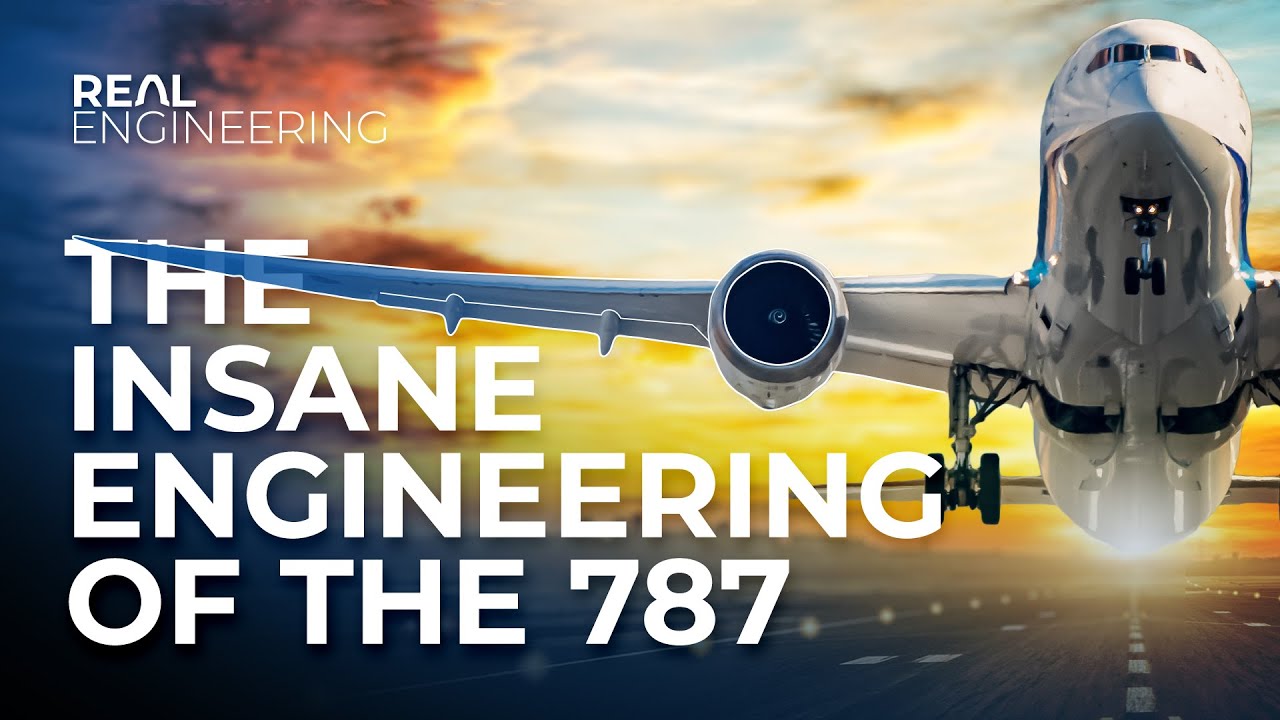
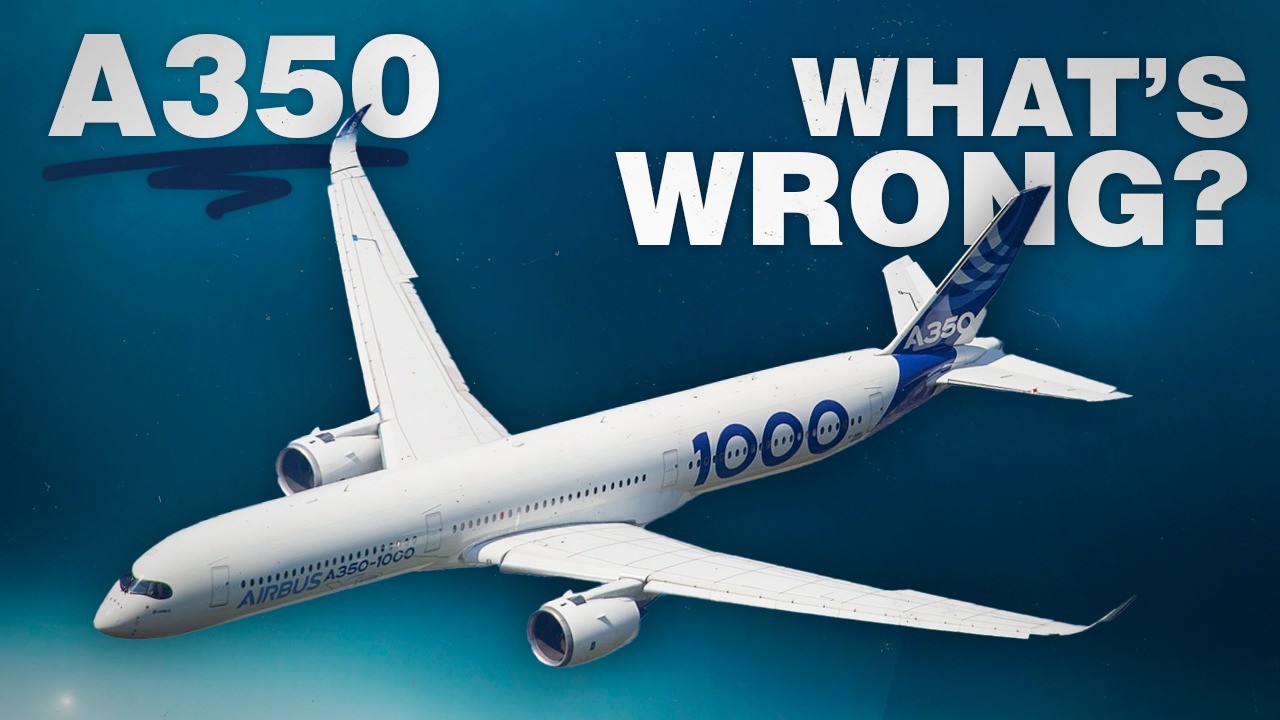
Airbus new plane is creating a storm of excitement and there's a lot of Buzz about it but have you ever wondered what it will be like sure it promises to be exceptional but what makes it stand out that plane of the future could be called the a 352000 a highly anticipated version after watching today's episode you might be wondering why didn't arabus build it sooner so let's answer these questions in today's episode the Boeing 7x was once expected to be a flagship product in the the aviation industry renowned for its Superior fuel efficiency extended range
and large passenger capacity this aircraft was designed to dominate The Long Haul Market becoming the ideal choice for Airlines facing pressure to cut fuel costs and reduce emissions initially slated for release in 2020 the trip 7x was considered a top-notch solution for carriers seeking economic efficiency and environmental friendliness however from a highly ambitious project the program quickly ran into numerous issues problems with the engines structural failures during durability tests and a series of delays have disrupted progress for several years most recently a critical flaw was discovered at the connection point between the engine and the
wing forcing Boeing to Halt all test flight operations of the trip 7x due to safety concerns the issue lies with a crucial component known as the thrust linkage which is responsible for transmitting power from the engine to the aircraft's fuselage during a test test this component broke resulting in a serious failure that could compromise the overall stability of the aircraft during Long Haul operations Boeing is currently racing to fix and redesign this part but this poses a significant challenge that is not easy to overcome even more concerning the redesign process will incur enormous costs and
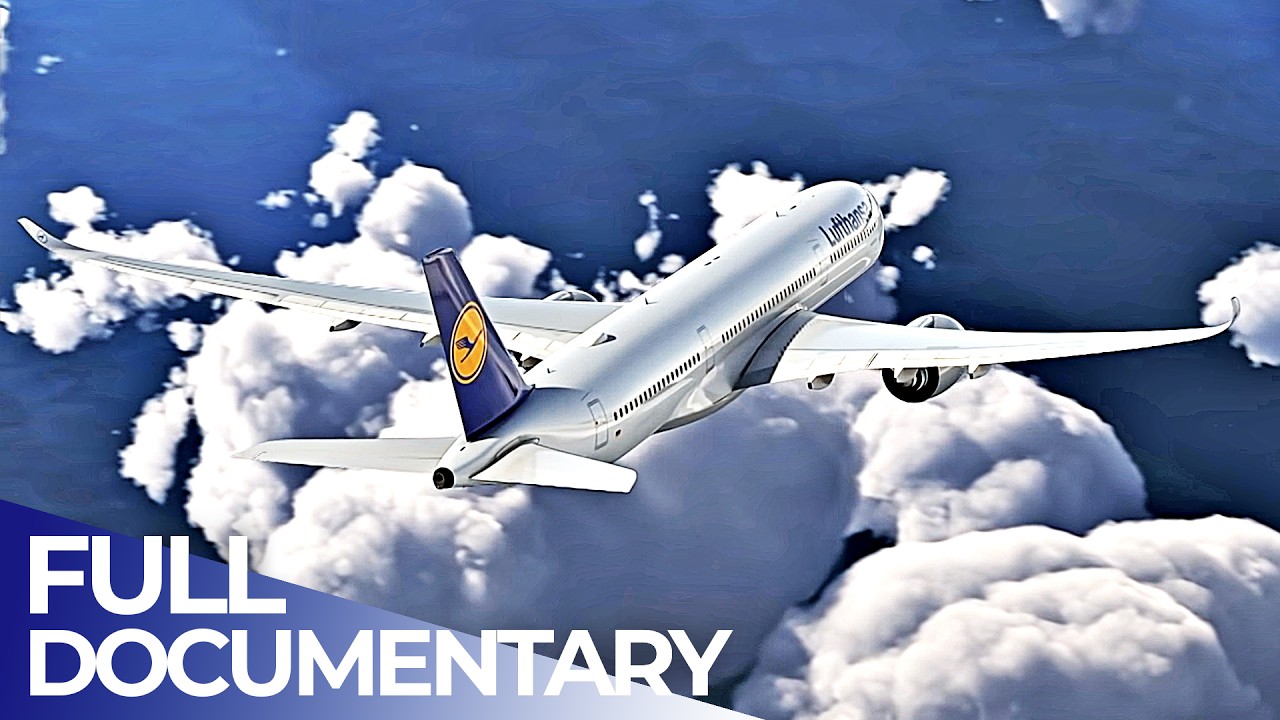
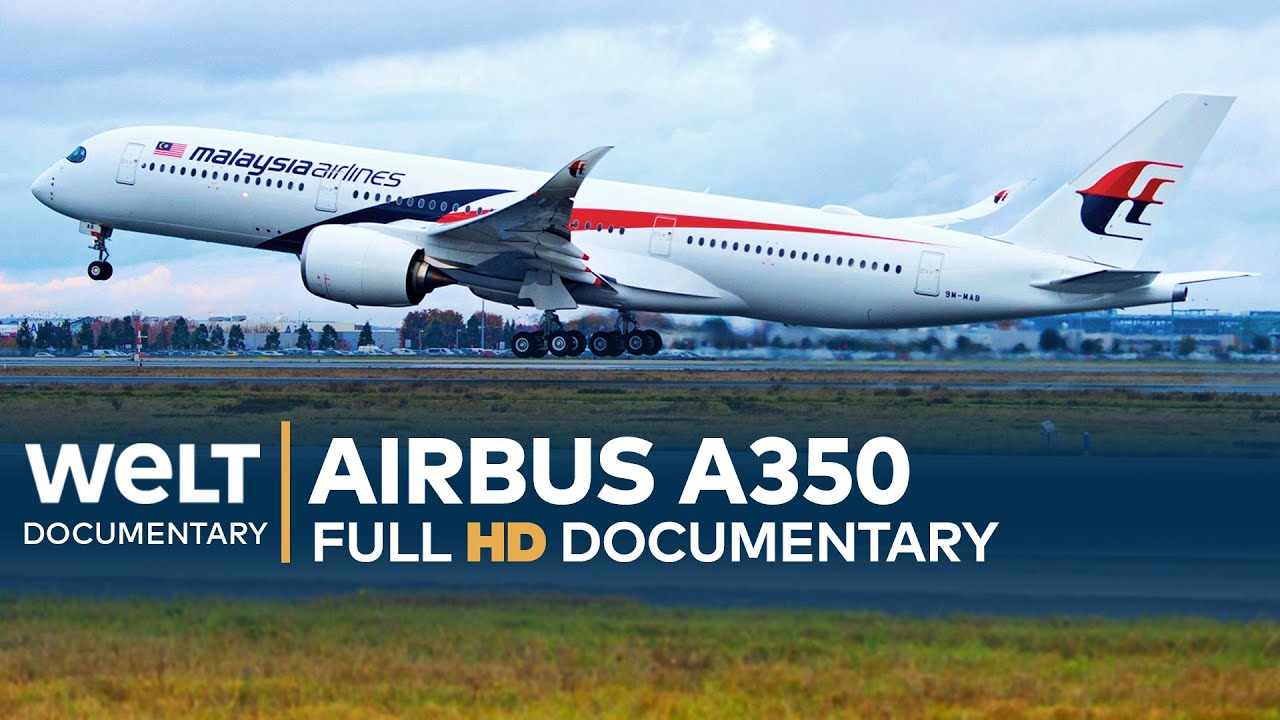
require a considerable amount of time the plan to have the triple 7x operational by 2025 is now looking increasingly fragile while the patience of major customer like Qatar Airways and Emirates is wearing thin for this reason now is the ideal time for Airbus to seize the moment and gain an advantage Boeing's troubles are creating a favorable opportunity for Airbus to roll out its new version the a 352000 a stretched variant of the already successful a 351000 the a350 features a modern design and high fuel efficiency and has proven its reliability through actual operations this makes
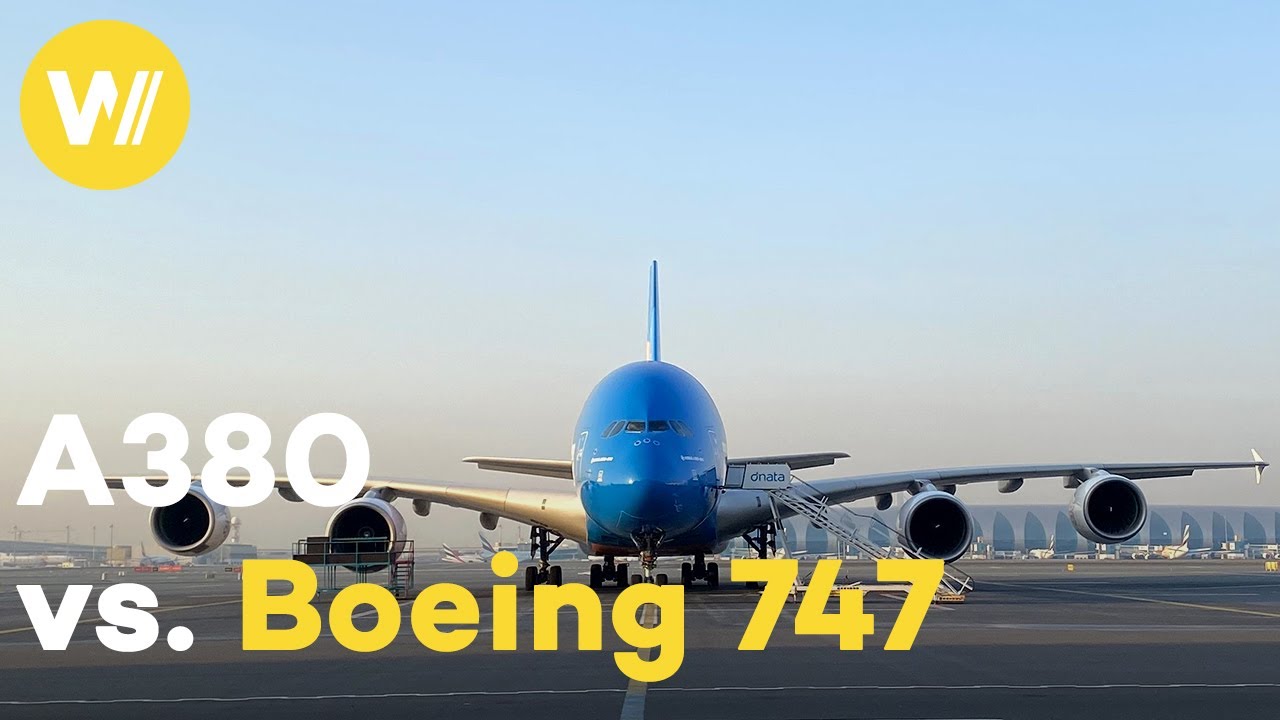
it an attractive option for Airlines seeking an alternative to the trip 7x with the a 352000 Airbus not only creates a direct competitor to the trip 7 x but also avoids the complex technical issues that Boeing is currently facing Boeing has created opportunities for Airbus over and over again do you feel that opportunities are the most important factor in airbus's success in addition Airbus building a widebody aircraft reminds us of an A380 do you think Airbus should bu build this stretch version or go back to continuing to produce the king of the Skies A380 in
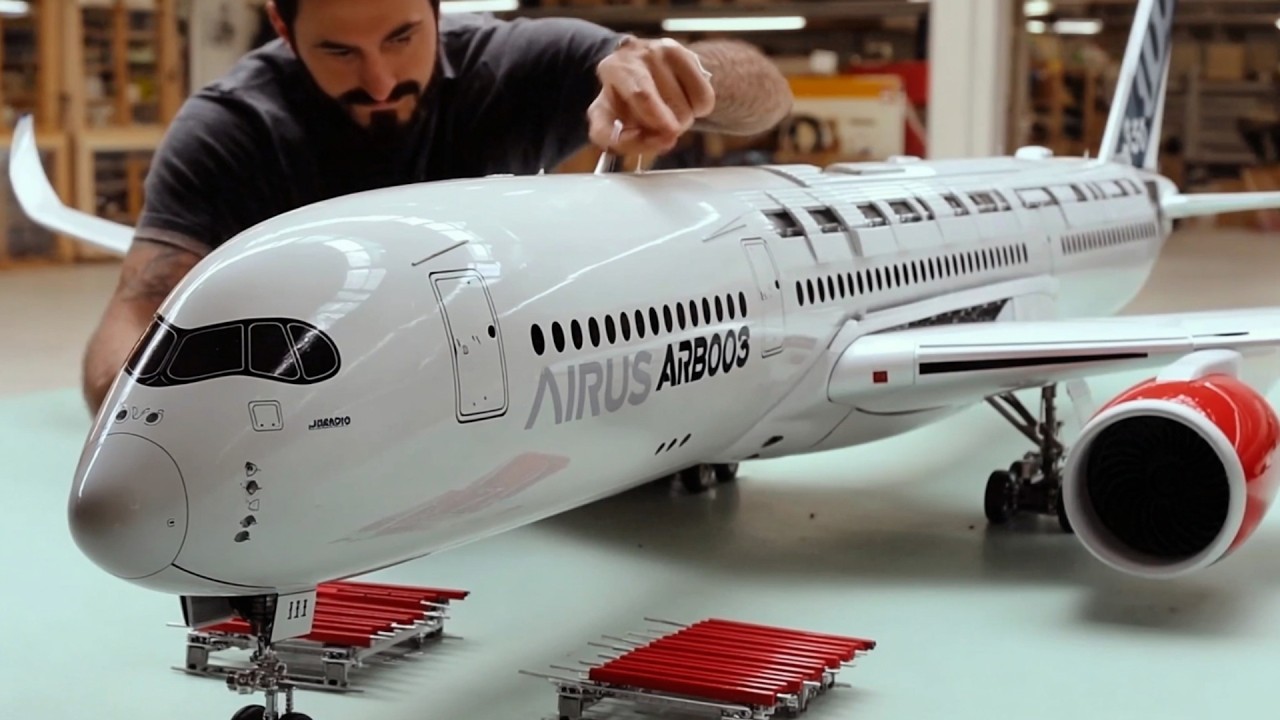
the context of major airlines rushing to bring the A380 back into service if your answer is a350 comment 1 A380 then comment two Airbus can extend the fuselage of the a350 by approximately 4 M thereby increasing the aircraft's capacity by an additional 40 seats in economy class such a move can be viewed as a GameChanger providing Airbus with an advantage in capturing market share from airlines that have grown weary of the issues and delays associated with the 7x what makes the concept of the A 352000 stand out is its Simplicity and approach instead of investing
in and developing an entirely new aircraft from scratch Airbus can fully Leverage The Proven and reliable platform of the a 351,000 a model that has already demonstrated success in operational performance and reliability this represents a significant enhancement for Airlines seeking optimal operational efficiency on Long Haul routes by extending the fuselage length Airbus avoids the time and cost associated with redesigning complex components such as the wings or landing gear these critical elements have already been optimized for Long Haul flights and high capacity operations allowing the company to sidestep the risks and lengthy recertification processes that often
accompany new aircraft development programs if the new aircraft focuses on lengthening the fuselage does it make you feel excited and ready for the experience with this approach Airbus can retain the critical components without undergoing the complex and costly processes associated with redesigning and recertifying intricate systems such as flight controls or Engine Systems this means not only saving on costs and time but also maintaining consistency in performance and safety as the f usage structure of the a 351,000 has been validated through years of commercial operation demonstrating its stability and efficiency so Airbus will be able to
bring the a 352000 version to Market much faster than the time it will take Boeing to address and resolve the ongoing issues with the trip 7x thus effectively seizing the opportunity to gain a competitive Advantage Airbus has also promised on its official website that a new low-emission aircraft will be developed using lightweight durable and sustainably sourced materials such as advanced Composites biofibers and biobased Plastics design options will extend to the overall architecture of the aircraft in the future from the engines and their placement on the fuselage to the wings span and even the folding wing
tips each choice must optimize aerodynamic efficiency therefore we can be confident about the future of a superlative the 2000 variant while Boeing is struggling with issues across its aircraft lineup including the latest 7x Airbus with its proven a350 in terms of operational efficiency and stability can quickly seize the opportunity by introducing the extended version a 352000 in a significantly shorter time frame this would not only provide Airbus with a substantial competitive advantage in the widebody aircraft Market but also offer Airlines an immediate solution to meet their Long Haul route demands at a time when Boeing
is still grappling with unresolved challenges es there are certain advantages for Airbus to undertake this program first and foremost airbus's biggest strength is its existing resources and infrastructure which are already in place to Kickstart the a 352000 project currently Airbus is working on other major projects all progressing according to timelines that would align well with its future development for example the a321 XLR which is now in its final flight testing phase has required extensive technical expertise and a significant workload from its Engineers once this project concludes Airbus will have a team of top experts with
relevant experience ready to focus on this project without facing any resource shortages or development disruptions in addition Airbus is currently working on the a350 freighter variant which demonstrates the company's capability and capacity to manage multiple large-scale projects simultaneously while maintaining high quality a unique aspect of the freighter is that it shares many similar similarities with the passenger version of the a350 this means that any experience gained or technical improvements made during the development of this freighter model can be seamlessly applied to the a 352000 without having to start from scratch this approach enables Airbus to
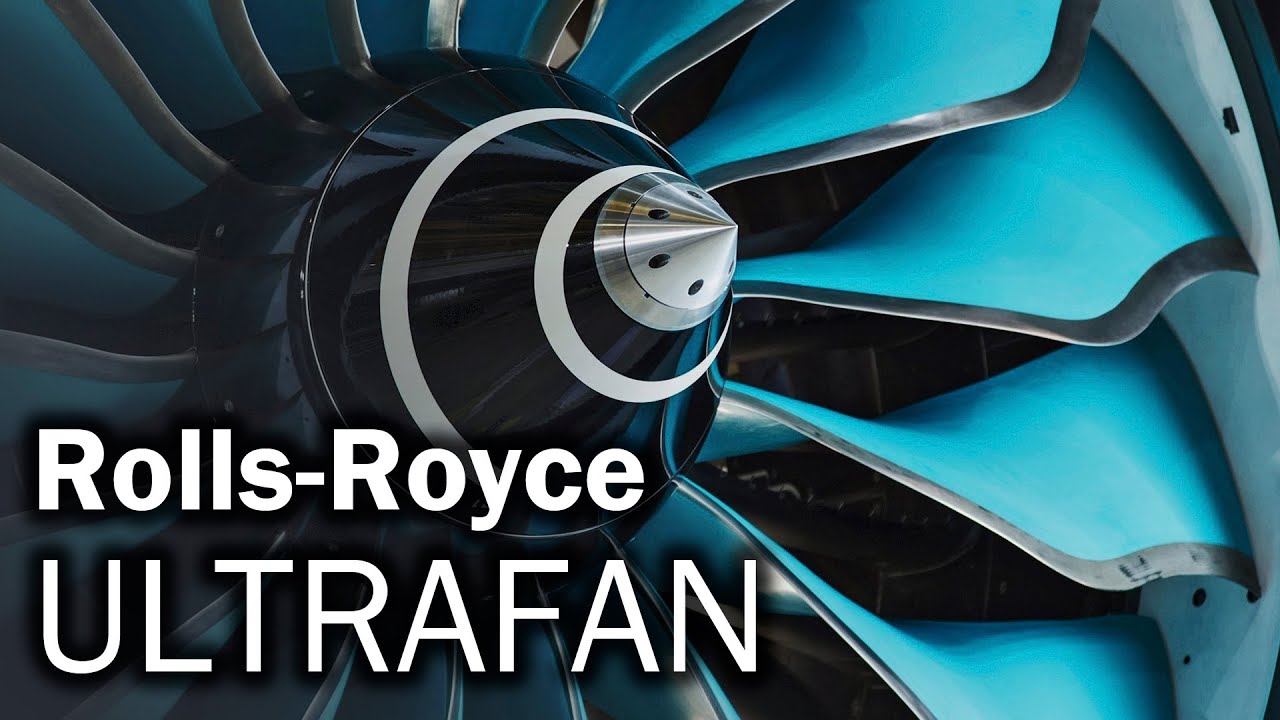
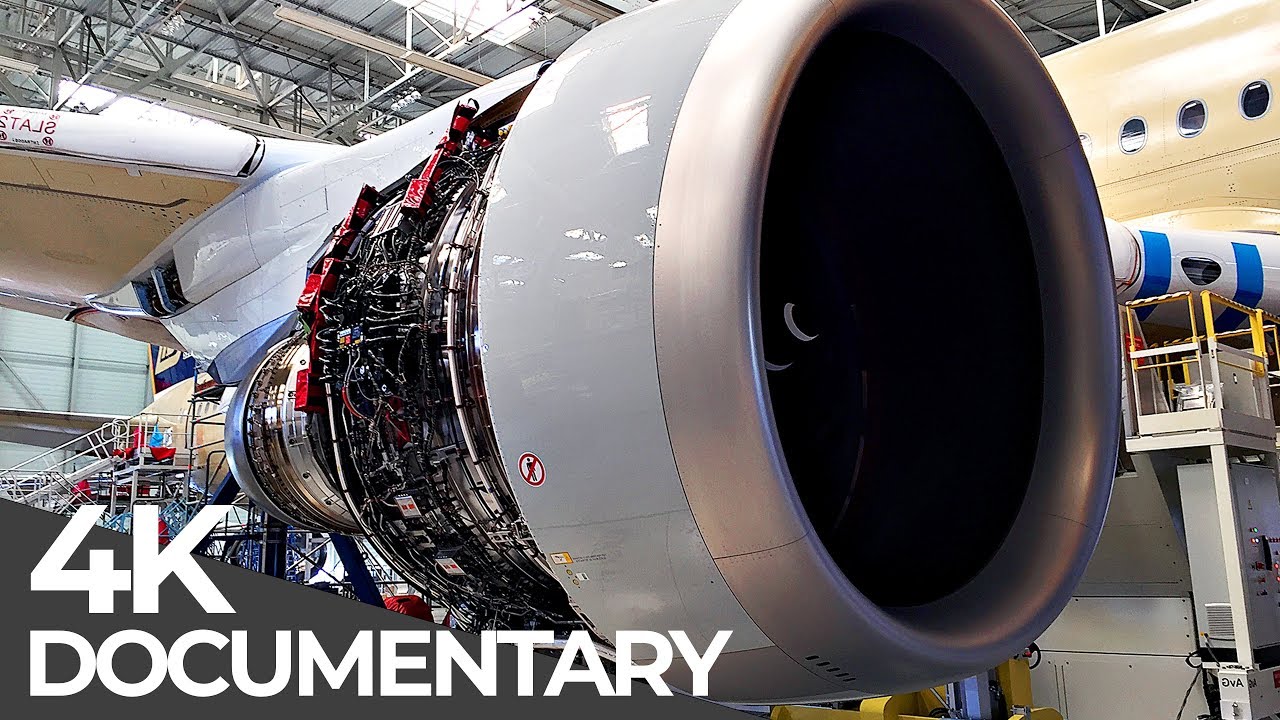
optimize both time and resources When developing a new variant like this aircraft of course every big decision comes with difficulties the biggest obstacle Airbus faces When developing the a352 2000 is primarily related to its engine currently this aircraft is powered by rolls-royce's Trent xwb engines which are highly efficient but feature a relatively smaller fan size compared to Boeing's ge9x engines while this is not an issue for the 1000 variant it could become a limitation for the larger a 352000 variant however Rolls-Royce is actively researching upgrades to the xwb platform by incorporating Technologies from its ultrafan
program these advancements could potentially enhance the engine's thrust making the new aircraft not only feasible but also a highly competitive option in the market even without the ideal engine Airbus still holds an advantage due to the lightweight composite structure of the a350 the a350 platform has shown significantly better performance compared to the tri 7 x estimates suggest that the a 352000 could potentially lower operating cost by up to 10% and reduce per re seat cost by 5% compared to the tri 7x a critical factor for Airlines striving to C cut expenses in the post pandemic
era thus the rationale for developing it is quite clear Airbus could face relatively low development costs and the aircraft would enter the market just as Boeing continues to struggle with the tri 7 X's ongoing issues this could indeed be the golden opportunity Airbus has been waiting for so what's holding Airbus back the company might be waiting for feedback from airlin regarding recent enhancements in the a 351000 cabin particularly the switch to a 10ab breast seating configuration while the 1000 model can accommodate a passenger load comparable to the tri 7x if the market indicates a demand
for an even larger aircraft Airbus might be ready to Greenlight the a 352000 project if this happens Airbus has the potential to become a savior for Airlines frustrated by The Continuous delays of the trip 7x and to offer a more reliable and efficient aircraft this would be a smart move strengthening airbus's leadership position in the widebody Long Haul aircraft market so should Airbus proceed with the development of the a 352000 or would that be too risky a decision share your thoughts in the comments below many years have passed since Airbus unveiled its latest Marvel the
a321 XLR a game-changing aircraft renowned for its remarkable range Airbus consistently captivates the a Aviation Community with its innovative designs and the latest release that is being planned is no different the aviation world is a buzz with anticipation focused on this revolutionary aircraft concept so what makes this aircraft so captivating how does it compare to its predecessors since its debut in the market Airbus has continuously led the way in Innovation creating diverse aircraft to meet every market demand from Regional Jets like the a220 to colossal masterpieces like the A380 however air continues Beyond these achievements
this European manufacturer has just announced plans to develop an entirely new generation of aircraft aiming to surpass current limits on fuel efficiency and Environmental Protection so how did Airbus begin implementing this program Airbus initiated discussions with Rolls-Royce to develop the next generation of narrowbody aircraft promising to redefine the standards of sustainability and operational efficiency in the aviation industry at the 2024 FBO air show Airbus unveiled its vision for the future it revealed a close collaboration with Rolls-Royce to create a more compact version of the ultrafan engine in preparation for the next generation of narrow body
Jets ton Enron BC the CEO of Rolls-Royce said this collaboration was a significant step towards what he calls the future of narrow body aircraft engines he stated that this new engine technology with breakthroughs in fuel efficiency and reduced emissions will play a key role in the next generation of aircraft craft this announcement quickly captured the attention of Industry experts who are eagerly awaiting how Airbus will apply these Advanced Technologies to create an aircraft capable of operating entirely on sustainable Aviation fuels at saaf an important move in the aviation industry's efforts to reduce carbon emissions Airbus
is not limited to gradually upgrading its existing Fleet it is also making significant investments in a revolutionary technology that has the potential to completely transform the aviation industry hydrogen propulsion with its ambitious program named Zero Airbus aims to Pioneer a new era of green Aviation by introducing commercial aircraft powered by hydrogen significantly reducing carbon emissions and promoting the decarbonization of the entire industry wait I have a question for you are you concerned about aircraft emissions when flying please leave your thoughts in the comments as part of its hydrogen initiative Airbus has unveiled four groundbreaking aircraft
protot ypes each showcasing different designs and Technologies to optimize hydrogen usage the first prototype is a hydrogen powered turbofan engine resembling a traditional jet aircraft but operating on hydrogen combustion technology this design is particularly suited for Long Haul flights providing the range and speed that Airlines expect from conventional aircraft while ensuring zero emissions the second prototype is a turboprop variant that employs hydrogen combustion technology in a more compact an efficient engine configuration making it ideal for shorter Regional routes where lower speed and range are acceptable trade-offs for enhanced sustainability among the four prototypes introduced by
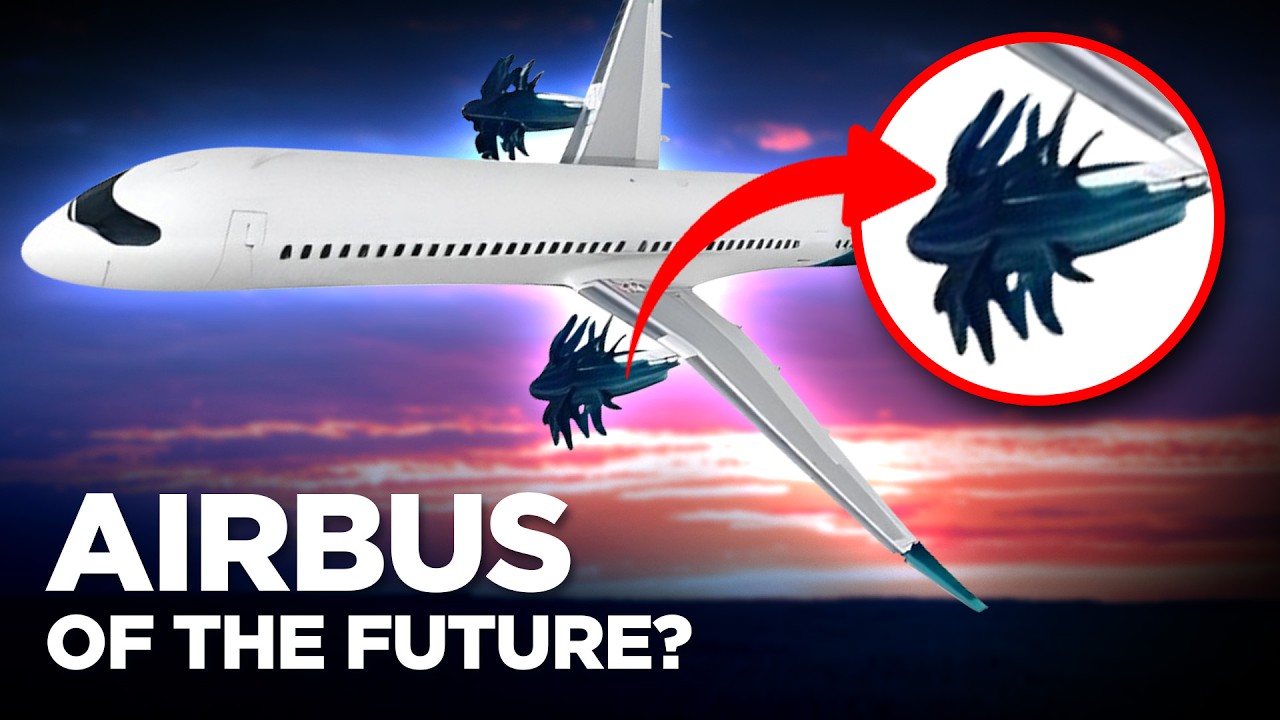
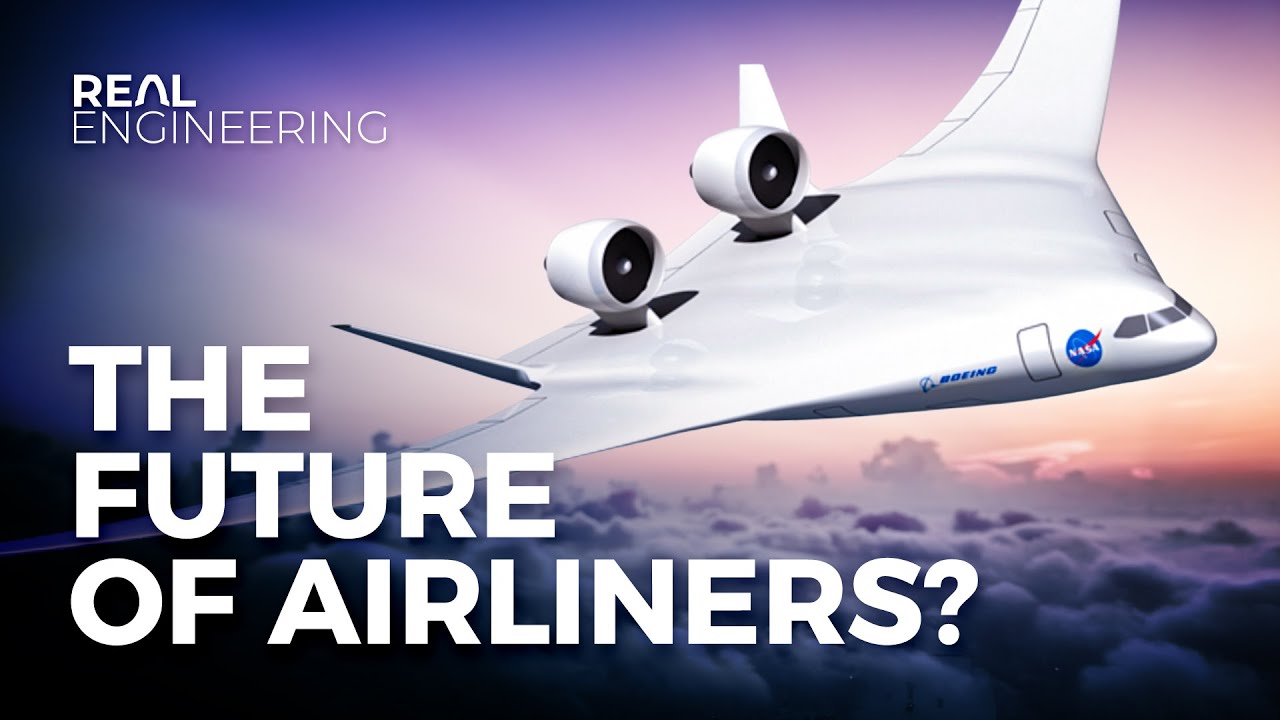
Airbus the Blended Wing body BWB design is perhaps the most impressive this aircraft combines the wings and fuselage into a seamless aerodynamic shape significantly enhancing fuel efficiency compared to traditional designs with the BWB structure air resistance is minimized allowing the aircraft to have additional interior space to safely and efficiently store hydrogen fuel tanks this design not only provides benefits in flight performance but also demonstrates airbus's innovation in aircraft engineering as it is willing to explore and optimize every aspect to align with hydrogen propulsion technology the Blended Wing body design not only enhances the efficiency of
hydrogen fuel storage and distribution within the aircraft structure but also addresses one of the biggest challenges in designing hydrogen powered aircraft how to safely and efficiently store such a highly flammable fuel finally Airbus has introduced a completely electric aircraft model that uses hydrogen fuel cells to generate power this aircraft is designed as a test bed for hybrid electric Engine Systems where hydrogen fuel cells produce electricity to power electric motors although this prototype is still in the experimental stage and is suitable only for short flights it represents a signif ific advancement in the effort towards an
emissions-free aviation industry the main goal of the zero program is to develop and launch the world's first commercial hydrogen powered aircraft by 2035 a timeline that is both ambitious and Urgent to achieve this goal Airbus is working tirelessly to tackle the technical challenges associated with hydrogen propulsion these challenges include safely storing and transporting liquid hydrogen at extremely low temperatures as well as building the necessary infrastructure to support hydrogen refueling however Airbus understands that bringing hydrogen powered aircraft to the market is not simply about perfecting the technology but also about building a comprehensive ecosystem to sustain
hydrogen as a viable energy source for the aviation industry this relates to establishing a global supply chain for the production distribution and storage of hydrogen as well as collaborating with airports energy companies and government agencies to develop the necessary infrastructure ructure for hydrogen refueling additionally Airbus has cooperated with the top hydrogen producers and invested in research facilities to explore improvements in hydrogen storage and transportation they have also established dedicated Development Centers across Europe including in France the UK Germany and Spain with each Center focusing on different aspects of hydrogen technology such as fuel cell development
and cryogenic tank design so what is the significance of this program airbus's zero program is not only only a new aircraft concept but marks a comprehensive shift in how the aviation industry approaches sustainability Airbus envisions a future where hydrogen powered aircraft operate alongside traditional fuel-based planes creating a hybrid Fleet that gradually reduces the industry's carbon footprint to advance this goal the company is appealing for Global regulatory support and policy Frameworks that promote the use of green hydrogen and ensure its availability at competitive prices the modified A380 test aircraft named msn1 is being used to trial
and refine these new technologies Airbus is exploring both hydrogen combustion technology and hybrid hydrogen fuel cell systems offering two potential Pathways to revolutionize aircraft propulsion when combined with a hybrid electric propulsion system this aircraft has the potential to set a new standard for efficiency and sustainability in the aviation industry furthermore Airbus is rethinking the materials used in aircraft manuf ufacturing the company is researching new lighter and stronger materials that can meet the unique demands of hydrogen propulsion while minimizing environmental impact these future materials will be multi-functional integrating various capabilities such as heat resistance and electrical
conductivity directly into the structure the focus on sustainability extends beyond the aircraft itself encompassing the entire production process and end of life handling to ensure that Airbus planes leave a smaller environmental footprint throughout their life cycle with these advancements Airbus is preparing for the next era of environmentally friendly Aviation Airbus clearly isn't afraid to push boundaries whether through hydrogen propulsion hybrid electric systems or new aircraft designs like the Blended Wing body if successful these Innovations could forever change the way we think about flying hydrogen powered Aviation while promising for reducing carbon emissions introduces other environmental
considerations one of the key byproducts of hydrogen combustion is water vapor which in certain atmospheric conditions can contribute to global warming specifically when water vapor is released at high altitudes as it would be with aircraft it can form contrails and cirrus clouds which can trap heat in the Earth's atmosphere potentially contributing to the greenhouse effect this is a growing area of study as the long-term impact of water vapor on climate is complex and depends on factors like altitude temperature and humidity to reach a zero carbon foot achieving this goal is more complicated when considering the
full life cycle of aircraft while hydrogen fuel itself produces no carbon dioxide during combustion the broader carbon footprint of hydrogen Aviation depends on how the hydrogen is produced for instance whether it's derived from renewable sources known as green hydrogen or from fossil fuels like blue or gray hydrogen additionally the manufacturing process of aircraft involves significant energy consumption often derived from carbon emitting sources this includes mining raw materials manufacturing components assembling aircraft and creating the hydrogen infrastructure such as production plants and fueling systems finally Waste Management during the production and endof life disposal of aircraft can
generate emissions and environmental impact even sustainable materials require energy intensive processes for production recycling or disposal therefore while hydrogen powered Aviation May significantly reduce inflight carbon emissions achieving a truly zero carbon footprint requires holistic changes across the entire supply chain manufacturing process and energy infrastructure in summary while hydrogen has the potential to decarbonize aviation in terms of operational emissions achieving a zeroc carbon footprint would necessitate addressing the environmental impacts of water vapor emissions the energy sources for hydrogen production and the full life cycle of the aircraft from manufacturing to disposal what's your take could hydrogen
truly be the future of Aviation or will traditional jet fuel Remain the dominant Force share your thoughts in the comments below if you enjoyed this video and want to stay up to date with the latest Aviation news and Trends don't forget to subscribe hit the like button and share it with fellow Aviation enthusiasts thanks for watching and I hope you always have safe flights