did you know that bubble gum is banned in Singapore while that's an interesting fact the whole process of bubble gum manufacturing is an interesting procedure in itself let's discuss it from start to finish in today's video here's how bubble gum is made whole process of manufacture the interaction of the softener in the masticatory base is determined by the parameters of solubility molecular weight and chemical structure the resin forms the hydrophobic portion of the masticatory base which is responsible for its chewing power although the exact ingredients and proportions used in each Brand's gum base are a
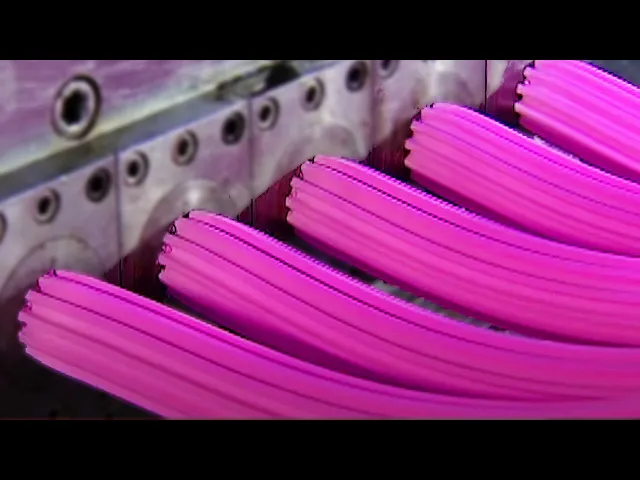
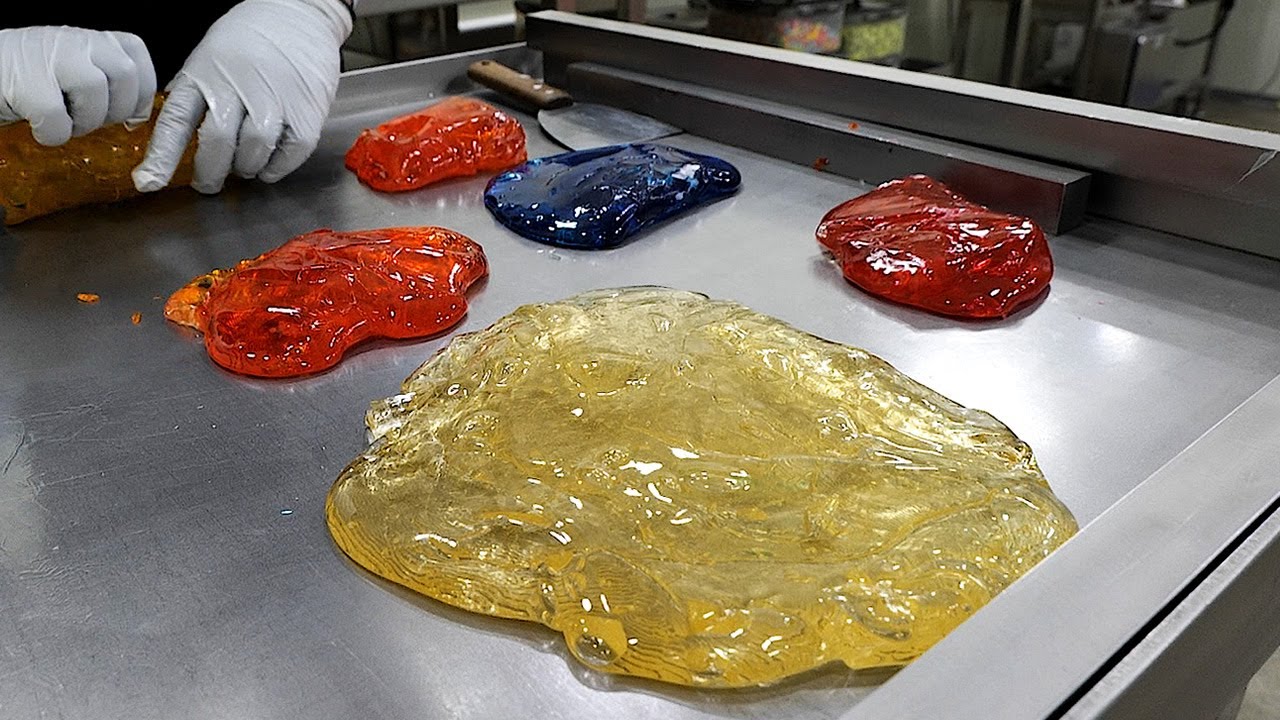
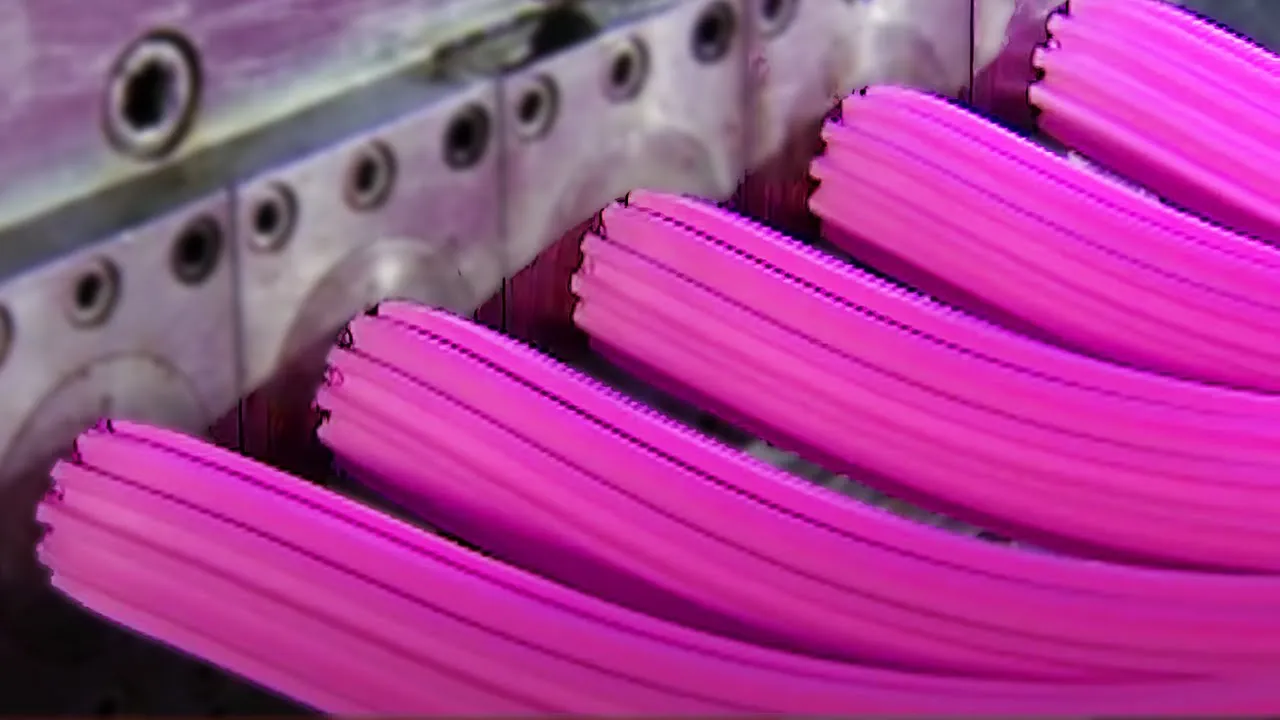
trade secret in the gum industry first the gum base is prepared through the process of melting and crushing or filtering the basic formula for gum is private information that is known to several people at every gum company other ingredients such as food and non-food sweeteners and flavorings are then added to the gum base until the warm mixture thickens like dough the gum based mixture is heated during this mixing process to increase the entropy of the polymer to achieve a more even dispersion of the ingredients Extrusion technology is then applied to flatten shape and shape because
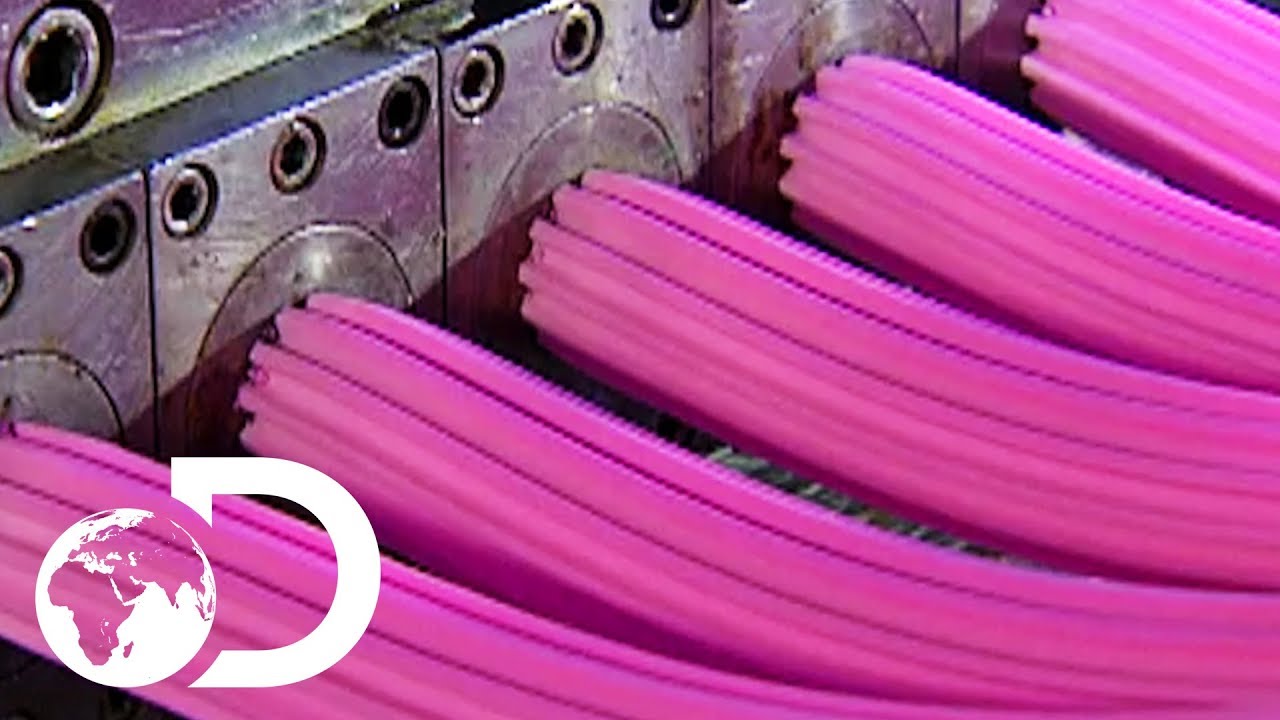
gums the gum then goes through a shaping process which is determined by the type of gum and consumer demand cut and wrap pieces are cut directly from the extruder with a vertical cutter for example the gum is then either conditioned by dusting with powdered polyoles or coated by applying subsequent coating layers using temperature controlled coating tanks the four being sent to Packaging chewing gum can be offered in a variety of formats from 1.4 to 6.9 grams per piece and the products can be differentiated according to Consumers desire for fizzy or sugar or no sugar dichotomies
forms of bubble gum chewing gum usually comes in three forms tablets coated pellets and sticks chewing gum also usually comes in three forms tablets hollow balls and cubes or pieces sticks slabs and gums usually come in packs of 5 to 17 or more sticks and their moderate size allows for a smoother texture pellet gums or draggy gums are pillow shaped pieces that are almost always padded chewing gum packaging can be varying from box to bottle to blister packs the coating of gum pellets allows for a variety of taste experiences because the coating is done in
a layered process and different flavor attributes can be added to the different coatings Cube shaped or chunky gum usually intended for blowing bubbles is called cut and wrapped gum because it's usually separated from the strand of gum being extruded and wrapped directly chewing gum is quite stable in storage due to its unreactive nature and low moisture content the water activity of the gum range from 0.40 to 0.65 the moisture content of the gum varies between three and six percent gum retains its quality for so long that the laws of most countries don't require an expiration
date if the gum is left in a stable environment it may become brittle or lose some of its flavor over time but it can never be harmful to eat the polymers that make up the main component of the basic chewing gum agent are hydrophobic the property is very important because it allows the physical properties to be maintained during the chewing process because the gum's polymer repels water a water-based saliva system in the user's mouth dissolves the sugars and flavors in the gum but does not dissolve the gum itself this allows the gum to be chewed
for a long time without breaking down in the mouth like introduce national foods chewing gum can be classified as a product containing a liquid phase and a crystalline phase which gives the gum a balance of plastic and elastic characteristics while hydrophobic polymers will repel water and contribute to chewing they also attract oil unfavorably gums tackiness is a result of this hydrophobicity because gum can bind and stick when it comes into contact with oily surfaces such as pavement skin hair or shoe soles even worse pulling off the gum is a challenge because the long polymers at
the base of the gum stretch rather than break precautions the stickiness of chewing gum can cause problems during processing if the gum sticks to the machine or packaging materials during processing and impedes product flow apart from ensuring that the machine is free of oily residue this problem can be solved towards the end of the process by conditioning and gluing by adding powders or Coatings to the exterior of gum products the hydrophobic gum base bonds to the additives rather than any surface it may come in contact with the gum bubbles are spherical because the pressure of
the Focus air directed to the bolus acts evenly on all the inner surfaces of the curd of gum and pushes outward evenly on all surfaces as the polymer expands as the bladder expands the rubber base polymer stretches and the surface of the bladder begins to thin if the force of the air blown into the bubble exceeds the force that the polymer can withstand the polymer is stretched too much and the bubble will burst thanks to the elastic nature of the gum the bubbles that are released are pulled back and the gum pack can be continuously
chewed higher molecular weight gum bases are generally used in gum design to meet blistering expectations higher molecular weight gum bases consist of longer polymers that can stretch further and thus form larger bubbles that hold their shape longer the release of flavors is prolonged during the chewing process due to the temporary release of various flavor components due to the physiochemical properties of many gum ingredients because some of the gum components are more soluble in saliva than the gum base and because the flavor components tend to increase in entropy over the time by partitioning into the less
regulated oral system than the more regulated gumbola system flavor delivery is obtained during the first three to four minutes of chewing bulking agents such as sugar or sorbitol and malatol have the highest solubility and are therefore chewed first when these components dissolve then use your saliva and slide down the esophagus they are no longer stuck at the base of the gums or felt by the chewer phases of chewing during the next chewing phase anywhere from four to six minutes the strong sweetener and some acids are dissolved and chewed the component lasts a little long longer
than filler because it has a slightly lower solubility the packaged flavors are then released 10 to 15 minutes after chewing or 30 to 45 minutes later encapsulated flavors last longer on the gum base because the encapsulated molecules are easier to retain in the gum Matrix finally during the final stage of chewing softeners such as corn syrup and glycerin and other texturizing modifiers are dissolved resulting in the tightening of the gum and the final two benefits a review of the cognitive benefits of chewing gum by anipur at all found strong evidence of improvements in the following
cognitive domains working memory episodic memory and perceptual speed however improvements were only seen when chewing was done before cognitive tests however the exact mechanism by which chewing gum improves cognitive function is not well understood the researchers also found that the arousal of chewing can be masked by the distracting nature of chewing itself which they call the dual process Theory which in turn may explain some of the conflicting results from previous studies click on one of the two videos on your screen right now we'll catch you guys in the next one