ever pondered how a thermostat maintains a room's temperature or how a self-driving car adapts to ever changing traffic conditions these everyday Marvels owe their existence to one mathematical discipline control theory control theory has a fascinating history having evolved from simple feedback mechanisms to sophisticated learning based Control Systems the Journey Begins in the early 20th century where the invention of feedback control marked a significant turning point it was an ERA where where Engineers began to understand the importance of using the system's output to adjust Its Behavior this concept seemingly simple yet profound laid the foundation for
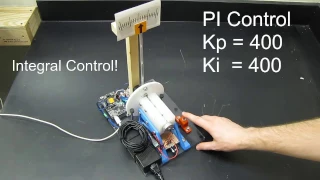
the development of control theory fast forward to the period following World War II and we see the rise of classical control theory this era focused on deterministic models and mathematical equations to regulate systems during this time principles such as PID controllers proportional integral and derivative were established which continue to govern many industrial applications today with the Advent of computers in the mid 20th century control theory took a modern turn the focus shifted to State space models utilizing digital technology to analyze and design Control Systems more effectively this era marked a significant transition point where the
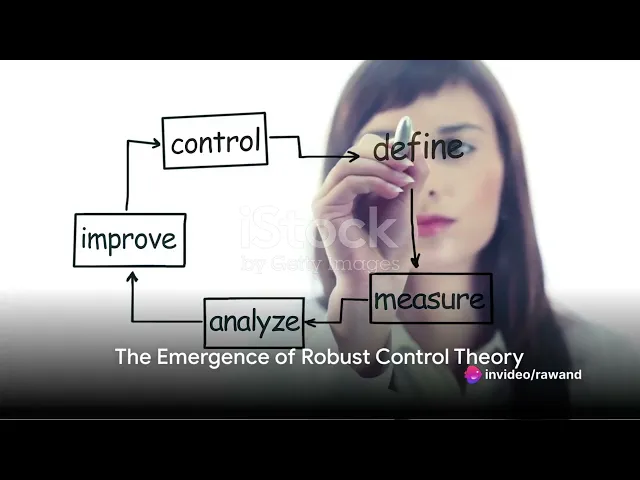
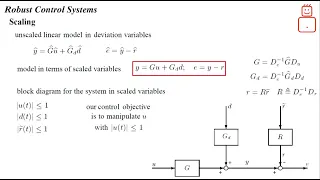
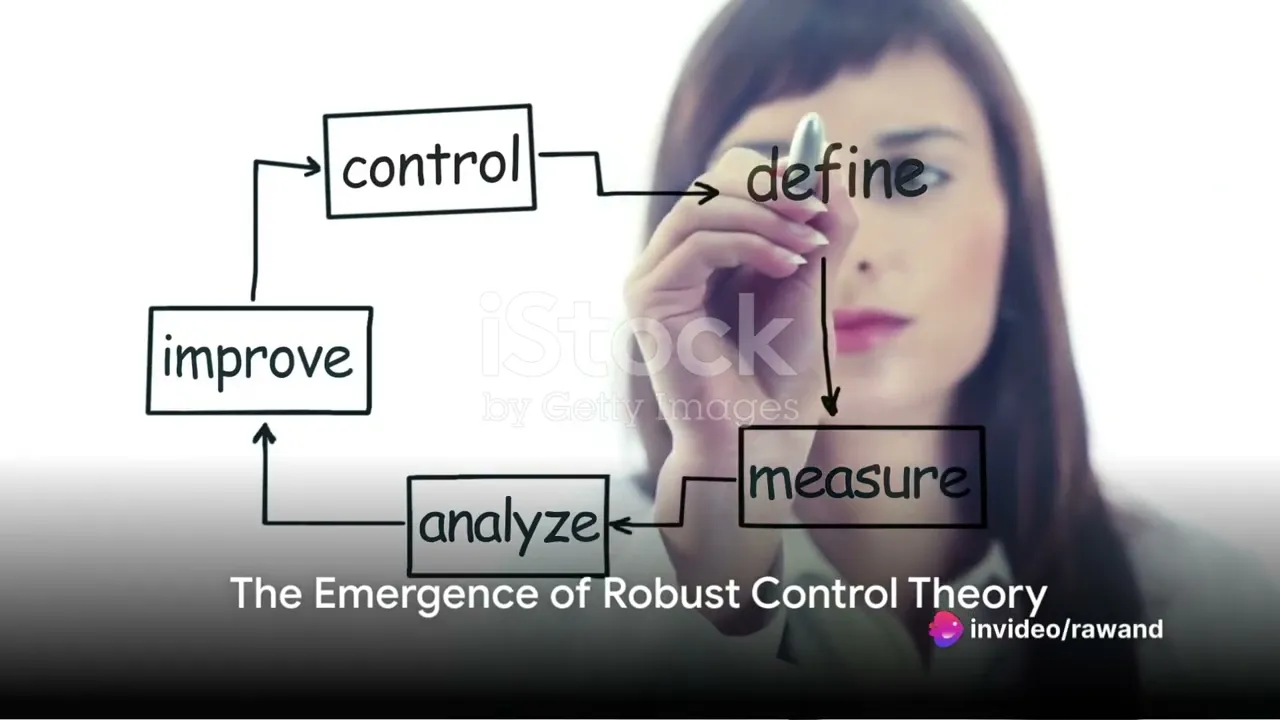
lines between engineering and computer science began to blur by the early '70s control theory underwent another transformation shifting its focus from optimality to robustness robust control theory aimed at creating systems that function well despite variations and uncertainties a concept that continues to shape our understanding of resilient systems as the 20th century neared its end adaptive control theory emerged this field focused on developing systems capable of adjusting their parameters dynamically to suit changing environments this enabled machines to adapt autonomously a concept that resonates with the the current age of artificial intelligence and machine learning in the
New Millennium model-free control approaches began to surface these methods bypass the need for explicit system models instead opting for datadriven techniques like reinforcement learning and neural networks it's a bold idea that challenges the conventional understanding of control systems today we witness the dawn of learning based control this approach integrates machine learning techniques to either create models or directly Control Systems it's particularly beneficial for systems with complex Dynamics offering a new level of sophistication and adaptability to summarize control theory has come a long way starting from simple feedback mechanisms to the complex learning based control systems
of today its Evolution has been marked by significant shifts each phase introducing New Concepts and techniques that have transformed the landscape of engineering and Mathematics regardless of its future control theory will continue to play a crucial role in shaping the world around us from the smallest gadgets to the grandest of infrastructures