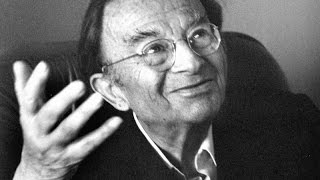
Eric FRS the heart of man is a profound exploration of the human psyche delving deep into the complexities of our nature and the eternal struggle between good and evil that resides within each of us imagine standing at a Crossroads One path bathed in warm sunlight the other shrouded in ominous Shadows this book serves as a compass guiding us through the Labyrinth of our own hearts and Minds from a renowned psychoanalyst and social philosopher takes us on a journey to understand the forces that shape our choices our relationships and ultimately our very existence as you listen
to this summary picture yourself looking into a mirror not just at your physical reflection but peering into the depths of your soul what do you see what drives your actions are you moved by love and a passion for life or do you sometimes feel the pull of Darker impulses these are the questions from challenges us to confront offering insights that are as relevant today as they were when the book was first published through his Keen observations and thought-provoking Analysis from invites us to examine our own Hearts our relationships with others and our place in society
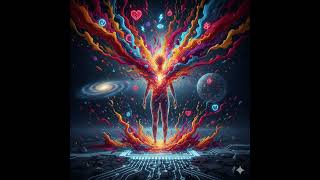
so let's embark on this journey of self-discovery and societal reflection as we unravel the intricate Tas tapestry of human nature woven by Eric from in the heart of man at the core of fr's exploration lies the concept of The Duality of human nature a fascinating interplay between what he terms biophilia the love of life and necrophilia the love of death imagine two forces within you constantly vying for dominance on one side there's the vibrant life affirming energy that makes you want to create nurture and grow it's the force that compels you to plant a garden
write a story or Comfort a friend in need this is biophilia a passionate embrace of all that is alive and vital now picture its opposite a dark destructive energy that seeks to control Dominate and ultimately destroy this is necrofilia not in the literal sense but is a metaphor for the attraction to all that is mechanical lifeless and rigidly ordered it's the part of us that might find satisfaction in Mindless routines excessive materialism or even the desire to manipulate and control others from argues that these opposing Tendencies exist in all of us to varying degrees think
about your daily life when you choose to spend time in nature engage in meaningful conversations or pursue a creative passion you're nurturing your biophilic Tendencies on the other hand when you find yourself mindlessly scrolling through social media treating people as objects to be used or becoming overly attached to possessions you might be indulging in necrophilic behaviors the key from suggests is awareness by recognizing these Tendencies within ourselves we can consciously choose to cultivate biophilia it's like tending to an internal Garden nurturing the flowers of creativity compassion and connection while gently but firmly uprooting the weeds
of destructiveness and apathy this isn't always easy in our modern world with its emphasis on consumption and instant gratification the pull towards necrophilic Tendencies can be strong but from reminds us that the choice is always ours every day in countless small ways we have the opportunity to choose life growth and love over stagnation destruction and indifference delving deeper into the darker aspects of human nature from M explores the nature of evil analyzing destructiveness cruelty and sadism as manifestations of evil in human behavior it's a chilling but necessary examination akin to shining a light into the
darkest corners of our psyche from IEM argues that evil isn't some external Force but a potential within each of us born from unresolved internal conflicts and a failure to fully develop our human capacities consider the small acts of Cruelty we might witness or even commit in daily life the sharp word to a loved one the deliberate exclusion of a colleague the pleasure derived from someone else's Misfortune these from suggests are not isolated incidents but symptoms of a deeper malaise he posits that destructiveness often stems from unlived life from potential that has been stifled or denied
imagine a person who has never been allowed to express their true self whose dreams and aspirations have been consistently thwarted over time this suppression can turn inward festering into resentment and eventually manifesting as destructive Behavior towards others or oneself sadism in froms view is an attempt to achieve a sense of power and control in a world where one feels powerless it's the playground bully grownup still trying to assert dominance through the suffering of others but this pseudo strength is ultimately Hollow a poor substitute for genuine personal growth and authentic relationships from jalum challenges us to
confront these Tendencies not with judgment but with understanding and compassion by recognizing the roots of evil Behavior we can work towards healing both individually and collectively it's a call to create societies that nurture human potential rather than stifle it that provide avenues for Meaningful engagement rather than alienation shifting our Focus to another crucial aspect of human Psychology from delves into the concept of narcissism and its profound impact on personal relationships and Society at large imagine narcissism as a distorting mirror one that reflects an inflated idealized image of oneself while blurring or erasing the existence of
others in today's world of social media and personal branding this concept feels more relevant than ever from gilm distin ises between healthy self-love and pathological narcissism the former is essential for well-being and growth while the latter becomes a prison of self-absorption picture someone you know who seems incapable of seeing beyond their own needs and desires they might dominate conversations dismiss others opinions or react with rage to perceive slights this is narcissism in Action a defense mechanism against deep-seated feeling of inadequacy and emptiness but FR takes this analysis further exploring how narcissism extends Beyond individuals to
groups and even entire societies consider how national pride can sometimes cross the line into dangerous nationalism or how Corporate cultures can foster a collective narcissism that blinds them to ethical concerns or long-term consequences the impact on relationships is profound a narcissistic individual struggles to form genuine connections always viewing others through the lens of how they can serve or reflect back their own grandiosity it's like trying to have a meaningful conversation with someone who's constantly checking their reflection in a mirror true engagement becomes impossible from Mama argues that overcoming narcissism is crucial for both personal growth
and societal Health it requires developing genuine empathy y the ability to see and value others as separate beings with their own valid experiences and perspectives in practice this might mean actively listening to others without immediately relating it back to yourself or challenging your own assumptions and biases next from fim introduces us to the Intriguing concept of incestuous symbiosis and its effects on individual growth and social dynamics don't let the term ter mislead you from Alim isn't talking about literal incest but rather a psychological state of unhealthy attachment and dependency imagine a tree whose Roots have
grown so entwined with another that neither can truly flourish independently this concept often manifests in family relationships particularly between parents and children picture a mother who can't let go of her adult son constantly interfering in his life decisions or father who lives vicariously through his daughter's achievements unable to see her as a separate individual these are examples of incestuous symbiosis at play but from extends this idea Beyond family units to larger social structures consider how some political leaders Foster a sense of dependency in their followers positioning themselves as the sole source of security and Identity
or how certain religious or ideological groups create an US versus them mentality that binds members together in a symbiotic relationship discouraging independent thought or external connections the effects of this symbiosis are far-reaching on an individual level it stunts emotional and psychological growth leaving people ill equipped to face life's challenges or form healthy relationships outside the symbiotic Bond on a societal level it can lead to tribalism xenop phobia and a resistance to change or new ideas Breaking Free from incestuous symbiosis is a crucial step in personal development and social progress it requires the courage to step
out of comfort zones to question ingrained beliefs and to forge an identity independent of symbiotic relationships this process can be painful and disorienting like a bird leaving the nest for the first time but it's essential for true growth and the the formation of genuine mutually enriching connections with others in exploring The Human Condition from places significant emphasis on the role of freedom and Independence in human development and well-being picture Freedom not just as the absence of external constraints but as an internal state of being the capacity to think feel and act authentically it's like having
a compass that always points to your true north regard of external pressures or expectations from argues that the journey towards genuine freedom is both exhilarating and terrifying it's akin to standing on the edge of a cliff the view is breathtaking but the drop is daunting many people faced with this existential Freedom Retreat into the safety of Conformity letting others or Society at large make their decisions for them think about how often you've gone along with something simply because it was expected rather than because it aligned with your true desires or values but true independence from
m contends is essential for human flourishing it's about developing the courage to listen to your inner voice to make choices based on your own judgments and values even when they go against the grain this doesn't mean isolating oneself from others or rejecting all societal norms rather it's about finding a balance between connection and individuation consider how this plays out in various aspects of life in relationships it means maintaining your sense of self while deeply connecting with another in work it might involve pursuing a path that aligns with your values even if it's not the most
conventional or lucrative option in society it could mean standing up for your beliefs even when they're unpopular from come challenges us to embrace this freedom to take responsibility for our choices and our lives it's a call to action to regularly question our assumptions to dare to think differently and to have the courage to live authentically this path isn't easy it requires constant self-reflection and the willingness to face uncertainty but from argues that it's through this process that we truly come alive that we we fulfill our potential as human beings Central to froms philosophy is the
importance of love and its various forms in human existence love in froms view is not just a feeling but an art that requires knowledge and effort it's like learning to play a musical instrument it takes practice patience and dedication to truly master from kuang identifies several types of love each playing a crucial role in our lives there's brotherly love the sense of responsibility and care for our fellow humans think about the last time you went out of your way to help a stranger or felt a surge of compassion for someone in need that's Brotherly Love
In Action then there's motherly love unconditional and nurturing which isn't limited to biological mothers but can be expressed by anyone who takes on a nurturing role romantic love often idealized in our culture is seen by from as a union between two people while maintaining their individuality but perhaps most importantly fromom emphasizes the significance of self-love this isn't narcissism or selfishness but rather a deep respect and care for oneself imagine treating yourself with the same kindness and understanding you'd offer a good friend this self-love forms the foundation for all other forms of love from malum argues
that true love involves several key elements care responsibility respect and knowledge care is the active concern for the life and growth of the loved one responsibility is being able and ready to respond to the needs of another respect involves seeing the other person as they are and allowing them to grow and unfold in their own ways knowledge means striving to truly understand the other person to see beyond the surface in our modern world where love is often commodified or reduced to superficial interactions froms insights are particularly relevant consider how social media can create the illusion
of connection without true intimacy or how consumer culture can lead us to treat relationships as disposable from Colm challenges us to cultivate deeper more meaningful connections with ourselves with others and with the world around us practicing Love in This Way isn't always easy it requires vulnerability the willingness to risk hurt and the courage to be authentic but from argues that it's through love that we truly grow as individuals and as a society it's the antidote to alienation the key to overcoming our existential loneliness and the path to a more fulfilling life from presents a compelling
analysis of the conflict between the having and being modes of existence a dichotomy that resonates deeply in our consumer-driven society imagine two paths through life one focused on accumulation and possession the other on experience and growth the having mode is like constantly trying to fill a bottomless pit no matter how much you acquire It's never enough the being mode on the other hand is like tending to a garden nurturing growth embracing change and finding fulfillment in the process rather than the end result in the having mode we Define ourselves by our possessions our status our
achievements it's the executive who measures their worth by the size of their office or the social media user who equates their value with their number of followers this mode often leads to a constant state of anxiety and insecurity there's always more to acquire always someone else with more the being mode in contrast is about fully engaging with life developing our potential and connecting authentically with others and the world around us it's the artist lost in the Act of Creation the volunteer finding fulfillment in helping others or the parent fully present in a moment of play
with their child from argues that our society heavily favors the having mode leading to widespread dissatisfaction and alienation think about how often we're encouraged to buy things to solve our problems or fill emotional voids or how success is often measured in terms of wealth and possessions rather than personal growth or contributions to society The Challenge from suggests is to shift our Focus from having to being this doesn't mean rejecting all material possessions but rather changing our relationship to them it's about valuing experiences over things prioritizing personal growth over status and finding meaning in how we
live rather than what we own in practice this might mean decluttering your life not just physically but mentally and emotionally it could involve reassessing your goals are they truly aligned with who you want to be or are they based on external expectations it might mean spending more time in nature engaging in Creative Pursuits or deepening your relationships the shift from having to being is not easy in a world that constantly reinforces the opposite but Fromm argues that it's essential for our well-being and for creating a more fulfilling Society it's a call to live more authentically
to engage more deeply with life and to find meaning Beyond The Superficial trappings of success from delves deep into the impact of Social and cultural factors on human behavior and character formation presenting a nuanced view of how we are shaped by the world around us imagine yourself as a seed with inherent potential but the soil you're planted in your social and cultural environment play a crucial role in determining how you grow and what you become consider how different cultures value different traits and behaviors in some societies assertiveness and individual achievement are prized while in others
Harmony and Collective well-being take precedence these cultural values seep into our psyche from an early age shaping our aspirations our fears and even our concept of self from coming argues that our character our habitual way of relating to others and to ourselves is largely formed by the social structures we grow up in think about how the education system in your country shapes attitudes towards Authority competition and success or how the economic system influences ideas about work value and human worth but Frum doesn't see this as simple determinism we're not just passive products of our environment
instead he presents a dynamic interplay between individual and Society we are influenced by our social context but we also have the capacity to influence and change that context this understanding has profound implications it challenges us to examine the unconscious assumptions we've absorbed from our culture are your definitions of success truly your own or are they inherited from societal expectations how have your ideas about relationships work or even yourself been shaped by the media you consume or the Social Circles you move in moreover from cm's insights invite us to take a critical look at our social
institutions if character is shaped by social structures then creating a healthier Society requires us to reshape those structures this could mean advocating for Education systems that Foster creativity and critical thinking rather than just wrote learning or economic models that prioritize human well-being over mere profit on a personal level understanding these influences empowers us to make more conscious choices it's like becoming aware of the current you're swimming in once you're aware you can choose to swim with it against it or chart a new course entirely from Ham's analysis also highlights the importance of exposure to diverse
perspectives and cultures by encountering different ways of being and thinking we expand our own possibilities for growth and understanding it's a call to step out of our comfort zones to engage with ideas and people different from what we're used to ultimately fr's exploration of Social and cultural influences is not about absolving us of responsibility for our actions but about empowering us to take more conscious control of our development it's an invitation to become active participants in our own character formation and in the shaping of our society building on his analysis of social influences from malum
introduces the concept of social character a fascinating lens through which to view individual and Collective Behavior imagine society as a vast tapestry with each individual representing a thread the social character is the the overall pattern that emerges when these threads are woven together shaping and being shaped by each individual strand from Ki argues that every society develops a social character that aligns with its economic and social needs it's like an invisible hand molding individuals to fit the requirements of their society for instance in a society that values consumption the social character might emphasize traits like
competitiveness the desire for instant gratification and a tendency to view relationships in terms of their utility this concept helps explain why certain behaviors and attitudes seem to permeate a society even when they might not serve the well-being of individuals think about how the workaholic mentality is often celebrated in many modern societies despite its negative impacts on health and relationships or how consumerism Contin to drive Behavior even in the face of environmental concerns the social character acts as a bridge between the economic structure of a society and the ideas that dominate in that Society it's the
mechanism by which external Necessities become internalized motivations for example in a society that requires people to work long hours in repetitive jobs the social character might emphasize virtues like punctuality OB ience and the ability to delay gratification understanding the concept of social character can be both enlightening and liberating it allows us to step back and examine our own motivations and behaviors in a broader context are your life goals truly your own or are they reflections of what your Society values how much of your selfworth is tied to living up to the ideals of your Social
character froms insights challenge us to become more conscious of these influences and to question whether they align with our true needs and potentials as human beings it's about developing a critical awareness that allows us to choose which aspects of the social character we want to embody and which we might want to resist or change moreover understanding social character can be a powerful tool for social change by recognizing how societal structures shape individual Behavior we can work towards creating systems that Foster more positive life affirming traits this might involve advocating for economic models that value cooperation
over Cutthroat competition or Educational Systems that nurture creativity and emotional intelligence alongside academic skills froms exploration of the relationship between human nature and social structures offers a nuanced perspective on how we shape and are shaped by the world around us it's like considering the intricate dance between a river and its banks each influencing and being influenced by the other over time on one hand from Prem argues that Human Nature has certain inherent needs and potentials we have a deep-seated need for connection for creativity for a sense of identity and purpose these are like the current
of the river always seeking expression on the other hand the social structures we create our economic systems our political institutions our cultural norms act like the Riverbanks channeling and directing these human energies in particular ways this interplay has profound implications for both personal development and social progress consider how different social structures can either nurture or stifle our inherent potentials a society that Val use artistic expression for instance might create numerous outlets for creativity allowing that aspect of human nature to flourish conversely a highly regimented authoritarian Society might suppress individual expression leading to frustration and potentially
destructive behaviors from Kum challenges us to critically examine the structures we've created and ask whether they truly serve our deeper human needs are our educational systems fostering curiosity and love of learning or merely producing workers for an economic machine do our political systems encourage genuine participation and Community Building or do they alienate people from the decision-making processes that affect their lives this perspective invites us to take a more active role in shaping our social structures if we understand that these structures profoundly influence our behavior and well-being then we have a responsibility to work towards creating
systems that bring out the best in human nature this might involve advocating for more Humane work environments for economic models that prioritize well-being over mere profit or for educational approaches that nurture the whole person at the same time from reminds us of our capacity for personal growth and change even within existing structures it's about developing what he calls critical thinking the ability to question assumptions to see beyond the given and to imagine Alternatives this critical awareness allows us to navigate our social environment more consciously choosing which aspects to embrace and which to challenge ultimately froms
analysis points towards a vision of society that is more aligned with our deeper human needs and potentials it's a call to create structures that Foster love create ity and genuine Community rather than competition alienation and destructiveness while this may seem idealistic from onum argues that it's not only possible but necessary for our individual and Collective well-being frommen places great emphasis on the role of self-awareness and introspection in personal growth and societal progress imagine your mind as a vast Uncharted Territory self-awareness is the act of exploring this inner landscape mapping its Contours understanding its patterns and
uncovering hidden treasures and potential pitfalls this journey of self-discovery is not merely a self-indulgent exercise but a crucial step towards personal Liberation and social change it's like cleaning a pair of glasses you didn't even realize we smudged suddenly you see yourself others and the world around you with greater Clarity from calm argues that many of our problems both individual and societal stem from a lack of true self-awareness we often operate on autopilot driven by unconscious fears desires and conditioned responses think about how often you react to situations without really understanding why or how you might
repeat patterns in relationships or work without realizing it the practice of self-awareness involves regularly turning our attention inward questioning our thoughts feelings and behaviors it's about asking ourselves hard questions why do I believe what I believe what are my true motivations am I living authentically or am I simply conforming to expectations this process can be uncomfortable it often involves confronting aspects of ourselves we'd rather ignore our fears our contradictions our capacity for both good and evil but from argues that this discomfort is a necessary part of growth it's like exercising a muscle there might be
some pain involved but It ultimately leads to Greater strength and flexibility moreover from sees self-awareness as a key to social progress as we become more aware of our own inner workings we develop greater empathy and understanding for others we begin to see how our individual struggles connect to larger social issues this awareness can motivate us to work towards positive change both in our personal lives and in society at large in practice cultivating self-awareness might involve practices like meditation journaling or therapy it could mean regularly setting aside time for reflection or seeking feedback from trusted friends
or mentors it's about developing the habit of pausing before reacting of questioning our assumptions of being curious about our own inner experiences from also emphasizes the importance of creativity and productivity in human life viewing them as essential expressions of our inherent nature think of creativity not just in terms of artistic Pursuits but as a fundamental approach to life the ability to respond to the world in fresh authentic ways imagine creativity as a Wellspring within each of us waiting to be tapped it's not about producing masterpieces or groundbreaking Innovations though it can lead to these but
about engaging with life in a way that is genuinely our own this could manifest in how we solve problems at work how we relate to friends and family or even in how we organize our living space from our that the act of creating of bringing something new into the world however small is deeply fulfilling and essential to our well-being it's a way of transcending our isolation of connecting with the world around us in a meaningful way consider how satisfying it feels to cook a meal from scratch to write a heartfelt letter or to find an
Innovative solution to a challenge at work productivity in froms view isn't about Mindless business or maximizing output rather it's about using our capacities in a way that is life affirming and growth oriented it's the difference between working solely for a paycheck and finding work that allows us to express our unique talents and contribute to something larger than ourselves however from also recognizes that modern society often stifles creativity and true productivity many jobs require repetitive alienating work that doesn't engage our full capacities our education systems often prioritize Conformity over creative thinking and our consumer culture can
turn us into passive receivers rather than active creators the challenge then is to find ways to nurture our creative and productive capacities even Within These constraints this might mean carving out time for hobbies or personal projects seeking out opportunities for innovation in our work or simp L approaching everyday tasks with a fresh curious mindset by embracing creativity and meaningful productivity from btim argues we not only enrich our own lives but contribute to a more vibrant Dynamic Society it's about moving from a mode of passive consumption to active engagement with the world around us from sas's
exploration of alienation offers a penetrating insight into one of the most pressing issues of modern society imagine feeling like a stranger in your own life disconnected from your work your relationships even your own emotions this is the essence of alienation as from SIM describes it in our contemporary World alienation manifests in Myriad ways think about the office worker who feels like a cog in a machine unable to see the purpose or result of their labor or consider how social media can create the illusion of connection while actually fostering a sense of isolation and inadequacy even
our relationships can become transactional based more on what we can get from each other than on genuine connection from Kasam argues that this alienation stems from the way our society is structured particularly our economic systems in a world that often values People based on their productivity or consumption it's easy to lose touch with our inherent worth as human beings we become alienated from our work when we have little control over what we produce or how we produce it we become alienated from each other when competition is prioritized over cooperation and we become alienated from ourselves
when we suppress our true needs and desires to fit into societal expectations the effects of this alienation are far-reaching it can lead to a sense of emptiness to depression and anxiety to a feeling of meaninglessness on a societal level it can result in widespread apathy in the breakdown of community ties and in destructive behaviors as people desperately seek connection or Escape but from doesn't leave us in this Bleak landscape he offers paths towards overcoming alienation one key aspect is developing greater self-awareness as we discussed earlier C by understanding our true needs and desires we can
start to live more authentically another crucial step is rebuilding genuine connections with our work with others with nature this might involve seeking out work that aligns with our values and allows us to see the impact of our efforts it could mean cultivating deeper more meaningful relationships based on Mutual understanding and growth it might involve spending more time in nature reconnecting with the rhythms of the natural world from also emphasizes the importance of active engagement in shaping our social structures by participating in community initiatives engaging in social movements or simply being more conscious consumers we can
work towards creating a society that Fosters connection rather than alienation overcoming alienation is not just about individual actions but about reimagining our Collective way of life it's about creating systems that prioritize human wellbeing and fulfillment over mere economic efficiency this is no small task but from argues that it's essential for our individual and Collective flourishing as we conclude our exploration of Eric froms the heart of man we're left with a profound and multifaceted understanding of human nature love and the potential for both both personal and societal transformation from sas's insights though penned decades ago resonate
deeply with our modern struggles and aspirations at its core this book is a call to awareness awareness of our inner conflicts of the social forces that shape us and of our capacity for both destruction and creation from one challenges us to confront The Duality within ourselves to recognize our potential for both both good and evil and to consciously choose the path of life love and growth the journey from invites us on is not an easy one it requires courage to look unflinchingly at ourselves and our society it demands the willingness to question deeply held beliefs
and to challenge structures that no longer serve our human needs but it's a journey that promises Rich rewards the possibility of living more authentically of forming deeper connections of creating a society that nurtures our full human potential fisa's vision is ultimately one of Hope despite his cleare eyed analysis of human destructiveness and societal ills he maintains a fundamental belief in our capacity for positive change he sees in each of us the potential to overcome our alienation to cultivate genuine love and creativity to move from a mode of having to a mode of being as we
move forward carrying froms insights with us we're challenged to apply this understanding in our daily lives how can we cultivate greater self-awareness how can we nurture more authentic relationships how can we contribute to creating social structures that Foster human flourishing these are not questions with easy answers but in grappling with them we engage in the very process of growth and transformation that from parm advocates by striving to understand ourselves in our world more deeply by choosing love over indifference creativity over stagnation being overh we take steps towards realizing our full human potential in a world
that often seems chaotic and divisive froms work reminds us of our shared humanity and our Collective capacity for positive change it's an invitation to embark on a lifelong journey of self-discovery and societal Improvement to continually strive towards becoming more fully human as we close this chapter let's carry forward the challenge to keep our hearts open our minds curious and our actions aligned with our deepest values in doing so we honor froms Legacy and contribute to the ongoing evolution of the human heart