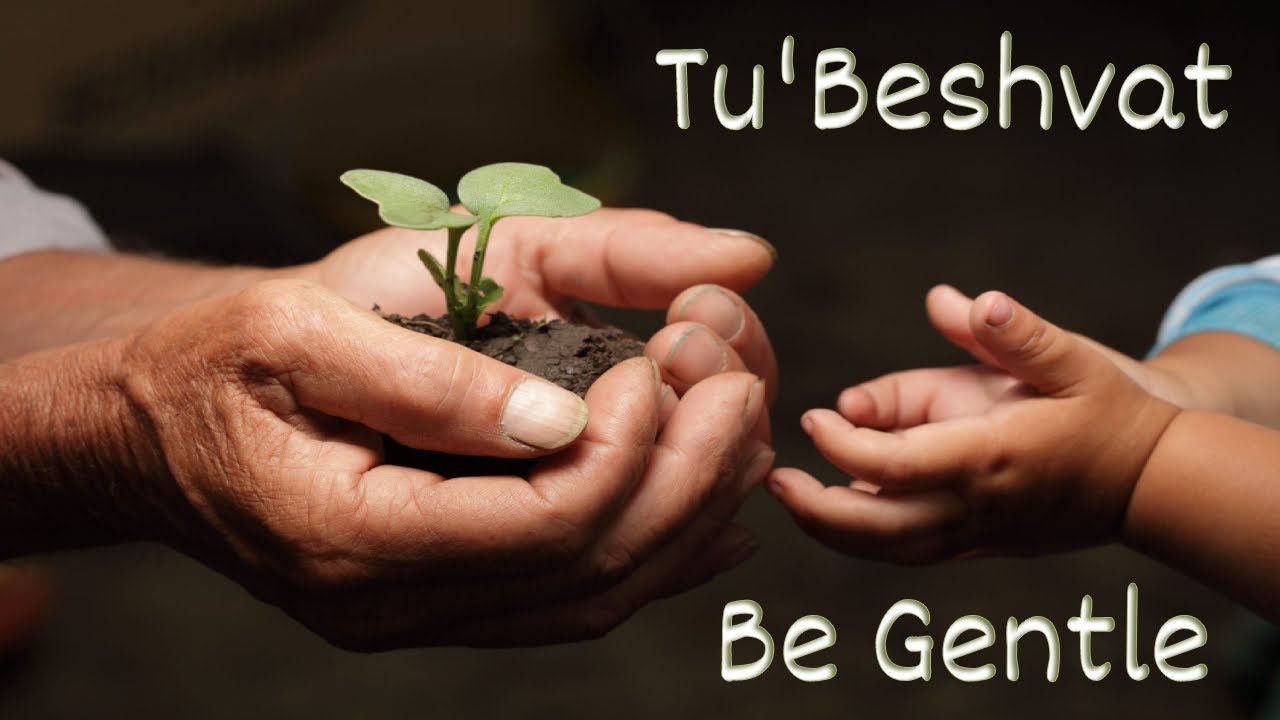
[Music] yesterday we celebrated to bouche butts and even though to you got past but nevertheless the whole week we have the same energy of Cuba Schwarz and not only that we have a lot what to learn from this holiday and happens to be that - what is just excuse to learn but nevertheless it has what to teach us a lot that we need to to really take to consideration for our own spiritual Growth and we know that their world is divided into four groups we have the lowest of all that is our inanimate then we
have one level above it which is vegetation then we have another level above vegetation which is animals and then the force and highest is humans even though some of the humans behave like on the third category but nevertheless we have an animate vegetation animals and humans now when you're looking at this structure of the Division of four levels who do you think we are the most close to as humans then of course almost any person will answer the animals right there close to us in the hierarchy but not only that you know we all surrounded
with animals people have dogs cats horses fish and I'm not even eating now the animals but we we have a lot of animals if you're a farmer you have goats and cows and and we're constantly surrounded with animals needless to say how animals assist us in Many different ways guide dogs and therapy animals horses or whatever it is and needless to say that we're much more closer to animals if somebody would would ask or somebody would wonder and not only that we see that the Torah also describes us at many times as animals and there
are many different places that we see that we love saying we as humans have a great connection to animals if you go all the way back to the beginning Of the Torah when Yaakov was blessing all his kids then he was defining them so to say or adding to their to their description and animal and you know he says that yahudah is a lion's cub Google oh yeah I was saying that the son is a lion and he says about his say it's a howl that is a hum oh got him donkey he calling you
saw his son a donkey you know I have a relative that he's Israeli and he moved when he was very very young after the army to Canada And he had you know were married has kids but the kids never spoke Hebrew either always spoken English many many years later one of the kids came to Israel was in his early 20s already and we went somewhere and somebody we saw donkey so somebody said come on so he says what's what's this word so we told him come over the donkey he's like ah my whole life my
father was going with him oh now I understand what it is so Jakov was calling it he said ha come On why calling your son homo they didn't say it in a derogatory way whether he said hum or was the very donkeys a very powerful animal whatever you put on it he will carry has a lot of determination they will walk for miles but nevertheless so we see the Yaakov was going his if you that he called him a lion a lion cub we suffer I called him a donkey naphthalene Naphtali he said he's a
swift like a deer I allowed and Dan is like a snake so even Yaakov was already Kind of describing his kids as animals and no that you know there are people that their names are like animals I mean a very common name is alia Alia is the line and let's V that's a pretty common name and save and wolf and you know there's many names that are names of animals not only that the Rambam says in the book movin over him that some people actually look like animals and sometimes when you look at people they
don't have The shape of an animal and sometimes the resemblance is unbelievable but nevertheless even a lumbermen is vocal movin over him says yeah sometimes people look like animals and actually this is our source where a people were started called as animals because before that if you go before that it wasn't such a common name to be called like animals but now in our generation is for sure Arion wolf and Zevon and so many others so kind of around that time then People started getting names like an animal now where else do we see animals
in the famous prophecy of in scale he sees a vision and he sees the chair of glory the Merkava and this is the face of a human but he also see a face of an eagle and an ox and a line so we see again the connection between the humans and the animals where else in the book of qohelet stroma Malick finishes the book by saying Amitabha damn in a behind we are like animals basically this is What is sakes normal manner that we are we and animals are the same thing just so we have
a little bit more dot that means part of the intelligence that we can talk and think for ourselves and so forth but nevertheless we see in many different places that we have a strong connection to animals and comes now a big wonder because yesterday we celebrated the holiday which is the head of the year the beginning of the year Washington Allah Allah wrote for the Trees how can we don't have a holiday for the animals should have a washer on the high oats should never a day in the year where we celebrate something for the
animals because they if if what if so why are we celebrating the holiday for the vegetations for the trees so it's a great wonder how come we're so close to animals such a connection but we don't have a holiday for the animals and the trees somebody looks like a dream nobody Looks like a tree and it's also pretty rare although in Hebrew some people are called like a dream and one of them is me my name is alone-alone is an oak tree and in the and in Hebrew and Israel very common name is Owen oh
and is another type of a tree and there's a LAN LAN is a general name for trees specifically trees that bear fruit that's now that the holiday we celebrate now to be shabbat is hug Laila note it's the the Holiday the head of the year for trees that bear fruits nevertheless my brother's name is Emile Emile at the top of the tree when we do have girls names not keys and and the kiss is a violet violet but that's why we say this purple flower violet then this very the troshana but nevertheless what we want
to know is how come the trees has a holiday and the animals don't have a holiday so if this is the case if a trees have a holiday so what's our Connection to the trees must be that we have some type of connection to the trees and nevertheless we do know that we do have a connection to the trees because in the book of the volume in power shots of team it says King Adam it's a servant because a man is the tree of the field this isn't the you can find it in the pouch
of theme but it's in chapter 20 verse 19 and it says keangnam where today then the man is the tree of the field so where exactly I'm a tree Why do I look like a tree or words what's my connection to the tree now we do know based on haha and this is also brought down in a book called safer hassidim but this is also hahaha we know that we know how to cut trees that bear fruit and not to do that you can cut a tree that doesn't bear fruit to use it for wood
but a tree an orange tree apple tree and so forth were not allowed to cut the way to do it is to take it out from the ground and then plant it Somewhere else the only time you're allowed really to cut it is if it causes a problem if this tree is sick sometimes the tree is very sick and it can affect the other tree's and many other a time of times that we can cut the tree but usually we're not allowed to cut the tree to b'shvat starts where do we see it the first
time because it's not a biblical holiday you don't find any any reference to to b'shvat in the Torah the and not only in The Torah and the entire Tana you're not going to find any information about to be sure but they're only the first time where we find any information about the Torah about the two b'shvat is in the Mishnah and in a very technical explanation the first time it's fine is when it gives us the rules for farmers and anyone who does agriculture so we don't find too but in the Torah we don't find
to be shut in the Tanakh or any other source but in the mission and The oral torah when it's giving us information about what we need to do in the fields in the fields in orchards and so forth now we know that the beginning of the year is a leftist ray the beginning of this ray even though in a month wise the first month of the year is the Sun not astray but we do know that the beginning of the year is the first day of Tishrei and the first day of the agriculture month it's
the fifteenth day of SH what we do Have for Rosh Hashanah four times of the year that is called ahead of a year we'll go through that a little bit later but for us to know and this is also brought down in the Mishnah that the head of the year is a lefty but nevertheless the agriculture first of the year is to Bishvat and we it goes bye-bye when the crops are starting to bud or when the fruits are starting to different the stems are coming out when the fruits are starting to bud but What's
what's amazing here and what's important here is that this allaha is only for the residents of the land of israel when it comes to my salt and remote and everything that has to do with the land it's only in the Land of Israel we don't have this rule anywhere else out of Israel now besides that Israel is our land Israel was always has been and always been this Jewish dream everywhere you go you say the word Israel to Jewish people are like dream Is one day to come to Israel and that's what you hear for
many people we are the lucky ones that we actually live here and if you don't realize how lucky you are then our rule remind you today how lucky you are because most people have a huge challenge coming to Israel and living in Israel is a huge merit it means that if you hear then the gospel who allowed you to be here and Rambam even says it just by living in Israel it's a mitzvah then Every second that you're breathing here it's a mitzvah so but many many many millions of Jews around the world and even
non-jews their dream is to come to Israel to come to this wondrous place now if you going back to the beginning in the Torah we see the great connection that our lineage have to the Land of Israel 75 years of Rama V who lives in the locust limb and finally the calash bajo tells them leave your place I know you have history there I know you have Friends I know you have property I know you're the chief rabbi of Ubu Kazim but it's time for you to leave now imagine this is a 75 year old
man each and every one of us with no exception grew up somewhere and had to leave especially in this room I don't know about the viewers but at least in this room everyone in this room grew up we're and had to leave and that's usually the majority of people especially Jews I mean people from many Different nations they live their life all their life in the same country Jews for whatever reason reason we wonder a lot but at least I can easily say that in this room each and every one of us had to grew
up somewhere and then left leaving is not so easy relocating to a completely different country it's even much more harder you're moving from street to street be that sort of what I'm talking about talking about when you live from your place of birth and go Into a completely different place have a movie no 75 years lives in Novick esteem and the shrimp tells him go to Israel go to the land that I will show you the land that you're gonna settle there and I'm gonna give you this land and sure enough with no question he
packs his bags and he goes right after that we see his son eat stock it's like it was a famine in every cell he wanted to go to me tribe should tell them you know how to leave Israel uses a you're a Holy Sacrifice your life to me ma a whole sack you can't leave LT slant this is the place for you same thing with Yakko when he had to run away from a a sub finally after 20 years he has a dream and what is in the dream machine tells him go back to every
slab you that's it you done here you did you finished what you need to do here and go back to elytis land so we see that we already have a very strong connection to this land very Interestingly there's a book it's called the cooze le moco's that it was written by your build a levee and he says there he points out something very very interesting he says all the prophecies were given on a dirty cell or about LT cell if you're looking at all the prophecies first of all all the prophecies were given in air
at this land there are there were a few exceptions that were prophecies outside of a Vitesse land but all the prophecies Are on Israel are about Israel and or in some type of a connection to a Latisse land now we all know Hashem have the unbelievable Mary to live here but it's not easy to live analysis this comes with another high price the people here are not so easy the the living here is no it's not so easy even though when you go out of Israel you actually start appreciating okay so people here are a
little bit rough on the edges and to many many people say oh It's very hard here financially I don't think it's so I think it's hard everywhere it's like it's hard if your muscle is to be hard so maybe the materialism here is not so accessible but anyways the materialism around the world is the fake materialism so that it doesn't really matter but nevertheless to be honest as much as I love Israel it's not an easy place to live there's always difficulties in many many different things but living here is An unbelievable merit I stank
a shame every day that brought me back here I was born here and I lived through 23 years and then I left to the United States and I was like Jakov I went to the United States came back with a wife and kids he came back with twelve kids I came back with six kids and he came rapping with a lot of sheep I didn't get any sheep and but nevertheless I always related to Yaakov how we went to Holland disgusting place to find his wife get His kids and come back so but I lived
in America 18 years almost half my life and finally now back to Ella to sell almost four years living in Israel is a huge huge merit and I'm gonna repeat it as much as I need to because the ones that live here need to understand how lucky they are and the ones who don't live here I need to understand how fast they need to make a change and come here so but nevertheless there is a price for this huge merit and this price is a Certain mitzvah that the Torah tells me to do and this
Mitzvah is called Marcel that I have to give a percentage of what I make in the Land of Israel from the crops and this is a very great mitzvah nowadays people give 10% of what they make from their money this is not the master I'm talking about this is sadaqa Marcel is when you take from your crops from your fruit your vegetables and you give it in our generation we don't have a coherent we Don't better and they have better me - but nevertheless we still have to follow the laws of my thoughts now the
laws of the land we'll call it are divided into two major laws one of them is called Ola and one of them is called Marcel Ola is the Mitzvah that when you plant a tree the first three years you can't eat from the fruit only on the fourth year you can eat from the fruits and Marcel six years in the in a row we have to give percentage of the crops or the fruit and Then the seventh year we stop this is a sabbatical year so we see already a connection between the both of them
that they're both dependent on years depending on the Ola you have to wait three years sabbatical year is every seven years six years you have to give them your crops now with the Ola not going to go too much into the details I actually gave a class a few months ago about Allah when we were learning the laws of kashrut of food but the rule is That you plant the tree you have to wait three years the reason why you wait three years because the first three years the fruit are not good quality and on
the fourth year when it's the first year when the fruit have reached to the best quality you don't eat those fruits you take these fruits it's called net array and you take it to your shall I'm and you give it to your shall I to the coin or you eat it in your washer line and only on the fifth Year ok then you can take it it's your it's your fruit already now the Marcel that's a little bit of a more sophisticated ilaha and mitzvot first of all the time of atomic - they gave about
20% Marcel people here are crying that they have to pay the IRS so what do you think where was it when the when we had better my gosh they paid about 20 21 percent of what they made you make now shekels they had cucumbers and oranges and the rice and And potatoes and whatever it was but nevertheless very soon mushiya was gonna come we're gonna have to go back to my swords this is gonna one of the first things that we're gonna have to start applying again we have a corn named Levine make the MiG
- right away start giving our thoughts are giving from your fruit besides the fact that we can't gonna go back to living a much better life we're not gonna have all this process disgusting fruits when I will go Back to good fruit and good normal food nevertheless the a little bit about the mascot it's important to know like I said they paid about twenty twenty-one percent of what they made in my cell one and a half percent was a what's called Touma and above that would be given my salt and the way it's divided just
very briefly so we have the idea 10% lets you have an orchard now you have now avocados you have oranges you have a field with tomatoes or potatoes ten Percent of it you put aside and you have to give it to the levee to the Levite in your bushel I'm nowadays will probably send it by FedEx two thousand years ago then they had to put it on carriages the wagons and send it ship it to you shall i but 10% goes to the levee and this is called mastery Shawn the first muscle then you have
another two types of massage master SHINee and Master Ani misogyny means a second Marcel and Marcel SHINee is Emma 7e is a Marcel to The poor person the misogyny is divided as follow we have seven year cycle six years where we give mascot the seventh year with the shmita sabbatical year with massive shinee we calculated the first and the second year of the sabbatical cycle and the fifth in this are tours and the fifth year of the sabbatical cycle this is my cell shannon the third year in the sixth year this goes to mass Salani
and up until today that's what we do when you divide your Fruits from a slot that's how we calculate it now I know here a lot of people what they do is they just go to the supermarket when they have a certification and then don't worry about it but nevertheless I'm just telling you here for you here local if you go to the market on Wednesday you should to the shook you should be aware that probably fifty thirty percent of the crops you buying Are not with my sort and there's going to be a lot
of doubts in it so especially that a lot of them that come to sell in the market are Arabs and it doesn't mean that's their land if it's a you buying from a land of a non Jew in here in Israel we have Arabs or biddies or lose him or whatever we have around us then you don't have to do give my salt but a lot of them they're not the farmers they're just dealers and they buy the crops for cheap and they come Here and they sell it to you so don't be confused when
you're coming and buying from a stand and you're saying oh that guy's the Arab I don't have to give my salty but maybe he's a dealer and he bought it from a Jew a Jewish farmer that was about to lose the crops and he sold it for very cheap that's what they're doing if I have a land and I have cucumbers and I have now tend to pay tons of cucumbers and I can't sell them then of course sell them before They rot off center sell them in a in a 50% off so a lot
of the dealers here they come and they buy cheap fruit cheap because not because it's not good quality because the farm is about to lose it then they come and they sell it to you now you as this is how you have them assault and anyways I gave a whole series of classes how you give when you give when you said with the blessing without a blessing something that you Need to know because I mentioned many times that in Israel eating fruit that you was not given my seven eighths is worse than eating Hazira waiting
pig so and most people are not so strict about it and they count on the supermarket or the green grocer and better not to count on anybody it's not big quantities better to do them myself by yourself because there's a doubt you do it without a blessing but you still do the ritual and the act and that's it any Finish no you lose a very small percentage of what you because 10% anyways we we don't give it we keep it we redeem it but nevertheless the way it worked at the time of atomic - the
first and the second the fifth fourth and the fifth year of this sabbatical cycle this was called master Shani and you would take the the the crops to you who shall I'm and ate it in your ocean I'm now what happens if you have 20 tons of potatoes how can you take 20 Tons of potatoes nowadays you have trucks how did they do it 2,000 years ago so they used to sell the fruit and then take the money and redeem it go to your ocean line with the money buy food in the bush a lime
and then eat it in the ocean I'm so you only have to transport the money and this man is called heck dish heck dish means that it's holy you know how to touch this money in our generation what we do is we do something similar is we just redeem It you take a coin and you redeem the value of the fruit fruit that you are separating and that's it in this coin you can touch it this is a holy coin this is also heck dish but nevertheless this was my section II then you have another
my cell and my cell comes from the word a series a series is the tenth because you take give 10% then you have math ceremi that comes on the third and the sixth year of the sabbatical cycle this you give to a poor person and we Still do it in our in our generation and the third in the sixth year you take a portion and you give it to a portrait a person or what you can do is take the fruit to yourself and evaluate it how much with these tenth of a oranges cost five
shekels give five shekels to a poor person but nevertheless we still do it up until 2 then you need to know all the rules manera but most important to see from here because what I'm giving you now is a very brief overview this is not With too many details but what we want to see from here that we are dependent on years here every time that we give we apply the mitzvah of massive Allah we have to know in which year we are I don't know if you notice but on Sunday when we gave the
class of a tu b'shvat the only one who had it in the back of her mind was Karen who said you have to remind us what do we need to do now because to b'shvat is a cut-off date when we switch from one year to another Year and she was smart you remember she has the trees in her backyard ok oranges and whatever and and she needs to know you have a tree in the backyard and you eating from your tree you know if you grow it yourself you need to know and to Bush what
is the cutoff time so we need to know about that but nevertheless we see that the mitzvah of so to say paying for living in Israel which is giving part of my food it's dependent on years and I need to know Exactly in which cycle we are and what year are we in and so forth now practical question is is when is the agriculture year cycle starts because if I'm calculating now my salt let's say now I have cucumbers and I need to give myself I need to know if I'm in the first or the
second year then I give myself SHINee if I'm already in the third year that it has to be myself on it so different myself I need to know which year are we in you think we're Going by 19 2019 this is irrelevant to this calculation it's stuff she 9th 8 now but when do I care what is the year definition from TV to TV I know how when I define the year I need to know so this is a technical question most of the trees they they grow that they're fruit at the end of the
winter this is most of the trees but there are some trees that they grow their fruit and that's in the beginning of the winter for example one of them is peaches peaches they grow in The beginning of the front they don't go after they grow like the peaches you go to be eating in the summer they grow before the winter and there's another type of fruit I'm probably gonna mess up the name the their name in Hebrew is chessick in English I think is called Lockwood's liqueur something like that so if you recognize the name
then correct me it's ello ello q you a tea knock what so in Hebrews cultures like very sweet small chessick also grows in The beginning of the winter so now what happens when I eat it in the summer I need to know when exactly the fruit was the the it started budding nevertheless why do I need to know that because I need to know to which year they they belong in order to give myself and the 15th day of VAT to Bishvat is the cutoff this is the ostrich Anna the head of the year for
the fruit for the trees they bear that bear fruit that's why it's called Rosh Hashanah Lila not And not Rosh Hashana light seem it is a general tree and Ilan is a tree that has fruit so 15th of sharat is the cutoff date for the trees that give fruit now everything they grew till the 15th of Shabbat is the previous year everything that grew from the fifteenth of shroud is this year so I need to know that when it comes to my thoughts now I go through their foreheads of the year Ali Baba Shoshanna it
says in the Talmud we have 400 Shoshanna the first know Shoshanna Is the one that we all know which is the first day of Tishri this is Oceania for us when we get judged the entire world humankind gets judged it's also a host rashanna for a year of shmita that's how I know how to calculate sabbatical cycles for jubal year jubu jubilee and you well this is the first day of Tishri then there's another Rosh Hashanah it's called Rosh Hashanah lamella him this is the first day of Nisan Aleph Nissan this is the Rosh Hashanah
for kings and for Festivals austere Shambhala he will illegally me and that's the whole explanation I believe I did our class already know last year explaining each one of these Worcester Sharna what it really means now we're just gonna go briefly about them then you have the first day of Elul which is the Rosh Hashanah for massive Bahama for the Marcel that you give from animals and you have the 15th day of schwag which is also Shannon Lila not The head of the year for the trees there is an argument in the Talmud between Beth
Hillel and Shammai if it's a leaf shroud or 15th of Schwarz but Sharma says it's a leaf of schwa Bettina says it's the fifteenth of 12 each one gives gives their explanation and Liholiho is that we celebrated on the 15th of shmatte so what I said now is a very brief overview about the the idea of my sort to Ma the Land of Israel and how do you recount it conducted this Is very very brief what I gave now this is a general overview but it brings us to a question what does that got to
do with me why are you telling me this I'm not a farmer and the 99% of whoever's watching this video doesn't even live in Israel but for us what is gonna do with me why telling me this I go down to the corner of the storage of the green grocer give me potatoes give me cucumbers and they're not driving me nuts now what's all this myself How many people really do it so comes to the question what is it gonna do with me why do I need to know the to about yesterday was the cutoff
date when the fruits are calculated to each year now there is a great reason for that today I'm not going to talk about the reason why I need to know to my thoughts because we gave already a series of classes of that and maybe we should do a reminder series of classes of that but today what I want to talk about is not To know why and when I and how I have to give my my sort there's a much greater connection to me and to Bishvat then why I need to take it and even
though to be sure I was yesterday I still need to know it and apply it into my life now when did we started celebrating too but I told you it's not a biblical holiday it's not cannot be found in aterna so there has to be some type of date when we started celebrating to Bishvat Because from the time of the Mishnah which is going about about 2,800 years ago okay that's when it was mentioned but nobody celebrated to Bishwas they just needed to know the date for the cutoff date for my Sultan Tomo that's it
we started celebrating so to be shraddh about a thousand years ago and when did it start it starts give or take about a thousand years ago there was a great scholar of a new girl Shan Mei ojala one of the greatest leaders in the Lineage of ashkenaz and that was about a thousand years ago and he came suddenly he's a great scholar of great authority in Halawa and he came up with a new rule that we do not fast on the 15th day of Shabbat many times we see in history came a great scholar went
through the entire oral torah and did some little additions and adjustments so he came about a thousand years ago he says this is a very special day on auspicious days we're not allowed To fast we're not allowed to fast on Shabbat unless you had a bad dream and then you're allowed to do it fast on Shabbat this cool technique Haram but on Shabbat we know not to fast I don't know if you noticed whenever to it Teesha bell falls on Shabbat we fed we move it to the next day and tisha Bob is a severe
it fast if any other fast will Forge about tiny to stay we have a very soon we just had a celibate event all these defense days if it falls on Shabbat we do the next day this year also tisha belt it falls on Shabbat we're gonna fast on there on a Sunday hopefully we're not going to need to test the only time when we fast on Shabbat is like I said when you have a bad dream or when you keep all fours on Shabbat that's you're allowed to fast now there are many other days you
know allowed to fast on Pesach you're not allowed to fast on Sukkot whenever we have an auspicious day you know loud too Fast so suddenly a thousand years ago Robbie Gershon Mahakala he says we don't have to fast on to but I'm now making a new rule okay everybody says this is the great scholar now on 50 - what we're not fasting anymore from that day to b'shvat started becoming more and more popular so we're going about a thousand years back that when we started celebrating - Bhishma prior to that there was nothing going on
Into bhishma's a few years later comes the shoe carnival the beit yosef which is about 500 years later and i bet yourself says not only there we not allowed to fast on to b'shvat we don't say to her Noonan to but this was brought down Liholiho here in front but the bet yourself about 500 years ago that he made a new rule to bhishma not only that we're not gonna fast we don't think AHA noon the haneun will Be doing on a regular day you do on auspicious days you don't say to her noon this
is a part of the prayer that we add when we ask for forgiveness when we do confession and so forth okay a few years later comes another great scholar known as the McGinn of ahom and he adds on that another rule and he says we have to celebrate them to be Schwarz and McKenna of ROM is one of the pillars in Halle harp until today I would say that the majority of people Go by the halacha of the McGinn of rom the maguey never gave a few marks in Aloha and up until together that most
people follow them again Obama but nevertheless he comes in he adds and he says not not only that we're not allowed to fast and we're all about and we don't sit the hollowed we have to celebrate okay so we start celebrating how do we celebrate bring a bunch of fruit and we'll start eating the fruit how do we celebrate you know the two b'shvat is For the the cutoff date for my salt when where do we do my salt ever to swell bring the seven species of the of the Land of Israel and we eat
these fruit that's how we start okay so they started about three hundred years ago to eat fruit on to beach but specifically the seven species then came later another period when they started reading a certainty inch to b'shvat most people in our generation don't really do it yesterday I don't Know what the women did here my wife told me the women was not so excited like we had here for the men and Sunday night was the event for the women I was kicked out of here so don't know what was going on was wonderful but
wash em and yesterday we had the set of two b'shvat for the men so my wife says I else was much better but never there nevertheless we had a beautiful meal when we did the set of two Buchwald and we didn't do the whole Tekoa cause the Tea Cooney read pieces from the saw but we did read pieces from the Talmud and we were explaining every species how it's connected to the spirit how it's connected to me at the school on it it was a lot of explanations it wasn't on video but nevertheless it was
very very special but some people do read the tea corn and the corn has a lot of Zorgon e that you read certain parts of the song not only people do it in our generation nevertheless this is the evolution of to B'shvat 300 years ago then there is a book spots FL him that IAM in and that's written about 300 years ago there's a lot of controversy about this book but because some people think that that the spots FL he says that he's a student of a behind with Al there was a controversy about it
some people thought that he's a student of sub shop tights me and nevertheless the book is authentic he says there in the book there's a section called poet Saddam and he says there That we have to bring 30 types of fruit to in order to eat for the to b'shvat and we do what he called a stern rectification and weed the fruit and so forth so this is kind of the evolution of to Bush but now what we do some people they do they'll go and start planting trees which is very nice but you can
do it every day but until b'shvat read from the seven species we read the different parts from the Talmud some Trips people read from the saw and so forth but nevertheless comes this question that we boil down towards why do we celebrate I told you already we don't have any holiday for the animals why do we have a holiday for the trees I mean maybe we should make start making a holiday for the animals we'll bring some animals make a little petting zoo Pet them write on them but nevertheless we don't have any holidays for
the Animals so why do we have a holiday for the tree and why do we celebrate to be shruts so it says in the Torah in the same place in the book of Diwali in chapter 20 verse 19 this can be found in pouch of theme it says where it says key Adam Watson so then when the human the man is the tree of the field in the same verse it says that we're not allowed to cut the trees the tree of the tree that bear fruit this is where we where we get to the
source of it but why does the Torah tell me I'm not allowed to cut a tree that bears fruit so it says the connotation here the connection is is when you go to war you have to read the verse and in the verse it says when you go to war then you can cut the tree of fruit I'm going to war now or you think I have time when I'm going into war to start cutting trees now what they used to do once in wars for us might be hard to relate but in our day
wars if they send the missile and the missile comes And starts destroying things I don't know if you ever saw battlefield there's nothing there look now at pictures how Syria looks it's all destroyed everything is destroyed in the olden days when they used to do Wars they used to do the same thing just without missiles if they would come and conquer someplace they would just burn the whole thing down I'll destroy the whole thing that's part of the war that not only that you conquer the land that would Take the the loot or the women
or people to slaves but they will burn everything down so nothing changed we do it with missiles where or with rockets or with bombs but when you're looking at a battlefield or a city there was conquered there's nothing these ruins same thing that used to burn everything down burn things down cut everything down so the Torah says when you go to war concentrate on the world you don't have to kill the trees the Trees didn't do anything to you don't destroy trees leave the trees alone you don't have to create a havoc you don't have
to destroy the place where you conquered concrete and leave it alone so the trunk gives me a very humane rule just do what you need to do for the war do not destroy destroy the trees why because if you destroy now trees you'll end up destroying humans you don't end up killing people so that they don't Need to be killed you'll find you fight with the soldiers don't fight with the people you're not going and killing people here so the tosses don't kill the trees because useful evolved and you're gonna end up killing people at
the end now it actually says this is brought down also in books of Kabbalah it's actually dangerous to cut a tree the Tanja's for you to cut a tree that bears fruits this is not even this is brought down in Kabbalah more cabbalistic but even in the Talmud in tractate on it there was a great sage or big Hanina his son died in a very early age and when they asked him he said because he cut down a fig tree so this is already sourced in the Talmud that to cut a tree that has fruit
is actually dangerous for you so not only the Torah gives it without too much explanation he just says don't cut trees that have fruit but we see later on that the son of a pnina died and Hundred of Hanina says because he cut the fig tree down later on it's broke down in her in Kabbalah that it's dangerous to axe actually dangerous to you not that the tree is gonna fall on you it's danger to you something some axe that you do they can cause something bad to happen nevertheless we're not allowed to cut trees
that bear fruit ice explained that before the only reason the only way to do it if you must is to take the tree out of its ground and Plant it somewhere else or if the tree is sick or it's the it's a danger then you cut it down but other than that you don't cut a fruit tree and when you looking at this rule you see that we have some type of a mystical connection between us and trees so what exactly is this mystical connection where my connected to a tree there Vanessa says that wheat
is also considered tree because I told you already that we called in the tow hockey And amethyst today because the man is the tree of the field very interestingly that the the also the Talmud says but the evidence or says that their wheat because it's part of the seven grains this is also considered a tree and it says in the Talmud that in tracted my heart that we not allowed to eat from a from a tree but which tree is referring to to a tree of weeds my wick is not tree there interestingly then when
you look in the Talmud when there's our Arguments what type of fruit was after that the tree of knowledge one opinion says there was a fig tree and what where is he basing the this opinion because later on it says that Adam and Chava they put the leaves of fig tree and they made their clothes out of it so he says that's the tree that they sinned with so the tree had to cover for them so this opinion says the tree of knowledge was a fig another opinion says no it was the wine was grapefruits
It was grapes and have a squeezed it made wine and she gave Adam and that's the the fruit of the tree of knowledge while opinion says that the tree of knowledge was wheat and and the explanation is that once wheat was very very high now it's low but once the wheat it was a much higher much greater and the Talmud also says Maggie no farm says that we just consider tree has not considered a grass and this world amid the every Nestle says and in the Talmud It says where we're not allowed to eat from
the tree it's referring to to the tree of wheat now we also know I spoke about before about that that is part of the intelligence when you have hope mabini and that dala that is the comprehension that we have a kid doesn't have that kids two-year-old will start putting things in their mouth they don't thinking too much what gives us that grain it actually says also in the oral Torah that the first time that the kid is able to just chewing any type of grain that's when they get the dot the first year they don't
even have teeth they don't even chew anything they will eat soft things when you start giving the kid kid the grain well there's a little bit of to your teeth on Shabbat you give them a little bit of a piece of challah they put it in their mouth it starts DeVoe dissolving in the mouth and the talmud says the second that you give The child to eat a little bit of grain that's when it starts operating their dad's so when we're looking at this connection between us and trees and the celebration of the trees we
come to the conclusions there is a connection between us and trees something mystical something a little bit more deeper than than just that we give my salt and so forth and we want to know what's this connection because the connection is not only a bit because yesterday was to be Schwarz I was giving a class or two days ago the two b'shvat is the most auspicious time of the year to pray for your other half for a person to get married and not only that it's the most powerful day of the year to pray for
getting married for getting pregnant somebody who can't get pregnant and for a person that had Pia coupled it has a very bad relationship and for somebody for peace between the husband and the wife and I was quoted Quoting the fasted la flama that he says you better to reset a certain tikkun to say reading The Book of volume and quality she assured him to go to do it in Terraria anyways I gave a whole explanation that's how it is in the class on Sunday you can go and look at it online but nevertheless so many
people we send the message senders we're going to pray send us their name so we can spray for people so I said we sent it out in emails today I got an email back I got I got the email today it's too late so the first one it's never too late yeah if to what was yesterday but it's never too late so a lot of people will say okay to be short pass while you're now talking to me about to but the stupid part is maybe the day but I want to know what's the significance
what's the connection between me and the trees and the to be shred was something that I can take with me for the rest of the year And for the rest of my life so before we come to the conclusion I will say a short story a true story and this is will help us understand the conclusion there was once a young man he was 17 years old when he decided to leave his house and this young man came from an observant family and now when I live in Israel it's much less but when I lived
in the States I was a lot more involved with youth that are from coming from observant families and they're Leaving the religion what they say off the dais they go off the path and have a good day rapport with youngsters especially they want to rebuild because that was the exact same thing so we have a common denominator not only that they they feel more comfortable I need to do is take my shirt off they see tattoos oh he's a cool one so so molto sham is for many years is to work with a lot of
youth Different high schools and places and youth that are on drugs and rebelling and all sorts of different problems but specifically from observant communities and the sad reality is that you're looking here at numbers of about 50 to 80% of the youth in religious communities are either on drugs they're not observant they're getting pregnant a Shamir okay most of the things you couldn't even imagine that this is happening in in religious communities I Mean just the last year there was in one shot in in in a few months 53 youngsters teenagers and youngsters from Jewish
communities died from overdose 53 this is unheard of and I'm talking about from observant communities her ad Hasidic communities not somebody who goes to show once a year talking about in places in Borough Park and Lakewood and and then and places they're people of our super or ultra-orthodox 53 deaths of kids from the ages of 16 to 22 From overdose so the situation is much worse than what people are willing to admit for many years it was all brushed under the under the carpet now it started to get a little bit more of awareness but
nevertheless for many many years I worked a lot with the youth so this is a true story what I'm telling you now there's not an invention so there was once a young kid whatever was rebelling and at some point he was 17 years old didn't get along with the Parents at all parents were very very tough with him and he was it was one point decided he's leaving the house one day he gets up in the morning he writes a note Shalom to my dear parents I'm out goes with his friends this was in New
York and him and a few friends they rent an apartment in Manhattan no it is for the parents now the son takes off his yarmulke we're go walk surround with jeans he's living in Manhattan there's their mind what is he Gonna do there what is the 17 year old child enduring in Manhattan you know he doesn't go there to feed the poor he goes there to party nevertheless the parents are they don't know how to digest it the mother goes to a great great rabbi and she tells the rabbi what did I do where did
I mess up that my son is so so resentful for the Torah and he's so against it the line doesn't work with us what did they do rabbi tell so much Listen what what do they do personal don't take the blame on you maybe you are to blame but I don't know I don't know so it doesn't matter what you did me tell it's worth more marriages work more what to do what you did that's for you to know what to do to the other kids if you did but what's important is what to do
so she tells him what should I do so the rabbi tells her make the Friday night dinner the most amazing experience For the kids I'm sure a lot of you went to many families to a Friday night dinner and usually it looks good nice table and everybody's dressed nice and a nice atmosphere and the husband will say a few words of Torah and maybe this is gonna be some singing and good food but this only works when you're coming as a guest go to the same family when there's no guests there the Shabbat table doesn't
look the same the screaming those arguments this disagreements the One kids live falls asleep on the couch the father falls asleep cause he's tired and this is I'm telling you how it looks in real life when you go as the guest everybody's smiling and and everything looks nice and organized go to an average family Shabbat tables are chaos my nevertheless in this situation the rabbi tells her make the Shabbat table special okay the next Shabbat approaches the mother comes and tells each and one of The young kids what is your favorite dish oh I like
this I like that okay comes the Shabbat table a miracle next to every plate where the kids is is their favorite dish everything is really nice the father took a nap so he can be all awake and focus prepares a nice word of Torah the whole meal was unbelievable the father was asking the kids questions how was school what did you learn in school which one came there's something very common that they gave in observance Schools are enough Kesha where you come and the teacher will write what you learned the whole week and you review
it with the kids and the father was asking questions and the meal was the most pleasant the most nice meal ever Wow kids are like wow that was the best Shabbat we ever had okay next Shabbat what do you know the same miracle the mother asks each child what is your favorite dish what do you want me to have around the table and they made the Table beautiful best food and singing and it was the best experience like this is when another week and another week in another week and Shabbat became the best experience the
kids had after a couple months the kid that left the house calls home everything goes to see how's the parents doing how's the kids one of the siblings answers hey how are you good how are you and the kids at left says no what's going on so the sibling that answer says don't Ask I don't know what's going on in this house but Shabbat became so amazing every Shabbat we get private special meals and everything that we want and dad and this and let me start selling her amazing the show up so the 17 year
old says what so dad doesn't scream at you anymore at the table no he's relaxed and he's fun and an r/a or inverted this good food is this and that and the simile tells no it's not like Anna wants to something happen to mom and dad They're calm there's no screaming there's no arguments is no disagreements there's no this is no that is their food is amazing we get what we want so the seventeen-year-old says I got to see this and the next shot he comes home to visit and he wants to see what's going
on on the Shabbat suddenly the Shabbat a was all nice the house the father is not screaming at the kids there's no arguments there's no disagreements the food is good Everybody's around the table not one over here one over there suddenly was great and a few weeks like this pass and he made a decision and he came back to the house so needless to say we're not gonna now judge the family but obviously the kid doesn't have a good experience in the home I know from my personal experience that all most of these kids that
go away from the from the path of the Torah is because either they were molested and you'll be shocked how many Of them are molested physically emotionally sexually and and the rest are just neglected in many different ways and sometimes you think that an observant family they're in a very high level oh the parents fight the husband screams at the kids the kids have a bad childhood so they associated with the Torah and they they take off in this specific case yeah Shabbat the Shabbat table was not so smooth and nice it was a chaos
so it caused the kid to leave But nevertheless finally the kid came back and what do we take from that the Torah says hey Adam it's us today the human is the tree of the field you know how a tree grows you have to nourish it if you put a tree in the ground now and you leave it nothing is gonna grow and it's not enough to just put water you have to work around the tree yesterday we started learning we're gonna have to finish it today and tomorrow about the ten labors that the Mishna
says that you Have to do in order for the tree to grow you have to cut you have to prune you have to fertilize you have to the whole turn the ground upside down there are ten types of labors and the Mishnah goes one after the other what you need to do to make the tree grow yesterday we went through some of them because we were explaining the mystical part of it nevertheless the tree will not grow without any type of investment fertilizing cleaning the weed around Removing trees removing any type of obstacle for nourishing
it a farmer doesn't just put the trees in the ground and leaves this has to be an investment and the same thing is a human being human beings don't grow if there's no investments take now a child and put him in a surrounding that there's no investment into the child it will grow completely completely off the path that's the matter right now observant not observant Jewish not Jewish doesn't Matter you're raising a child that's to be investment their parents have to invest the parent is not invested in the child the child will not get values
no good morals not get the right nutrition not get education don't get anything how many times you see kids that are neglected and what happens to them they become criminals they become drug addicts and a child that also needs nourishment and an investment I'll call it an investment because it's an Investment in money its investment in time it's investment in education but you have kids it's no bringing kids to the world this is not just bringing a kid in here I have three kids you have to nourish them you have to give them a lot
so we are like trees we don't grow just like that and you know people are sensitive see people need a lot of a lot of a Yaga's a lot of attention people are very vulnerable they get upset trees are exactly the Same if you now put a tree in that in the garden and you don't touch it who says it's gonna grow it whose it might not grow might not make it to take care of the tree same thing is the hue you can't take bring a child to the world don't take care of it
and even when the person is already no doubt this is a person doesn't get the right attitude and hello how are you and people sometimes they're sick they need to be taken care of we also need to be Taken care of so a child doesn't grow from himself if you take now make an experiment take a child out of the hospital and put him in the street the child will grow the first three three years that the child cannot be ran away from the mother and even when the child is already seven take a seven-year-old
I'll put him in the street can the hero he can't do anything he doesn't ought to take care of himself so the same way that the child doesn't Grow from himself also the tree doesn't grow by itself and it senses the me there are something very very interesting when it comes to trees it's a long long investment it's an investment for the long term that's what diminishes trees is an investment to the long term because who says you're gonna enjoy from the tree you know there's a very famous story with the king of Rome Andrea
knows that when way it says at one time he went to A war and as he was going to the war he saw an old man in the Land of Israel Jewish old man and he was planting a tree they told him old man what are you doing is a complaining a tree yeah you might died tomorrow while he was planting a tree for you look at here you how old you are and he told him a fashion will help then I will eat from the tree and if Hashem will not then my kids will
eat from the tree okay then what was three Years on their way back from the or and Rianna's comes back from the war and what do you know he sees a beautiful dream and the old man next to the tree eating from the tree he was so Wow and the old man comes and it takes a bucket takes a lot of figs it was a fig tree put a lot of figs in the bucket and he gives it to the King says here take a present King he was so touched that he took the bucket
he emptied the figs he filled the bucket with gold coins and he Gave it to the person to the old man he was so mesmerized by the if I'm not gonna need it my kids will eat its weight from it there was a neighbor that paid attention and she saw that this old man planted the tree and gave the the frig's to the to the king and the king gave him a bucket of gold coins the same bucket so she told her husband get up from your tuchus you bum don't plant the tree why don't
you do the same thing why don't You go and fill up a bucket full of of the fruit from the backyard give it to the king so the husband does it it puts some fruit from the backyard in the bucket goes to the king gives the bucket to the king the King turns around instead of giving him a bucket full of coins he orders for him to get lashes he says whoa my neighbor you gave gold coins while giving me lashes so he says bombs there are a lot laughter I mean somebody Was a slang
like it's not like a bomb but a very lazy he says lazy people we have a lot but people that have a vision and they invest into the future there's not a lot of people like that before he got the gold you're a bum you're a lazy person you're gonna let you get lashes so when we go on the on the teachings of the Midrash that trees are an investment for the long-term this is the connection that that's what I want to see everything that we do in this world is an investment for the long-term
whether it's me for my kids it's an investment me for my relationship with my wife some of you your husband's it's an invest everything is a long-term investment also with my spiritual growth it's a long-term investment when my connection to God it's a long-term investment everything is a long-term and read nothing here is from from here from Today for tomorrow yesterday is one of the things we talked about and in the class where I was going through the ten labors to know to fix to to take care of a tree and I was explaining there
that one of the labors is to to expose the roots and never nevertheless I went into more details that we don't have time now to go into details you can watch the the class but I was saying there that being observant or doing Java it's you don't do it in a day You can thank you 50 years a lot of people come and they right away want to be the top-notch Jew in the world and it doesn't work like that and when a person becomes observant person converts becomes Jewish you can't become to the level
where you want to overnight it's years years and years and years and a lot of people what happens is they become observant that's a matter from which a background they come from and within three months they're like full Blown the top-notch observant individual and it doesn't work like that they fall back at some point because it has to be slowly slowly one step and another step and another step and another step and this can take you years 40 years 50 years 60 years so the connection that we want to take from the trees and it's
something that we want to take from us from so that for the rest of our life not only into bhishma don't only concentrate on dobisch what it's for the Rest of the year is that everything that I do has to be investment in there has to be a nourishment in there and again you can look at it in any type of relationship whether it's me with my kids you can have a kid and say the kid will just grow by himself and then have expectation why is the kid not listening to me or he's not
going in the path that I want to invest in the kid 20 years 25 years 30 years when they're adult when they're 20 30 they got married okay That's it now they move on I did what I could and now I hopefully I gave over to my kids the right education the right morals the right the right path to go on I always tell my wife that every child that we have I tell we are the architects of this child's life whatever we however we mold it that's what's going to end up with this child
and then having children is an investment not only I'm not talking about the financial investment It's a effort to give a lot of time now time dear kids who says I can ever lay a listen to you you know this this video running around online or you see a little kid that he comes to the father and the father's that gonna phone and a computer and see that he's like busy and the kid is like pulling his sleeve and the father's like brushing him off and then it's like fast-forward and the kids is like from
three years old now he becomes five years old and seven years Old and ten years old and fifteen years old and every time the kid one time he comes with a firetruck then he's a little bit older it comes with a basketball and he's a few years older he comes with like a baseball bat whatever it is it's like I'd like a short video the old video is like a minute and a half and every time the father brushes him off you seen with a phone like this on a computer and then the father is
a little bit older and he comes to the kid And the kid like brushes him off you see like the kid is already like 17 year old like it were aralia for 17 years now you want my attention so and this is just without some kids but it's the same thing with the husband and wife I see so many people get married and they they get excited they get the fall in love but then they get married then a few months later it's wait a minute this is not as a heart and love and it's
now deal with another individual that lives In your life that puts there makes a mess in your drawers and most people in the beginning of their path they don't get along they right away okay that's good divorce I don't I don't like him anymore Wow wait a minute why don't you give it 15 years build the relationship and then we'll talk so it's the same also with marriage it has to be an investment here you can't just walk into the marriage and say to the to the spouse that's it I'm here to follow my rules
no no you come with your rules she comes with his/her rules and now let's say let's see how we can emerge and anything any type of relationship between me and my kids my spouse my boss business between me and a sh m and most of all between weighing myself anytime a relationship needs a lot of nourishment a lot of investment a lot of patience and this is an investment for the long run you don't do something for now I began out Observant not for now to get a mitzvah it's a investment for the next 50
years that I live in this planet and needless to say for the future for the world to come for eternal for eternity so what we want to take from that is not only because to celebrate the day of - Bhishma that was great so we had a lot of fruit yesterday and a healthy meal but we want to take from that the idea and what we're celebrating is the knowledge in the connection that wait a Minute we're all trees and we have to take care of each other and any type of relationship that happens to
be invested an nourished and that's the only way to grow a very successful and productive tree that's why the tube is about is about the trees that bear fruit because that's what another thing that I was talking about yesterday I hope you can make it to the class today watch the video online for the one was yesterday but I was saying in in short words that We have to be like a tree that gives fruits if the tree doesn't give fruit then what are you doing here and I need to be productive in this world
now if I'm productive and the fruit that I give is not going to the right place the energy that I produce goes to the other side of holiness then I lose all this energy I have to produce something in this world and we called it fruit I use the word fruit but I explained that The Kabbalistic term the fruit is a godly revelation is that I do a certain act and something good has to happen from that so I need to understand that every action that I do is in order for it to bear fruit
if I'm now invested I want to have an orchard of oranges and I go and buy a land and I plant now a thousand a thousand trees you know it's gonna take many years before I make money I have I know of a certain individual that went To some place in Central America and they invested this orbit amount 1520 million dollars in planting a lot of trees and and they told me the investment were only gonna come back in ten years then because we're gonna have a cycle that we constantly plant trees cutting them planting
trees cutting them a certain type of tree and it says the investment only will come in ten years when we start going into a cycle so we have to understand that everything in Life not everything but the things that are important there are long-term investments and you can get to the reward right away the fruits don't come out right away get like I said now you get up a land and plant a thousand trees you're not gonna get the fruit right away can take five six years before the trees grow before they start bearing fruit
half of them will be destroyed because it's gonna be a cold winter this has to Be an investment then down the line you have an orchard brigh filled with the trees and you have fruit so everything that we look in life that we wanted to bear fruit relationships and so forth it has to be an investment for the long run nothing here is from a from now from to here to tomorrow and this is the significance of the holiday of to be shrub and not only that our connection to the trees and that's why we
celebrate so for us to understand that we also Have it that we are like trees we have the tree of the field and we also bear fruit not the fruit that you necessarily eat but whatever I do I want my actions to bear fruit whether it's my kids whether it's my business whether it's my mitzvoth if I do something and there's no expectation or there's no work towards for to bear fruit why are you doing it it's energy that's going to waste so bizarre the chef's hopefully we can take this few Small detail and apply
it in our life to understand that I need patience and sometimes these things take time especially in relationships I see so many young couples right away they want to get the divorce well you're married for three months that's it a little bit of mess on the floor and that's it you saw the person in the morning with no makeup that's it a divorce right away well why don't you give it a few years And in ten years of hard work then you'll get to have a good relationship and if you don't invest in your marriage
rusev is gonna be successful because you fell in love 20 years ago things change after you fall in love you know the falling in love is just to put you together to come to the conclusion that you want to proceed but marriage is not easy it has to be an investment and you know when you see it 10 years 15 years after you say wow you know the Investment was worth it now look what we did and that can be in business too but most important relationship with Hashem people come to the to the world
of the Torah from many all walks of life and they think that within 3 months that's it they're going to see sparks in the sky people don't understand people come to the Torah and they think they're gonna be the next hubby Shimon bar Yohai well I'm doing it spot already for a year I'm not getting anything here what Are you expecting to get you think you're gonna learn Torah and right away you're gonna get it like that took me 3 years to break this cement wall that I had three years I suddenly Shiva like with
my mouth open like what is he talking about I didn't get nothing and I didn't consider myself as a ignorant individual and I couldn't get anything it was like a cement wall there it took a long time an example that I gave yesterday and you're I'm sure remember The famous story with Rabi Akiva ABI Akiva became observant and learn it when he was 40 years old he wasn't with a Shiva with little kids and would laugh at him and he didn't get nothing complete ignorance and he was about to give up and one day he
noticed as he was a shepherd there was a stream of water coming and it was falling on a rock I've drowned one drop another drop another drop another drop and but there was some time at some at the end a hole in the Rakh and he realized look at that when you are persistent and one drop one after the other finally it will make a hole in the rock now hypothetically if you would take all this water that was dripping on the rock for many many years to create a hole let's say you evaluate it
as a thousand gallons okay now if you take now a thousand gallons and throw it on the rock in one shot would it make the same hole no but it's The same a thousand gallons this one comes in one wave and on the other hand it comes in 40 years drop drop drop it doesn't have the same effect when it comes one drop after the other that's when it makes the hole sending with us it can't take something and in one shot throw it into the best shot and it will work it's not gonna work
like that one drop another drop another day another day so that's what we want to take from that and everything that we do we have To look at it as a long-term investment and everything that I want to look at as a long-term investment has to be an investment there of my time of my money of my thought of my patience it doesn't work the first time not the second time or the third time there were so somebody nailing putting a nail in the wall in one shot you need to bang on it a lot
of times and half the time it because crooked and on your hand and and then you have to I never seen anybody taking A nail and putting it in one shot in the wall so everything that we unless you have a nail gun my nevertheless that's the loophole but we're we're here with a nail and a hammer what we want to take from that that everything in our life we have to look at it as the the investment I'm invested here I can't expect things to work like that with no investment has to be nourishment
has to be love attention patience time is gonna be good times It's gonna be hard times but eventually if you do all that then you will bear bear fruit [Music] you [Music]