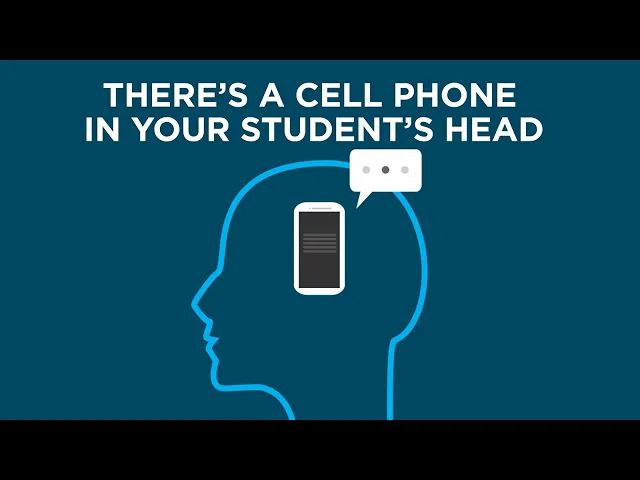
>>Narrator: In 2017, researchers looked at the effect of cell phone presence on students. Students were asked to complete math problems with their cellphones placed on their desks, stashed in nearby bags or clothing, or left behind in separate rooms. They turned off ring tones, buzzing, pings, the works.
In fact, students didn't interact with or hear their phones at all, but it didn't matter. The phone continued to exert a powerful influence, occupying the student's mental space even as they ignored it. Students performed worse when the phone was nearby on the desk, and no, it didn't matter if they turned it facedown.
They didn't fare much better when the phone was hidden in a bag or a pocket. Physical separation from the phone produced the best outcomes. So, what's the new insight here.
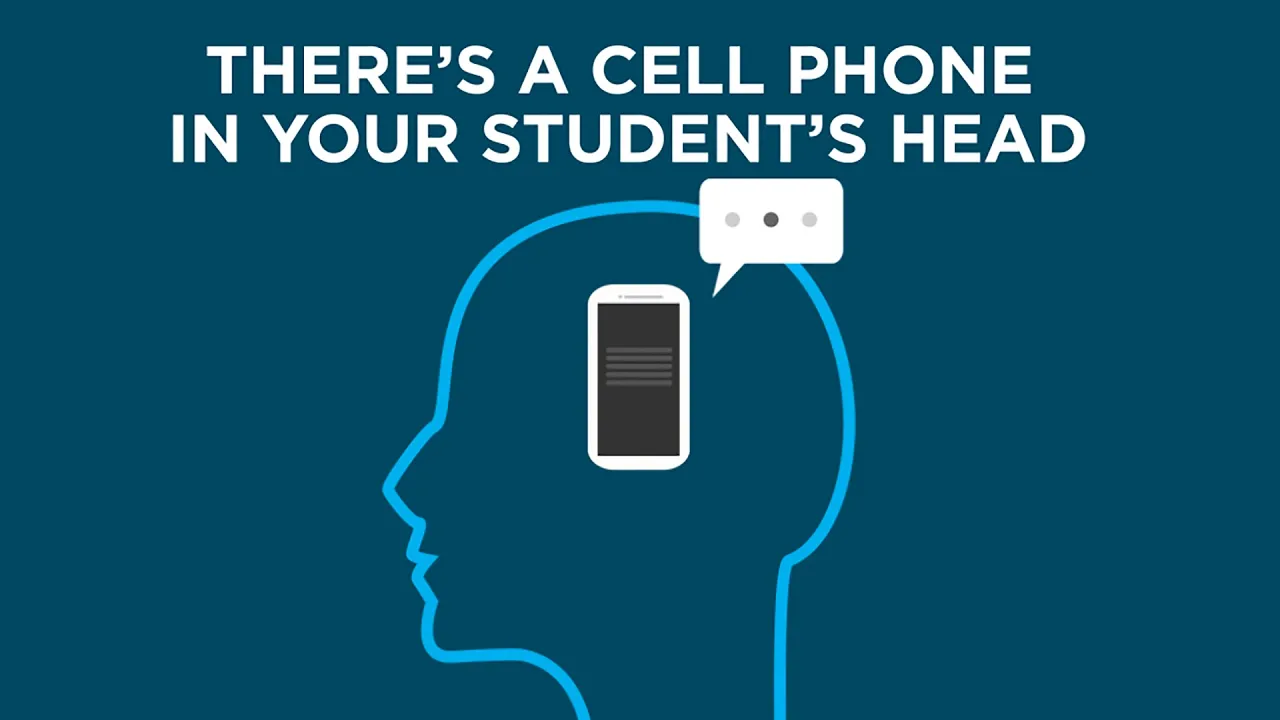
It looks like the mere presence of our phones might be triggering a neural system called automatic attention That's a brain system that unconsciously monitors the environment for signs of crucial importance. It screens out irrelevant information but snaps us to attention when someone calls our name, for example, an infant cry, or a police siren wails. In other words, our phones, with their constant pings and buzzes may be tripping some of our deepest mission-critical wiring, creating a persistent sense of urgency even when the phone is completely off or stored away, and draining away precious cognitive resources that could be used for tasks like studying.
What can be done about all this? The researchers concluded that intuitive fixes like placing the phone face down or turning it off were futile. And that's a direct quote.
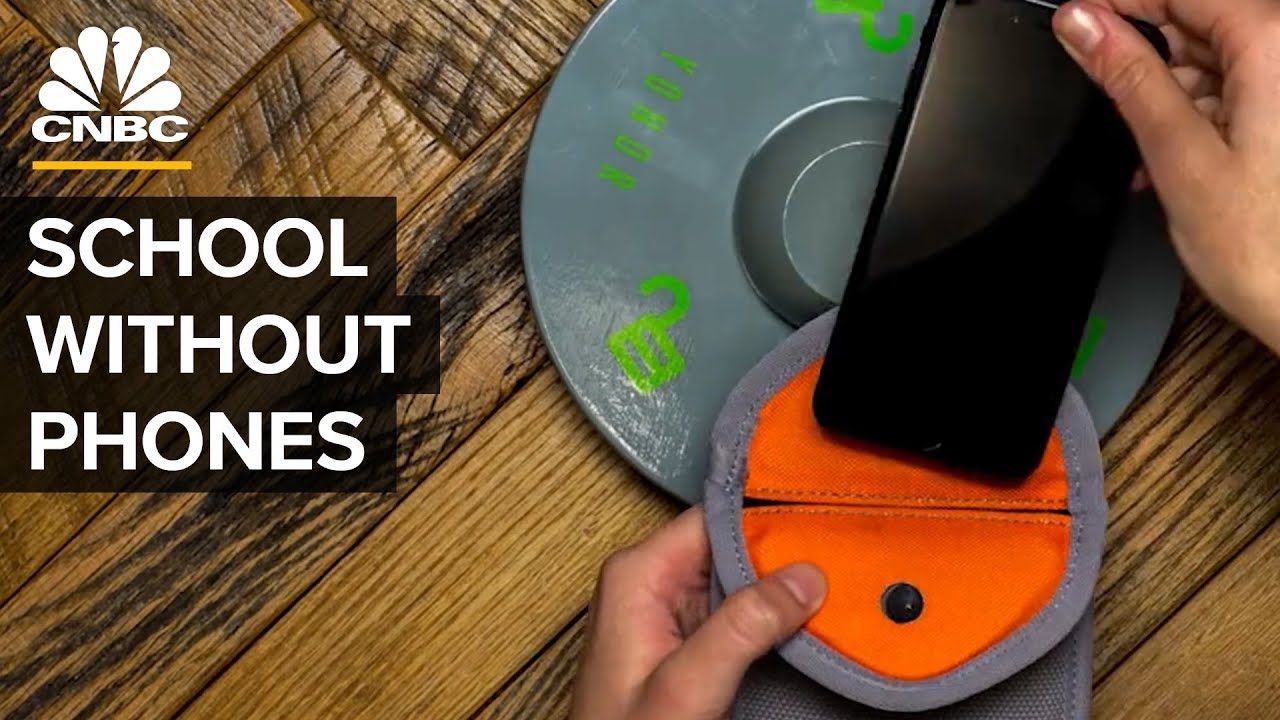
Actual physical separation from the phone was the only effective solution. That's true when your students are taking tests, of course, but the research says that physical separation is even more crucial when they're initially trying to learn something.