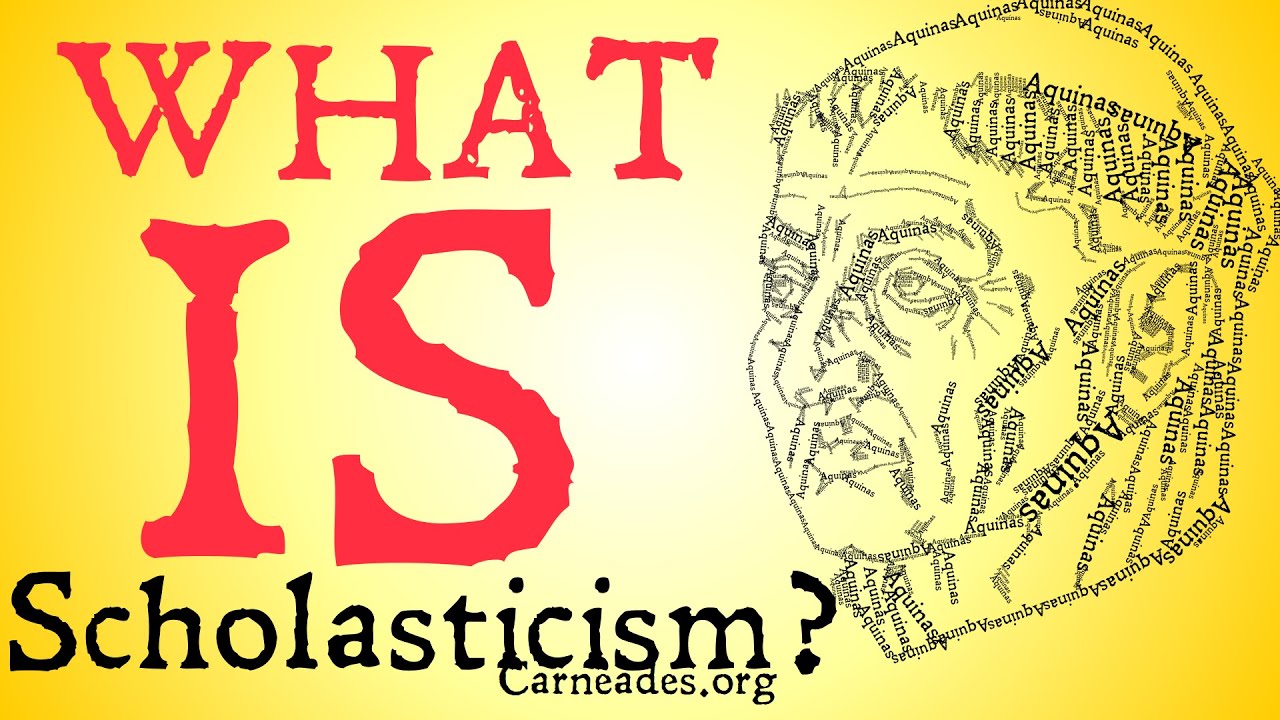
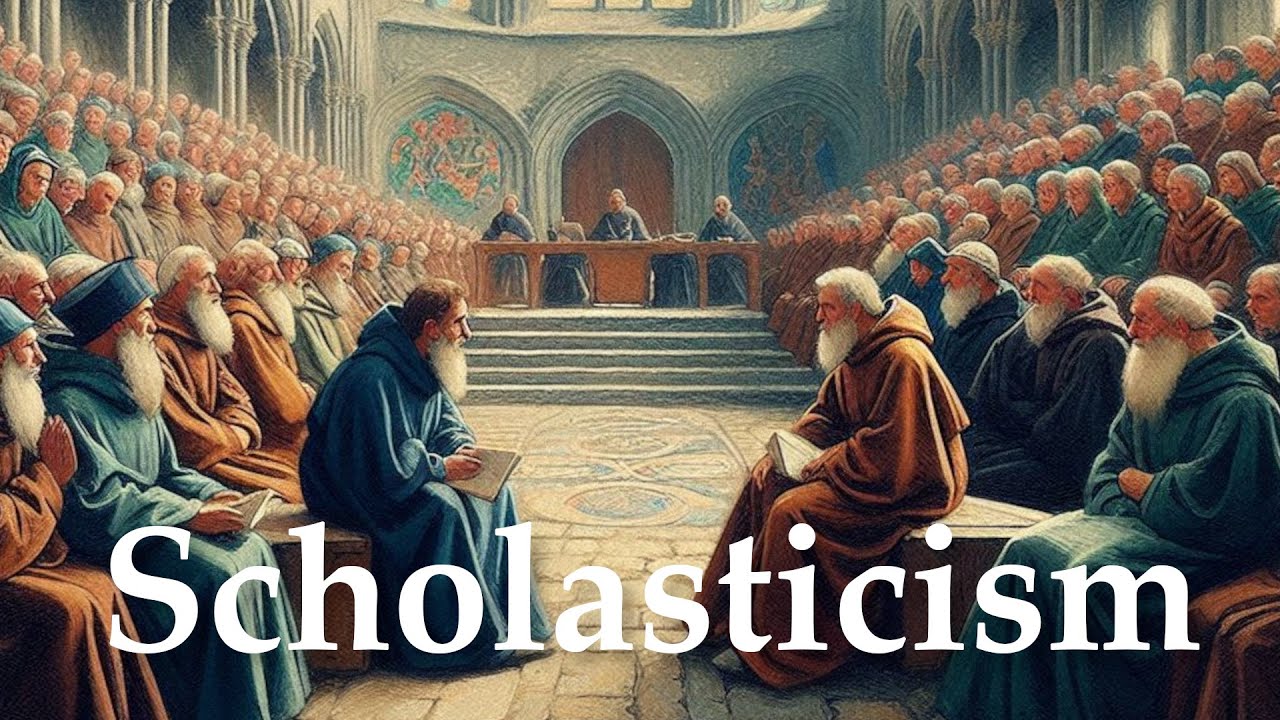
when we use the term scholasticism in church history we're referring to a sudden development or a paradigm shift in educational theory and Method among the top schools and Scholars in the 11th through 13th centuries before the 11th century the primary purpose of schools in the West Was to educate monks monastic education especially north of the Alps consisted of reading a passage of scripture out loud and then contemplating the Deep theological ramifications of it it was biblically based and involved practicing one's faith in a wise manner in Ministry context like singing prayer daily routines of monks and acts of service to the community monastic education was firmly rooted in the Theology of Augustine and the early church fathers and continued in this Focus using this set of methods for many centuries Bernard of clairvaux is an example of a prototypical monastic scholar Saint Bernard was born in northern France in the year 1090. he established a monastery in clairvaux which became one of the more important centers of learning in the cistercian order one of his students eventually became Pope and took the title of Pope eugenius III in 1145. Bernard was known for his ascetic lifestyle forsaking the luxuries do someone in his position his leadership in the monastery and contributions to monastic scholarship resulted in his becoming one of the most influential monks in all Europe Bernard died in 1153 but his legacy includes revitalizing monastic education and preaching the Second Crusade which we investigate in a separate video A Renewed emphasis on education came with the 11th century where there were fewer invasions and more funds for advanced education offered to a greater variety of students in the era of scholasticism urban Cathedrals replaced the rural monasteries as the location of Education monasteries still trained their monks but now secular School Masters ran Cathedral schools in urban locations north of the Alps like Orleans chartres Paris Reems Leon liege and ternai Northern Italy which is south of the Alps was another fertile location of Cathedral schools in the monastic era of Education expert Scholars were anchored to individual monasteries but in the Scholastic era the scholasticus yeagans or wandering Master would move from school to school drawing in students with his expertise and energy Anselm of Canterbury Peter abelard Peter Lombard and Thomas Aquinas are examples of prototypical Scholastics or Wanderers Anselm was born in aosta Northern Italy in the year 1033 he took up monastic vows in 1060 and three years later became the leader of the monastery in Beck 30 years after that ansem was appointed as the bishop of Canterbury his integrity and scholarly abilities became the main two legacies of his career he wrote broadly and deeply about many theological topics in his books pros logium and cure deos homo his views on God Humanity sin and salvation became standards of future Scholastic conversations Anselm typifies scholasticism by searching for a rational argument for every matter of the Christian faith Peter abelard was born in Brittany France in the year 1079.
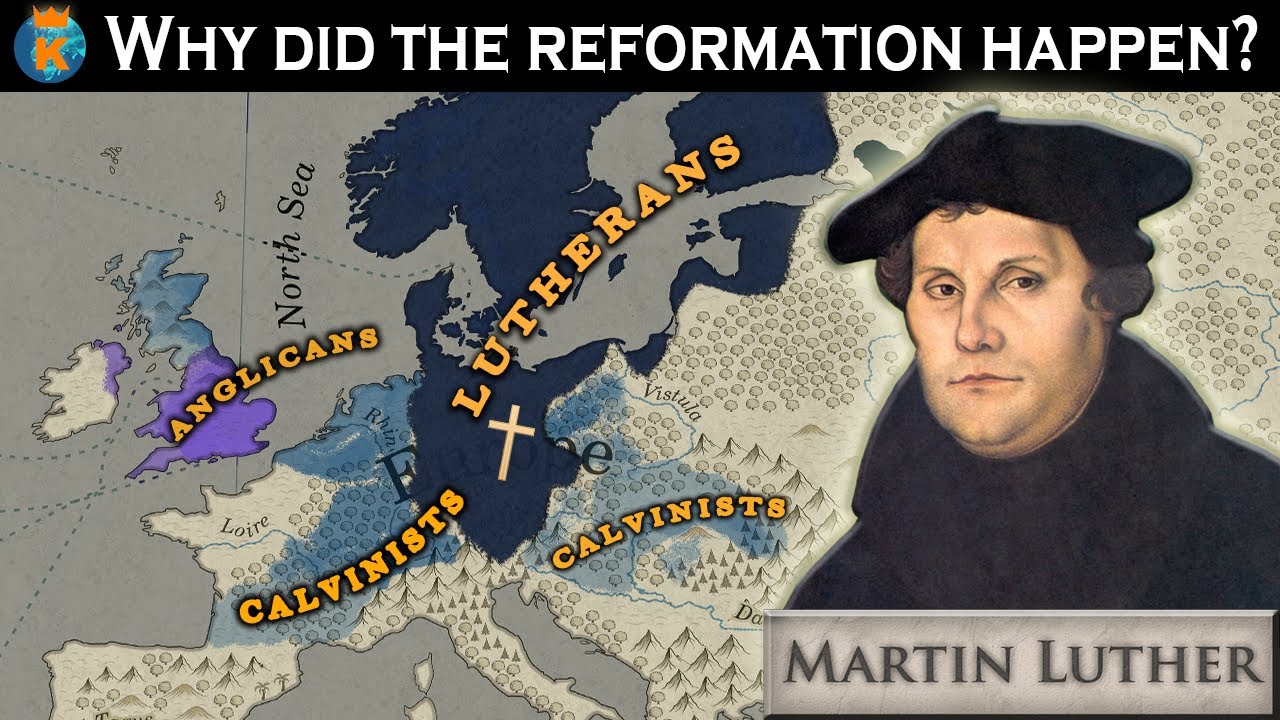
he became a well-known theological scholar debater and lecturer in Paris he began tutoring a younger woman named Heloise and as their relationship evolved into a private marriage it drew the ire of her uncle in those days men in educational ministry as was the case with all clergy were not supposed to marry so Heloise agreed to enter a covenant at which she herself became a well-respected teacher abelard came under attack for his views on the Trinity at the Council of swazon in 1121 and the Council of sense in 1141. by the end of his life in 1142 abelard had challenged the traditional thinking of many scholars his book seek etnon yes or no became a standard theological textbook for centuries to come it addressed potential contradictions in the Bible and the writings of the early church fathers arguing from one side than the other which provided readers with an unbiased examination of both sides of arguments this gave rise to teachers providing students with Theses they could either argue for and against Martin Luther's 95 Theses the 1517 document that led the Protestant Reformation was a collection of such Theses for discussion Peter Lombard as his name suggests was born in Lombardy Italy in about the year 1100 his education took him from Italy to Reems to Paris where he taught at the Cathedral he was appointed Bishop of Paris in 1159 and died a year later Lombard was best known for his four books of sentences which respectively dealt with the subjects of the Trinity creation and sin the Incarnation and the virtues and the sacraments and last things Lombard's sentences became the standard Roman Catholic theology textbook for European Cathedral schools throughout the rest of the Middle Ages it was only exceeded by Thomas aquinas's Summa theologica in the 13th century Thomas Aquinas was largely regarded as the brightest Scholastic mine produced in the Middle Ages as his name suggests Thomas was born in Aquino a town in central Italy in the year 1225.