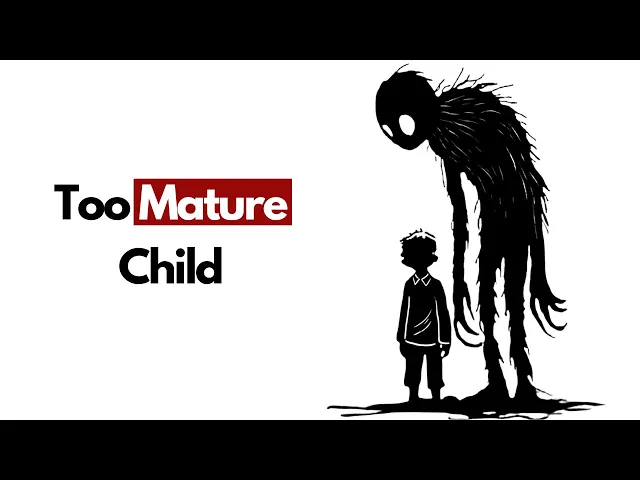
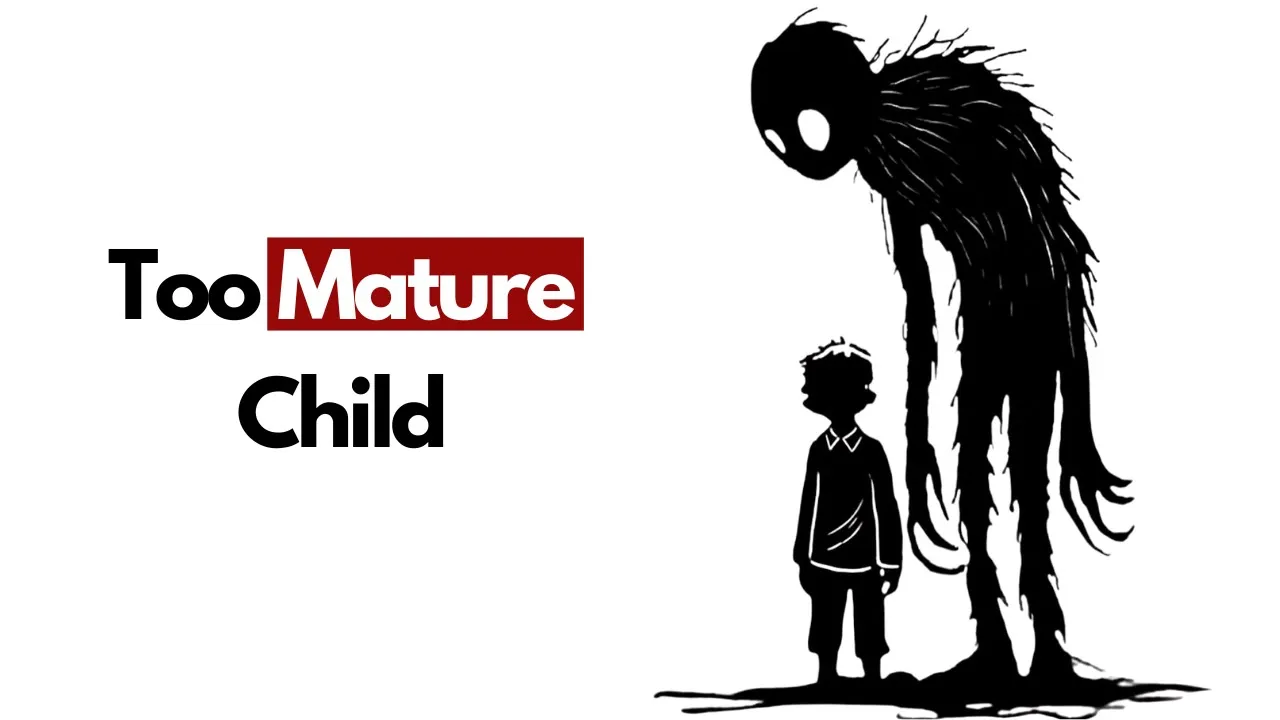
Psychology says some children don't lose their childhood suddenly. They outgrow it quietly. No one tells them they're becoming an adult.
They just realize one day that someone has to be responsible and it might as well be them. This is the psychology of a child who grew up too fast. One early responsibility.
Psychologists call this parentification. When a child is expected to manage emotions, their own or someone else's, before they're ready, the brain adapts by suppressing needs. They learn to stay calm, solve problems, and be mature.
But they also learn that their feelings come last. They weren't born strong. They became strong because there was no other option.
Two, survival independence. Developmental psychology shows that children who can't rely on consistent support develop early self-reliance. They stop asking for help.
They stop expecting comfort. They handle things alone even when they shouldn't have to. As adults, they appear capable and composed.
Internally, they struggle to trust support that feels temporary. Three, split maturity. Psychology explains that when emotional development is rushed, some parts mature too early, while others remain unmet.
They may be wise, serious, and responsible, yet feel confused, guilty, or emotionally unfulfilled inside. They didn't get time to learn how to need others safely. Four, uneasy.
Rest people who grew up too fast often associate rest with neglect or danger. When things were calm, something usually went wrong later. So, their nervous system stays alert.
They feel uneasy doing nothing. They feel useful only when they're needed. Psychology links this to chronic stress adaptation in childhood.
Five, guilt for needing attachment. Research shows that early responsibility often creates a belief if I'm being taken care of, someone else is being burdened. So, they minimize their needs.
They apologize for wanting support. They feel guilty for resting, asking, or depending. Receiving care feels foreign, not comforting.
Six, guarded empathy. Growing up too fast sharpens emotional awareness. They sense shifts in mood.
They anticipate problems. They read people quickly. But psychology shows they also protect themselves by staying guarded.
They know how much it costs to care without protection. If you grew up too fast, psychology doesn't call you broken. It says your nervous system adapted to pressure early.
You learned responsibility before safety, strength before softness, and healing doesn't mean becoming weak. It means learning that you're finally allowed to rest. Did you grow up responsible for more than a child ever should?