The illicit use of heroin accounts for a large share of the health harms related to drug use in Europe. People who are dependent on heroin need to take it to avoid withdrawal symptoms such as panic, anxiety, muscle cramps and diarrhea. In the 1960s, three medical doctors suggested the use of synthetic opioids to stabilise users dependent on heroin, helping them to engage with treatment and work towards long-term recovery.
Opioid substitution treatment (OST) is now the most common treatment for opioid dependence with an accepted evidence base for helping to reduce both health and social problems. OST stabilises brain neurochemistry by replacing the short-acting illicit drugs (like heroin) with medicines that have a longer lasting effects like methadone or buprenorphine. By taking regular controlled doses of methadone, a heroin-dependent patient can reduce craving and withdrawal symptoms Combined with psychosocial support, OST can help patients to stay in treatment and can reduce use of illicit drugs, mortality and crime to obtain the drug.
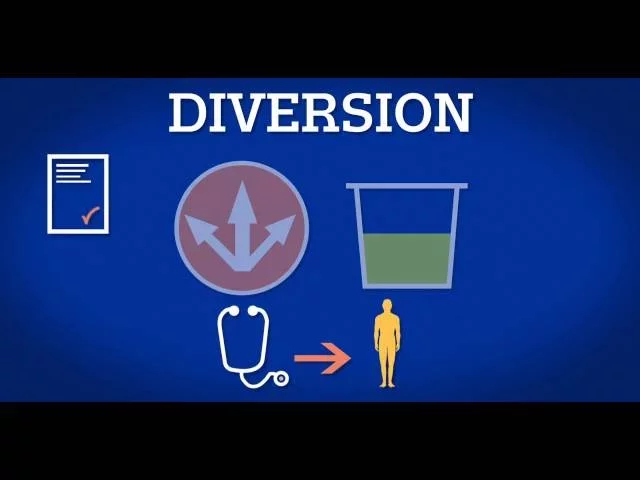
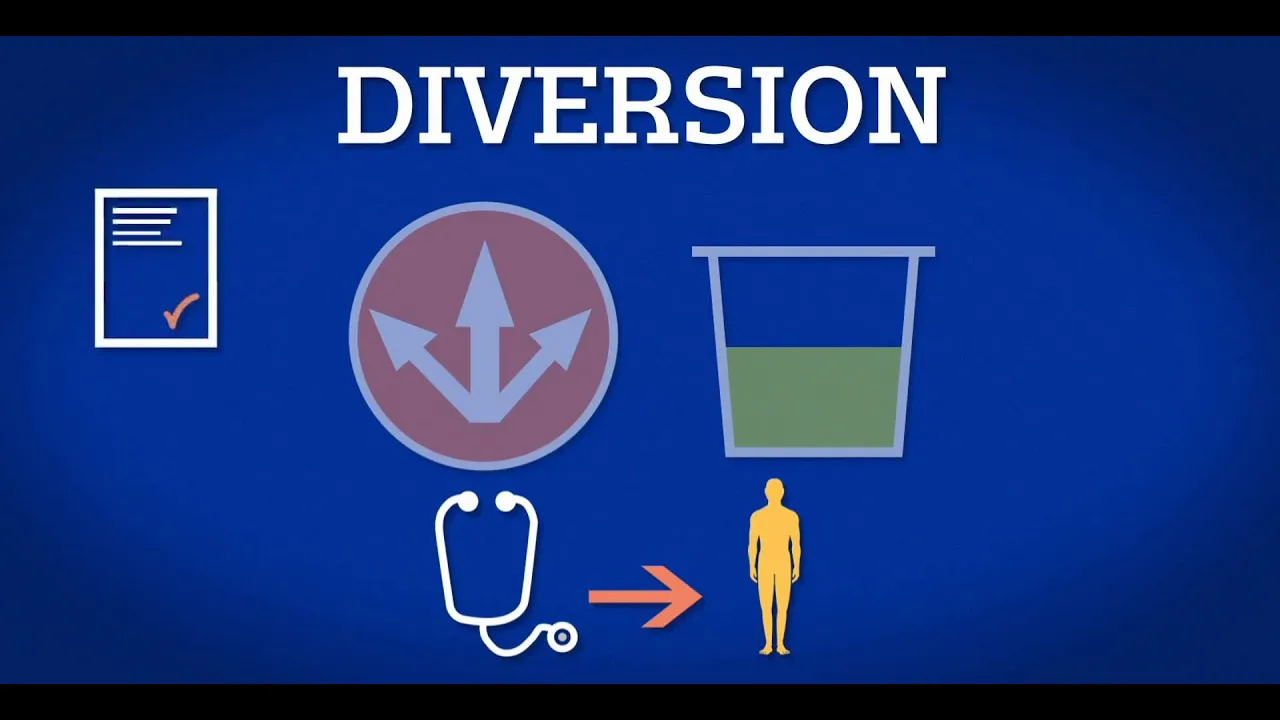
Although OST is considered safe and effective, precautions need to be taken to avoid the inappropriate use of these substitution drugs, the so-called diversion of OST drugs. Diversion can occur at all stages of the drug supply process, both voluntarily through sale or trade of the medicine or involuntarily through loss or theft. Strategies to prevent diversion may target patients, prescribers and treatment systems.
In Europe, these strategies include application of evidence-based guidelines, registries and medicine dispensers and health education for physicians and patients. Opioid substitution treatment is a life-saving intervention, and ensuring the quality of its provision makes it safer and more effective. The illicit use of heroin accounts for a large share of the health harms related to drug use in Europe.
People who are dependent on heroin need to take it to avoid withdrawal symptoms such as panic, anxiety, muscle cramps and diarrhea. In the 1960s, three medical doctors suggested the use of synthetic opioids to stabilise users dependent on heroin, helping them to engage with treatment and work towards long-term recovery. Opioid substitution treatment (OST) is now the most common treatment for opioid dependence with an accepted evidence base for helping to reduce both health and social problems.
OST stabilises brain neurochemistry by replacing the short-acting illicit drugs (like heroin) with medicines that have a longer lasting effects like methadone or buprenorphine. By taking regular controlled doses of methadone, a heroin-dependent patient can reduce craving and withdrawal symptoms Combined with psychosocial support, OST can help patients to stay in treatment and can reduce use of illicit drugs, mortality and crime to obtain the drug. Although OST is considered safe and effective, precautions need to be taken to avoid the inappropriate use of these substitution drugs, the so-called diversion of OST drugs.
Diversion can occur at all stages of the drug supply process, both voluntarily through sale or trade of the medicine or involuntarily through loss or theft. Strategies to prevent diversion may target patients, prescribers and treatment systems. In Europe, these strategies include application of evidence-based guidelines, registries and medicine dispensers and health education for physicians and patients.
Opioid substitution treatment is a life-saving intervention, and ensuring the quality of its provision makes it safer and more effective.