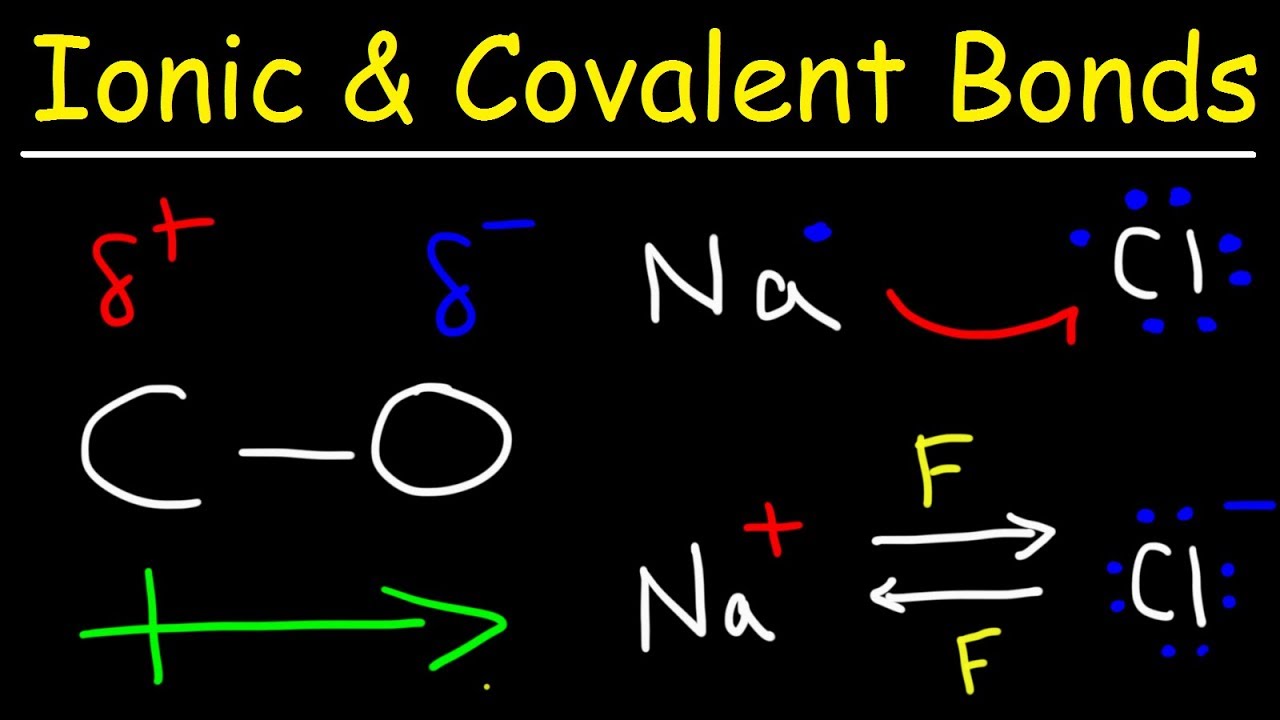
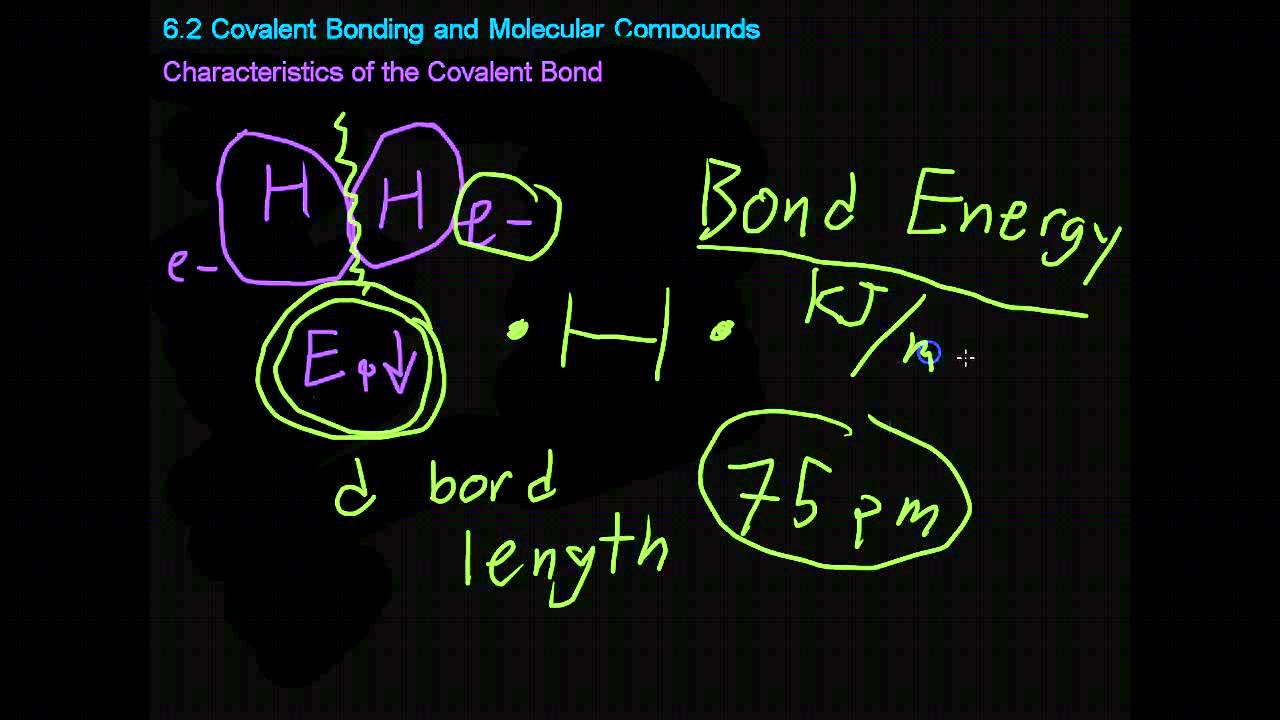
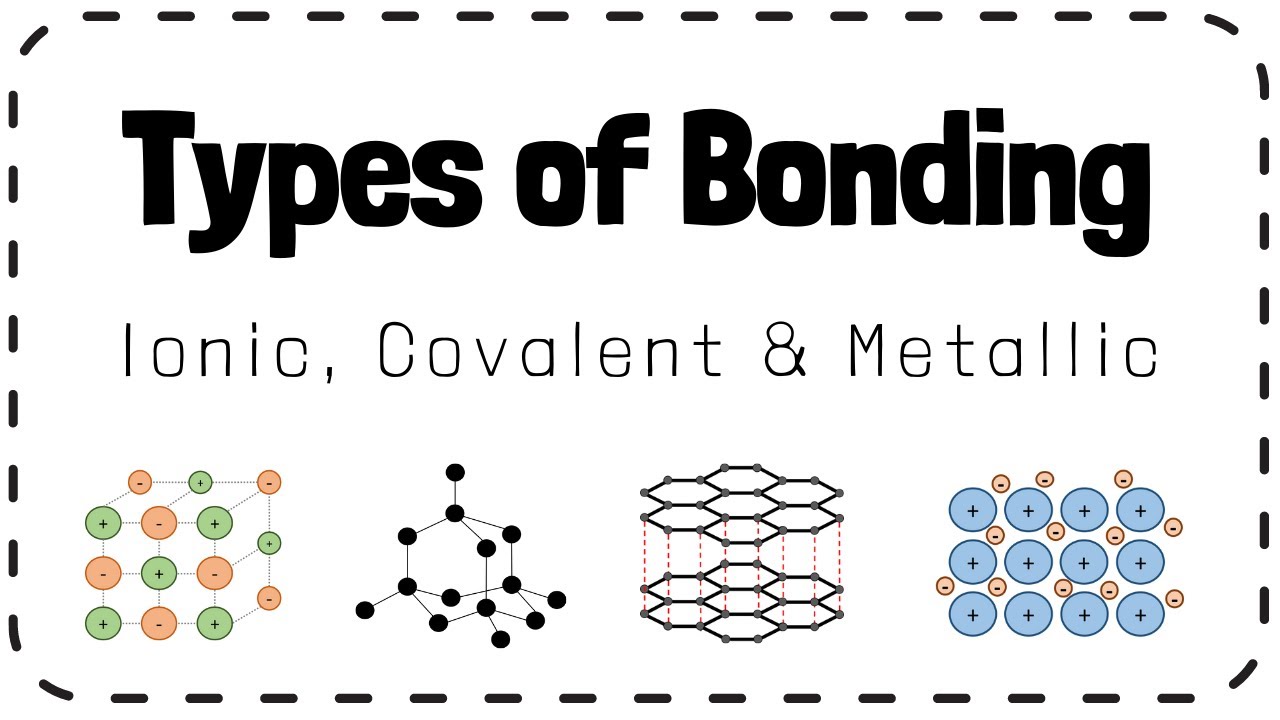
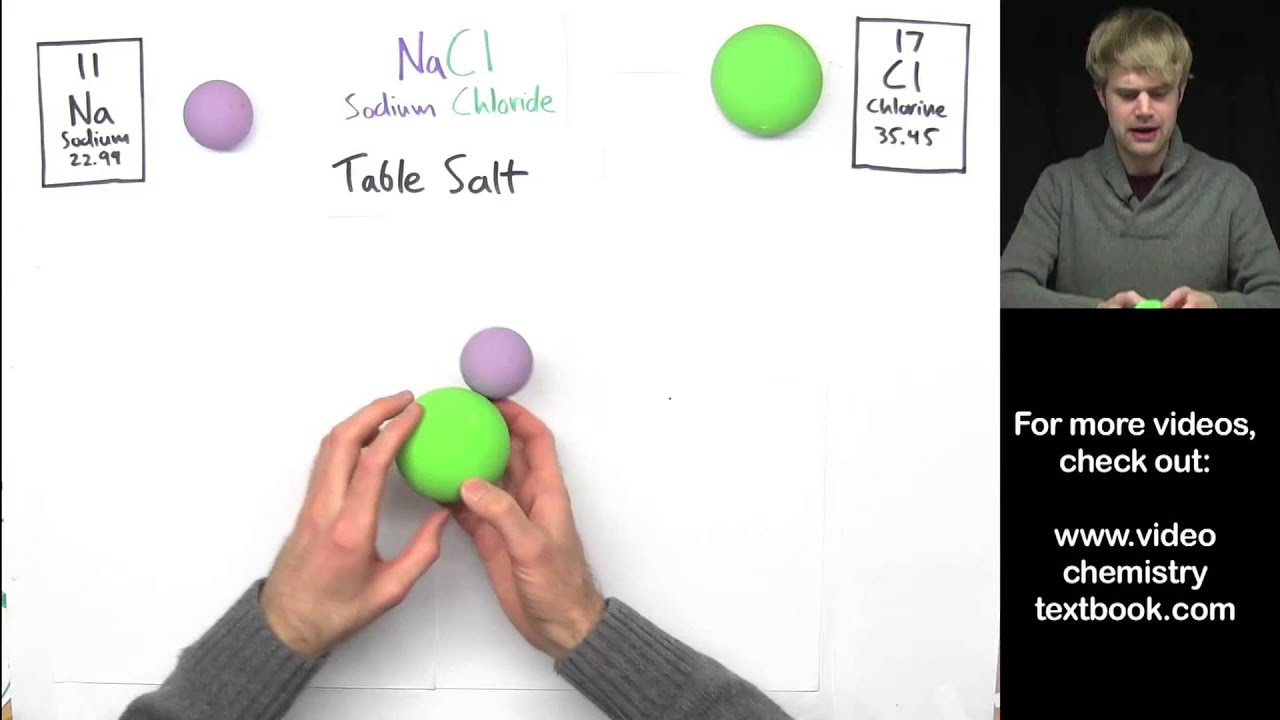
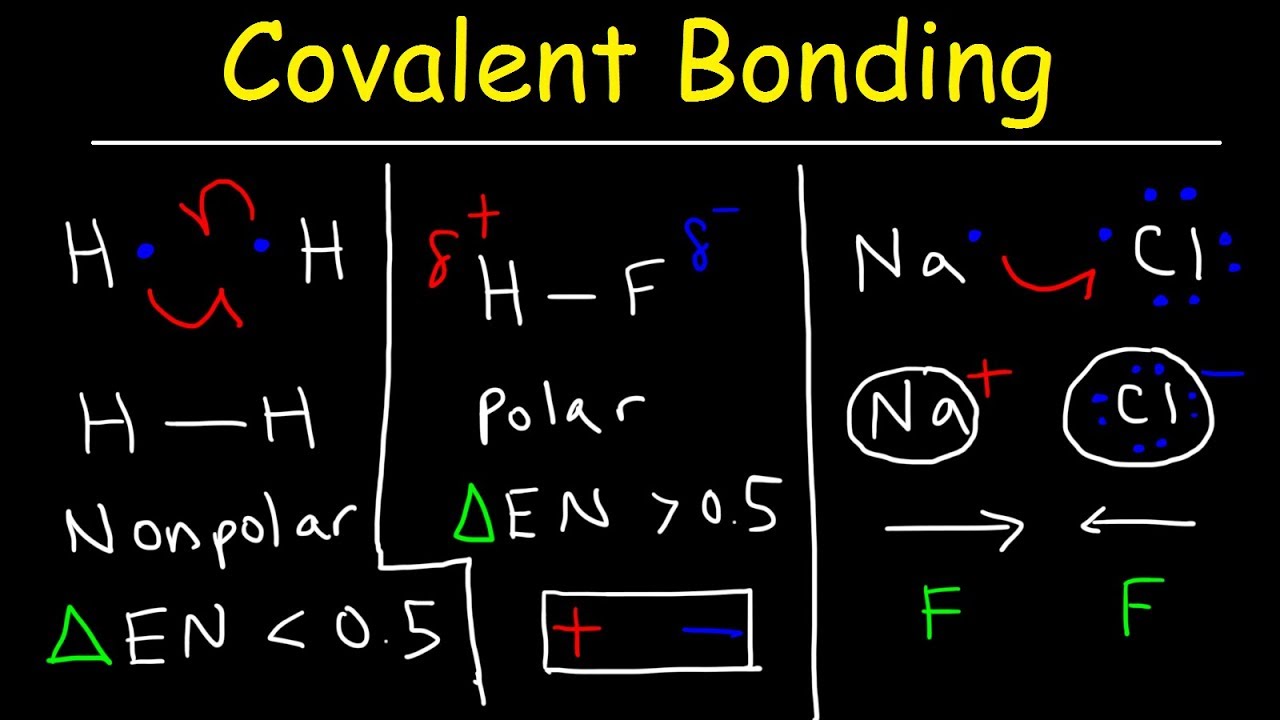
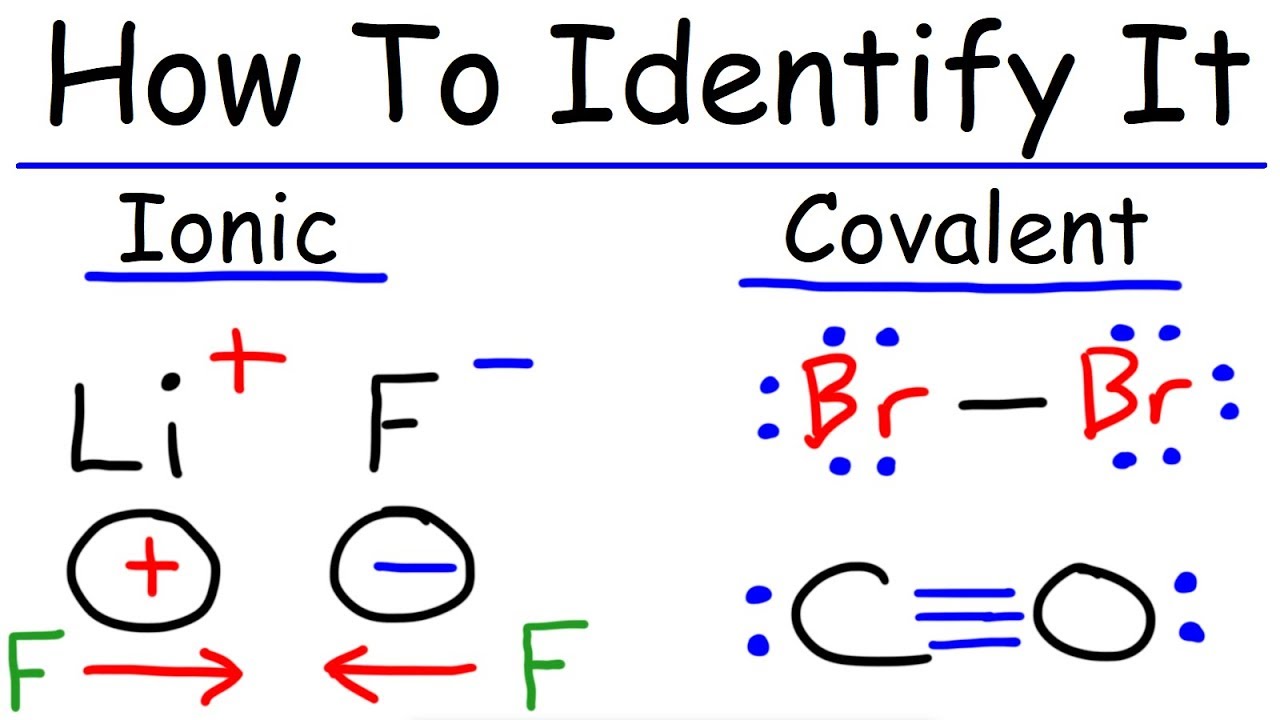
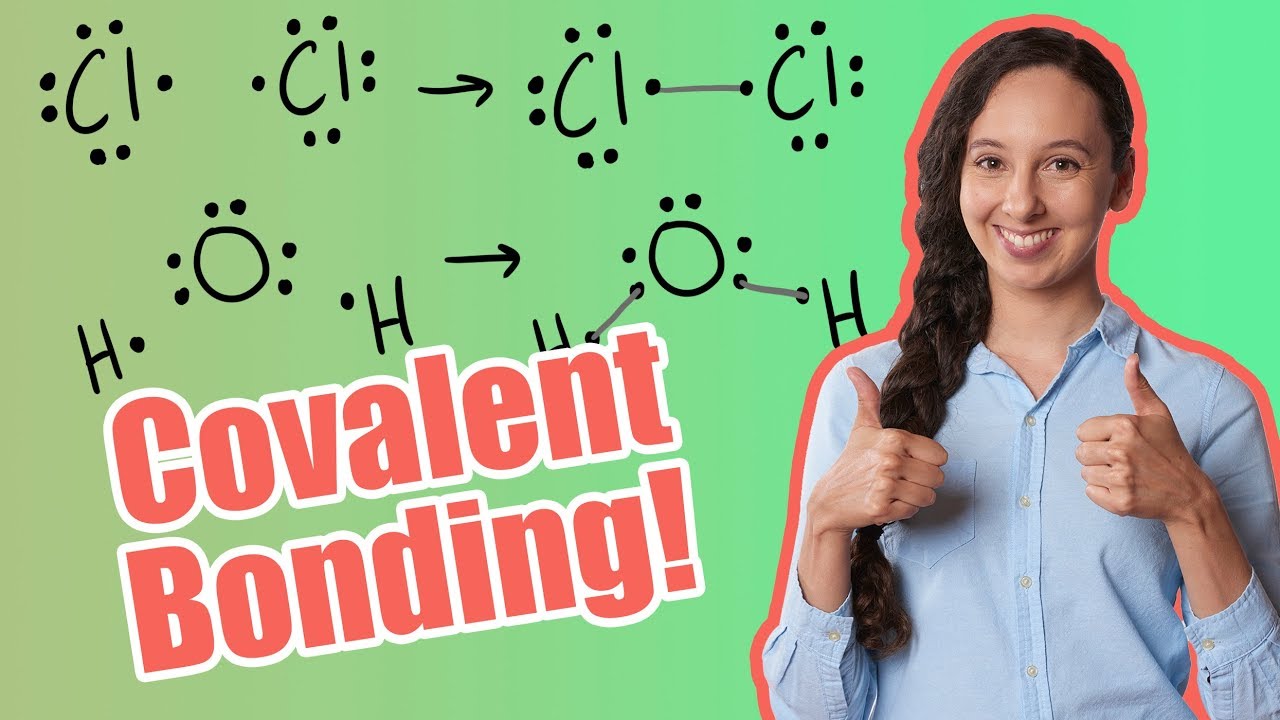
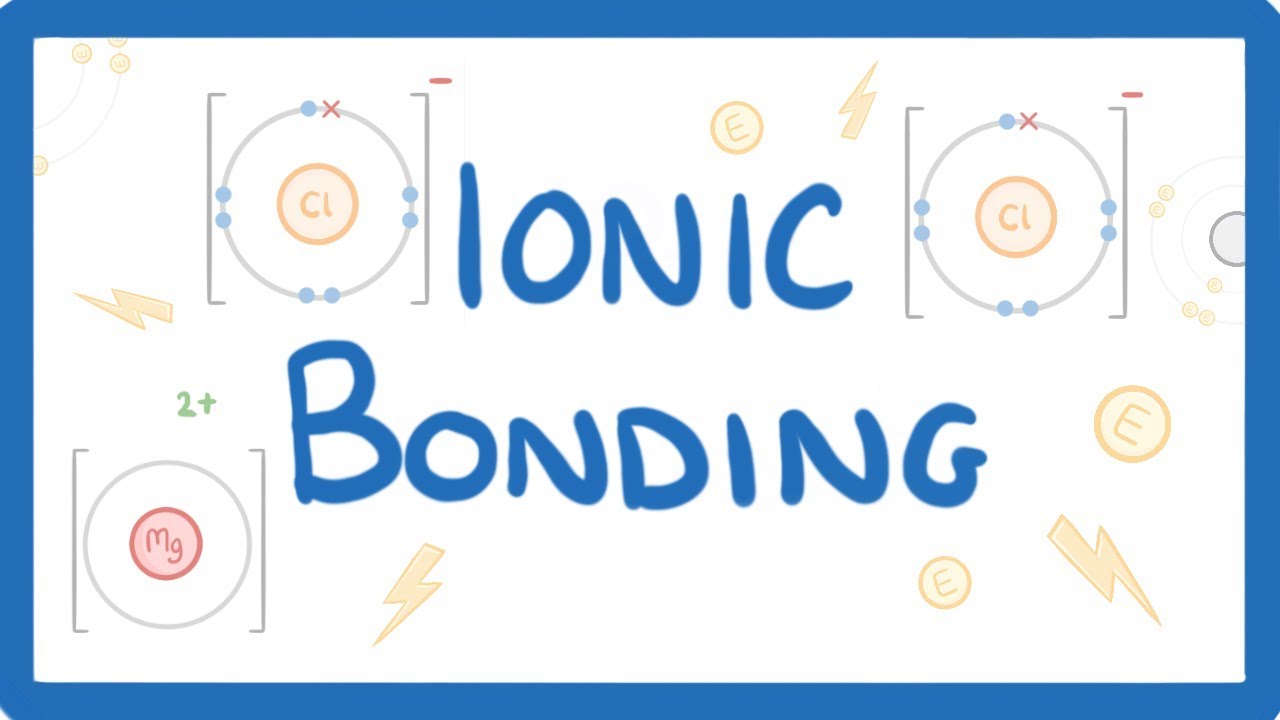
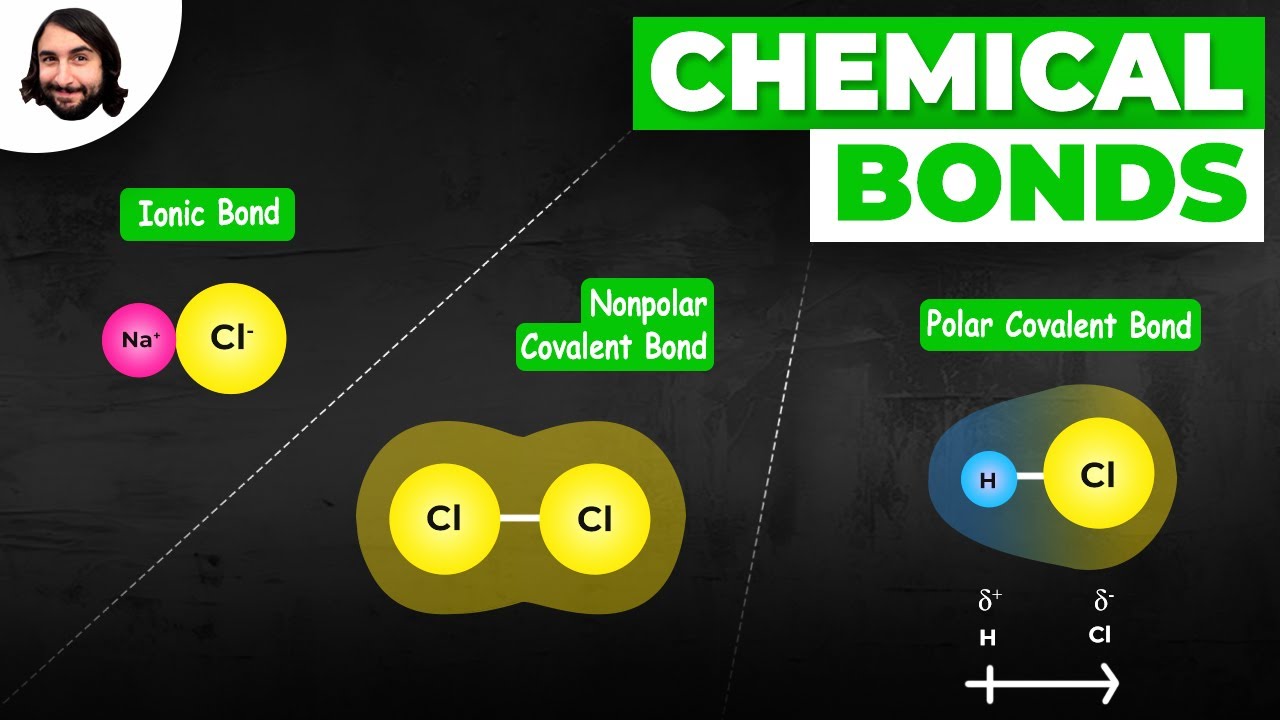
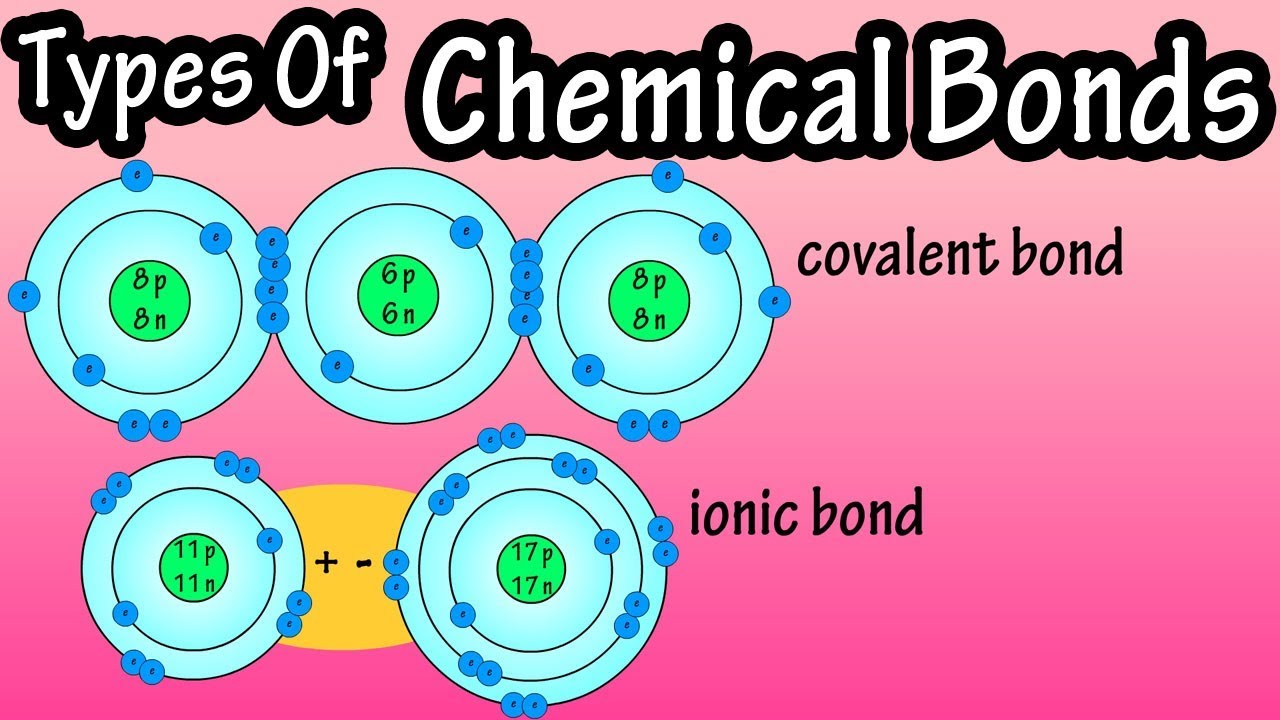
in this video we're going to be covering chapter 6 section one introduction to chemical bonding now chemical bonds are what hold various atoms together because uh most atoms don't exist alone in nature uh they usually exist combined with other compounds in uh chemical bonds uh which are mutual electral electrical attractions between nuclei and veence electrons of different atoms meaning it's uh a way for the charges both negative and positive of atoms to connect them on the basis of attraction to one another and these bonds happen more often than not in nature because most atoms tend to have uh high potential energy however by uh combining they can lower their potential energy by storing it in chemical bonds and become more stable which is uh the natural tendency to reduce uh potential energy so now we'll be covering the various types of chemical bonding and yes there are various types you can't just take two atoms smash them together and expect them to stick uh but in order to bond atoms will rearrange their veence electrons now if you'll remember from last video uh veence electrons are the ones in the outermost energy level so let's say this is energy level one and this would be the arrangement 1 S2 just for review and then this would be the second energy level and this would be the arrangement to S2 so these two here in this second energy level would be uh what are known as the veence electrons and the veence electrons are for the most part the ones that are involved in chemical chemical bonding now in the last video we observed that the metals on the left tend to lose these electrons to form the catons which would make this positive and the non-metals that are on the right so we'll add some more electrons uh tend to take electrons in making them negative so because this uh losing and gaining electrons leads to positive and negative ions what you'll find is that because these Opposites Attract uh these two atoms would Bond I'll give you an example let's say you have sodium which you'll remember is a metal from the right side of the table which has one electron and then uh chlorine which is a hallogen so it has seven electrons in its uh veence what you'll find is that chlorine is very Electric negative so it will take this electron off of the uh sodium leaving the sodium positive and this negative now this is what is called an ionic bond because as you can see the chlorine completely takes uh sodium's electron and adds it to its own veence creating two different ions which then attract mutually bonding them together so while this ionic bonding involves sodium completely surrendering this electron to chlorine meaning it has no more uh veence electrons there's an alternate form of bonding which will cover down here called a calent bonding now calent bonding involves uh not electron transfer however it involves electron sharing so for example if we had two hydrogen atoms which each have one electron in their uh veence they have one electron in total actually what happens is that these two will bond together to form H2 and these electrons will whiz around uh the other atom and their atom that they started with so basically these two bond together and they share this pair of electrons which is what happens in calent bonding is you share a pair of electrons which can then sort of go around either atom uh equally in this case now drawing the line between ionic and Cove valent can be tricky however chemists have devised a system and it involves electro negativity which we covered in the last chapter and you'll remember is on a scale of 0 to four now what you do is you take the electr negativity of one element let's say element one one and subtract the electro negativity of the next element and you will get a number X now if the absolute value of x is more than 1. 7 the bond is ionic because as you can see uh one will have a much higher uh ability to attract electrons to it than the other one however if it is between 1. 7 that is not ionic and greater than uh.
3 what you'll find is that uh the electron will be shared among the two elements however it will tend to favor one so let's say instead of hydrogen this was oxygen now oxygen has a much higher electro negativity than hydrogen so this electron over here from the hydrogen would tend to spend a lot more time over here with the oxygen leading to a sort of negative pull over here and a positive over here and this is what we call a polar calent bond that is uh the electron is shared however it leads to a negative pole on one end and a positive pole on the other and then if this difference between Electro negativities is less than. 3 sorry less than3 what you'll find is that the electron tends to spend almost an equal amount of time with each atom which means to which means it's a non-polar uh coent Bond now just so you get an idea of how to do this I'll do some examples with math so let's say we have two hydrogen atoms which we drew below each with the one electron what you do is you take the two Electro negativities in this case they both have the same and I know that hydrogen's electr negativity is 2. 1 so you subtract them and no surprise 2.
1 - 2. 1 is 0 Which is less than. 3 which means it's non-polar Cove valent now let's move on if you wanted to find a polar Bond let's say you had hydrogen and chlorine now chlorine has an electro negativity of three subtract hydrogen's electro negativity of 2.
1 and what you end up with is an electro negativity difference of 0. 9 which is of course between the 1. 7 and.
3 which means that this is a polar coent Bond and finally if you had let's say Florine the most electr negative uh element which is also a hallogen so it has seven electrons in its veence and hydrogen which has just the one you would again take the two electr negativities this case four which is the absolute Max subtract 2. 1 and you would get a difference of 1. 9 which is greater than the 1.



![A-Level Chemistry | Chemical Bonding [1/5]](https://img.youtube.com/vi/AEiVQ3ZptWM/maxresdefault.jpg)