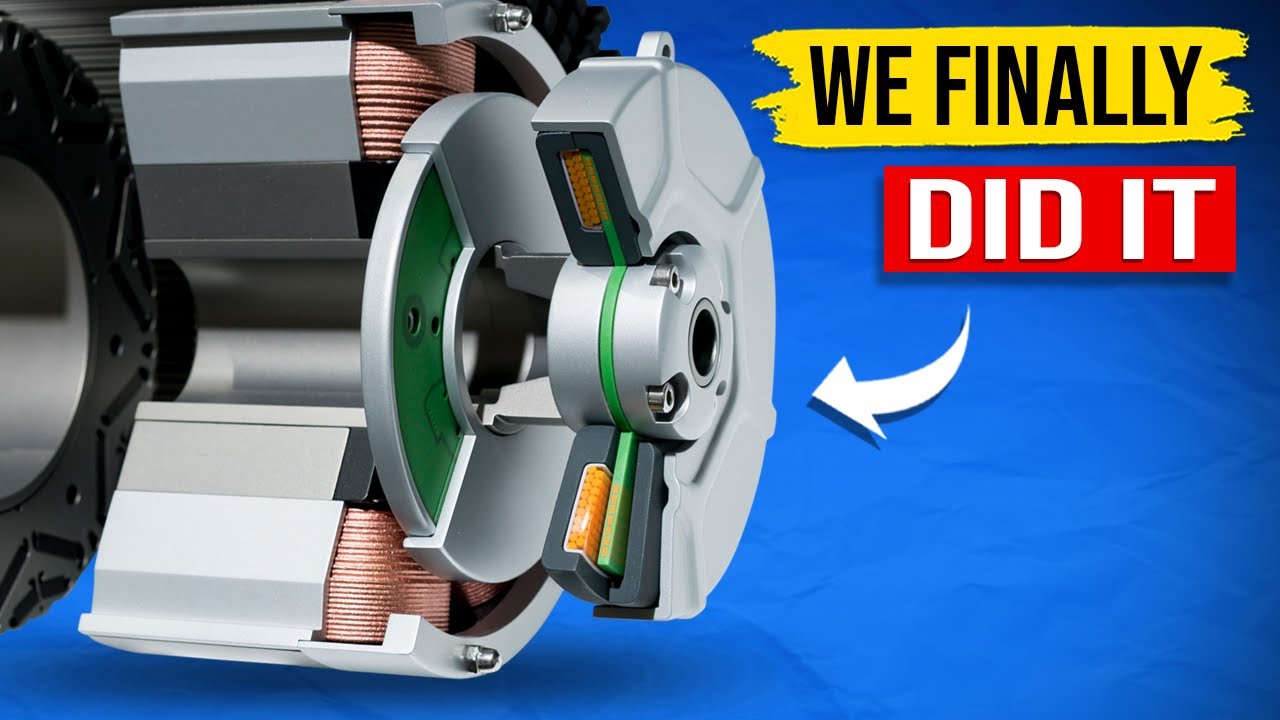
the development of Aviation engines is an ongoing story of creativity and progress it all started with the first piston engines which produced a roar in the sky to today's anti-noise turbofan engines this Evolution has been an extraordinary process but it doesn't stop here CFM rise appears the Next Generation engine that not only Builds on the strengths of its predecessors but also takes a giant leap forward in modern technology so how will CFM rise revolutionize Aviation what can we expect from this groundbreaking engine stay tuned but what is it and how is it born modern technology
is driving the aviation industry to surpass old limitations ushering in a new era of superior performance and greater sustainability engine manufacturers today are not only focused on improving fuel combustion efficiency but also paying special attention to reducing environmental impact in the context of growing Global pressure to reduce carbon emissions breakthroughs in Advanced Materials aerodynamic design and Smart Control Technologies are shaping the future of Aviation CFM rise is a prime example of this wave of innovation with its groundbreaking Technology Program CFM rise is ready to showcase the open fan design a technology that has been researched
and developed for over 40 years in a real world environment for the first time this design promises a leap in fuel efficiency reducing fuel consumption and carbon dioxide emissions by more than 20% compared to current engines advancements in Composite Materials state-of-the-art Manufacturing Technologies and accurate aerodynamics simulations have made the open fan design more feasible than ever this is not only a technical achievement but also a necessary step toward achieving net zero emissions by 2050 the name rise short for revolutionary Innovation for sustainable engines represents the aviation industry's strong commitment to combining Superior technical performance with
environmental responsibility however not only due to sustains for the environment but its technology is also worth for mention and pride so how was CFM rise developed the CFM rise engine introduces groundbreaking Innovations in aerodynamics and sustainability distinguishing itself not only from conventional turbofan engines but also from rolls-royce's ultrafan a key feature of this engine is its open fan architecture a Next Generation design that combines Advanced aerodynamics and noise reduction technology to meet stringent future noise and efficiency standards the development of the CFM rise is the result of Decades of research and collaboration between GE and
saffron jet engines have undergone a remarkable transformation from their simple Beginnings to the advanced turbofan engines of today which boast High bypass ratios for enhanced performance however the Quest for efficiency has led to heavier engines due to increased fan diameters to address this the industry has explored alternative designs like unducted fan engines which efficiently move larger air masses historical attempts at such designs like the Pratt and Whitney Allison 578 Delta X-ray and the General Electric G36 showcase the potential for fuel savings and operational efficiency despite their Innovative features these engines were not pursued further due
to challenges such as noise levels and mechanical complexities fortunately despite the setbacks faced in the past the the aviation industry has seen a Resurgence of interest in open rotor engines thanks to the latest breakthroughs in Material Science design techniques and computational advancements early acoustic and aerodynamic testing in the 2000s followed by saffron's pivotal counter rotating openfan engine test in 2017 under Europe's clean Sky program demonstrated that openfan technology could reduce fuel consumption and carbon emissions by 15% compared to current engines building on this found GE Avio Arrow introduced a singl stage open fan design with
variable blade pitch and fixed guide veins achieving higher Energy Efficiency and reduced noise levels two challenges that had historically hindered open rotor adoption these advancements culminate in the CFM rise engine which achieves a bypass ratio of up to 21 significantly higher than the current CFM leap engines 121 this increased translates to improve fuel efficiency and reduced emissions all while maintaining speed of mock 0.8 comma ideal for narrow body aircraft additionally in a collaborative effort General Electric has refined the design further transitioning to a single fan system with adjustable stator veins for enhanced airf flow management
this streamlined gearbox design reminiscent of those in turboprop engines not only simplifies the engine's mechanics but also holds the promise of additional noise reduction marking a pivotal development in the rise engines Journey moreover tests show that the engine's noise levels are comparable to the CFM leap effectively overcoming the traditional drawbacks of open rotor technology in comparison the Rolls-Royce ultrafan features a geared fan system and a closed architecture optimized for widebody aircraft with a bypass ratio of up to 151 while the ultra fanic cells in scalability and modularity enabling adaptation across different aircraft sizes the CFM
rise focuses on single Isle aircraft with its open fan design this architecture not only enhances fuel efficiency but also supports alternative energy sources like hydrogen and sustainable aviation fuel positioning the rise engine as a versatile solution for achieving long-term environmental goals both engines address pressing environmental concerns but their designs cater to distinct market segments the ultrafan is tailored to meet the needs of widebody aircraft in Long Haul operations while the rise revolutionizes the performance and sustainability of narrowbody aircraft together these engines represent the Forefront of Aviation Innovation Paving the way for a more sustainable future
finally and most eagerly anticipated ground tests are expected to begin in the middle of this decade with flight tests to follow shortly after if all goes smoothly Airbus has also partnered with CFM to prepare for testing this engine on an Airbus A380 with plans to use hydro burning turbofans a major step forward in reducing greenhouse gas emissions the CF Miz engine showcases several groundbreaking features that distinguish it from its predecessors and other traditional turbo prop engines a defining characteristic is its impressive 13 ft rotor diameter which sets it apart as one of the most advanced
open fan designs in aviation the engine integrates a reduction gear set linking the turbine and rotor enabling efficient energy transfer additionally it's design incorporates recuperators to reclaim energy lost through exhaust heat enhancing overall efficiency unlike conventional counter rotating engines the CFM rise employs a unique configuration where the second stage blades are stationary acting as flow recovery veins these stationary blades combined with active pitch Staters for adjustable control enhance the fan pressure ratio and manage rotor load effectively the result is a highly optimized and efficient airf flow system contributing to the engine's Superior performance CFM has
also introduced Innovative manufacturing techniques to build the engine the carbon fiber composite blades are crafted using a three axle weaving technique ensuring they are lightweight yet durable the hot section of the engine features Advanced Materials such as ceramic Matrix composits and high- performance metal alloys which are crucial for withstanding extreme temperatures and stress these materials enhance durability while improving fuel efficiency to further optimize performance the engine incorporates A reduced fan diameter smaller fan blades enable a more compact design requiring less energy to spin and generate thrust thereby significantly improving fuel efficiency this compact design is
complemented by an advanced cooling system a specially integrated air oil system regulates the temperature of critical components ensuring the engine operates at ideal conditions and preventing overheating while the precise details of the cooling system are not publicly disclosed it is likely a combination of Cutting Edge methods designed for high reliability another standout feature of the CFM rise is its a integration of a hybrid electric system which represents a significant advancement in aviation technology by leveraging this system alongside its other Innovations the engine is projected to reduce fuel consumption by 20% marking a major step toward
more sustainable and efficient Aviation Solutions however the lack of a protective casing has raised concerns about the potential risk of fan blades breaking and flying into the aircraft structure if the fan blades of an engine break and fly off it is an extremely serious situation but modern engines like the CFM rise have been designed to mitigate this risk in addition engine manufacturers conduct blade out tests to simulate fan blade failure scenarios to assess the protection and damage control capabilities the design of the CFM rise also includes several enhancements to minimize the risk the fan blades
made of carbon fiber composite are not only lighter but also reduce the energy released when they break Additionally the force distribution mechanism within the engine along with the automatic shutdown system helps control the situation and prevents the damage from spreading to other components thanks to advancements in design testing and safety technology the risk of fan blade failure causing danger to the aircraft is extremely low preventive measures have been put in place to protect passengers and crew in all situations the CFM rise engine was developed with a groundbreaking vision for the Avi industry focusing on long-term
sustainability and environmental benefits this engine represents a significant Leap Forward in reducing the aviation sector's impact on climate change with its ability to significantly lower carbon dioxide emissions and other pollutants this is achieved through the integration of Advanced Technologies and the use of alternative energy sources like hydrogen and sustainable aviation fuel these Solutions not only cut greenhouse gas emissions but also paved the way for a Greener fu future in aviation development in addition to its environmental friendliness this open rotor engine offers substantial economic advantages through Superior fuel efficiency this helps Airlines significantly reduce fuel expenses
one of the largest operational costs thereby optimizing profitability for passengers the engine delivers a smoother and more comfortable flying experience while also reducing noise and enhancing service quality compared to competitors like the Pratt and Whitney PW 1000g Rolls-Royce Trent 1000 and CFM International leap the CFM rise engine stands out by combining performance sustainability and Cutting Edge technology notably its Advanced cooling Technologies lightweight yet durable materials and Innovative architecture have set a new standard for efficiency and Environmental Protection looking ahead the rise engine is expected to become the leading choice for commercial aircraft including both single
Isle and twin Isle planes its adoption not only benefits Airlines but also encourages robust Innovation and investment in the Aerospace industry this will create thousands of job opportunities stimulate economic growth and reshape the future of Aviation towards greater sustainability contributing positively to the fight against climate change but which aircraft will rise be equipped for the CFM rise is primarily designed for narrowbody aircraft such as the Airbus a 320 or Boeing 737 to improve fuel efficiency reduce carbon dioxide emissions and cut operational costs for short to medium Hall flights however although it's intended for narrow body
aircraft this engine will be tested on the Airbus A380 one of the largest widebody aircraft in operation today this demonstrates that the engine technology has the potential to expand to widebody aircraft in the future the advanced architecture of the CFM rise engine provides flexibility in designing and deploying various aircraft types from single aisle to Twin Isle planes better meeting the demands of modern air transportation testing on the A380 is a significant step proving that open rotor engines can be adapted to meet the demanding requirements of larger aircraft while maintaining high performance and fuel efficiency with
this flexibility CFM rise could not only be a potential choice for narrow body aircraft but also a feasible option for widebody aircraft marking a significant shift in the aviation industry and expanding the appli of this new engine technology to various types of aircraft what do you think about the rise engine when do you think rise will be operational leave your comments below thank you for watching and may all your Journeys be safe and smooth