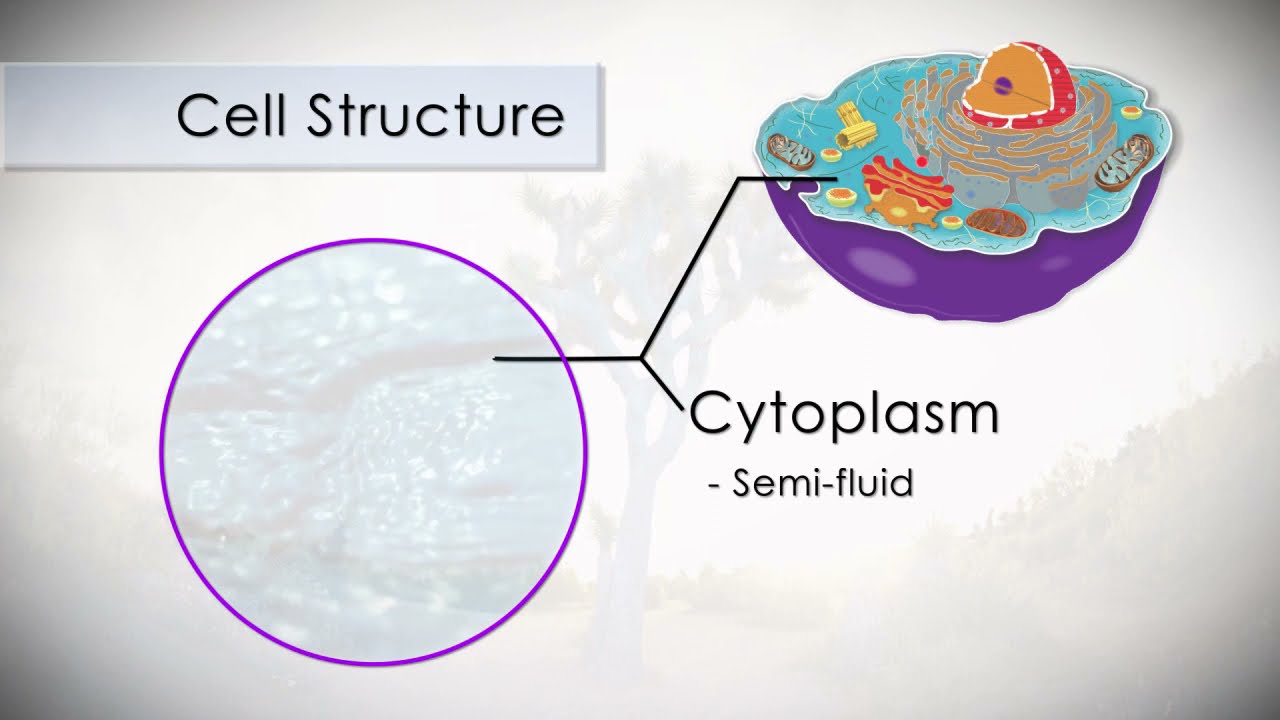
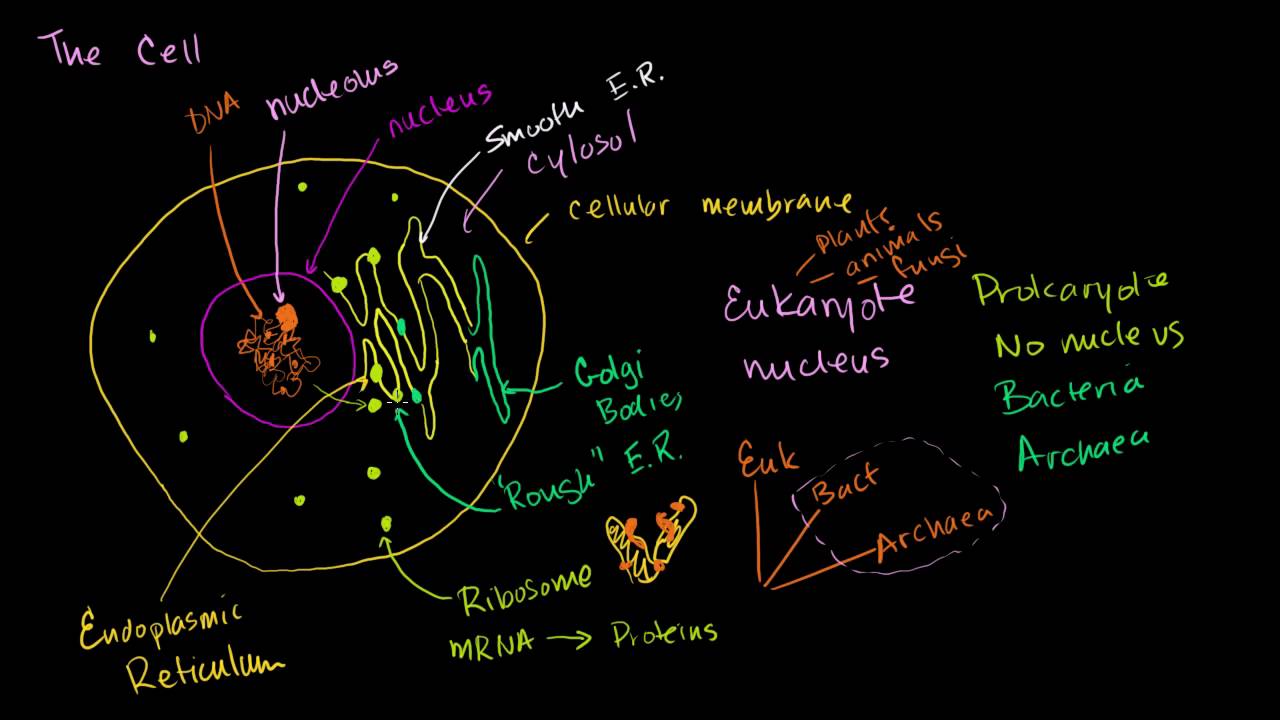
hello and welcome again to study this where we review a chapter of a textbook and today we are going through chapter two of guyton hall's medical physiology and this chapter is titled the cell and its functions and just like the title suggests we will be going through what a cell is made out of and what its organelles actually do and how they function if you enjoy the video please give it a like and subscribe it will help the channel and if you have any comments please leave it down below so to start with we describe
exactly what's in the cell itself and these substances which are within the cell is called the protoplasm and there's five basic substances water electrolytes proteins lipids and carbohydrates that essentially makes up every part of of the cell and even the human body water is involved with the cellular reactions and 70 to 85 of the cells are actually water the most important ions include potassium magnesium phosphate sulfate bicarbonate by far potassium appears to be relatively abundant and we will get into more details about those in further chapters there are smaller quantities of sodium chloride and calcium
which are more prevalent than your extracellular fluid in terms of proteins we have two types structural proteins and functional proteins structural proteins as the name suggests provides a structure to the cell and that does that through these microtubules that provides a cytoskeleton so like the skeleton provides support to your body a cytoskeleton provides support to the cell we also have other components like the cilia which helps to move substances about we have mitotic spindles which is involved with mitosis which is the process of actually splitting a cell into two and essentially these structural proteins form
these thin filamentous tubules which hold the cytoplasm together there are functional proteins as well which are mainly enzymes which function to break down different products and are involved in all the chemical reactions lipids as a group is a substance which is soluble in fat solvents the most important ones in in the cell is the phospholipids and cholesterol as we'll get to this is mainly the components of the membranes within the cell now lipids are insoluble to water so that's why they actually helped with the membranes so they can actually compartmentalize the cell then we have
carbohydrates and as you would expect carbon carbohydrates provide the nutrition of the cell mainly through glucose if glucose doesn't need to be used right away then it's stored as glycogen which is a a polymer of glucose so to get to the actual physical structure of the cell we have the cell membranes and the cell membrane consists of phospholipids single lipids and cholesterol but mainly the phospholipids is the main structure here and we have two parts to this phospholipid so we have the phosphate end which is hydrophilic so that means it attracts water so water likes
to hang out on this end and also this end as it is a bilayer so we have phospho phosphate groups and then we have our fatty acids in the middle which is hydrophobic and that creates the membrane bilayer so this entire thing is the cell membrane and this is what they mean by a lipid bilayer within this lipid by layer you may have a cholesterol group or different proteins but we will get to that very shortly and as described here this membrane is impermeable to water-soluble substances so ions glucose and urea they can't cross over
this membrane so they can't cross go through however fat-soluble substance they can dissolve right across so oxygen carbon dioxide and alcohol they can diffuse straight through this membrane with ease sphingolipids appear to have more of a role in nerve cells but they protect the cell against harmful environmental factors they are involved with signal transmission and also adhesion sites for extracellular proteins so they're just within this membrane like our cholesterol here now the cholesterol it is highly fat soluble and that's main role is to determine the permeability and the fluidity of the membrane so the more
cholesterol you have within the membrane then the more impermeable the membrane is to your water-soluble substances so these guys here but at the same token cholesterol also makes the membrane more fluid then we get to our proteins within the membrane and we have two types of proteins here we've got integral proteins and we've got peripheral proteins so integral proteins have channels or pores so they kind of act like a gate through the membrane itself and there's different types of ventricle proteins which may just allow passive diffusion through the membrane or act as carrier proteins and
act more like a gate they can also however serve as receptors for water-soluble chemicals or you know various hormones and things like that peripheral proteins act more like enzymes or control of the transport of substances across the cell membranes so if we have a look at this diagram here we have our bilayer here of the alveophospholipids we have some proteins that traverse straight through the membrane this is an integral protein and as we remember integral proteins act for transport of substances through the membrane and also can be a receptor and we also have a peripheral
protein which can act as an enzyme system will be involved in communication as well then we have all of these little funny guys on top here which represents carbohydrates and as you'll see these carbohydrates are attached onto the lipid itself or onto the protein and that gives its name so if it's on top of a lipid then it's a glycolipid if it's on top of a protein it's called a glycoprotein and this entire carbohydrate mix on top of the membrane here is called the glycocalyx that has several functions outlined here one is to provide a
negative charge to the cell membrane that negative charge then repels negatively charged objects the glycocalyx also attaches to other glycocalyxes of other cells so it can provide some structure between cells it can also act as a receptor for hormones and then also has some immune functions as well and that really describes our membrane of the actual cell itself so if we start to get into some of the internal organs here or organelles as they called within the cell we start by describing what the endoplasmic reticulum is also known as the er and that's shown here
in this diagram here so the function of the endoplasmic reticulum is really to produce and process substances but those substances that are produced depends on the type of er and you can see we have two types here the granular er which is covered in these little circles called ribosomes and then we have the smooth er or a granular er and the the granular endoplasmic reticulum really functions to produce proteins because of these ribosomes which are little protein manufacturers and then our a granular er functions to produce lipids once these substances are produced they then pinch
off little vesicles which then gets transported to the golgi apparatus here the substances are further processed to either form a lysosome secretory vesicle or other cytoplasmic components so the golgi apparatus is more of the processor as we'll get to it does have some manufacturer properties for producing carbohydrates but it mainly processes substances produced by the er and one of those substances is lysosomes so lysosomes can almost be thought of like the stomach of the cell and they're little vesicles which contain digestive substances and their function is to go to damaged cellular structures food particles or
unwanted matter such as bacteria and actually break those components down into your substrates or just to destroy the bacteria itself they mainly contain hydrolase which is essentially a digestive enzyme and they break down protein into amino acids glycogen into glucose and lipids into fatty acids and glycerol we also have another almost stronger lysosome as a way to think about it called a peroxisome peroxisomes are similar to lysozymes but they have two important differences one of which is that they are formed by self-replication rather than being formed by the golgi apparatus and they contain the oxidases
instead of hydrolases and what these oxidases do is that they combine oxygen with hydrogen and form hydrogen peroxide hydrogen peroxide is a highly oxidizing substance which allows it to actually destroy substances which would actually be poisonous to the cell so it is a heavier duty version of a lysosome they can also catalyze long-chain fatty acids next up is the mitochondria which is depicted in this diagram here and mitochondria are always thought of as the powerhouses of the cell and the reason for that is they produce the energy that we need within the cell and within
the body itself and the total number per cell is really determined by how much energy that cell needs and what it produces is atp and atp can be thought of as the energy currency within the cell so that is the main function of our mitochondria which are actually self-replicative and there is also evidence or thoughts that the mitochondria used to be its own cell and then at some point in the evolutionary process they got incorporated into the eukaryote cells and they form the symbiotic relationship and there will be more on atp further up so next
up we have the cell cytoskeleton which is rather self-explanatory we've already kind of talked about that where we have these microtubules all these filaments that provide the cytoskeleton to the cell and then we have the nucleus almost thought of like the brain of the cell or the control center of the cell and the nucleus contains dna which contains genes which contains the codes to tell the cell what to do and what cell proteins to form and it also determines when the cell should grow mature or replicate or even die so it is the control center
it tells the cell what to do and how to function and we will talk about how dna performs its functions within the next chapter it is also surrounded by its own cell membrane which is called a nuclear membrane which is fairly similar to before other than having larger pores to allow the transport of protein or various substances through the membrane within the nucleus we have the nucleoli and the nucleoli largely represents rna and proteins typically found in ribosomes so the nucleolus is large in cells which are producing a high quantity of protein molecules and that
really summarizes all the different organelles within the body so these cells if we want to compare them to other cells within the world we have our bacteria which are slightly smaller smaller than that is a large virus and then smaller than that still is a smaller virus so you can see the cell is the larger type of cell so moving on we have the functional systems of the cell including the ingestion of materials that will be need to use within the cell and that is done by a process of endocytosis which essentially means that the
cell membrane collapses in on itself forms a circle and then pinches itself off to form a vesicle containing those substances within the outside world and there are two types of endocytosis pinocytosis and phagocytosis pinocytosis which you could think of like pina colada is the endocytosis process of liquid or small substances easiest to just think of liquid substances for pina colada phagocytosis on the other end is the endocytosis process of larger molecules usually bacterium and things like that and as you can see on this diagram after those substances are endocytosed and form this vesicle lysosomes jump
into action fuse with the vesicle and then digest those substances down into the substrates once the body has used those portions that it needs we have the residual body which is left which can be thought of as the waste products which is then excreted by exocytosis and these lysosomes contain bacterial cyto agents as described here including lysozyme which dissolves the bacterial cell membrane lysopharyn which binds to iron making it unavailable for the bacteria which is needed for their growth and also by having an acidic ph which just disrupts their function altogether but lysosomes don't only
function by destroying bacteria or ingested material they can also break down components of the cell which are no longer in use which is a process called ordolysis and and then to play on that even further lysosomes can also do a process called autophagy which is the housekeeping process from removing whole organelles or large proteins which then get degraded and recycled so any malfunctioning portions are recycled within the cell here we go into further detail about the endoplasmic reticulum which we've already talked about where the granular er forms proteins smooth er forms lipids but there are
other functions too so they do also produce enzymes which control the breakdown of glycogen which releases the glucose which is then used for energy and then they also produce enzymes which are capable of detoxifying harmful substances getting into more details about the golgi apparatus they process substances formed by the endoplasmic reticulum but they can also synthesize carbohydrates some of these carbohydrates include hyaluronic acid and chondroitin sulfate which have several functions including providing structure to mucus and other glandular secretions providing structure to the extracellular matrix being part of the structure of cartilage and bone and also
for various cell activities such as migration and proliferation this diagram here really depicts those various systems we have the granular endoplasmic reticulum forming proteins smooth er forming our lipids which then produce the vesicles to be processed within the actual golgi apparatus which also produces carbohydrates and also lysosomes which then inform their own secretory vesicles to then be sent out or secreted into the nearby environment or used within the cell and then to get into more details about mitochondria this is a rather simplistic diagram of what's called the krebs cycle or an aerobic respiratory system whereby
glucose or sometimes fatty acids and amino acids are used within the system to produce atp or the energy currency of the cell and carbon dioxide and water as by-products this is a rather important system which has many more steps than outlined here and is rather important for the cell atp itself is made up of three main components we have a nitrogenous base called adenine we have a sugar called ribose and then we have our phosphate groups which contains the high energy bonds depicted here and here which get broken to form energy so atp as a
structure its main components are these phosphate regions and when a system needs to use some energy it will break off this phosphate bond releasing energy to be used for a specific function and then atp gets turned into adp if another bond is broken again then we form amp and as described before this is the energy currency of the cell so this atp molecule can then go to wherever energy is required break off a bond give a bit of energy some of these functions are outlined down below here which includes transport of substances across the membranes
synthesizing chemical compounds or mechanical work and if we get into mechanical work or at least locomotion of cells the most obvious example is the contraction of muscles which requires atp however there are a couple other locomotion that we should talk about as well one is an e-boy movement which is depicted here which is how a cell moves around the body and how it does that is by almost digesting itself on one end so then the cell membrane can be transported to the front of the cell where it's trying to move and then be exocytosed to
release that cell membrane which creates a finger-like projection called the pseudopodium and in this way the cell can kind of crawl towards the signal that it's receiving that movement due to a signal is called chemotaxis and that can be the positive or negative so a positive chemotactic stimuli attracts the cell and negative chemotaxic stimuli tells that cell to move in the opposite direction a good example of cells which move in this manner is white blood cells which get attracted towards inflammatory signals and then we have some other movements mainly involving cilia which are figure like
projections permanently on cells and their main function is to actually move in a beating motion so in the case of respiratory passages the respiratory cells produce mucus to then trap dust or bacteria or other particles which then get moved out of the respiratory system by cilia within this on top of the cells these cilia look like this a finger like projection with these tubules within which then can create this forward stroke in the back stroke to essentially beat any mucus or substance forward but the movement of cilia requires two conditions one atp our energy currency
to provide the energy to move and then also appropriate ionic conditions and that really summarizes the structures within the cell and how different cells function if you have any comments to make please leave it below otherwise we'll see you during the next video