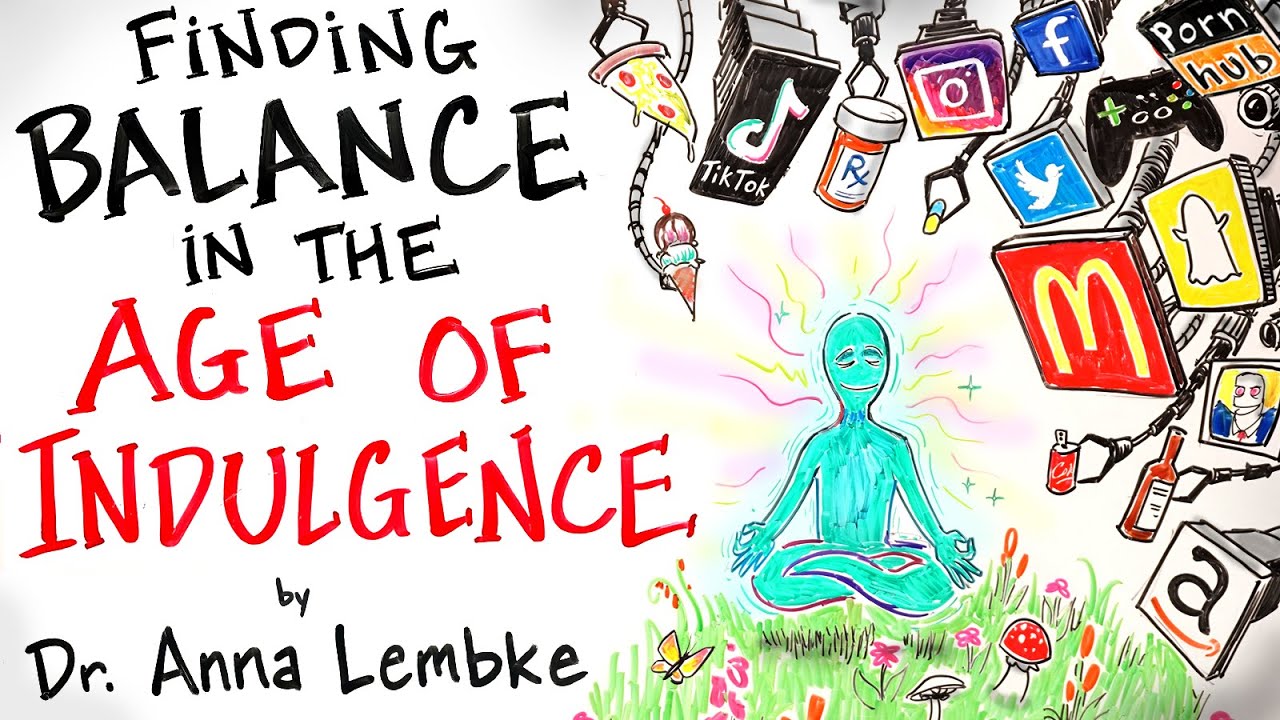
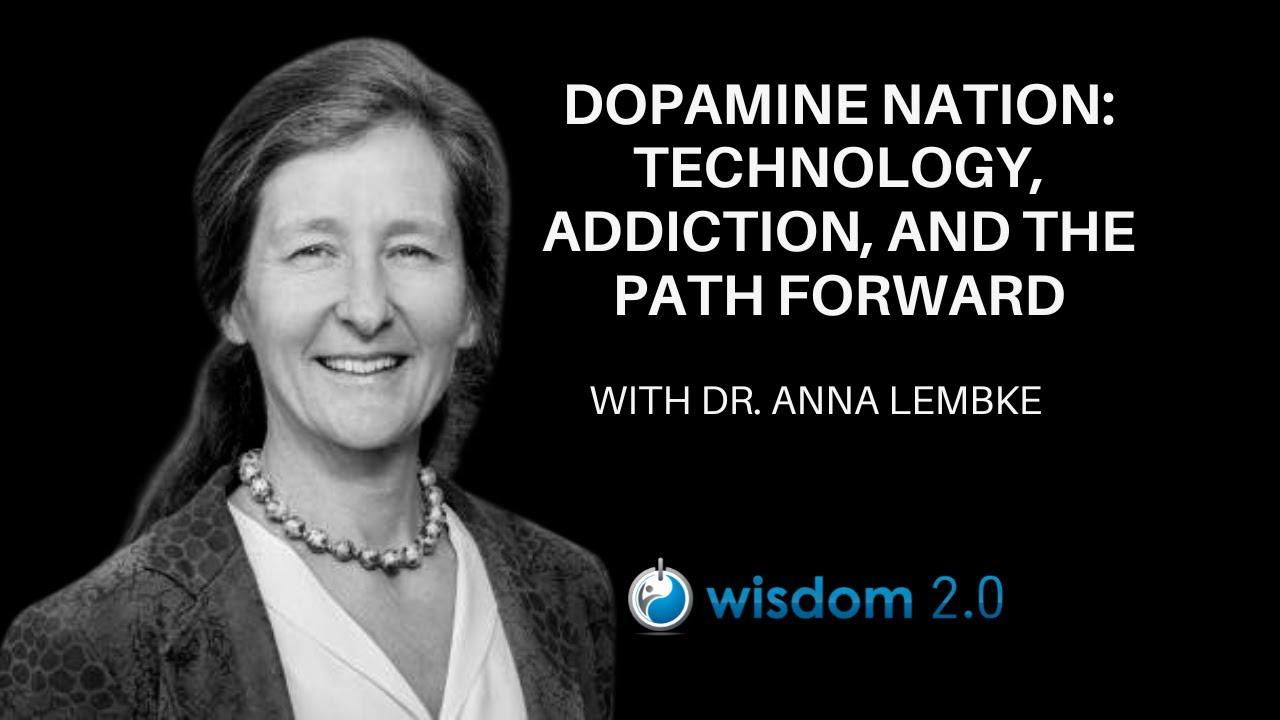
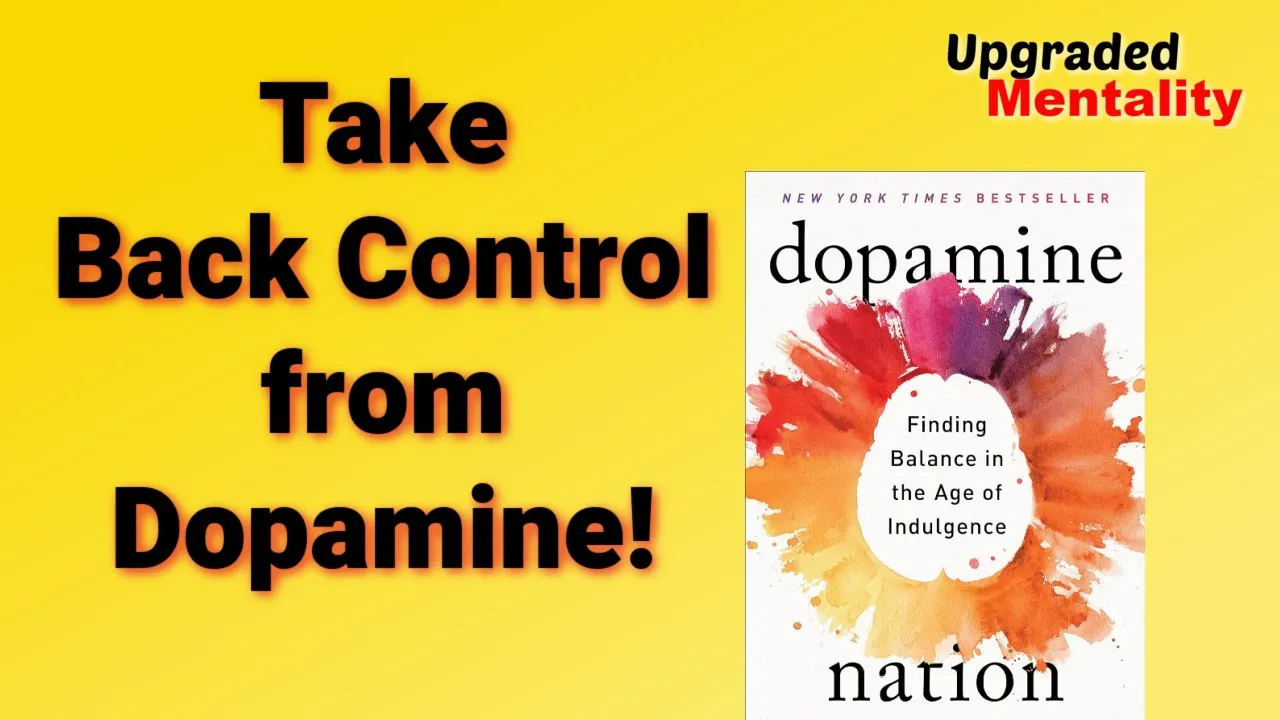
the reason we're all so miserable may be because we're working so hard to avoid being miserable Dr Anna lmy in a world saturated with dopamine triggering stimuli are we doomed to become slaves to our pleasure seeking impulses join us as we delve into the captivating world of dopamine Nation where psychiatrist and addiction expert Anna lmy unravels the science behind our insatiable pursuit of pleasure and its implications for addiction we'll explore the brain's reward system and the role of dopamine and discover the strategies that lmy proposes to break free from the cycle of addiction and cultivate
a healthier relationship with pleasure learn how to identify your triggers develop coping mechanisms and embrace delayed gratification are you ready to reclaim control of your pleasure and break free from the shackles of addiction what is dopamine in the first place dopamine is a neurotransmitter associated with reward and motivation plays a crucial role in our brain's reward system when we engage in pleasurable activities such as consuming drugs engaging in excessive screen time or indulging in compulsive shopping our brains release dopamine signaling a sense of satisfaction and reinforcing the behavior however this constant pursuit of dopamine can
lead to a vicious cycle of addiction as our brains become accustomed to higher levels of dopamine stimulation we require increasingly intense stimuli to achieve the same level of pleasure this can lead to dependence where we become unable to control our behavior and engage in harmful activities despite their negative consequences lmka emphasizes that addiction is not simply a matter of willpower weakness but rather a complex interplay between biology psychology and social factors she challenges the traditional view of addiction as a chronic incurable disease instead proposing a treatment approach that focuses on understanding the underlying causes of
addiction and addressing them through Psychotherapy behavioral therapy and lifestyle changes so how do we break the dopamine addictions that run so many aspects of our lives here are 10 strategies that the doct lmy covers in her book one understand the role of dopamine l ke emphasizes the importance of understanding how dopamine works in the brain and how it contributes to addictive behaviors this knowledge empowers individuals to recognize the patterns of their addictive behaviors and the consequences of seeking immediate gratification through dopamine driven activities two acknowledge the problem the first step towards breaking the cycle of
addiction is to acknowledge that there is a problem denial and avoidance only prolong the addiction and hinder the process of recovery once individuals can accept their addictive behavior they can begin to take steps to address it three seek support addiction is often accompanied by feelings of isolation and shame seeking support from loved ones support groups or professional therapists can provide individuals with the encouragement guidance and accountability they need to overcome addiction four identify triggers and develop coping mechanisms identifying the triggers that lead to addictive behaviors is crucial for preventing relapse once triggers are recognized individuals
can develop healthier coping mechanisms to manage stress emotions and uncomfortable situations without resorting to addictive behaviors five practice mindfulness and self-compassion mindfulness techniques such as meditation and yoga can help individuals become more aware of their thoughts feelings and bodily Sensations enabling them to make conscious choices rather than acting impulsively self-compassion involves treating oneself with kindness and understanding which can help reduce the negative self-talk and self-judgment that often accompany addiction six Embrace delayed gratification addiction often stems from a desire for immediate gratification cultivating the ability to delay gratification and engage in activities that provide long-term rewards
such as pursuing Hobbies developing skills or building meaningful relationships can help break the cycle of addiction seven address underlying issues addiction often serves as a coping mechanism for underlying issues such as trauma anxiety or or depression addressing these underlying issues through Psychotherapy or other therapeutic approaches can help individuals develop healthier ways of managing their emotions and behaviors eight create a structured schedule a structured schedule can help individuals establish boundaries and reduce the likelihood of engaging in addictive behaviors this may involve setting specific times for work Leisure and sleep as well as Li limiting exposure to
triggers and temptations nine engage in healthy activities replacing addictive behaviors with healthy activities can provide a positive outlet for energy and emotions engaging in regular physical exercise pursuing creative Endeavors or spending time in nature can promote overall well-being and reduce the urge to engage and addictive behaviors 10 seek professional help when necessary seeking professional help from addiction specialists or therapists can provide individuals with the personalized support and guidance they need to overcome addiction and develop healthier patterns of behavior remember the reason we're all so miserable maybe because we're working so hard to avoid being miserable
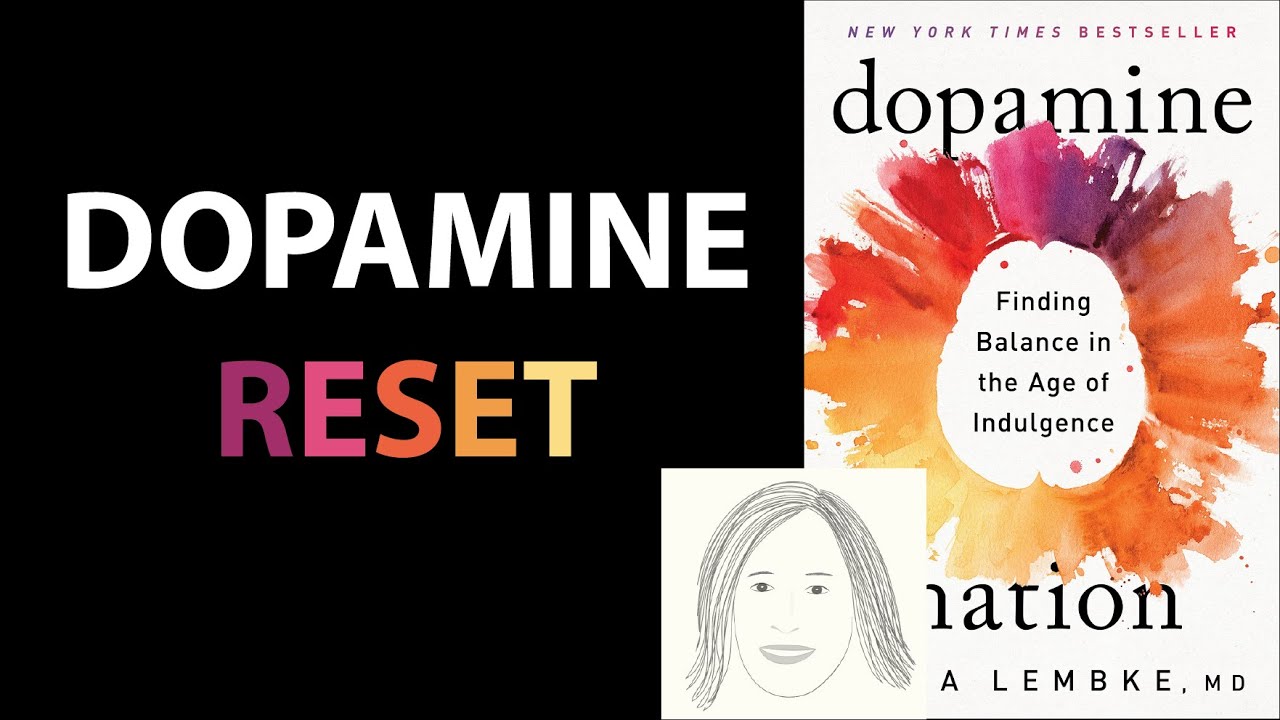
dopamine nation is a thought-provoking and insightful exploration of the role of dopamine in our lives and its potential to lead to addiction lm's message is one of Hope and empowerment offering a path toward a healthier and more balanced relationship with pleasure we hope you've enjoyed this summary if you have a book article or idea that you would like to see us cover please leave your suggestion in the comments below along with a like and a subscribe and it might just be our next video [Music]