lecture three out of Africa from hominin to human the earliest states that we have so far for humans leaving Africa are less than 2 million years ago which coincides with the beginning of the pene the place to scene is also known as the Ice Age the place to scene is characterized by harsh climates it's possible that these harsh climates forced humans to adapt and evolve into who we are today simple tools had been good enough for humans to survive in Africa where the climate was warm but once we left Africa and ventured into Europe we needed to invent clothes and shelter to survive in the cold climates this is also the first time that we have evidence for the controlled use of fire the first migrants to leave Africa were the homo erectus the homo erectus evolved from the Homo habilis modern humans evolved from the homo erectus in Africa around 200,000 years ago the earliest homoerectus fossils have been found in Africa in Northern Kenya and date to approximately 1. 8 million years ago this is image of nari Koto mo boy these fossils were discovered in 1984 in Kenya by Richard leaky who we learned about last week and his colleague Alan Walker this is one of the most complete homoerectus skeletons that we have the boy was probably 10 or 12 years old when he died around 1. 6 million years ago so what's the difference between modern humans and the hom erectus the homo erectus are very similar to us in terms of their bodies below the neck and their Mobility they walked upright like us but were thicker they were more stalking and muscle muscular than we are above the head above the neck their heads and brains were pretty different from ours they didn't have foreheads or chins like we do instead they had large brow ridges and their faces stuck out in contrast rest our faces are flat and below our craniums their brains were much smaller than ours they were about the size of a one-year-old modern human child's brain their jaws and teeth are bigger than ours but they are much smaller than our earlier ancestors they also are some of the first ancestors to have projecting external noses like we have here's an artist reconstruction of what the homo erectus may have le looked like you can see some of the traits I mentioned before like their large bro bro like their large brow bones and how their jaws and teeth are bigger than ours people often ask questions about the origins of race and different skin colors humans have much less body hair than other Apes research suggests that humans were free of body hair like the type of body hair chimpanzees currently have by about 1.
2 million years ago this has led Scholars to speculate speculate about the original colors of our skin some have argued that if 1. 2 million years ago we had dark hair and light skin like that of chimpanzees our hair would have then protected us from the Sun instead of Darker skin protecting us from the Sun as such it's possible that humans in Africa develop dark skin as a response to the lack of hair so that they could be protected from the Sun movement across the globe the earliest homoerectus fossil found in Asia dates to between 1. 7 and 1.
5 million years ago Fest fossil in Southeast Asia dat to approximately 1. 2 million years ago although there may be some fossils in central CH that date to around 1. 9 million years ago so this suggests that once Homo erectus left Africa they moved very quickly through Europe and into Asia the Paleolithic period what distinguishes the Paleolithic in the first lecture we talked about how geologists divide the history of the earth into periods archaeologists do the same thing but we do it based on time periods that humans have been on Earth and we divide the periods based on the material culture or the types of artifacts that humans Left Behind during each period the earliest classification was based on the type of materials that humans use to make the stone bronze and iron Ages were proposed by Christian Thompson in 1836 these periods are often used in Europe and other parts of the world archaeologists then decided that we need a more precise term for Stone Age since it covered such a long period of time in 1865 John Leck introduced the Paleolithic and the Neolithic meaning old stone age and new stone age during the Paleolithic stone tools were made from flaked Flint in the Neolithic stone tools were polished and there was also Pottery this is a great timeline distinguishing the characteristics I'll come back to this timeline at the end of this section during the Paleolithic the first stone tools were created around 2.
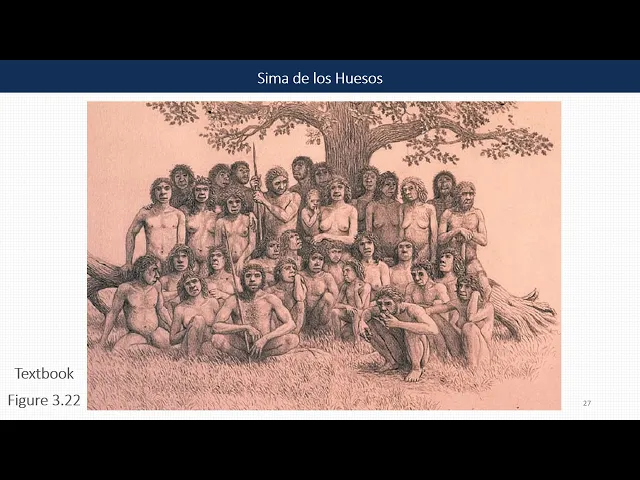
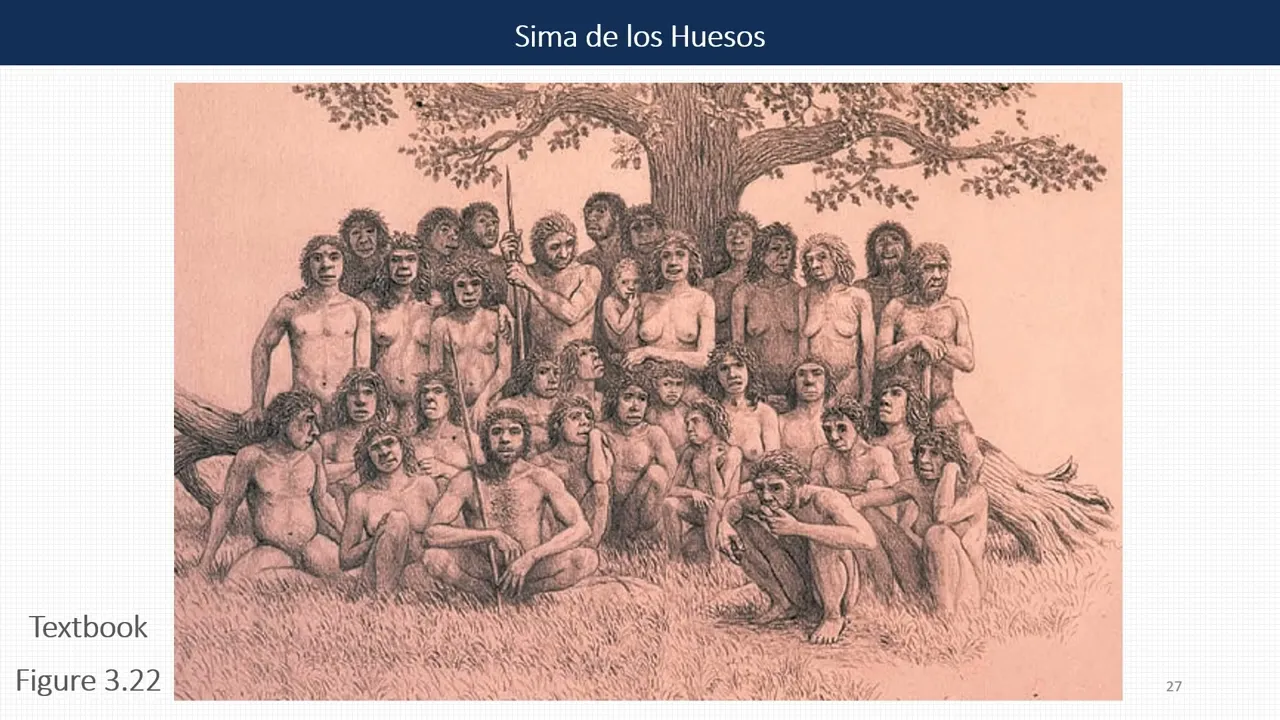
6 million years ago there is evidence for the first controlled use of fire around 800,000 years ago and by 2 200,000 years ago we have evidence for domestic structures so the construction of houses and the first art and decoration was around 50,000 years ago here are some examples of Paleolithic stone tools the largest tool on top of the picture are hand axes the smaller tools include scrapers and points that could have been used on the end of spars over time the efficiency of stone use increased and they were able to make better tools with less Stone the Paleolithic has been further divided into the lower middle and upper Paleolithic the lower Paleolithic dates from 2. 6 million years ago to approximately 200,000 years ago the middle Paleolithic is from 200,000 to 40,000 years ago when neander tals and early form of homo sapiens were making flake tools and finally the upper Paleolithic begins around 40,000 years ago to about 10,000 years ago this period is car characterized by stone tools that are long and thin plates of stones that are called blades so here again is this chart this is really helpful and um important kind of just an important and useful tool for understanding the different time periods and the different types of stone industry and archaeological sites and hominin species including the major events that happen during each time period so I recommend that you pause the lecture now and take a look at this chart climate and the environment in the Paleolithic the p toine is often referred to as the ice age because there were several glacial episodes information about the past climate is stored in ice sheets today approximately 10% of the Earth is covered by glacier during the coldest period of the pine glaciers may have covered as much as 30% of the earth's land this map shows the maximum distribution of glaciers during the coldest period of the pine the best example is the ice cap in Greenland which is over 1 kilometer thick ice forms when snow falls and becomes compacted over time it takes about five trillion snowflakes to cover cover a football field in a foot of wet snow when the snow at the bottom becomes compacted from the weight of the snow on top ice forms these ice sheets expand across the landscape as more and more snow accumulates on top because they are so big and heavy they act as bulldozers on the landscape and scrape away at the topography as they spread when the temperature is colder and there are more ice sheets there's less water Elsewhere on Earth this means that the ocean levels would have been much lower during the coldest period of the place toine likewise as our climate warms and the ice sheets melts the ocean levels are rising like stratigraphy and Earth the deeper down you go the older the IES within the ice are different types of oxy oxygen is Isotopes which we can use to understand how cold the temperatures were a long time ago oxygen Isotopes vary with the temperature of the ocean the relative amount of oxygen 18 and Oxygen 16 Isotopes decrease with increasing temperature so depending on the relative amount of these Isotopes researchers can reconstruct past climat interestingly the homo erectus seems to have thrived during the place to scene during this time they invented the handex and moved out of Africa and across Asia and to many parts of Europe moving out of the tropical environments of Africa forced the Homo rectus to be creative and invent new ways of living in and adapting to different environments especially colder ones this includes the use of fire the construction of shelter and clothing cooking with fire provided sever several advantages it made the food easier to digest and killed harmful microorganisms this allowed the homoerectus to make their food even more nutritious and easy to digest it's also possible that they were expanding their diet during this period to include Marine Resources like fish and shellfish the Colder Weather would have also reduce the amount of edible plant material which made successful hunting even more important Place toine mammals so what types of mammals live during the place toine since the climate was so much colder in Europe during the place toine different types of animals that are now extinct were better suited to The Climate these types of animals include woolly mammoths macadons ground Vos giant beavers sabertooth tigers and horses in general these animals were better suited to cold weather than their modern equivalents they're generally much larger and some had adaptations for the cold like fur coats one of the most famous animals from this period is the woolly mammoth these animals have been well preserved in the permafrost for example some almost complete animals with soft Parts including skin and hair have been found Frozen in Siberia and Alaska the animals were 3 to 4 M tall and had a short woolly undercoat with a long hairy Overcoat they ate tunder grasses and Rain from Western Europe across Northern Asia and North America many of the animals that thrive during the Pline were extinct by 11,000 BC the first Europeans the ylan handex as hominins began to remove more and more Flakes and create more complex stone tools by reshaping edges the basic uses of the tools evolved and changed the oldest hand ax is 1. 9 million years old and was found in association with the homo erectus hand axes are called aulan artifacts because they were originally found at St a in northern France this image shows the evolution of the hand ax as you can see here the removal of the sides and the surface of the stone eventually created a tool with a pointed end and a broad end this process of removing pieces of the stone to create a tool is called reduction any errors that are made during this process cannot be erased or undone ataa atap Perka is located in Northern Spain in a large cave complex the cave complex is made of limestone because limestone is a soft rock many of the entrances to the cave have collapsed over time in the 1890s a railroad was being built in the region because because over the differing typology the construction workers had to cut several deep trenches into the Limestone these trenches exposed caverns and caves that had been hidden for Millennia in the 1970s the first prehistoric artifacts fossils and Bones were found in the caves and the first excavations began in the 1990s these caves contain remains from the lower middle and upper ciic while there are many Caves at the site two of the most important are seam and waos and granden SEMA de way host is 55 met below ground and over 500 meters from the closest entrance to the cave and you have to enter through a 13 M vertical shaft because of its location assessing the cave was very difficult for the excavator because the shaft is so small only one or two excavators can work at a time which has made the excavation slow even though they have been slow the fins have been incredible excavators have found the remains of over 32 individuals in the CL cave including nine males and nine females 11 of the individuals are between ages 13 and 17 and there were four children between 3 and 13 years of age no one was over the age of 40 the size of the bones indicate that the male individuals were about 5 59 in and the females were about 5' 7 in the largest individual was 5' 11 in and probably weighed about 200 lb in addition to the large number of individuals this find is really interesting because the individuals seemed to have been intentionally placed in the pit the bodies would have been carried into the pit and drop down into the crevice this is one of the first hints that our ancestors were burying their dead a practice that is first seen in neander TS several hundreds of thousands of years later through uranium series dating the researchers were able to establish a date for the individuals between 350 and 500,000 years ago this type of Comon is called homo highle bergenson and they are are the ancestors of the neander grandola as I mentioned there's another really significant cave in this complex in addition to the finds from SEMA deos in the grand Delina cave researchers found the oldest examples of homo erectus in Europe The Remains were found at the entrance of the cave that was Disturbed for the construction of the railroad tracks unfortunately much of the site was destroyed when the railroad was constructed the current site is very high up and Scaffolding is necessary for excavators to reach the deposit as you can see in this picture in the deposits from 900,000 years ago excavators have found over 25 animal species like horses deer wild cats hyena and several hundred stone tools including Pebble tools with a few hand taxes in addition to the tools and animal remains researchers have found over 900 Homo erectus fossils from four individuals the homoerectus fossils have the same type of butchering marks on them from stone tools as the animals do this suggests that whoever ate the animals may have also eaten and consumed the homoerectus in 2008 researchers found more homoerectus fossils even lower in the site these fossils have been dated to 1.