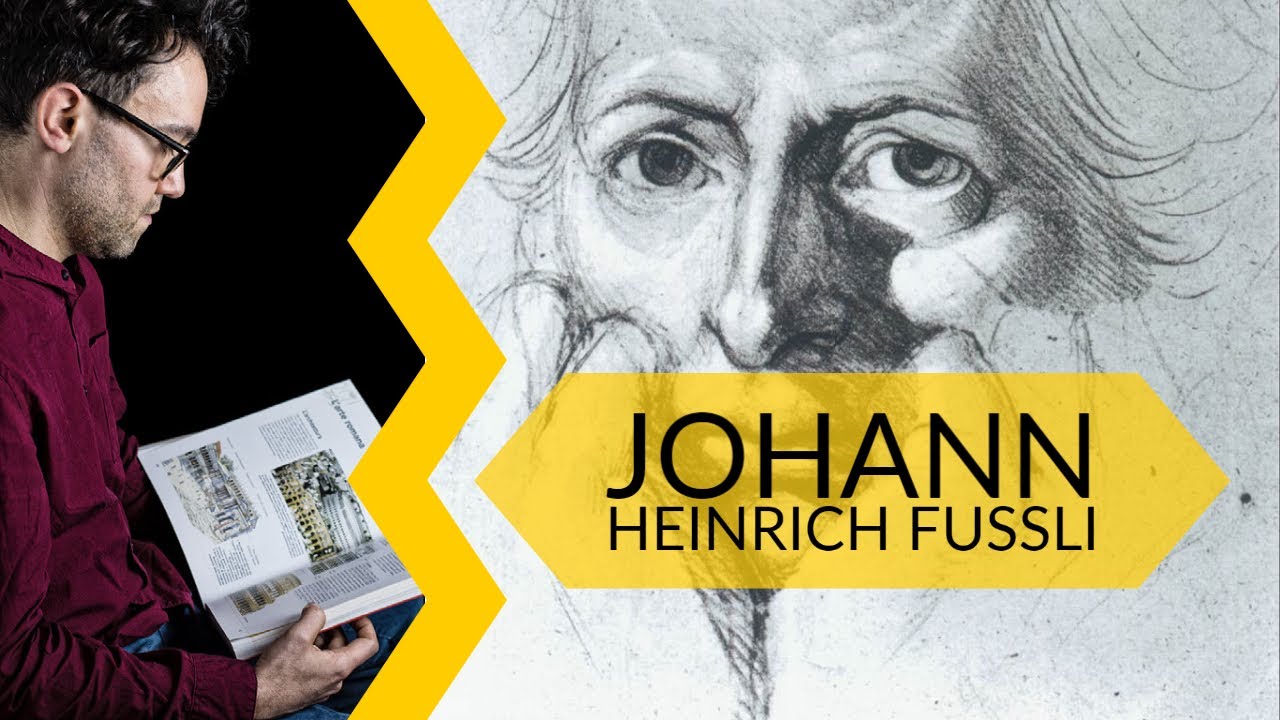
Johann Heinrich Fussli, second son of the writer and portraitist Johann Caspar, from a very young age he read the texts by Johann Jakob Bodmer, who made them to know the great figures of world literature, destined to constitute the main source of his inspiration. Educated in religiosity Protestant of Zwingianno, in 1761 he took the vows. But two years later he left Zurich for political reasons and moved to Berlin and then to London, his homeland of choice.
Initially devoted to writing, which for some time was his primary source of sustenance, he soon began to illustrate the works of his favorite talents, including especially Shakespeare. It was Joshua Reynolds who encouraged him to do it devoted entirely to figurative art. He traveled extensively in Italy, where he visited Florence, Venice and Naples and lived for eight years in Rome.
The livingroom Roman marked him deeply, as can be seen from his influence on his style from the monumental figures of Michelangelo. After the departure from Rome and a short period spent in Zurich, Fussli he returned to London, where he settled permanently and where his art it reached its full development. The exhibition of his most famous work, Incubo at the Royal Academy of London (of which in 1790 Fussli became a member) caused a great sensation.
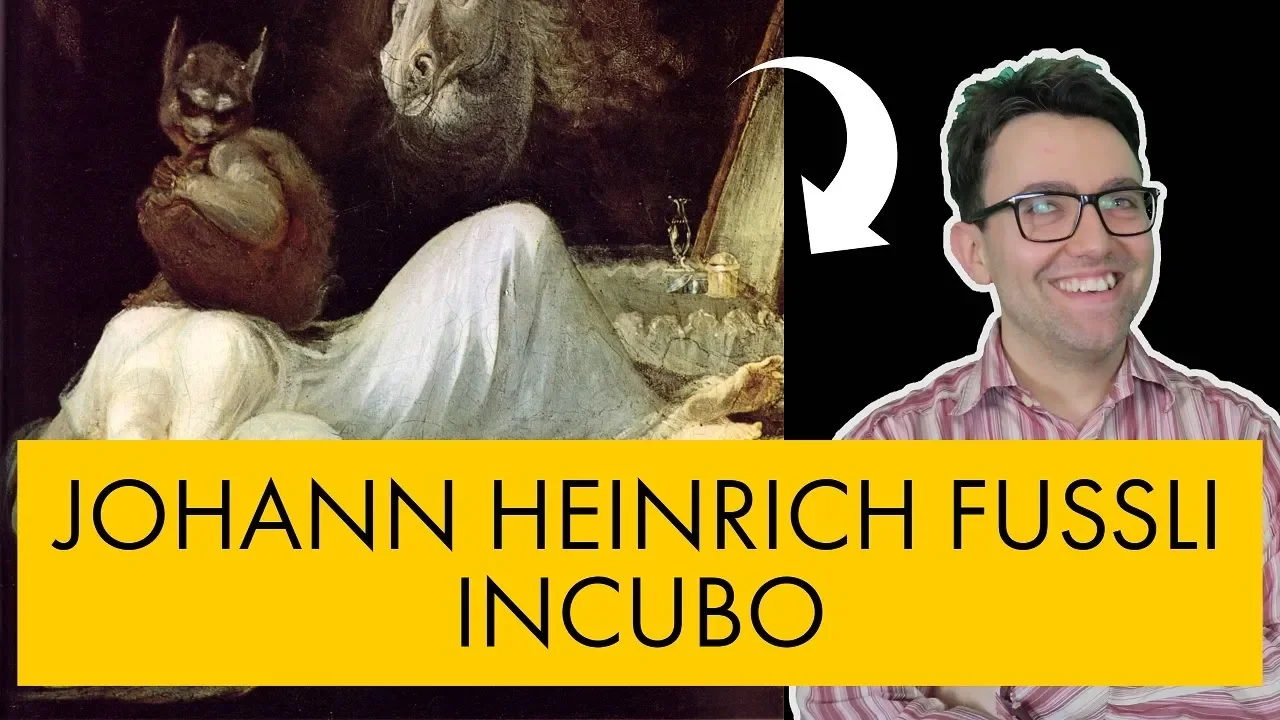
The role of Fussli in the history of painting resides in his classicism. A classicism crossed by the first romantic tensions and in the original e monumental surrender of the dreamlike and transcendent world. Fussli treated his own the most famous subject, the nightmare, in four different canvases.
This version is the second one in temporal order. Although not inspired by any precise literary source, the painted subject would not be thinkable without an in-depth knowledge of fantastic literature, in particular English. The body of the sleeping or unconscious woman appears deformed and extremely long.
This is certainly not because of incompetence for the desire to underline the sense of oppression due to the gnome perched on her. It is a symbol of the nightmare, that is of the unconscious terror. A gap in the curtain that obscures the background brings out the head of a horse.
A reason that anticipates the demonic transfiguration of this animal, destined to have great luck in the late French Romanticism and here interpretable as a male sexual symbol.






![Wanderer above the Sea of Fog by Caspar David Friedrich [ANALYSIS] German Romanticism in art](https://img.youtube.com/vi/7NmtfvFj0bI/maxresdefault.jpg)