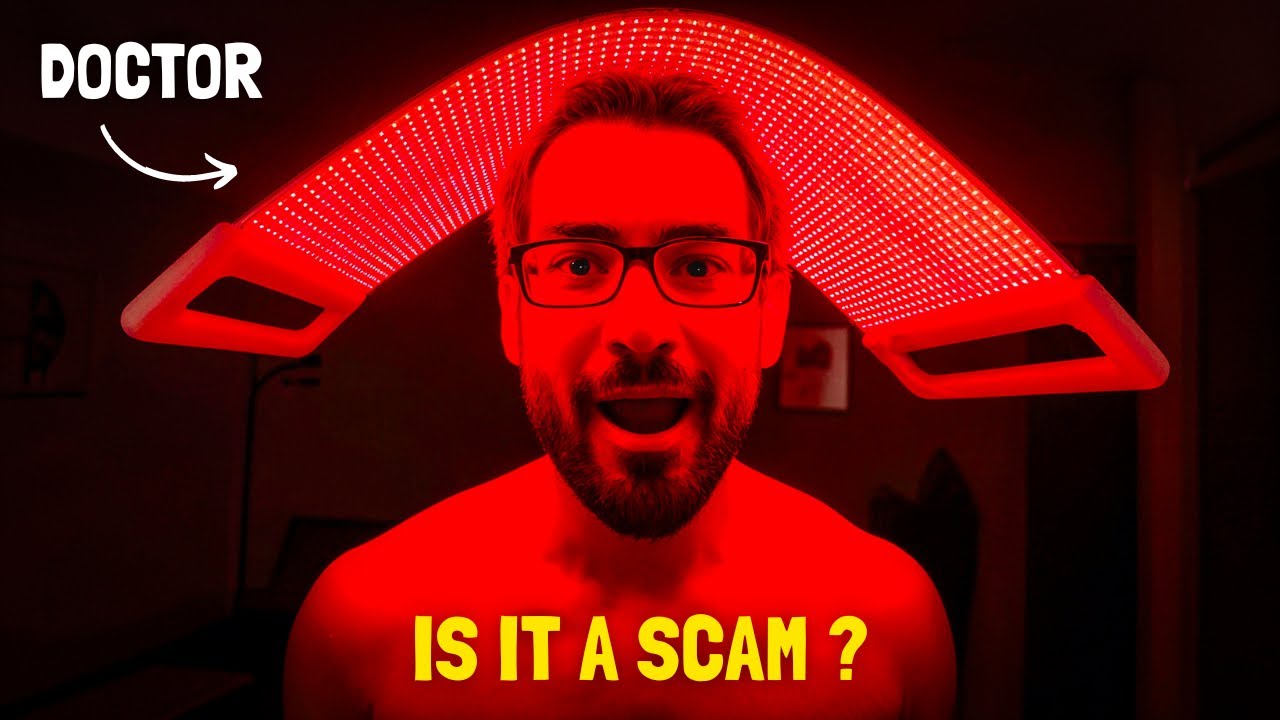
So I got fascinated with this guy I call him Dr Roger because I can't pronounce his last name on medr so he has like 1.6 million subscribers on medc and all the episodes are so solid but I didn't know that much about him and I wanted to meet him and here was my chance I also thought about inviting him to be a tedex speaker and this was my chance to get to know him better and see how solid he really was but the highlight of this was His knowledge about infrared light and how it improves
your overall health and your skin here going to enjoy this episode so the bonus of this episode is one of your favorite people My Best Girl will do half the interview we've been married for 50 years so uh you're an emergency room doc no actually uh Critical Care Critical Care what's the difference so critical care is is the doc upstairs in the ICU taking care of those ICU patients he Gets called by the ER doc right so that's where I've gone after a few six-hour sessions in the emergency room that I'm in the ICU for
3 Days yeah you don't want to see yes if it's possible if it's possible but yes you would if you're admitted to the hospital yeah because the ER doc has considered that you've got a critical disease then you'll see me that's half the time the other half the time I'm in the clinic seeing people with lung ailments or Sleep ailments and that's because you're a lung lung doctor yes it's pulmonary pulmonary yeah yeah but you're a quadruple board certified yeah what is that all about so the way it works it's it's almost uh it's almost
a prerequisite you can't do it any other way to be be a lung doctor you have to have gone through uh Internal Medicine training for three years and then you do another for me it was three years of training and that three years Automatically included pulmonary and critical together yeah wow so then the added extra was the sleep medicine you know emergency room docks I told you yesterday are just my heroes because they brought me back from the dead we can't count how many times but at least three probably four or five yeah and uh
I don't know how many lives I'm on but anyway I bow down to you guys it's just amazing so I mean I know you're not emergency room you're yeah well I Understand critical care but I've been in critical care many times sometimes they call us down to help out if it's a real critical issue but yeah oh interesting interesting so uh and you uh did you get called down during the covid crisis oh yeah that was uh you were in the emergency room for the co crisis uh for not necessarily in the emergency room but
what we had to do was since there were so many people being admitted to the hospital we had to create a whole Another unit and we decided early on that we wanted to have quote unquote you know a dirty unit and then a non-co unit because we didn't want to spread disease between people so we um we created a covid unit that was completely insular and that you had to sort of uh go in uh and scrubbed in and once you were in there it was all covid yeah wow and uh you're about to have
a big birthday yeah next week 50 50 the Big 5 yeah yeah well I had the big 70 not that long ago so you're looking good for 70 you're just a child of me thank you you're looking great I used to have people tell me all time you're too young to be a doctor yeah I I get it once or twice and when I do I tell them you're an angel from heaven thank you so much for saying are you getting a little gray on your beard now so I am a little bit yes so
maybe that'll cure that um our our son-in-law is a family physician plan-based family physician excellent he Gets out all the time he's babyfaced and he gets that all the time he's in his 40s you're too young to be hope he continues to get that yeah I hope so um so quadruple board certified so how many because you're a sleep specialist also you're board certified in sleep medicine yes yes well how does that tie in to the others well the reason why it ties in is because the majority of people with Sleep Disorders have uh sleep
apnea and because that's an airway issue I see um They feel that uh that that is one way of somebody with that type of a uh a background would be good in dealing with obstructive sleep apnea I see um but there are other ways of getting into obstructive sleep app or even sleep medicine so neurologists can be boarded in sleep medicine psychiatrists can be boarded in sleep medicine and just regular internal medicine or even Family Medicine that's interesting yeah fascinating so medc is just fascinating To me so 1.6 million subscribers yes on your consumer facing
YouTube channel yeah and then you have a whole page section yes on the website medcram.com yeah medcram.com so the mission of medcram was to get people through their their boards to get students to understand uh what what's going on here's the here was the issue that here was the the mother of necessity in other words is I was a I was a professor at the medical school and we had PA Students that were rotating through and you know what what had happened was there's this desire this need on a national level to have more providers
so the way to do that is just to create more schools and to have more students what wasn't really in the equation as far as I was concerned and a lot of students was getting good quality teachers so a lot of times students were subjected to basically lectures where there was somebody up there that was Told to be up there going through a PowerPoint presentation that someone else had made with a bunch of letters on it and they weren't explaining it yeah so when they would come through we would explain things clearly we would we
would go through things and things made sense to people that had never seen it so one of my students uh his name is Kyle aled he's the other half of menr saw that saw a need was in education before because his father was involved and he came up With the idea of making a YouTube channel where we would take subjects that were difficult to understand for students and explain it clearly so that they could get an understanding of that for me it made sense because when students would come through my program every month it was
a different student this was a way that I could say the lecture once refer to them have them watch it on YouTube and then use our time uh together to more fully go Through the details of that it's called flipping the classroom yeah so that's how it started it started back in 2012 and uh we started making videos on very difficult topics explained clearly and that started to grow and um by the time we hit 2020 which is when Co hit we had about 400,000 subscribers uh and different things blew and then it just blew
up because one day I did a video on Co and because it had that presence already on YouTube and there was a video That was really in demand that's what happened yeah amazing and you had an inspiration math a math class you explained things the same way what's it the conic Academy yes yes so Con Academy was a um a very similar technique of basically people learning at the speed of understanding and so that one of the things that one of the things that we do is we make sure that we're drawing out the the
process of what we're doing in a Way so that we're not losing the person who's watching it one of the things that can sometimes happen with uh PowerPoint presentations is you're throwing a bunch of letters and words up there at the same time and it's very difficult to focus on what it is that we're talking about I see so it's a chalk talk type of so yeah you're drawing what are you drawing on you have some kind of yeah it's uh so specifically I have something called a hueon tablet and it's uh Basically it's a
screen duplicator and you have a pen and it's touch screen you can draw on it and do all that sort of stuff amazing so now how do you decide what's going to be for the deeper subjects where you charge like the hyponatremia one I signed up for blew my mind um or the consumer facing ones just on YouTube where there's no pay Woll yeah so what what we have done is we we have an agreement with a continuing medical education company called Continuing education company and um what we do is we make uh our our
videos and we have an agreement that they will also Market that but then they are the ones that are able to give continuing education credits I see continuing education credits for Physicians nurses nurse practitioners Farm you know respiratory therapists all of that and that's something that they need to do to keep up on on topics so when they are G are giving us to that those those Particular courses would be on the paid section because that costs money to upkeep uh in terms of what goes out to the YouTube channel what is free things of
that these are are areas where I believe Society the population needs to know this right now because of things that are happening and people want to know so for instance none of our covid videos were behind a pay wall anything that we talked about Co was just it was there it was freely we did we did host It on the website but it was free on the website um in fact we even had a ventilation video on how to learn how to ventilate patients that we did uh for students when covid came up and we
started to notice that because there were so many people that were sick and they were having Physicians that were not trained necessarily in ventilation how could they learn how to do that because they need to know we actually moved that from a pay behind the pay Wall and we made it free so that they could learn so if there's something that people need to know right now because of something that's going on and yeah that's typically free you know one of the things that blows my mind um you commonly hear doctors don't know what they're
talking about and and then you take one of your paid classes and it's like oh my gosh doctors know this all this stuff I didn't know any of this yeah and for me hypon nmia was one of Those things you know had it and I do Iron Man competitions and Ultra runs in the Heat and yes I didn't keep up with my electrolytes and I had a collapse and just about dying but then I I've been pretty watch my electrolytes pretty carefully since then the wakeup call so I took the course because I thought well
this is something I know something about I can ask you know Roger about this yeah no I mean it's like so complicated it's amazing yeah it is the human body is is Is the most complex machine I think that in in the universe it's amazing if there's something more complicated we haven't discovered it as yet um the thing that makes medicine can I just interrupt you for a minute sure there's a cardiologist at UCLA yeah who got called upon by the zoo to help with a lion who was having cardiac problems and so she went
and consulted and she said these veterans I mean they have to deal with all these different species we just Have one species yes or veterinarians I should have said oh my gosh it's so complicated and then there are these iconic photos I'll try to add if I can find him to this uh yeah interview where they show the lion having open heart surgery on a operating table with her there attending the other veterinarians yes and his big paws are sticking out from under the sheet and it's like wow and in this picture I'm listening to
the Heart of a Lion after a Life-saving collaborative procedure with veterinarians and Physicians where we drained 700 cc's of fluid fluid from the sack in which this lion's heart was contained and this procedure which I have done on many human patients was identical with the exception of that paw and that tail they have to deal with birds reptiles and everything else so when you think about how complicated the human body is and how you guys get to specialize how do you become a Veterinarian I I I know this is off topic but it's got to
be crazy I have a cousin who's a veterinarian and and actually um a friend the daughter of my of the friend who's who works at the continuing education company is also a veterinarian and and even they have to specialize like you know the ones that do the dogs and the cats and the ones that do the exotic animals because you're right it's it's an extremely broad area and the different species They have to understand um but yeah no it's absolutely it's it's very complicated not to say that humans alone are complicated a lot of the
same uh things that we see with hypon netrium in humans it's exactly the same situation oh really they drink too much water uh they can but um human beings are settled unfortunately with a very unique set of of diseases most of which are brought on by our own selves yeah well the advice you get in running a marathon and then In Iron Man competitions the marathon's in the afternoon and it's in the heat sometimes over 100 degrees and you're running in over 100° and like some of the marathons I entered in Africa the marathons are
much longer like the comrades marathon is 56 miles oh wow and it was 80 something degrees and it's really hard to you know so that in fact the day the year I did it two Runners died and they were experienced Runners one right in front of me he was a 14year Finisher and he died and both of them afterwards was from H hyponatremia yeah so just drank too much water I guess and not enough electrolytes it's that's possible although um in that situation if it's a cute it's it's exactly that is that the too much
water and not enough electrolytes causes the sodium to drop and when the sodium drops it causes water to go into the brain cells and the Brain swells and that's that's what happens how do you diagnose this because They put me in the ICU afterwards after the six hours in the emergency room they were afraid I had cardiomyopathy I'm not sure exactly what they found they might have done an echocardiogram or they may have seen something on the electroc cardiogram I have a very low pulse rate yeah I would imagine with the am that you've run
um it it's hard to say exactly what they saw but I would not necessarily automatically assume that You had a cardiomyopathy just because you had a low sodium I see I mean there is low sodium can be caused by a cardiomyopathy but it can be caused by a whole host of other things too yeah you have a signature issue and you just brought the house down you're the talk you just gave people said oh my gosh I've never heard that before it was so compelling one of them is my wife sitting right over there who's
going to ask you questions afterwards it's your Infrared light and just to calibrate where I am uh you're looking at a guy with Fair freckled Scottish skin a reddish beard blue eyes who's had six different skin cancer operations I have a skin graph from Mo surgery on my nose yeah basil cells qua cell I never have had melanoma um yeah I've lived my life I mean in Iron Man competition it's hard to keep the sunscreen on and everything right I live my life outdoors with my fair skin so I've been afraid of light And when
I came across your channel oh gosh two years ago it was like red light therapy I'm not going there um and and yet I'm a physicist so I should know the difference in the electromagnetic spectrum yeah uv's way over past the blues and near Infrareds way over past the Reds you know I should have known that yeah um but in the meantime I've been sunscreening up and wearing spf50 shirts and everything else and then you come along and say no no they're Different so well first of all I'm not the first one to come along
with this I don't want to make it sound like I'm the one that discovered what what I've noticed is that the people who are on the PHD side of things who are not in medicine they're very cautious about saying anything medical about some of the discoveries that they have come up with but photobiomodulation which is the name of this type of science which is basically the use of of light in human Beings um is one of the most uh expansive and fastest growing fields of science that we have today it's almost growing exponentially on the
other hand you have the Physicians who have been trained in this and and theyve grown up with the understanding that the sun is bad that you need to stay out of the sun you need to check for these types of cancers and these sorts of things and so these are two populations of areas that haven't really interacted what forced me To sort of fear in and almost like a ven diagram be in that connection between those two was the need to look for alternative answers for patients that are so sick and that are in with
uh with exactly and the fact that the fact that you know as we know those that had higher vitamin D levels seem to do much better but yet um disappointingly that when we would supplement them with vitamin D in the hospital we weren't getting the types of results that we Really wanted to see consistently so um so what is it about this well um what opened my eyes was a article that was published in melatonin research in um 2019 by that's a journal melatonin research yeah melatonin research the the executive director or editor is Russell
Ryder who's World expert on melatonin and he co-wrote co-authored the the paper which is a review with Scott Zimmerman who is a light engineer and um Scott Zimmerman went out and basically used this paper and showed uh pretty convincingly that the human body is however you want to say it evolved designed to really capture lights specifically infrared lights and use it in a way that is beneficial uh for the human body as specifically at the mitochondrial level which is a small organel within almost every single cell in our body and the level of penetration of
infrared is like did you say 8 Centimeters well based on yeah based on what that article showed it showed very clearly that that that the the light may not penetrate down in a straight line but in fact once it gets inside and it's and it's low energy enough it'll actually bounce around a number of times before it finally settles and uh this is not just like a one-off type of thing there's a astrophysicist that works at the European Space Agency a gentleman by the name of Bob Fosbury who has a a presence online as well
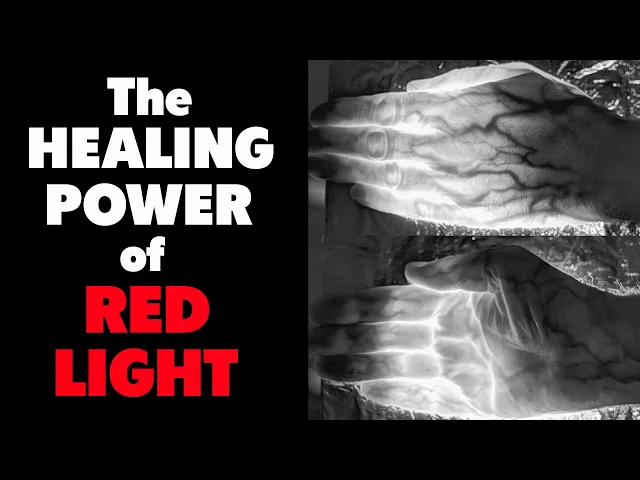
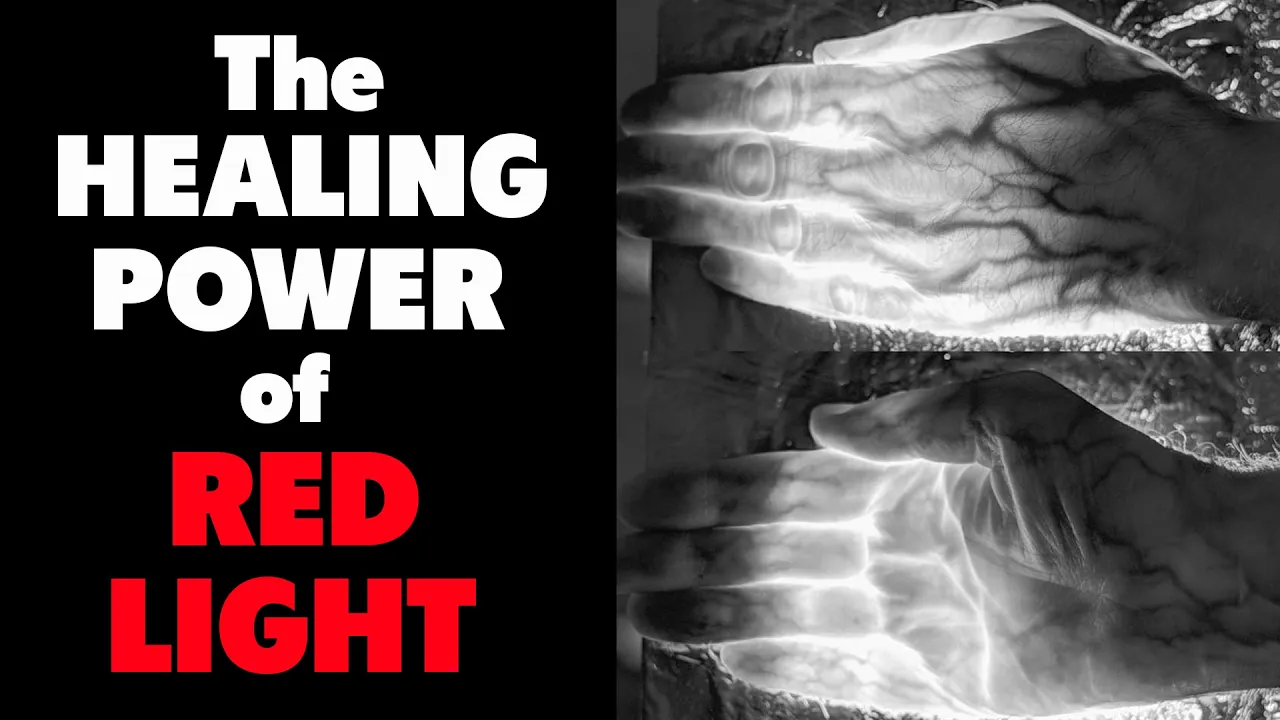
has given some lectures on this he he recently sent me a photograph of his hand in front of a infrared light source and what's amazing to me about that light source it says a lot a picture is worth a thousand words is that the lights uh you don't even see the bones it's it's penetrating through everything it's diffusing through everything and so there's really no question that infrared lights not only penetrates clothes but Also skin and gets down deep into the tissue in fact people who remember this from the 1990s may remember kind of a
humorous episode where Sony came out with a night vision camcorder and it used infrared to do that um penetrate the clothes yeah and and a couple of uh entrepreneurial and and endearing uh probably teenage boys or Engineers figured out how to how to rig it so that you could actually see through clothes basically during the day so Sony quickly Promptly withdrew the camera and uh it's been gone ever since yeah you know so I have a little bit of background on this that dates back oh since the dawn of digital photography so basically what happened
was film uh well uh flash companies like Vivitar they were coming up with flash that went beyond the visible spectrum to the near infrared they didn't mean to they just didn't filter their light well yeah and what was happening is it was Penetrating the skin of fair skinned people who don't have a lot of melanin In Their Skin uh it didn't didn't happen on blacks or Hispanics or you have you know nice skin and everything but for me these flashes would make your face red and the question was why did they make your face red
and I remember working on that and talking to Vivitar and so on and they had to change the spectrum of their flashes because in fair skinned people the infrared would would um Penetrate the skin reflect off the blood cells yes and then you'd get this red face yes and you'd look at somebody in natural light you know like the tungsten light or whatever although they produce some near infrared too they do um and but with those flashes the flashes would really make you so they had to the flash comments had to change their flashes yeah
and that's exactly what Scott Zimmerman found as well he in his article um titled Optics of the human Body yeah um published in in 2019 he showed two different graphs one with melanin Rich skin and one with melanin deficient and it showed that the melanin deficient skin had deeper a slightly deeper penetration yeah that's exactly what he found I'm an earth Scientist by background but when I was in grad school in the 70s it was one of the things we were doing is placing digital cameras on satellites and we were determining what land was forest
and what wasn't I've seen those photographs yeah and it was revolutionary in the day it was really great and we would put these cameras we couldn't believe it we had a million pixels megapixel camera it was just amazing we were taking photographs of all the Spectrum the various UV spectrums all the infrared spectrums yes there's seven band cameras so three visible and then you know two in the UV and three in the infrared yes and you could tell which was forced and what Wasn't you could saw open core samples from an oil field and tell
you know what had oil in it and what didn't it was it was just fantastic well and part of that uh is is the next next interesting thing that Scott Zimmer went into which is the fact that uh vegetation which is probably what you were looking at there on the satellite is highly reflective of infrared light yeah so so like outside where we are here um you know under a tree you have the benefit under a canopy Of a tree of all of these leaves reflecting off all of this infrared light so that the the
area underneath the is devoid of infrared light and what do you know that's the coolest place in the garden yeah so how do we interact with infrared light the way that we feel infrared light is that light is penetrating through our shirt onto our back so that you could go outside close your eyes blindfold someone spin you around and you'd still be able to tell Where the sun is why because you can feel it and the only way you can feel it is because it's penetrating through and you're actually getting that sense um infrared light
from the leaves is is also highly highly reflective and so you could you could actually get plenty of infrared light which uh as the article goes into is very important for melanin melatonin production so melatonin is a powerful antioxidant has health benefits uh inside the cells right where they're Needed you could go out on a on a sunny day be in the shade be covered up with uh clothes and and be surrounded with leaves and trees and get plenty of infrared light and not have to worry about the direct sunlight which carries a lot of
ultraviolet radiation and can cause the basil cell and can't and scam missile car yeah that's the big takeaway for me is UV is one thing that does the skin damage right and infrared is a different thing and they get lumped Together and that's a huge mistake right and to give another example the the biggest rage I know this because my my wife uh looks into this as well she's a physician too right she's also a physician yeah so she uh so and she was as good a student as you or maybe even better better yeah
I've heard you say that yeah much better what she has looked at and what we've seen is these uh masks that you can wear on your face and what It does is this infrared light will penetrate down into the areas that produce the collagen and the more collagen that's produced the tighter the skin becomes the less wrinkly it becomes and so this is this is all the rage right now and just because it's a rage it doesn't mean there isn't sence behind it red light therapy exactly yeah you've got several episodes on red light therapy
yeah and at first I thought who is this quack you know yes and I know Something about light and but then I ended up buying I haven't tried it yet unfortunately but I they're expensive but I bought not cheap yeah I bought a a red light uh one wand yes um but Julia Roberts pretty woman says she endorses these red light masks so here here's the thing about all of these lights and things and and you know the first impression that a lot of people get is that this is a money-making scam yeah right it's
just a light and you're Spending a lot of money and and in a sense I I I tend to agree with it and in only this way um you can get exactly the same thing from the Sun yeah so um the problem is is though the sun is also the source of ultraviolet so how do you parse that out mornings and evenings exactly so because you've got this atmosphere when the sun is low down the ultraviolet is is going to have a much harder time of penetrating through if you get out in The morning if
you get out in the right before Sunset not only is it beneficial from a circadian rhythm standpoint uh getting those Reds in the evening and getting the bright uh really bright Lux in the in the morning it from a circadian standpoint it's also beneficial from a skin standpoint I noticed in my weather app it has a UV index and it always yes like after 6: PM even in the summertime on hot days like today it will say UV index 2 at 6 p.m. And low for the rest of the day yes and so I always
put a little sunscreen on my nose and then think well I'll probably be okay for the rest of my skin yeah there's a couple of things that impact ultraviolet radiation uh here on planet Earth one of them of course is the is the angle of the Sun but the other one that's actually pretty important especially if you're watching this in Australia is the ozone so um twice the skin cancer rate that we have here right And it's because they have less ozone so ozone is 03 not O2 and 03 absorbs very well ultraviolet light and
prevents yeah prevents that from uh getting down talk about being near the equator versus Northern latitudes for multiple does it have something to do with multiple sclerosis yeah so all of all of those things so latitude is basically a surrogate for the amount of hours of sunlight that someone would get on average obviously you have to be outside To get it but all those things sort of average out and uh what really solidified it for me and I had a sense that this was the case but what solidified it for me was a study that
was done in the winter of 2020 looking at the United States looking at Italy and the UK and these scientists looked at correlated death rates with latitude um a study that was done even before that looked at the surge of covid-19 in Europe when when did the numbers start To Surge up and they looked at all of the different countries of Europe and they looked at what were the temperatures in those countries over the Autumn of 2020 what was the humidity during that time and finally what was the latitude because a lot of people will
say you know it's not it's not the the reason why these things spike in the winter time is because the temperature goes down um the reason why the these things Spike up in the winter time is Because the humidity is different and we know that viruses and temperature and humidity so this is what the study uh looked at and in fact the um the R value R2 which is the way we correlate it was was absolutely zero for temperature it was absolutely zero for hum no correlation whatsoever but where there was a08 correlation very statistically
significant was latitude the surges in Europe in Autumn of 2020 uh basically started with Finland And ended with Greece and it was literally marching down the globe of Europe so with that with armed with that information what uh researchers at the University of Edinburgh did was they looked at the United States in the wintertime but they they completely eliminated the southern part of the country that could get enough vitamin D even in the winter time so they wanted to look at light that could not make any vitamin So that was that part in the United
States and they found that as you went up in latitude in any given area the mortality rate for covid-19 went up and it was completely independent therefore vitamin D so then they took those results and they replicated those in the UK and they also replicated those in Italy and they found that uh specifically that Latitude correlated with mortality completely independent of Vitamin D it was at that point that I I Knew that we were dealing with something else wow so then this study that you're referring to in terms of multiple sclerosis and and controls simply
looked it was a correlation study they looked at people who had the least sun exposure and the most sun exposure they divided them into cor tiles and when they map those out those with the most sun exposure had the most whole brain volume and gray matter so the question is why would this be and how did this work so We already talked about how near infrared radiation can penetrate through soft tissue can penetrate even through bone what Scott Zimmerman proposed and he he's he's talk he's a light engineer was that um if you think about
the skull of the human brain uh over the human brain the light should penetrate through the scalp should penetrate through the skull once it hits the cerebral spinal fluid this is you know based on light physics and Snell's law what this tends To do is diffuse the light all throughout evenly so in other words even though the sun might be hitting on this side because of internal diffusion it's going to spread all the way through right and then if you look at the susai and the gyri which is those bends and curves on the surface
of the brain that will tend to collect the light and diffuse it down into the deepest crevices of the brain then if you look and see where the white matter and the Gray matter is the gray matter is is situated all only on the surface all the way around gray matter is basically the portion of the brain that contains the cell bodies and that's where the mitochondria is whereas the white matter is all axons and myin sheet where there's no mitochondria so what you have essentially is a a brain which uses the same technology by
the way that our aviation industry uses to evade radar absorbing Radars and not allowing to Bounce off so basically it's a collector of infrared radiation and it nourishes the neurons where they're the most highly uh energetic why are we not talking about this I don't know is you're the only person talking about this as far as I can tell at least reaching consumers oh what I was going to say is you just gave that talk and the the audience was mesmerized and said they've never heard this before yeah I mean I talked person after person
in There who said I've never heard anybody talk about this yeah there well when I started talking about it I immediately started to find out who else was talking about it and so there have been people talking about this well before I have um in fact uh but they didn't have 1.6 million subscrib maybe maybe that's what it was or or perhaps it was just it's the science maybe hasn't caught up to it and now it is and so now it's more acceptable perhaps yeah um but but I Will say this so we we until
recently have not had the science to really explain what was going on and we still don't have all of the science like we know that ultraviolet radiation can cause damage but we know that infrared lights can improve the functioning of the mitochondria but we're still not sure exactly why it does it or how it does it but but nevertheless we have known for a very very long time and this this can get back into to bigger ideas And philosophy going back a 100 years okay so if we if we look at the hospital systems and
we look at the sanitariums of yester year and how people were taking care of for instance in the pandemic of 1918 it was well known at that time that getting people outside in sunlight at least in some in some sectors of the healthcare industry which was not as as mechanistic as it is today uh it was well known and and is that because they thought clear air or they Thought sunshine or both uh I think both I mean there's a there's a really interesting quote from Florence Nightingale and and and you know you you may
say what you want about um these people in the 1800s they didn't have the technology that we had well let me tell you what I what I want to say about them yeah so I don't know if you've noticed on my channel I have all these historical books yes okay and and they go back to the 1400s 1600s I've got You know I've got texts from the Roman times and so on yeah and uh and I love reading these old books because they knew things we don't know today for example some of the books are
dedicated to is tame meat healthier than than or sorry is wild meat healthier than tame meat and they compared them and they just came up with there's no way these penned in pigs you know and stall fed beef and everything is sedentary animals are nearly as healthy As wild animals interesting and they were eating a wide variety of animals they have a whole list of partridges and pheasants and everything else they were eating squirrels and rabbits and you name it they were eating a wide variety just like we think of wide variety of foods today
they were thinking that back then too but they frowned on tame animals well now you know we think about wild fish because they're still available but wild animals aren't Available to us so we're kind of like a boiled frog and so we're eating all these these sedentary animals that have been bred to have higher fat intramuscular fat and everything else so and not to mention all of the epidemiological issues with keeping a bunch of animals together oh my gosh yeah pandemics and pathogens and everything else the other thing is to me all of the longevity
diets that have ever been developed were developed in Previous centuries the Mediterranean diet the Asian diet the vegetarian diet that you mostly live and in fact for people watching we think of these blue zones as very exotic you know Costa Rica and the island of creed or whatever and we are looking at a Blue Zone persons right now in from downtown LA and the longest Live Blue Zone in the world now right because the other ones the grocery stores invaded and they're all eating snicker bars now and Doritos yes and You're the last remaining Blue
Zone that actually lives you know your traditional diet we try to uh so I moved to lalinda when I was nine or 10 years old uh and that was back in 1983 and um it I'll tell you I I I was eating meat when I moved there um uh so it's it's an interesting thing obviously the the Seventh Day Adventist Church uh in terms of its a university there and its medical mission is is sort of there the reason why I moved there was because my Dad wanted to go to dental school and um so
we we didn't move there with the desire to be healthy I don't even think blue zones existed at that time um it was just for for uh the fact that he had to go to den school but as I grew up in that environment and liveed with the people that were there and and went to church with the people that were there uh it's kind of rubs off on you and you start to see that people you know don't eat meat and why but uh it wasn't until I actually went to medical school there so
I even went through college at the local University uh University of California Riverside and it wasn't until I got to Loma Linda school of medicine that I started to read the studies and it was becoming more apparent to me I had the ability to interpret it myself and read the studies that I started to slowly and surely cut out the most egregious things that I thought thought in my diet so red meat first and then Chicken and poultry and then cutting down on the amount of fish uh I may occasionally once or twice have a
fish even today but um but yeah so cutting those things out from that standpoint and and it's interesting because um you know many people think that uh Adventists it's a it's a strict regulation of the of the religion uh in terms of diet it actually is one of the least strict aspects of it um and and it's actually one of the things that Makes the Adventist Health study so powerful and that is this is that if you were to get a bunch of Adventists together in Southern California and and what what you would find that
would be most universal among all of them is they would not drink alcohol they would not smoke they would uh go to church on once a week on the Sabbath and rest those would be the probably the most universal things the things then that would start being more of a Variable um but still very Universal is the fact that they would follow the dietary regulations of of uh Exodus and Leviticus so no uh so in other words if they were eating meat they would eat meat uh of an animal that would chew the cut in
had of a split hoof so beef would be acceptable um but not pork uh a fish would be with a fish with scales and fins would be acceptable but not like shellfish that would be almost Universal then it would start to very very quickly From there so who eats chicken who eats beef who only eat you know in other words omn versus Pesco vegetarian versus lacto oval vegetarian versus vegan and and I think that's the beauty of the Adventist Health study is that it tends to uh phase out or very strictly narrow the healthy user
effect so if you want to study diet you studying diet in a population of people who who for the most part do everything healthy except change their diet in a certain point Yeah interesting and the interesting thing about that was is that the the the most popular group in the Adventist Health study was omnivore yeah and and then next after that was Pesco vegetarian then lacto OVO and then vegan yeah it's interesting that you know that bar chart is quite I me they showed a bar chart for everything for diabetes diabetes BMI for all different
five subsets of you know Pesco vegetarian vegan lacto oval vegetarian and so on But the vegans just own those yeah those charts and Gary Fraser who led the study you said well there's a lot of healthy user bias there because they eat more fruits and vegetables and everything else he would know the study better than me yes yeah he said you just have to keep that in mind yeah um but when asked about who lived the longest it was the Pesco vegetarians who lived the longest how could that be when the charts favored the vegans
so much but the Pesco Vegetarians do we have any kind of hypothesis we don't other than um they were close right yeah I I would have to look back and see whether or not that BMI was the same timing as the as the mortality uh and if it was or if it was then it would be hard to explain that um but it it would um still be good evidence to to cut out red meats yeah which is which is actually one of the videos that we we did on medc talking about something that I
don't see a lot Of people talking about and it's this whole thing about new 5gc new 5ac and things of that nature which is unique to red meat yeah can you explain that a little bit Yeah so um so there's there's two glycoproteins um or actually Cy cilic acids what is ayic acid ayic acid is a nine carbon sugar which if if your hand is like the thing on the edge of the cell it would be your fingertips then you have glycoproteins and proteins these are things that we typically don't Think about on proteins but
if you can imagine a protein floating in your body on a cell that would be like a Christmas tree and these cyc acids would be like the decorations on the Christmas tree and in in fact it would be the first thing that an immune cell would encounter if it's trying to DET tell whether or not a cell is real or not is self or nonself yeah I see so the the the interesting thing is there's two types of cilic acids basically uh in Terms of of mammals and that is new5 AC and new5 GC so
uh humans seem to have lost the ability to make new 5gc so so when we were born from birth all of our cells are coated with just the cyc acid of new5 AC but that's not the case with the majority of the rest of the mammals world so red meat uh pigs cows you name it they are able to produce both new5 AC and new5 GC now these are very similar structures to each other they only differ by like an oxygen atom and so um When you eat when a human being who who has antibodies
against new 5gc because it's not self when you eat a a mammal that has meat obviously coated with new5 AC and GC what happens unfortunately is when it goes through the digestive system um it gets digested enough to be able to be absorbed but not completely uh destroyed and so the cell Machinery that puts these cyc acids onto the cell can't tell the difference between new 5ac and new5 GC so it will essentially Incorporate the animals new5 GC cylic acid into your cells covering wow and so now you're coating yourself every time you eat uh
red meat you're coating your cells with a foreign substance and your immune system is going to recognize that and essentially what you get is a um an inflammatory situation which can lead to cancer and inflammation it's one of the reasons why we believe that red meat particularly is so inflammatory in our endothelial cells and can lead to Cardiovascular events wow do you ever see Alpha gal syndrome and no have not I think it's a southern us kind of thing so should we blow up the comment section now let's do it let's do it tell us
about covid and vaccines yeah so from the very beginning uh realize that I felt there was a there was a moment in my life when I knew that Co was coming it was hitting New York and I knew it was only a matter of time and uh I needed to do everything I Possibly could to protect my patients and uh so I adopted what's known as a Swiss Cheese model swiss cheese model is basically the same thing that the airline industry uses which is to put in enough things in the system that have holes in
different parts of the cheese so that nothing can get through to the other side if you have enough slices with holes there are holes in everything but holes in different places then you can be protected 100% not not any Particular piece of cheese is going to protect you 100% so ISO vaccines is just one of those slices of cheese uh the other slices of cheese of course is doing all the things that we've just talked about nutrition exercise all that sort of stuff metabolic Health metabolic Health early detection making sure that one of the things
that we haven't talked about is something that I really believe um uh helps and that the data has shown this Is that um interf on uh so enhancing your body's ability to make interferon is extremely important early on in Co to turn a severe infection into a mild infection well what what it turns out is one of the uh easiest safest and U most effective ways of your of increasing your body's interferon in a illness is to increase the body temperature and uh one of the ways of doing that and it's been actually tried for
hund over 100 years is hydrotherapy so basically Heating the body up making them perspire that increases body temperature and increases interferon so obviously not treating with Tylenol unless the fever is so high that it's going to cause a cardiovascular issue um and and allowing the human body to do what it needs to do I see so uh all the talk on the internet as you probably know is harm from vaccines I've been vaccine harmed yes um real not real or uh it's certainly possible um absolutely I mean I have Never as a as a critical
care physician as a pulmonologist I have never come across any intervention medical or non that doesn't have risk um but realizing though that um just because something has risk doesn't mean that we never use it like for instance I can give an example of an anti-coagulant um we we use anti-coagulants all the time in people who have the tendency to have blood clots now what we try to do is figure Out if there's a higher risk of bleeding or a higher risk of blood clot and if and and so there are certain people that that
we would try those in and do it it something that's completely counterintuitive to me is to mandate someone gets an anti-coagulant for a particular diagnosis it should be on a case-by Case basis and you're you're M like if somebody comes in with exactly the same disease as the person I just gave an anti-coagulant but this person Has fallen five times in the last 24 hours I'm not going to give them an anti-coagulant and it's because I've I've taken the time to talk to that person to see exactly what's going on and I'm trying to tailor
the treatment for for the medication yeah so I went through this because I had a stroke that gave me aasia for the morning I had trouble forming my sentences when I woke up yeah and she recognized it was a stroke right Away and I had to go to the emergency room again and um and once I was up in the ICU they said how does this guy have a stroke of all people you know he's healthy yeah got all the good metrics you know how in the world does he have a stroke and it turns
out I have an open PFO for one no and I've had various different heart things you know rheumatic fever as a child and so yes so then it became do we close that PFO with a titanium plate yes The cardiologists favored that but the neurologists favored now you better keep him on eloquest for life you know because this is a cryptographic stroke we're not sure what happened here and we can't take any more risks he better be and the cardiologists were saying yeah but he goes mountain biking and everything else this is exactly the disc
going to knock his head he's going to bleed out or whatever happens you know um so you know they couldn't agree on What to do and they left it up to me and which was fine it was you I was trying to be as informed as I could yeah and take their advice I have deep respect for both their points of view um but they were saying well he 70 we don't do these closing up PFO operations for anybody over 60 but for him we would do it because he's in shape yeah um but on
the other hand uh can you watch yourself when you Mountain bik but you still have a car accident You know yeah I mean that's that's the thing about it is that there's certain risk that's just unmanageable right you can have a perfect diet do everything right and get into a car accident so do we know anything about the injury rate from from covid vaccines yeah I mean we we know about these things because we are able to look with high resolution so this is the issue the issue is is that um the side effects from
the covid vaccines are the the incidence is small Enough that it's not going to be readily apparent on a phase three trial so if you remember the phase three trials that actually got eua for the for for the fiser and the madna they were about 20 30,000 and that was enough to be able to tell the difference between those that had symptoms and those that didn't have symptoms it certainly wasn't enough to determine whether or not it could save a life because you would need to have many many more and that would take such a
Long time and of course time is is lives right when you're in a pandemic so uh what they started to do was post uh post uh eua screening and and adding up the numbers so you there was a study that was done it was published in circulation based on the UK population I want to say they had like 48 million people in that study when you have 48 million pixels on a camera you can tell things in excruciating detail and that's the type of resol resolution that you need to be Able to say in this
group we see a difference between two these two groups and we are confident that it's a real difference because we're able to see 42 million people so in that study it showed that there was no question that um that myocarditis had increased in patients with uh with who got the covid-19 vaccine but also in that study it showed that people who had covid had uh had even higher rates of myocarditis oh yeah yeah the difference Is though you can't predict who's going to get covid but certainly you can you know who's going to get the
injection because you're giving it to them so again it's it's this and and they saw that that the myocarditis cases were higher in the young and so you know if you're trying to to mitigate and you're trying to reduce risk but increase benefit then there's a point to be made to say well maybe we should give these type of MRA vaccines in older people and Maybe something else in in the younger or not at all these are all reasonable discussions yeah wow yeah what doesn't make sense to me is the way we're raising chickens and
other birds and things to create new pandemics yeah you've got some videos on h5n1 yes yeah so I think at the start out here we have to almost rethink our relationship with animals and what we're doing because we are creating a perfect storm in my opinion Where we are uh putting chickens or whatever whatever livestock we're talking about into very close settings where it's very easy to transmit and we are it's almost like we're bringing in the the the the poultry workers in there to get uh to to get whatever whatever comes out of this
mess of a petri dish to see whether or not it's gonna stick and uh and it's gonna stick yeah and and so I know right now uh for instance in Europe uh and and certain certain Countries in Europe they are now vaccinating poultry workers the high-risk workers workers who work in these areas so you know it's obviously well known that these are the areas where where this is coming out of and hoping that uh if we can vaccinate them that any virus that gets into them is not going to be able to uh replicate and
get out into the pandemic but it doesn't really get rid of the source of of where this is all coming from uh it's large Popula chickens do chickens in in a normal wild environment would never congregate in that kind of a concentration I don't think it was ever designed nature was ever intended for that to happen uh and yet that's exactly what we're doing plus these are Franken chickens Franken chickens yes they can barely walk I mean they not health I don't know what happens to C so yeah uh anel ke wrote In Time Magazine
1961 I digitized that article I got the Original article and digitize it put it online yeah he said some astounding things in there he was on the cover of it and um and one of the things he said he was worried about was the marbling of beef because it was increasing the fat content of the beef in unnatural ways fat was being stored intramuscular sort of like when you get diabetes or whatever yeah and um and so the fat content of beef was going up and up well I looked at the at the um nutrition
Information for McDonald's patties and right now they're at 64% fat wow by calories uh not by weight but fat has more calories so 64% it's like 36% protein or something like that it's Dr it's I mean wild animals are 15% you know it it's just like nothing we've ever eaten before and those poor cows you know I don't know you know what their health is like you know they don't get any of the things that you're advising humans to do right uh they're Not even getting light they're in they're in pens you know correct and
you wouldn't think they have very good immune systems they're they're sedentary they're closed in with each other they're not getting light they're not getting a very nutritious diet any of those things yeah and to and to add to that fact that they're not having a good immune system means that they're susceptible to infections ex and of course the solution for that that is to Use antibiotics which is where the majority of the antibiotics are used in this country is in animal husbandry and of course we consume that meat with the antibiotics in it and that
can cause antibiotic resistance in human beings I didn't know that so you're saying that if if if the meat contains antibiotics we absorb some of that and absolutely does that hurt our does that hurt our microbiome absolutely oh wow yeah so there so I'd like to describe you know Kind of like what uh earlier today in the lecture Dr uh Columbus yeah said uh batist and about how there's there's there's a war going on in your in your gut there's good bacteria and bad bacteria and whatever you do whatever you you're either feeding one side
or the other yeah um and it's it's it's the one area other than photobiomodulation that is expanding dramatically yeah yeah microbiome absolutely I know the sonom BS pretty Well at Stanford and yeah and they've got a great microbiome lab going there yeah and I heard Erica the other I was just there a month ago and Erica said you know we didn't really know what we were looking at when we started the microbiome lab 15 years ago we didn't know what a good microbiome was we didn't know what caused it to flourish we didn't know any
of those things and it's come down to two simple things fiber and fermented foods and a Diversity of foods the biggest diversity you can get plant Foods yeah and they they weren't even really you know they didn't have a dietary philosophy or anything like that they and it's amazing what I see on on social media about how you don't need fiber fiber is not necessary fiber causes constipation yeah I know yeah yeah it's yeah I I sort of have this sense uh that you know we wreck our microbiome so we can't digest Fiber anymore so
then we eat fiber-free foods and we feel better like just red meat yes um and it it reminds me of when I was a kid I grew up in the we didn't have dental care and U my mom was in poish and so I didn't never brush my teeth and when I finally did see a dentist he said you better brush your teeth you know they're red and puffy so I tried to brush them and they'd bleed so I stopped you know tennis doesn't know what he's talking about and uh so Then when I went
back to the dentist said I'm not brushing but they bleed and he said we got a paradox here you don't brush your teeth so they bleed when you try and uh so you stopped brushing your teeth you got to brush your teeth and they'll stop bleeding eventually and so fiber in the gut reminds me of that I don't know if it's a good analogy or not but if absolutely if you wreck your microbiome and you know I'm just I'm just curious you you told me before That you had rheumatic heart disease and then the bleeding
from the teeth I'm just putting those two together they do they go together you get a little bit of a bacteremia when you have parodontitis and you and you brush yeah you could actually cause bacteria to go in uh talking about the infrared light yeah um so it sounds like instead of putting one of those masks on that if I'm understanding it correctly if we went outside the right time of day early in The morning or at night and we under a tree that we would get some infrared without worrying about the UV that is
true you don't even have to be under a tree if you're even outside that that that's perfectly fine um if even if you're out in the sun that's perfectly fine as well the the devices that you can buy specifically for skin enhancement have been tested have been looked at and the wavelengths that you're getting for the skin is probably Correct in terms of stimulating uh collagen now if you want the other benefits of infrared light that penetrate through go into your skull do that we we don't really know which wave length is the best wavelength
and so from my standpoint one of the advantages with getting out outside in the sun is you're getting all of the Ws exactly and so it's less of a guessing game uh and I just philosophically I tend to think that nature probably packages things Better than we can um and so if if the Sun is giving us you know full biological Spectrum then there's probably a benefit to that the other thing that's that's interesting that I'll mention as well you know ultraviolet light we kind of make it kind of the bogey man but it is
the source of vitamin D and uh it also may be beneficial in terms of uh disinfecting our skin of certain types of thing because it's so powerful so uh One thing that's interesting is is as let's let's pretend that you were going to stay outside the whole day okay as the sun is starting to come up very high infrared uh predominance very low ultraviolet predominance what's going on there is that your skin is building up in terms of melatonin it's building up antioxidants it's getting ready for the day getting ready for the onslaught of the
the rest of the day as the Sun starts to go up up now you're having More equal uh ultraviolet and infrared but that's okay because your skin has been allowed to build up that protection to get you through that period of time now as the sun is going down any damage that might has might have occurred from ultraviolet radiation can now be repaired and again you're getting uh a lot of infrared lights Sun finally sets and you've gone through the day with the right protection so it's it's kind of built into the system of how
the sun Goes up how the Sun comes down how there's more atmosphere at the beginning of the day and at the end of the day and then you know let's pretend that we were back you know Home on the Range no electricity have nice campfire and it's red you're getting infrared heat from that perhaps or infrared light from that and the scar stars above you are very dim and it's low light and it's uh and and it's dark you're going into your tents you're going into your bed and It's dark and you get all the
benefits of nighttime melatonin long slow wave sleep all of those benefits and how about a cloudy day do we just say it's almost the same no unfortunately cloudy days are a problem and the reason is part of the reason is is actually the efficacy of infrared light we believe that infrared lights at least one of the one of the theories is that infrared light is just the right wavelength to vibrate water and to arrange it into a Way that makes it less viscous now I don't know for a fact that this is how it works
we know it works we just don't know how it works and it's believed that the pump in the mitochondria that makes the ATP might run more smoothly when the water around it is in an ordered fashion um and so what does this mean what does all this mean it means that water molecules are very effective at absorbing certain wavelengths of infrared light and so as a result of That if you were to look at the ground spectrum of the sun on a cloudy day you would see that there are certain areas in the infrared spectrum
that are reduced ah okay and therefore you might not be getting as much infrared from the Sun on a if it's trying to penetrate through the clouds and you'll notice this let's say you go outside and there's it's partially cloudy and the clouds are moving and you close your eyes when the sun comes out do you feel Warmth oh yeah and then when when the Sun goes behind the cloud does it go away that's infrared light so so it's very uh I'll just add one other thing and that is that study that was in Brazil
that looked at LED uh in covid patients to see if they had improvements and it showed that they got out of the hospital four days earlier um the wavelength that they used in that study was 940 nanometers and it's right around there that we see the maximum absorption In water so there may be something to 940 Aha and but the but I I think I remember somewhere that UV can get still get through the cloud yes um that's possible because the water molecules are not going to absorb but uh ultraviolet has a hard time getting
through the atmosphere in general okay again ultraviolet light is um is is blocked by ozone and of course uh that's that's the major thing that does it that's why Australia and and those areas around the Hole in the ozone are going to get uh more more ultraviolet but clothes are very effective at blocking ultraviolet obviously they manufacture sunscreens and sunblocks uh that do that there's obviously there's some debate about you know what are the risks of wearing sunblock and how much gets absorbed and I think that's a debate worth having But realize that ultraviolet can
be blocked fairly easily okay thank you yeah um oh and then I had a similar question I've Got the prescription glasses that change when Sun hits them oh is that blocking UV really and if so is it also blocking infrared you know it's fairly it depends on the glasses but it's fairly safe to say that any kind of glasses are going to be blocking most types of ultraviolet although you might have to check that actually make sure uh that's important because ultraviolet light can cause cataracts so you have to be so these glasses yeah act
as Sunglasses when I go outside yes they change okay and the reason I bought them that way is because I thought they blocked yeah so the the blocking aspect of your glasses for UV has nothing to do with the shades that's blocking visible lights and UltraViolet is out of that spectrum and may be blocked by the actual material itself um I would have to see the research on and the and the operator curve on on the glasses to see how much ultraviolet to know for sure um What I would say is that if you are
wanting to go outside in the morning time to get the benefit of bright light on your eyes not only on your circadian rhythm but also on the perih habenular nucleus you're going to want to remove all of those things because the the more light you get in the less time is required to spend outside to get the required amount of light so will blue light blocking glasses help with Kindle and other lights like TV it will help um So again we're talking about the effect at Night of Light and its effect on the intrinsically photosensitive
retinal gangan cells in your retina that project back to the supermatic nucleus and then from there project back to the pineal gland which secretes melatonin normally unless there is stimulation and then it shuts it down so what is it that stimulates the retinal gangion cells it's uh w W lengths in the blue range so I would say if I had to rank it in order The best absolute best thing to do is to have no light that's very difficult difficult the next best thing is to have no blue light okay um and then uh you
know finally as we go down the list obviously uh blocking other types of light is not going to be as good but if you had to block some light blue light would be the best this is the reason why you may notice when you're working on your computers at night they may switch to Night mode night and it looks a little bit more reddish a little bit more warmer colors and that's because uh they're trying to reduce the amount of that 480 uh light that's getting into your eyes does it actually beneficially help there was
a study that was recently published that showed it really doesn't help so um that's why I would say the best thing to do is not to have any lights at all okay and uh and similar to that uh I think you mentioned something About TV some TVs are designed to be better yeah any of those so television sets um iPhones all of those things may have a night mode which makes them a little bit more warmer in color uh again I think it it probably is treating a placebo based on the studies it would be
better to just hit hit the other night mode which is the power button so Tony is about to start a fascinating conversation with Roger about sleep so I'm going to break this Episode into two I'll publish the second part next week and by the way Roger did give a phenomenal tedex talk that I've seen a draft of and I think they're going to publish it pretty soon so I opened this episode in Peru so it seems appropriate to close it from Peru over there you can see that said Viva El Peru Viva El Peru I
like that word viva viva that means claps claps yeah claps wow