[Music] hi and welcome to the first lesson of the language teaching methodology course in this first session we're going to talk about methods in language teaching and we're going to give a historical timeline of the main language teaching methods first language teaching became established as a profession in the 20th century ever since several methods have been proposed and each one tried to be more effective and theoretically sound before the 20th century a key influence in language teaching was that of johan comenius a czech scholar and teacher who published books on teaching in the 17th century
comenus focused on the spiritual development of children and he claimed that the way they learned was through association to the world around them caminos was the first to introduce an inductive approach to language teaching in which the goal was to teach students to use the language rather than teach them rules and analysis of the language he used imitation instead of rules claiming that students should repeat after the teacher he also encouraged language to be taught through pictures and the practice of reading and speaking comenus was quite revolutionary however by the beginning of the 19th century
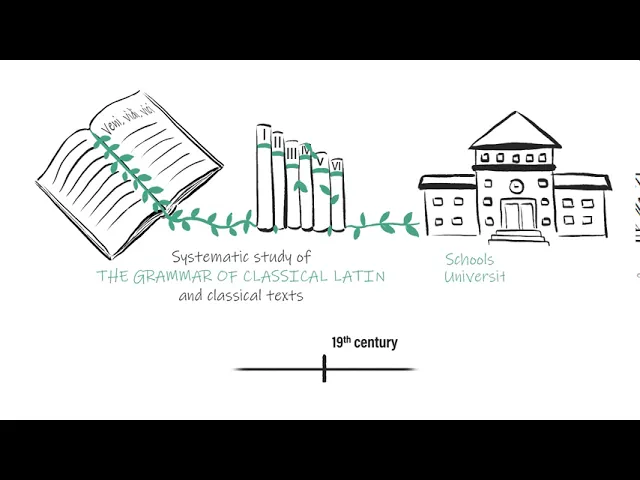
the systematic study of the grammar of classical latin and classical texts had once again taken over in schools and universities in europe the 19th century was characterized by the so-called grammar translation approach which explicitly focused on studying grammar and translating texts to learn to read literature this was followed by attempts to make language learning more naturalistic more similar to the ways children learn their languages the direct method was introduced in the late 19th century teaching exclusively in the foreign language and focusing on speaking and listening in an attempt to give a more scientific foundation to
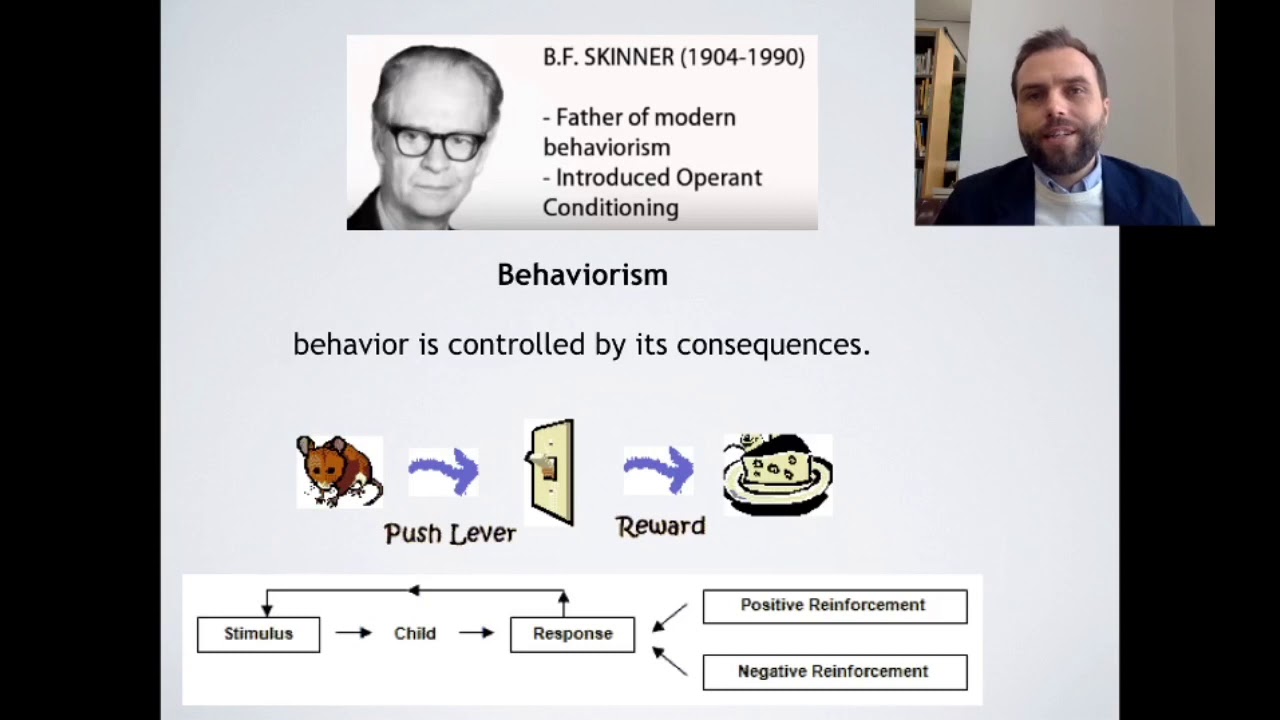
language teaching other methods such as situational language teaching were created although the real change emerged with the audiolingual method in the 1950s the audiolingual method or audiolingualism was based on psychological theories of behaviorism according to behaviorism people's behavior depended on a pattern of stimulus response and feedback and learning a language meant using the language communicatively to form new habits and get rid of old habits from the first language lessons in audiolingualism focused on drills in which students repeated the same target language items again and again this was in line with behaviorism because it involved a
stimulus provided by the teacher or by a tape a response provided by the learner and feedback provided again by the teacher in the 1970s and 80s communicative language teaching emerged as a method this was thanks to the emergence of cognitive psychology which claimed that language learning involved active mental processes and conscious learning and not just getting rid of old habits communicative language teaching is an influential teaching method to this day it started as a reaction to grammar-oriented approaches focusing on accuracy and it argued that the goal of language teaching is communication which is achieved by
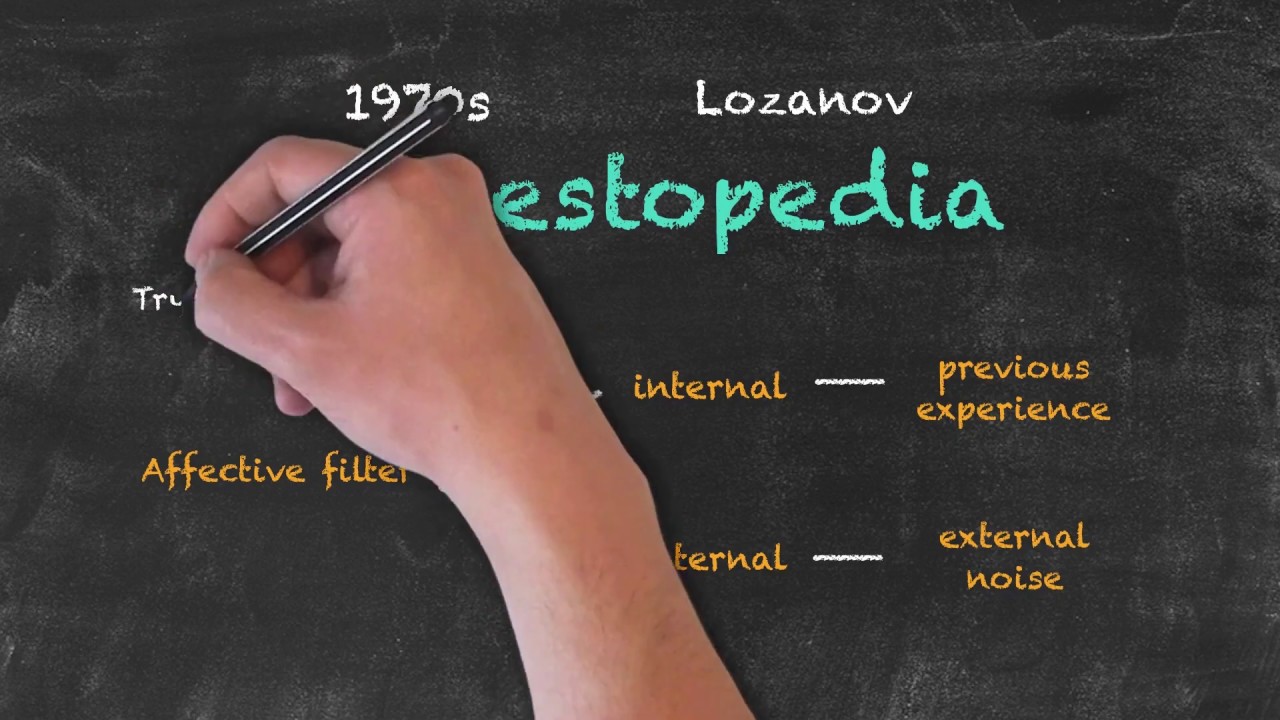
actually communicating in the target language in class another method that originated in the 1970s was called total physical response or tpr in tpr the teacher gives commands to the students with body movements and the students respond by imitating these movements in the 1970s another new orientation to language teaching emerged called humanistic language teaching humanistic language teaching is based on the idea that the whole social and emotional human being and not just the mind should be involved in learning a language three key methods between the 1970s and 80s were associated with humanism the silent way suggestopedia
and community language learning the silent way as the name suggests is a method based on the idea that the teacher should be silent as much as possible and the learners should be encouraged to speak suggestopedia is based on the idea that learning is fostered by reaching an optimal state of alert relaxation in this state of relaxation learning is meant to happen accidentally and naturally the third humanistic method community language learning assumes that students are people with feelings and that learning happens when they don't feel threatened the teacher takes on a role similar to a counselor
and gradually encourages students to become more independent and collaborative more recently a teaching method that has become more and more popular is task-based language teaching or tblt which has strong connections to theories of second language acquisition tblt is based on the idea that students can learn language by doing tasks students are assessed in terms of whether they manage to complete the task rather than the language they used to do so finally more recently other innovative methods have written such as dogma which encourages to teach without textbooks and to focus on the language that emerges from
conversation another method that has become quite popular is clil or content and language integrated learning in clil curriculum content and foreign languages are taught together in our next lessons we will talk in more details about the main language teaching methods looking at their theory and practice