[Music] hi everyone I'm shulie um I'm the community leader for hackaday um and I just want to take this time to um introduce um our next speaker Jesse tank um so Jesse she is a electrical engineering student with over 20 years experience um in it experience um she's worked with a large number of topics ranging from lasers robotics CPU um architectures and retro video game uh and and computers YY video games um so uh she recently founded a new robotics Duo Club at the University of Alaska and she's been uh featured in Popular Mechanics and
um several smaller periodicals and also on hackaday so let's give a round of applause to Jesse tank all right give everybody a moment to sit down so basically my talk is on Turner Computing um but before I get into that I out of curiosity I had a question for everybody here um I want you to all to think of a two-digit number between 1 and 50 where both digits are odd and they're not the same digit just out of curiosity and does everybody pretty much have that now what I want you to do is if
your uh digit was 37 can you raise your hand that's pretty cool I was just the reason for the question is I was I was just curious um statistically most people do pick the number 37 for that um and curiosity is pretty much way I do things um as she said earlier um during the introduction I've built uh lasers I've dabbled in robotics and Ai and AI is what sort of got me into um tary Computing it's uh it fits really well with Turner um because most people don't think in a on or off or
black or white they they tend to think in Shades of Gray and this is really touch it okay um so why Turner well most of the the numbers are just as e easy to represent as you would represent them in binary it's just a base three um so pretty much everything you've learned is still applicable um to uh trary thinking um it's extremely efficient uh you can represent a number that would normally take um 64 wires in a binary system and represent that same number with 27 so as you start um building the system up
you can fit more data into the same amount of area and someone pointed this out to me right before I was coming up here to speak I guess uh Donald n said perhaps the prettiest number system of all is the balanced Turner notation and that's where you would represent a Turner number as a positive or a zero or a negative so that's kind of cool uh why did I select tary um it's because it happens to be one of the most efficient numbers to represent uh numbers um you basically are looking at something called uh
radic economy and what radic economy is is the number of in a particular base how many digits you need to represent any number um you would get that well basically that formula it's the number of digits needed to express multiplied by the base and the most efficient Ric out there to represent any number is actually base e now building a system with a a base e is your building block is kind of difficult um so I went with the next closest which was base three uh these are the if efficiencies of uh a number system
so as you can see b e um essentially works out is almost perfect and when you look at binary it ends up as uh 1.06 versus trary which is 1.46 so that means you can uh in a fewer number of essentially electrical signals represent the same digits uh and as you go up from um tary uh from base e it uh or from three it starts getting much more inefficient so when I started designing things in Turner um I started using um pencil and paper and using a binary encoding scheme and basic caral Maps uh
is who here is familiar with uh caral mapping awesome uh essentially what I end ended up doing was uh replacing instead of a positive I'd just use like a one Zer a zero I'd use a z0 or a one one and for the uh negative I would use a01 and that allowed me to begin building if basic circuits so I could use them in um open source software such as logisim so let's see we we also uh started deciding to try to roll our own programs uh we did come up with a couple different solutions
um and adapting existing tools which like I said earlier would have been logm uh when we were rolling our own software uh this was a piece of software we called synth uh it allowed us to build a tary uh structure up and then after that generate the truth table so we could see what what the actual outcome of the circuit would be um and this was designed so we could also do it uh asynchronously as opposed to on a clock so everything was in line um just a couple of pictures I guess this was building
up a a circuit but what I kind of wanted to show you more was um adapting existing tools now as I said before um there are a lot of Open Source tools out there so that's really cool but the problem is is not a lot of them are natively tary so you have to deal with a few quirks such as encoding uh the best way to go about that is to encode and in these particular examples I'm going to use the uh encoding scheme where it's a one Z is negative 1 one is z and
0 1 is positive and there it goes um when you look at like say a simple tary and uh the truth tables over on the side there but they're they're very simple to construct in logisim but the nice thing is is when you start looking oh um these are these would be the the gates that I would consider to be the essentials in building a trary system um you have your and gate your any gate which you don't really see a lot of but um it's extremely useful your standard orgate um your decodes uh if
it's false true or unknown basically what they do is they uh just put a positive on the output if if it happens to be one of the selected inputs um you have your de increment which or your increment Gates which will be um around Robin and I'll upload these slides so if anybody wants to try experimenting with this on their own in lism they can um a switch gate which is kind of like the um the decoding Gates except for instead of uh zeros um I think the other name you'll see on this is uh
there's a gentleman that goes by the name of Douglas Jan I think he calls it a clamp gate but uh what it does is it um just outputs a negative uh if the input was positive and that's really useful when you're trying to build things um pretty much everything you know on binary still holds true after you have those basic gates for instance if you've ever looked at building a nand gate out of a binary and you build the same gate in Turner it will hold true so it's not really a huge change in thinking
but you do get a much tighter data density overall um so basically uh let's see here uh comparison gate and that's where you can see where like uh the decodes uh that would be essentially your if statement in programming uh your standard MX and a DMX um and when you start getting into things like building an ALU you do need to of course be able to add subtract multiply divide and all that and this would be an example of a a simple sum gate so if you were going to build a for instance a ripple
carry Adder um the thought process is pretty much the same um you'd build a half adder and then you could start just assembling it into a full Ripple carry okay uh let's see here so why did I originally begin uh developing into tary um well one of the slides that missed apparently was uh I had a few pictures of the the long Winters in Alaska uh very little else to do when you're sitting there waiting for a computer to to do its thing when you're doing a repair so um anyways uh the goal was to
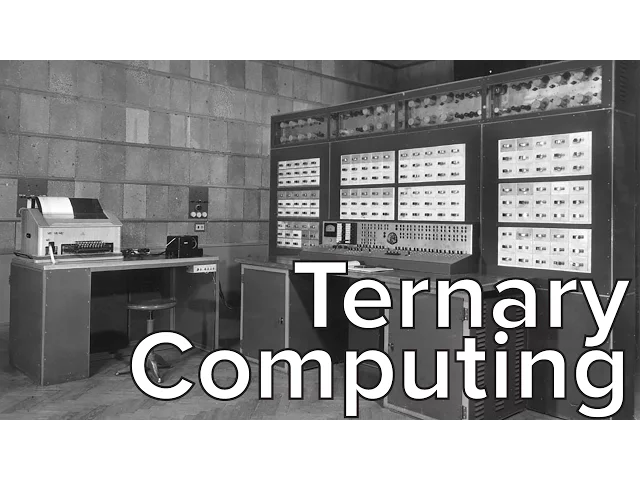
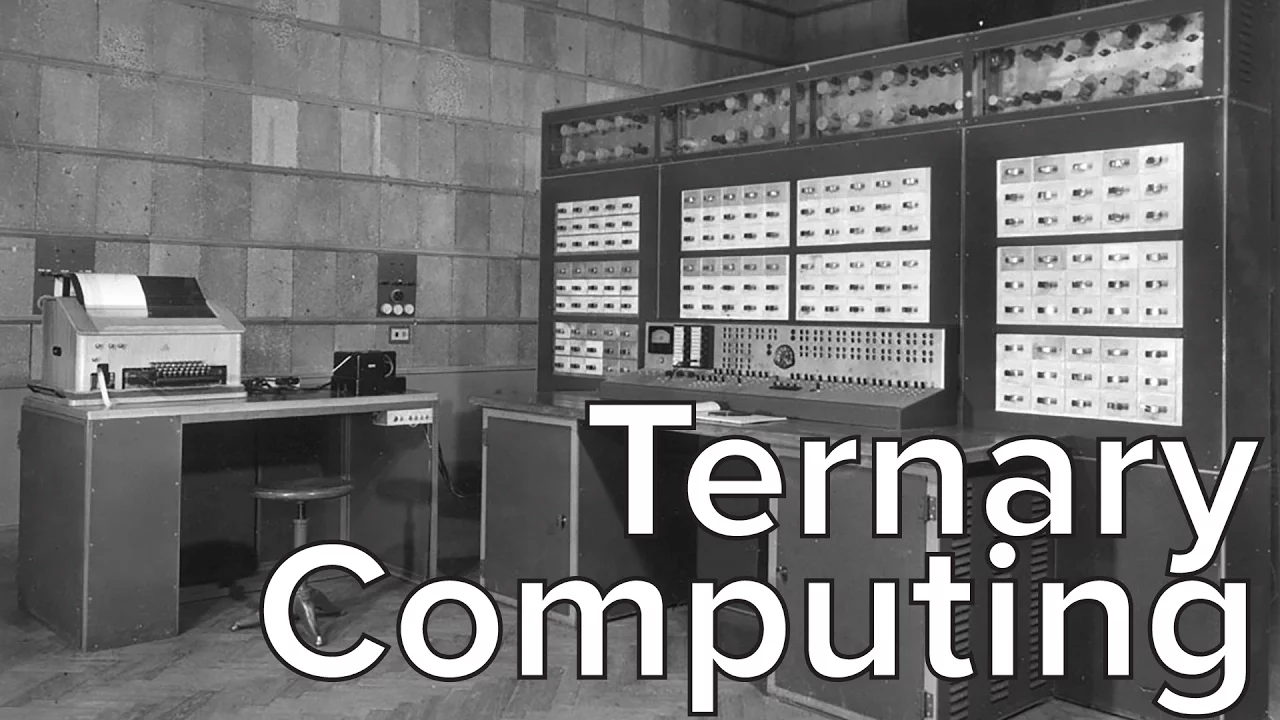
develop develop a modern trary Computing system the older systems that uh have been developed for tary such as uh Thomas Fowler developed a system for calculating tithes to a church and that was back in the 1700s that was a mechanical tary system um in the the I believe it was the former Soviet Union uh they developed a tary system because they were cut off from most of the binary system that the rest of the world was using and then it just went out of practice and I was sitting there thinking about uh why I would
go ahead and build something like that and it just came down to efficiency and I was wondering why we weren't using a tary type system um so when I started doing it I I came in did a hackaday presentation a couple years ago and I got a lot of feedback from that and I got a lot of help so we started banding together and putting together a fully functional tary ALU um the the team uh someone decided to dub the team Jin so we did a lot of experimenting uh that's some of my earlier work
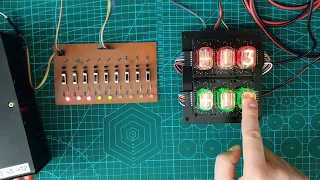
when I was uh playing around with um for instance Muller Gates and things like that cuz we were doing um an asynchronous type system and that's a picture of the first Turner base chip we had um we got that from Moses see if the gentleman was here that I had one other person here that was from our team who oh there he is Alex um but he might be able to if you have any questions he he actually dealt with uh was it Moses you dealt with directly yeah okay you might be able to answer
a couple of those questions if anybody wants to get into building a chip uh you're also doing something on hackaday yeah a hackaday project about it um so basically uh Turner is really well suited for things uh such as AI like I said earlier because people don't think in an on andof situation we tend to think in Shades of Gray um so it it more complements that uh the systems that we've also been working on have been asynchronous uh the the reason for doing that is we're trying to bring down uh bring down energy and
then to optimize the performance on it uh let's see internet all right so the motivation for doing um kind of this unorthodox design uh we were trying to come up with a way of bringing a tary product to the market to see if uh we could make it a reality um because it's not enough just to have a good idea and to build it but you actually need to build it and then get it out there for people to use otherwise it just it'll fade away so um we decided to come up with a Turner
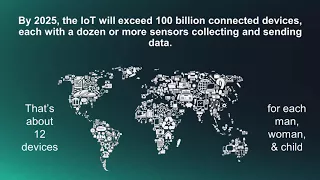
based uh application um for the uh Internet of Things world so uh it um let's see basically um Internet of Things is not generally centralized or it's not confined to servers data centers we're living in more of a mobile era so the tary concept that we came up with was um along the lines of uh Mis Computing um basically as computational needs are increasing uh we have to meet those demands so it requires a few new ideas and since everything is getting smaller have being able to compress your data into a smaller um surface area
on the die it just makes sense so we've been working on a project called um Iota or Iota uh that's a blockchain um that uses a tary hash and that's the primary um goal we've been working towards so far uh it enables microtransactions without fees if you're familiar with how a blockchain Works um you can trade exact amounts you don't have to add an extra fee on top of it and it allows multiple devices to share their computing power just like uh you'd normally have in um but basically what it's looking for is a machine
economy um or as well my boss said he said it was an economy of things um so it uh it allows us to give trer a physical use we're still looking for some more uses um but that's the first one we're working on um it it sends its data in a tary architecture at trits instead of btes and anyways we're still working on that it's uh mostly been developed we have developed um several other things such was uh in the base of a tary ALU we have a full functioning carry look ahead and um all
the other components going but uh we're still working on some of it at the moment and we're hoping to get uh a product out here pretty soon so see oh I guess he stuck that on the end interesting yeah the economy of things um how much 13 well I running low on stuff to say here so I'll take questions if anyone has any [Music] [Applause] [Music] n [Music] [Music] I o [Music] a [Music]