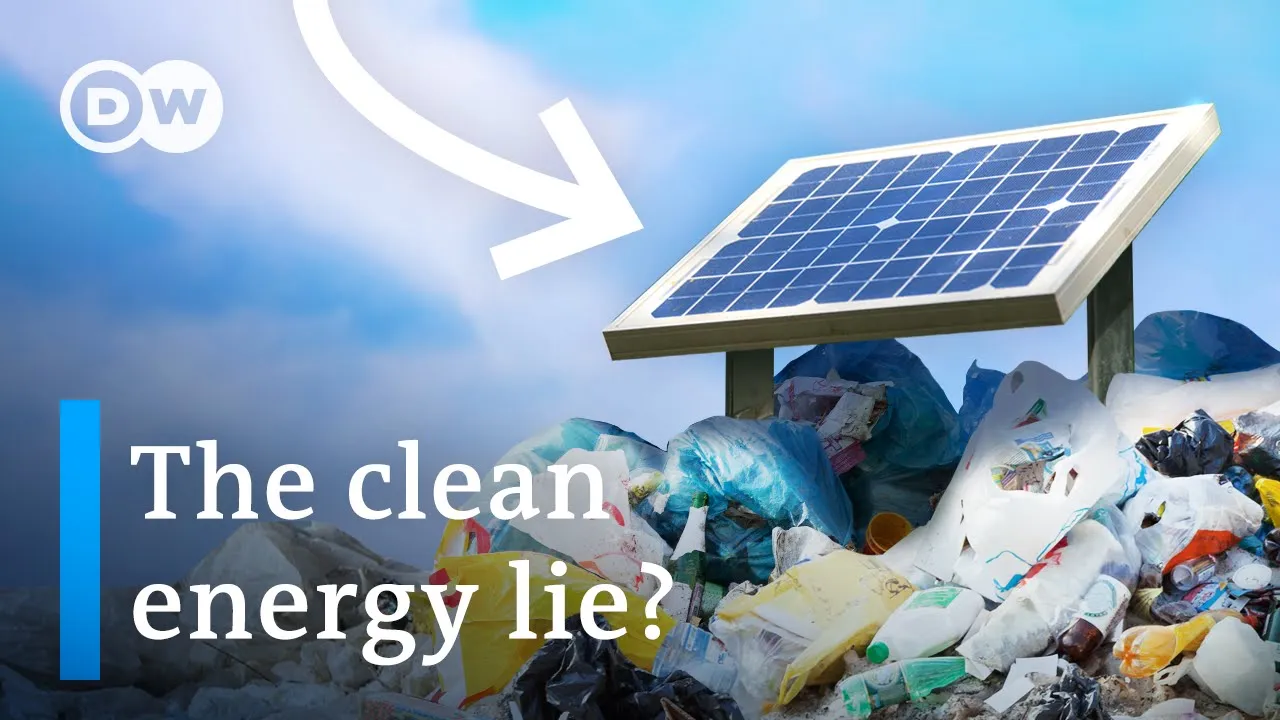
solar energy is pretty amazing its generation is emissions free and it's really cheap but if something sounds too good to be true there's got to be a catch right you need to make the solar panels that has a carbon footprint but solar panels will constitute over double the tonnage of all of today's global plastic waste well that all sounds like solar energy is not as green as a lot of us might think is that really true we'll take a look at three big criticism solar energy faces plus we'll tell you why you might be walking
on old solar panels and what all of this has to do with breaking bad let's get going first let's take a look at solar energy's impacts on the climate solar panels produce electricity without creating emissions which sounds pretty awesome but it's also not the whole story producing them in particular uses lots of energy raw materials have to be mined transported processed then the whole thing has to be assembled and as our economies still largely run on fossil fuel all this means greenhouse gas emissions but the question is how much and how much is that compared
to other sources of energy well to answer that there's a thing called life cycle assessment this is gavin heath who's been studying this for many years so we'll just let him explain how it works in the context of electricity generation the service that's being provided is the generation of a kilowatt hour the role of life cycle assessment is to do as comprehensive and complete and an accounting of for instance the greenhouse gas emissions that are emitted that are attributable to that kilowatt hour the results are this on average solar energy emits around 40 grams of
co2 equivalent per kilowatt hour it produces which is really really low compared to fossil fuels like natural gas at 500 grams or coal at a thousand but then again sun power does emit a little bit more co2 than wind power what do we make of that it shouldn't really be a choice but like at this point of lifecycle greenhouse gas emissions between different renewables they all provide significant benefit when displacing conventional what's more is that solar energy has been becoming more and more efficient which could further push down life cycle emissions in future there might
even be completely new solar technologies like perovskite modules these promise to use less energy in production and to convert even more sunlight into electricity and then there's a kind of snowball effect the more solar gets deployed the cleaner it will become to produce even more so yes strictly speaking solar energy isn't completely emissions-free but it is already one of the climate-friendliest energy sources we have [Music] [Applause] next up let's take a look at what actually goes into making all these panels [Music] to produce solar cells you need quite a few chemical substances for example the
process of refining the silicon produces silicon tetrachloride it can be recycled and then reused but it's not really clear whether manufacturers always do that if it ends up in the water it can have devastating effects on the environment and people's health or take hydrofluoric acid which is needed to clean the solar wafers during production it's a highly corrosive acid that needs to be handled very carefully by the way it's the same stuff that walt and jesse use in breaking bad to dissolve the enemies but that's just a side note here we have a lot of
hazardous chemicals of concern that are in used in to make solar panels this is sheila davis of the silicon valley toxics coalition she developed the solar scorecard that ranks manufacturers by their sustainability we don't want to solve the climate problem at the expense of other important environmental issues like hazardous waste issues or resource issues or chemical of issues that are in toxic issues and that's uh pretty much uh the problem with solar so it is green but it's only green in one phase we want to make sure it's green throughout its life cycle another problem
is that depending on the type of solar cell and manufacturer hazardous materials like leads cadmium or arsenic can end up in the modules but increasingly there are also alternatives and one of the key components of finding safer alternatives is being able to perform what they call an alternative chemical assessment and luckily right now we have the capacity to do this maybe 10 years ago we might not but now we have you know artificial intelligence we have machine learning we have internet of things all these computer enabling technologies that allow us to find alternatives safer alternatives
much cheaper so yes the chemicals needed to make solar cells are problematic there really needs to be pressure on the industry to come up with alternatives and make the switch once they find them and finally let's take a look at where all these panels go to die solar panels last around 30 years often even longer but at some point they reached the end of their life as of now the waist heap of discarded panels is still relatively low about 250 000 metric tons but by 2050 it's expected to grow up to 78 million metric tons
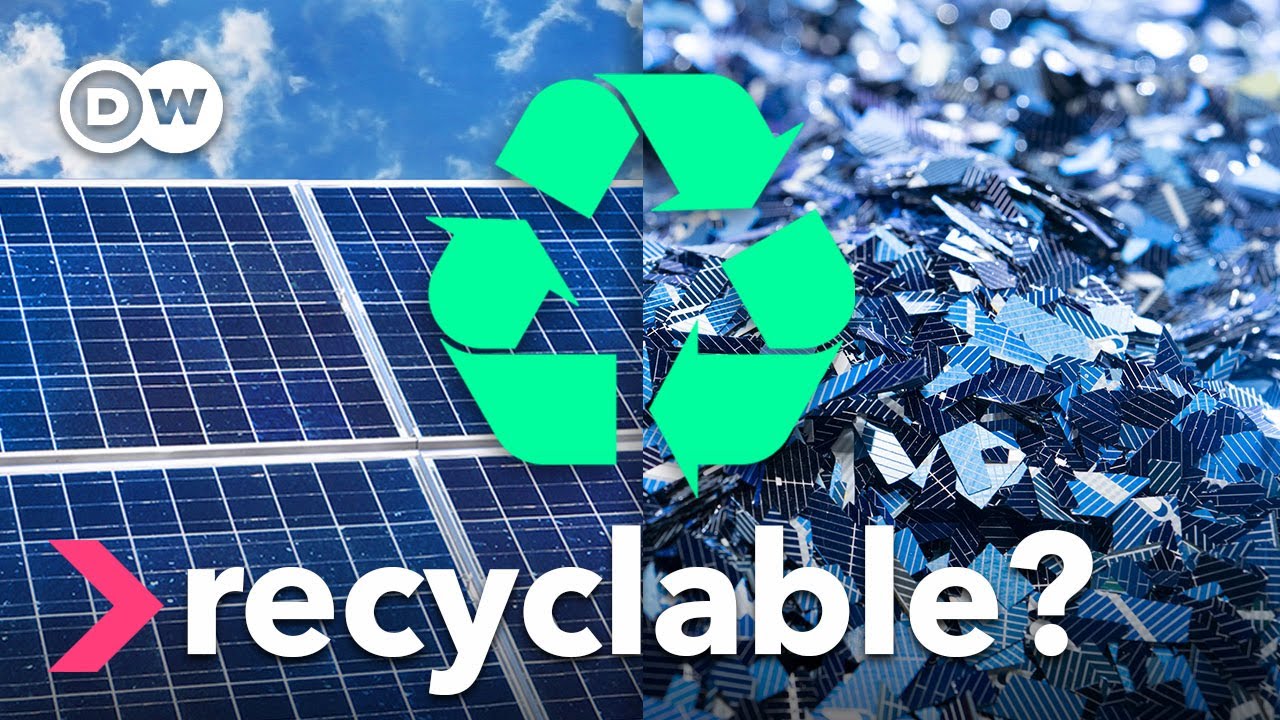
that would be more than 200 empire state buildings of old solar panels well you know now it's we can see that it's going to be a problem but of course in next 10 years or 15 years is going to be a major crisis where old panels would pile onto the mountains of e-waste we are already struggling to deal with the good news is that solar panels are recyclable and it's already being done mainly in the eu governments here made it compulsory for manufacturers to make sure their used panels get recycled facilities like this one already
recover a good chunk of the materials but there's also some bad news the recovered silicon for example isn't of high purity yet which means we can't really use it to make new solar panels instead it goes into other stuff like shoe soles and then there's another problem the cost of recycling is relatively high and that's partially at least because there's not yet that many modules to recycle this means in places without legislation like the usa or china it's still cheaper to throw old modules into landfills including all the valuable materials they're made with recycling needs
to become profitable or we might have a real problem on our hands there would be many many many solar panels that are landfilled i cannot imagine that yoonla is the ceo of rosi solar a french startup that's come up with a new recycling process it focuses on recovering the most valuable materials at high purity actually the economic return of the glass is not that high so we try to integrate also how much value that has to be recycled so silicon and silver together it's about three percent of the total weight only it has 70 even
more than 70 percent of the of the economic value with a recycling method the company says these materials could be recovered at the profits and then go back into making more solar panels they're currently working on opening their first plant at the end of 2022 in principle if we can really establish a circular economy we will not need to uh to to to redo or re-uh manufacture all these several materials so the good news is that solar panels can be recycled the bad news is that lots of them aren't yet so what does all this
mean well yes solar power is not entirely green but that definitely doesn't mean we should turn our backs on it its benefits are way too great for that instead we should openly address its problems and figure out how we can fix them now we'd like to hear your thoughts on this how should we deal with the not so green sides of green technologies let us know in the comments and if you like this video please hit subscribe because we have more coming out for you every friday