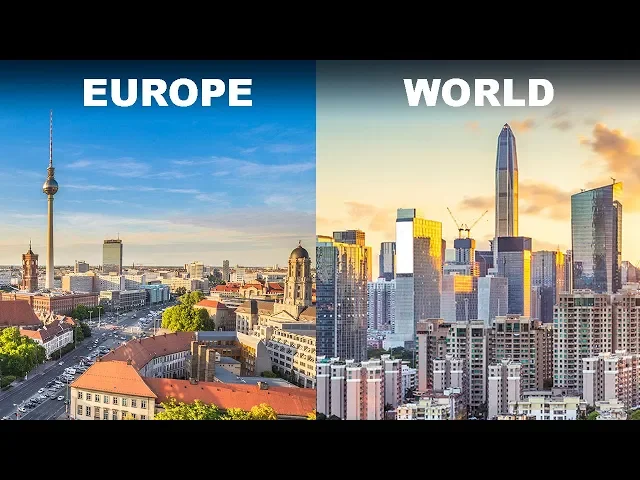
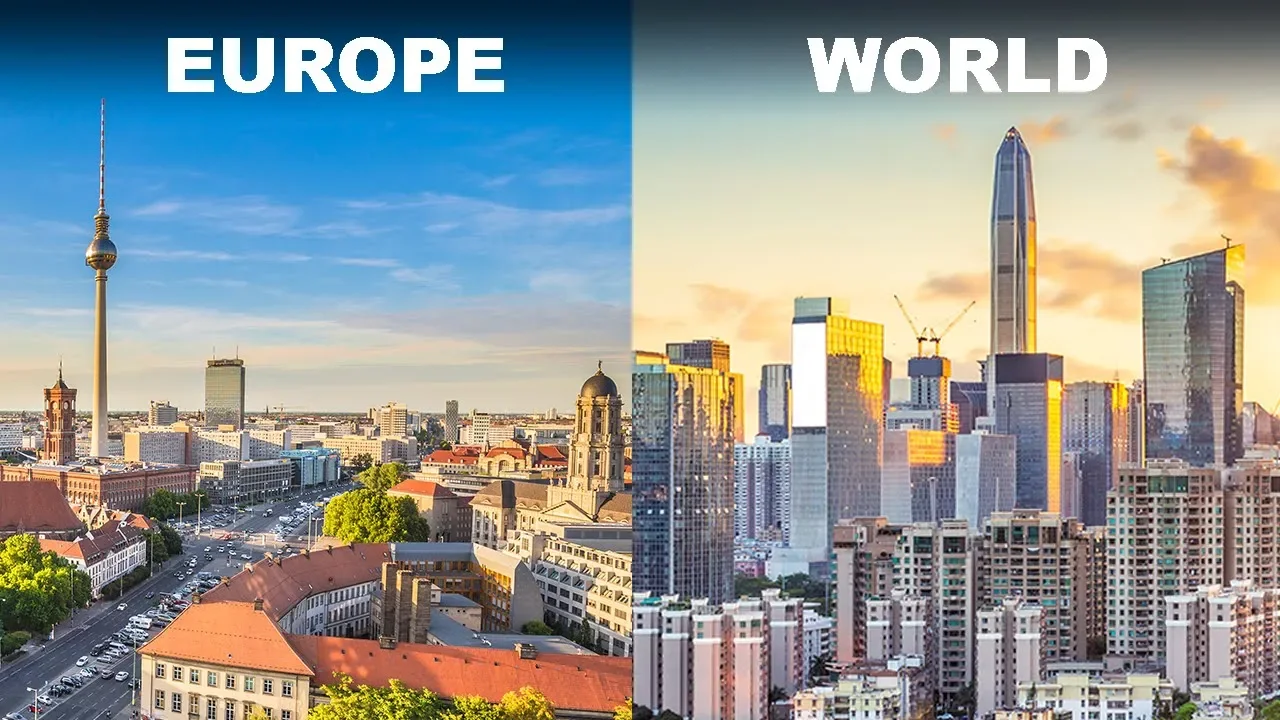
why aren't there many skyscrapers in europe despite being one of the most developed densely populated and economically prosperous continents europe has surprisingly few skyscrapers particularly when compared to asia and north america of the 218 skyscrapers constructed on the continent to date 66 percent of them are located in just five cities london paris frankfurt moscow and istanbul so why have other major european cities not embraced the skyscraper how do they thrive without the significant inner urban space and floor areas that these clever structures provide and is everything about to change in our increasingly urbanized world when
skyscrapers first rose to prominence in the 19th century first in chicago and later in new york many european cities were already firmly established with grand historic buildings and public spaces that left little room for large new structures most of europe's cities around that time were also more evenly zoned and were not facing the high demand for floor space in key districts that typically drives high-rise development additionally as the power and influence of north america began to grow a cultural rivalry emerged between americans who saw europe's class system as outdated and europeans who saw some american
ideals as eroding traditions and the european way of life as a result each continent became wary of adopting the others concepts while north america aims to become the model for a new age europe sought to preserve its heritage while this explains why skyscraper construction didn't initially catch on in europe it doesn't explain what has held the continent back since in the wake of the second world war many thought european cities would modernize and replicate the skyscrapers that were rising across north america however in western europe where many cities lost landmark and historic structures an overwhelming
desire to restore what had been destroyed took hold in addition the lower population of europe at that time meant that the demand for floor area that principally drives skyscraper construction wasn't there as a result modest structures replaced buildings that could not be saved or restored meanwhile in eastern europe the expanding soviet union's rebuild efforts consisted largely of mid-rise repetitive structures that sought to re-house much of the population it was during this time that europe saw its first skyscrapers begin to rise not in response to growth and prosperity but in an effort by the soviets to
indicate their power and influence while brussels has never constructed a true skyscraper it is partly responsible for the lack of skyscrapers across the continent [Music] without any significant zoning regulations in place the 1960s saw many buildings in the city demolished to make way for large modern structures that had little regard for architectural or cultural value recognizing the damage this indiscriminate redevelopment was doing to the city many prominent figures and architects coined the term brusselization and lobbied to introduce new planning laws these regulations significantly limited the scale of new buildings and required historic facades to be
restored and incorporated into new developments preserving the cultural fabric of the city the row in brussels led to a general dislike for modern buildings across europe with many seeing them as bland or soulless in response numerous cities adopted similar regulations and set aside controlled districts like paris la defense to keep high-rise development away from historic centres by the start of the 21st century attitudes around tall buildings were softening across the continent as architectural trends moved away from box-like structures towards more unique designs and as the world became increasingly globalized since the early 2000s major financial
centers like london paris moscow istanbul and frankfurt have seen several skyscrapers rise as demand for commercial space in their centres has increased [Music] by contrast smaller european cities that have been experiencing more modest growth have turned their focus to the environment and improving living standards for citizens in recent years urban areas in scandinavia and central europe have consistently ranked among the highest in the world for sustainability happiness and well-being while maintaining importance within their national economies however skyscraper construction in the cities of today is no longer driven purely by economic growth or the need for
commercial office space with 60 of the global human populations set to be living in urban areas by 2030 residential skyscrapers are now rising in prominence particularly across asia and north america [Music] as many traditional rural based industries become automated millions are migrating into cities and major urban areas driving significant demand to residential space that is often met with high-rise structures europe is not immune to this phenomenon particularly in such a heavily globalized world and with the continent's desire to keep up with the progress and economic growth of china and the us as such europe could
witness a skyscraper boom in the decades ahead [Music] however with entire urban centers now being declared historically significant and with the desire to retain as much culture and architecture as possible rightly holding strong up to the present day the unique challenge facing future skyscraper construction in europe is all to do with the past [Music] if you enjoyed this video and would like to get more from the definitive video channel for construction subscribe to the b1m you