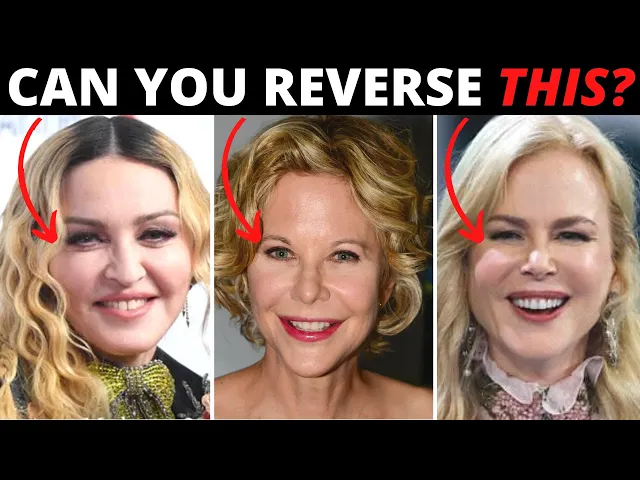
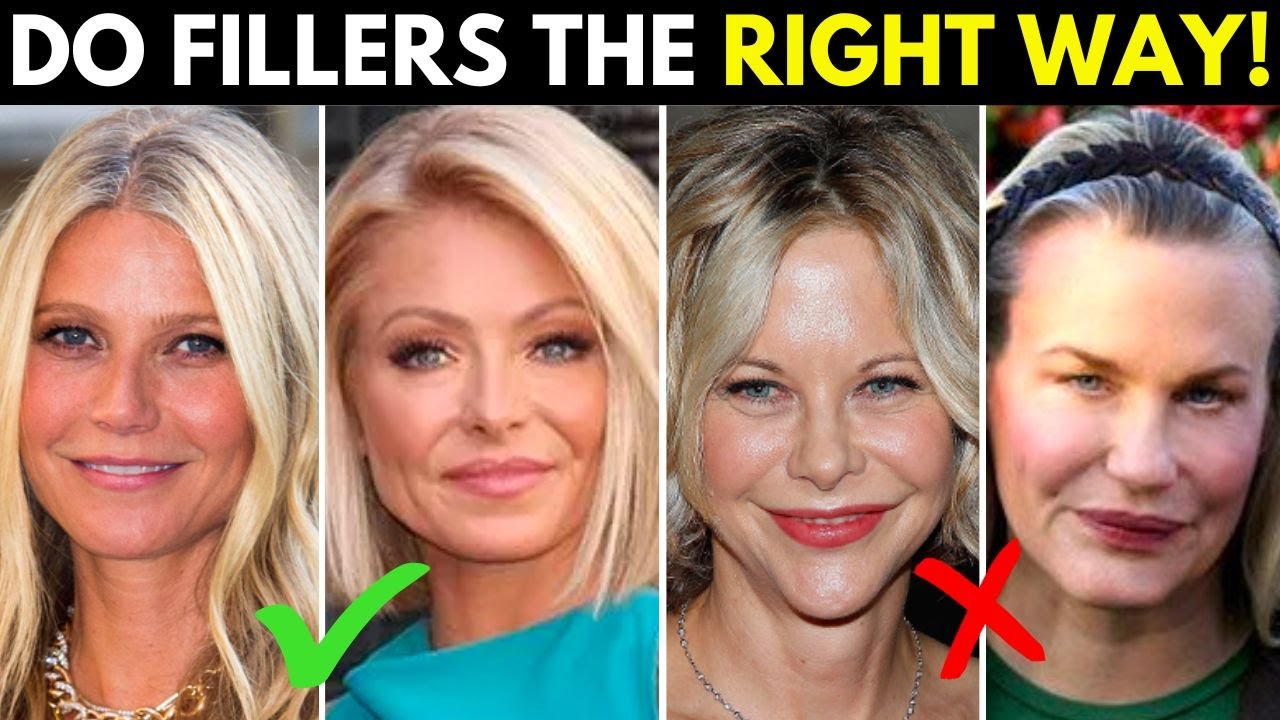
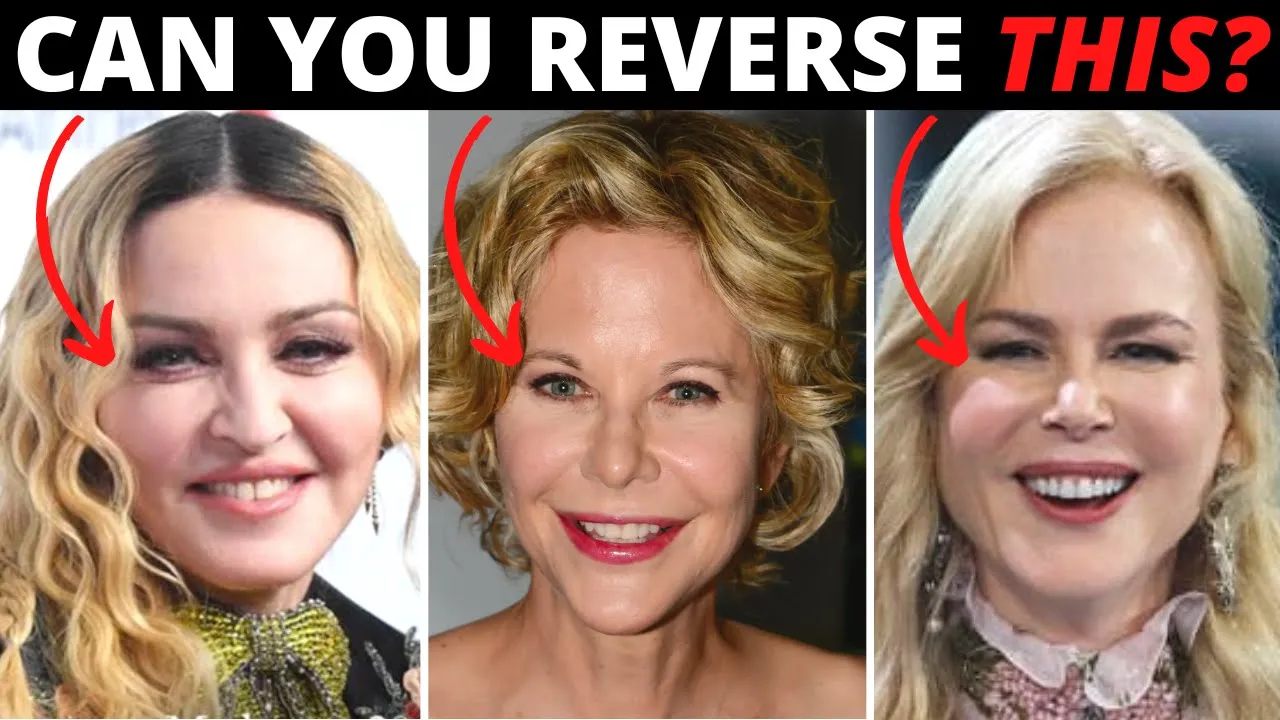
hi everyone I'm Dr Amir Karem board certified facial plastic surgeon and founder and creator of care MD skin I specialize in facial Rejuvenation which basically means I help people look as young as they feel and today we're going to talk about a very important topic a topic that I think a lot of you perhaps have you know been curious about have been hearing about and that is can you reverse the damage that is caused by an overfilled face when I mean overfill phase I'm specifically talking about faces that have either had products like Juvederm Restylane
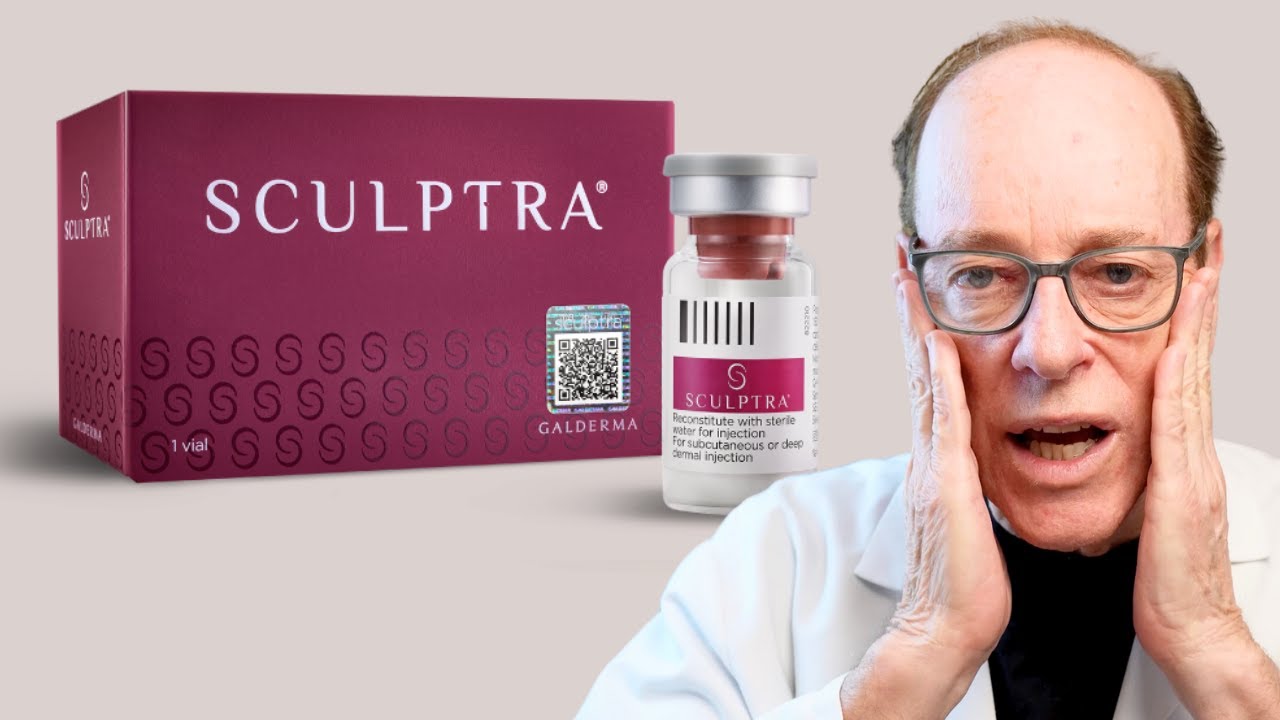
you know the hyaluronic acid category Sculptra radiesse and even in some cases silicone and even fat transfer so when a face becomes overfilled in the quest to restore some volume can those changes be reversed and if so what damages are going to linger and these are very very important things for you as a potential patient who's out there trying to you know defy aging and doing all the different things to slow down the aging process I want you to know these things so that you can be prepared and prevent certain things from happening that you're
going to regret later on I think that's really the Crux of empowerment and the Crux of this entire YouTube channel is helping you make good and informed decisions through knowledge all right we all know that there's a demand and an interest in the use of fillers and the reason for that is somewhere around 20 years ago and I was literally just getting going in my own practice and my fellowship there was an increasing knowledge that the face loses volume with age before that believe me it was literally all surgical you got a facelift the brow
lift blepharoplasties and that was it this concept or this component of a volume loss wasn't really hitting our awareness in addition we didn't even have any tools to really address it fat transfer was truly in its in its infancies there's just a handful of people who are doing it and fillers weren't even available there literally wasn't I mean at that point it was just collagen injections was lasted just several months and were mostly used for for the lips so as a result of that there wasn't a whole lot of of demand or interest and then
gradually as the products became available awareness became available an entire Market opened up towards filling now you have to go step back for a second and remember that the face has two parts of of structural aging related to it one is sagging those are all the things that cause jowling and neck laxity and you know the heaviness around the nasolabial folds and the heaviness in the corners of the eyes that's related to the fascia elongating with age just literally getting longer and longer and then there's another component that's related to volume loss that's where certain
fat pads in the face like the temples around the eyes around this part of the mouth the lips start to shrink a little bit and so when that happens and usually it happens in combination although volume loss may start a little bit sooner in the process generally speaking the two are happening together sagging is happening as an independent mechanism and volume loss is happening independently but what has happened over the last 20 years is people begun to use fillers to try to solve the sagging problem and it's kind of this Paradigm or this visual that
I'll show you is like you see a full grape and that's when your face is Young and then turns into a raisin as you get older I know it's kind of a rough rough visual but that's kind of the the Paradigm that was informing these these decisions and more and more fillers were coming out to the market promising terms like you know lifting and different things like that so the non-surgical filler or liquid facelift concept came to life and as a result of that many people who are starting to see sagging were treating it with
fillers of all different types as I mentioned in the beginning of the video all different types and I published a video on sculpture so if you're curious what that is check out that video and lots of videos on fat transfers so you understand that but the most common type of volume replacement and that's done every day is the hyaluronic acid fillers and those you know are the the common brand names that you hear about Juvederm and wrestling Etc so the concept was your face is sagging let's start putting filler in areas where you don't actually
lose volume areas in the cheeks along the jawline Etc and I did an entire video on how that process can actually Aid you and I think that is a really important video to watch in addition to this but the concept is these fillers were told to us that they basically last six months to a year and so people were getting onto a cycle of filling six months to a year in between treatments sometimes even earlier but what we've realized since then is that in fact the fillers don't actually completely go away that they leave a
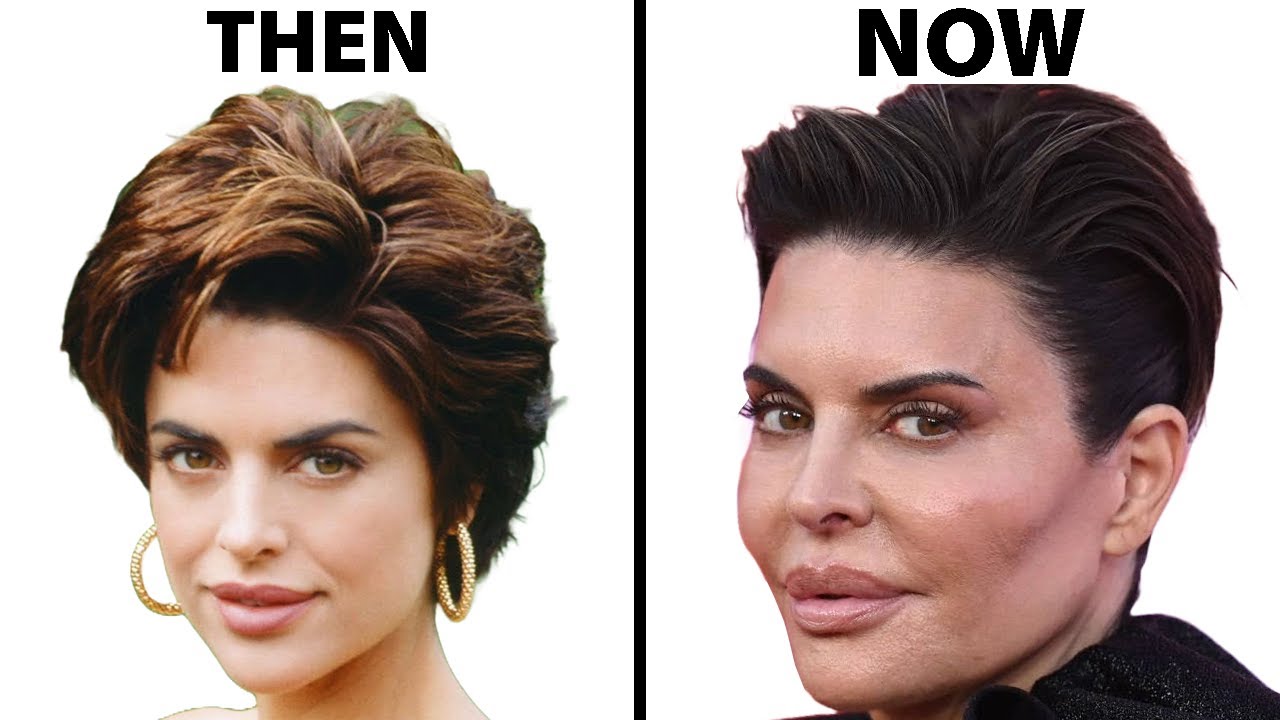
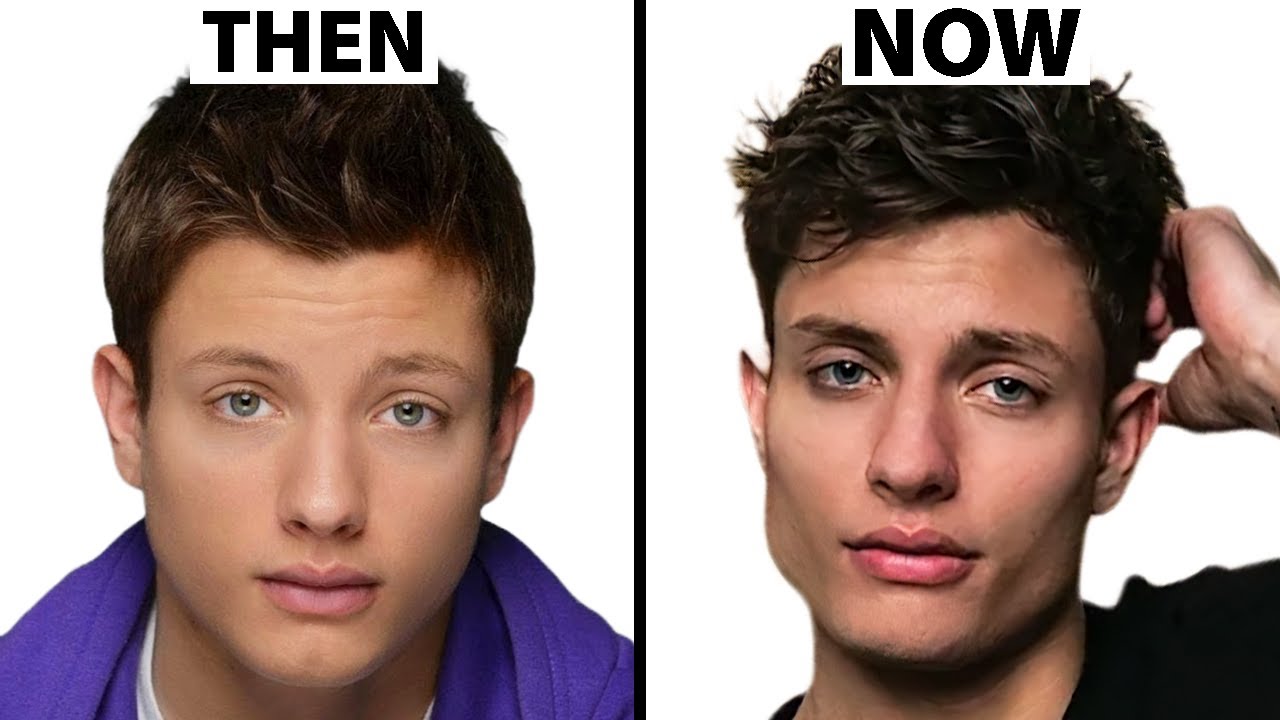
portion of them behind after every treatment that their body isn't completely efficient in terms of breaking these fillers down and as a result you get this sort of base you're increasing the volume base every six months to a year building building building over time what you end up getting is a face that looks grossly overfilled and why did people let themselves get there it's because you get used to the way things look and therefore you feel that there's no more change and if there's a little bit of a drop in the volume over a six
month to a year period you think oh you're back to Baseline which in fact you're not you're just slightly less than you were six months ago so it's this kind of like this type of a pattern where you're dipping a little bit but you're going eventually Higher and Higher and I did a video on Madonna I've done videos on Courtney Hawks who shared a lot of her her issues and concerns with the use of fillers Etc and her own challenges and we've discussed that in celebrity faces sometimes you know we can learn some good lessons
from from their mistakes is when they share publicly about what's going on so here's the question can you reverse this can these changes be reversed and unfortunately I see this every day in my surgical practice where patients come in now wanting to have you know my vertical restore or you know facelift Etc and sometimes those changes that have changed the face completely you're stuck with that's a hard truth a hard pill to swallow and it's an unfortunate reality and there's one that's best avoided because what happens is there's a couple of things that occur that
might make future decision making more difficult remember at the end of the day we all want to Simply look as young as we feel right that's the that's the reality of it we want to look like we did when we were younger we don't want to look like a different person but what happens is when you start putting something that effectively creates a permanent type of a change what you used to look like is no longer available you're no longer going to have that appearance because the the face has shifted in a different direction because
of all the years of fillers in the wrong places so what ends up happening is then you go in and you get you know a facelift or if you come to my practice you get a vertical restore and you end up getting something that looks hopefully a lot better but doesn't quite look exactly the same because now your cheeks are a lot Fuller than they used to be maybe you have a new kind of heaviness along your jawline from jawline fillers Etc and the Damage that it causes into the tissues is in the way of
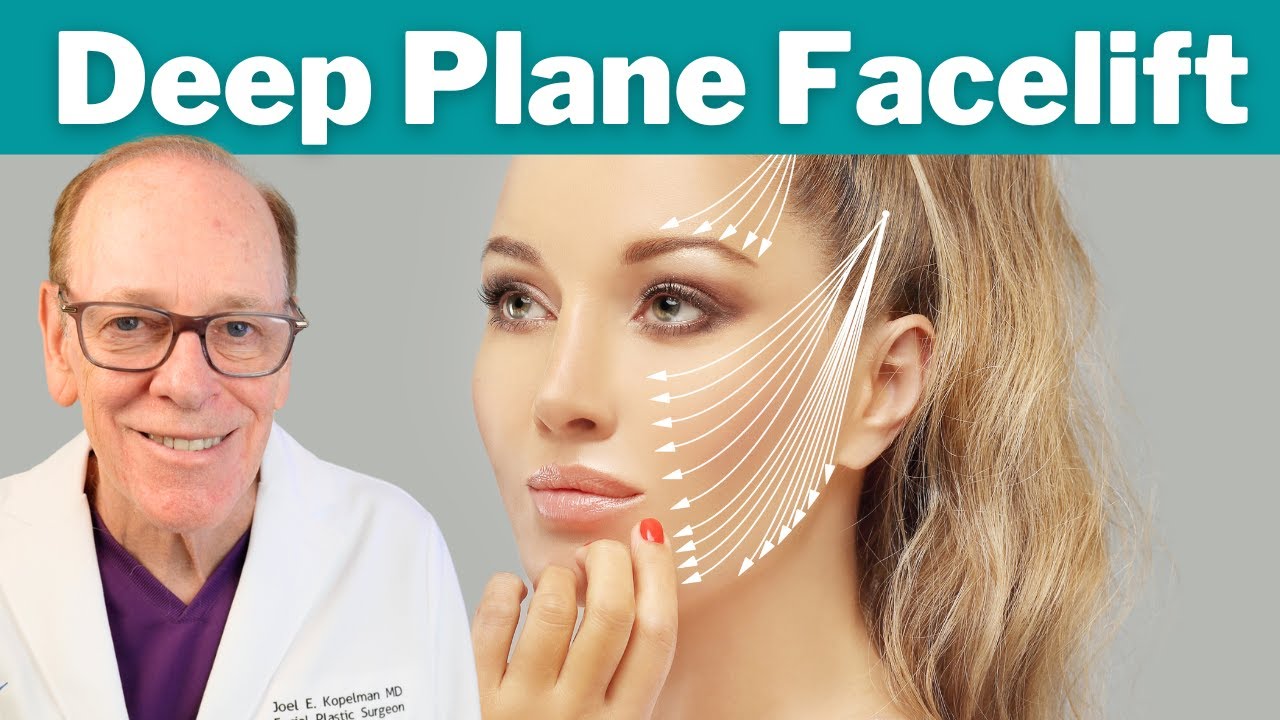
scar tissue so as a surgeon I get into these faces all the time and I'm doing my normal deep plane dissection Etc and people have had years and years of fillers the tissues are sticky and we've heard that over and over again there's been lots of public awareness about this and surgeons discussing this and papers being published about it and certainly we talk about it at our conferences all the time but when you're doing these delicate operations especially the Deep plane you rely on a very tactful and very smooth dissection in the in these spaces
because there's some important structures like nerves and different things that are nearby so you want to make sure that you're doing this in a very safe way and when somebody is face is fully scarred in as a result of these fillers well it's unfortunate because it makes it much more difficult to do the procedure now somebody like myself who does this day in and day out I literally do you know two of these a day most of the days of the week what ends up happening is I'm used to that I'm comfortable with it I've
been doing it for a long long time but you put your face in the hands of a surgeon who's doesn't do them as often doesn't hasn't had a whole lot of experience now those faces are going to be much more difficult to perform the procedure safely as well as effectively because you know if the surgeon uses good judgment you probably don't want to push the envelope too far and risk some of these negative consequences from happening as a result of the damage that's been done to the tissues in addition to making surgery more difficult the
tissues are no longer have the same what we call them tensile strength they're kind of like fabric of the face the fascia when you put sutures through them a lot of times because of the chronic inflammation caused by these fillers a lot of Surgeons have this experience the sutures that you put through almost cheese grate right through they don't have the the firmness that can hold the stuff in there especially for people who have done this for years and years so long story short those are the consequences surgically that might see the aesthetic physical consequences
of the changes in shape like a big full cheek big lips Etc heavy jawline that don't necessarily resemble what you used to look like and unfortunately even with hyaluronic acid fillers the fillers that are supposed to be dissolvable can't really dissolve them all the way because if you start to to try to do that you're going to get this waviness and lumpy bumpy throughout the face because it's nearly impossible to make sure you get every aspect of the filler completely dissolved Additionally the fillers like Sculptra and radiesse and silicone and fat transfer those are much
more durable and they don't have a way of of putting an enzyme for example and even dissecting portions of it you're kind of stuck with some of those things for a very long time or in many cases permanently so you got to be very careful very weary this is the time that we start to really understand that just because we thought something one at one point and we're all guilty of it we're all you know all of us in the industry have you know sort of drank the Kool-Aid if you will of thinking that this
is an approach that might be meaningful but I think it now is the time after reflecting on 15 20 years worth of of data you know clinical experience Etc we all kind of know you know realistically that not only did it not really help do an anti-aging method didn't really help make somebody look younger but there's consequences to long-term use and the reality of it is that these changes that happen to the tissues even if they're moderately used are fundamentally permanent and there's no way to reverse Scar Tissue there's no way to remove filler that
has been transferred into the way of Scar that's the other thing that happens chronic inflammation lays down Scar Tissue as I mentioned so can't really reverse Scar Tissue so some of these changes truly are more or less permanent the damage is long-term so try to keep all this in mind as you make good decisions for yourself we need to make solid decisions going forward fillers should not be placed in areas that don't lose volume like the cheeks the jawline Etc be very very mindful of this if you're in that kind of quest to avoid surgery
believe me you're not going to get there with this type of an approach so stop it if you have friends family who are you know considering this type of stuff share this video let them you know Make Some solid decisions or at least be informed and certainly take this notion to uh to their own injectors and their own doctors and see if they agree with me and if this makes sense Etc but I feel strongly about this and again like I said lots and lots of experience to support it as well as conversations with many
colleagues who are now very very passionate about this particular you know issue so folks if you enjoyed this video and enjoy this type of topic hit subscribe so you can get this video once a week hit notifications so you're aware of it share this with friends and family if you have any questions or comments below drop them in the comments we'll make sure we answer as many of them as absolutely possible and once again thank you so much Dr Amir Karen [Music] yeah foreign [Music]