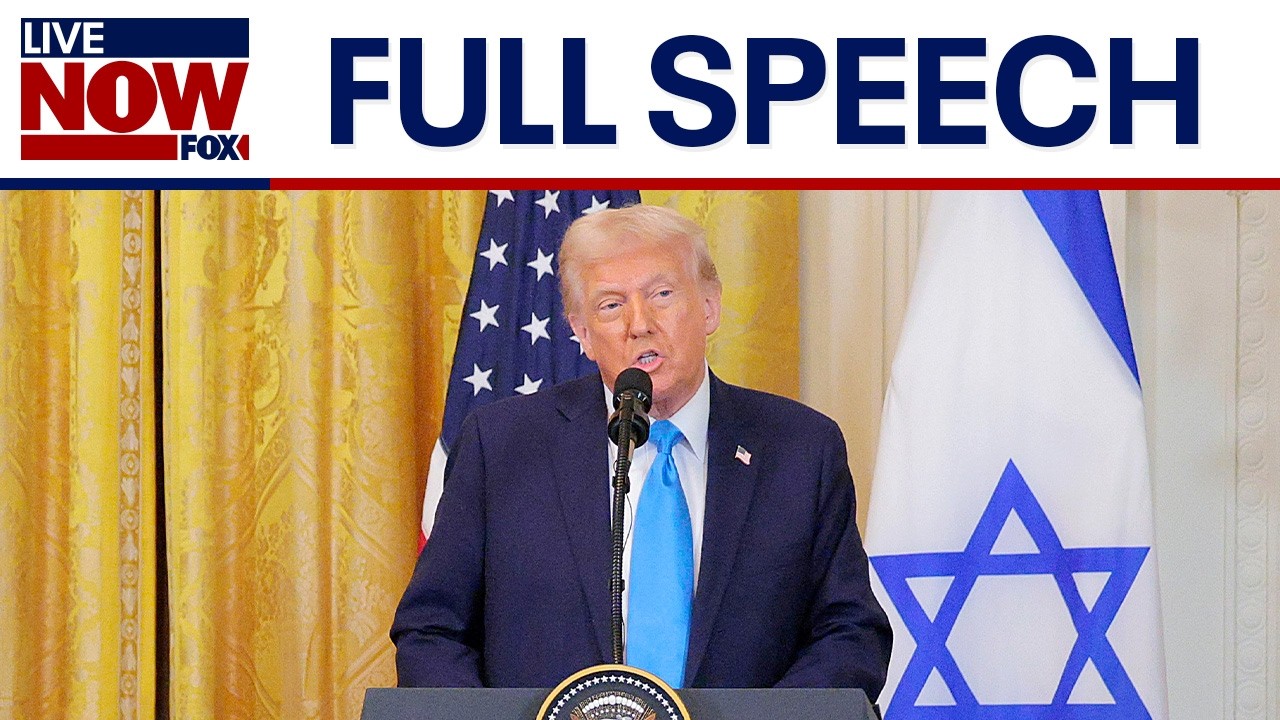
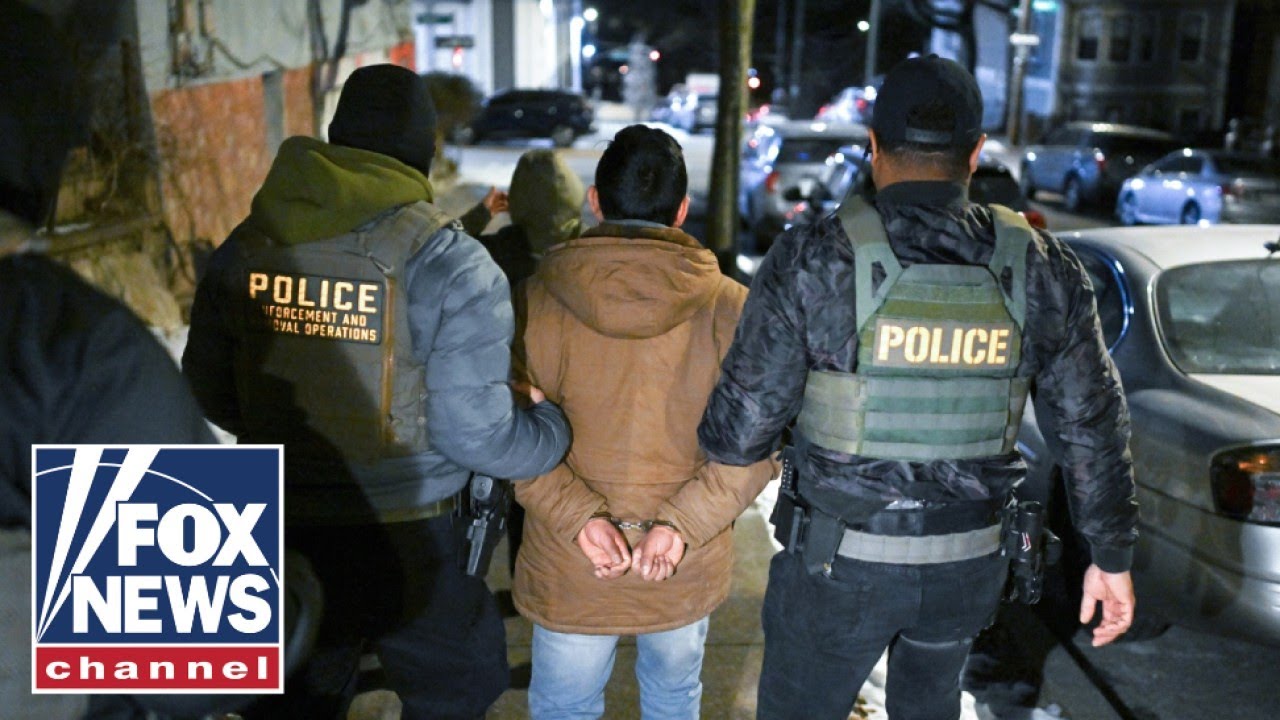
Donald Trump just walked into Secret Service headquarters unannounced. What happened next left agents speechless. The main entrance of the Secret Service headquarters in Washington, D.
C. , wasn't a place for surprises; every move inside was calculated, planned, and executed with precision. Agents weren't used to impromptu visits, especially not from someone as high profile as Donald Trump.
But on this particular morning, without prior notice, a motorcade pulled up. No scheduled meetings, no heads-up, just a sudden arrival that sent a wave of confusion through the security team. The moment the doors swung open, he stepped out, flanked by only a handful of staff.
The usual swarm of cameras was nowhere to be seen—no press, no official announcement—just Trump inside the headquarters. A shift in energy was immediate; agents whispered among themselves, trying to piece together what was happening. Some assumed it was a drill, a security check, or even a visit for some classified briefing.
Others weren't so sure. "Why is he here? " one agent muttered under his breath.
Another shook his head, "No clue, but whatever it is, it's not normal. " Trump walked through the metal detectors without missing a beat, his usual confidence on full display. He didn't stop to shake hands; he didn't crack a joke.
He just kept walking as if on a mission only he understood. But the real confusion started when he veered off course, heading down a hallway that wasn't meant for visitors. Secret Service headquarters wasn't designed for unplanned detours, especially not from someone like Donald Trump.
The corridors were tight, sterile, and heavily monitored, with cameras The room erupted into murmurs. Did he just—no way? The instructor stepped back, eyes narrowing.
He was taking this seriously now, and for the first time, every agent in that room realized they had no idea who they were really looking at. But the biggest shock was still coming. The room was no longer just watching; they were studying a former president standing toe-to-toe with a Secret Service instructor.
It wasn't just unexpected; it was unreal. The instructor, now fully engaged, adjusted his stance—no more holding back. He stepped forward again, this time with calculated force.
Trump moved fast. Not fast enough to be a professional fighter, but fast enough that it raised questions. He didn't rely on brute strength but on something more technical, something refined.
Another parry, another calculated step. Then, in an instant, Trump did something that sent a shock wave through the room: he dropped the instructor. Not hard, not with aggression, but with a fluid, controlled movement that sent the man to the ground.
The silence that followed was uncomfortable; no one knew whether to react, to laugh, or to question what they had just seen. The instructor, still on the mat, stared up at Trump for a long moment. He wasn't angry; he was confused.
Finally, he sat up and exhaled, “Where the hell did you learn that? ” Trump simply adjusted his cuffs, threw his jacket back over his shoulders, and smirked. “Let's just say I've been around.
” The tension in the room shifted. Some agents were still in disbelief; others, though they wouldn't say it aloud, were impressed. But the most important reactions were happening outside that room.
Unbeknownst to them, the entire incident had been monitored in real time. Somewhere down the hall, in a secure surveillance room, high-ranking officials were watching the footage—rewind, replaying, taking notes. One of them, a senior director with decades in government, leaned back in his chair.
He didn't speak right away; he just watched, analyzing, calculating. Then finally, he said it, “We need to talk to him. ” But the question was, who else had already taken notice?
Trump left the training facility like nothing had happened—his tie was still loose, his expression unreadable. But behind him, agents were still piecing together what they had just witnessed. This wasn't a publicity stunt—no cameras, no audience, no staged moment for the press.
So why? Back in the surveillance room, the senior director wasn't the only one watching. The footage had already been flagged; higher-ups were being notified.
An internal analyst, a woman with sharp eyes and a decade of experience studying behavioral patterns, was the first to say what everyone else was thinking: “He didn't fight like a politician. ” The director's gaze shifted to her. “Explain.
” She replayed the footage, slowing it down frame by frame. The way he moved—it wasn't polished, but it wasn't amateur either. He was adapting; his reactions weren't trained in a gym; they were trained in the field.
A long silence filled the room. Then another analyst, this one ex-military, spoke up: “Those were counter-surveillance takedowns. ” The director's fingers drummed against the desk.
“Which means—” The analyst swallowed. “Which means at some point in his life, Donald Trump learned how to defend himself against a professional tail. ” The weight of those words hung in the air.
That wasn't the kind of training you picked up at a weekend self-defense course; it wasn't something a bodyguard taught you for fun. It was something you learned if you had a reason to. The director stood up.
“Get me his old security records. ” The analysts exchanged wary glances. One of them hesitated.
“Sir, those files are classified. ” The director didn't blink. “I don't care.
Get them. Because if Trump had a past that no one knew about, someone else knew too. And if that someone was watching, this moment had just changed everything.
” The Secret Service headquarters wasn't the same after that day. Whispers circulated in every hallway, in every briefing room. Agents who had witnessed the event kept replaying it in their minds: how Trump had moved, how he had reacted, how he had taken down a seasoned instructor with uncanny precision.
But the real storm was happening behind closed doors, inside a secure intelligence office. The senior director sat in front of a stack of classified documents—the kind of files that weren't meant to see daylight. One of the analysts, the one who had flagged the footage, slid a report across the table.
“Sir, these are the security records you requested. ” The director picked it up, flipping through pages of old surveillance reports, classified memos, logs from past Protection details. Then he stopped.
One document stood out, not because of what it said, but because of what had been redacted: entire paragraphs blacked out, whole sections censored. The analyst cleared her throat. “That's from his time in the 1980s, before his presidency, before the heavy security details.
” The director stared at the pages. What had been covered up? Then his eyes fell on one unredacted line: a location—Moscow, 1987.
Silence. The analyst folded her arms. “Sir, why would a real estate mogul have classified surveillance logs from Moscow?
” The director didn't answer because he didn't know. But someone did. And if Trump's unexpected visit to Secret Service headquarters had proven anything, it was this: whatever happened in the past, he hadn't forgotten.
And maybe, just maybe, he wanted to remind certain people that he still remembered. Donald Trump walked out of Secret Service headquarters that day as if nothing had happened—no press conferences, no statements, no carefully crafted narrative to explain away the moment. But inside those walls, something had shifted.
Agents who had once viewed him as just another high-profile figure now looked at him differently—not as a politician, not as a businessman, but as something else entirely. The classified files, the missing details, the redacted history. What did he know?
Or perhaps the better question was, who knew about him? In the weeks that followed, security clearances were quietly updated, certain files were reexamined, and high-ranking officials who had long believed they understood the former president found themselves second-guessing everything. Because if there was one thing the intelligence world feared, it was the unknown.
And on that day, Trump had reminded them of something simple yet chilling: he was still unpredictable, not just in politics, not just in media, but in a way that made the most powerful agencies in the world take notice. Power isn't just about what you own or what you say; it's about what you know, and more importantly, what others don't know about you. Some things aren't meant to be explained; some moments are meant to leave people wondering.
And that's exactly what Trump did. Did he plan it, or was it instinct? No one knew for sure, but one thing was certain: he walked into Secret Service headquarters that day as an open book and walked out as a question mark.
What do you think really happened? Drp your thoughts in the comments below, and if you love deep dives into moments like this, make sure to subscribe. You won't want to miss what's coming next!