i hit new york in the you know 1977 1978 right out of college and uh began to write just because i was arrogant enough to think that i could for art forum and that was a way of downtime for it for him there wasn't much of a art world at that moment but by 1980 i was 1981 i was a editor at art in america with craig owens and that's really when i began to write a lot about the people that i'd come to to know you know as i look back to think about central
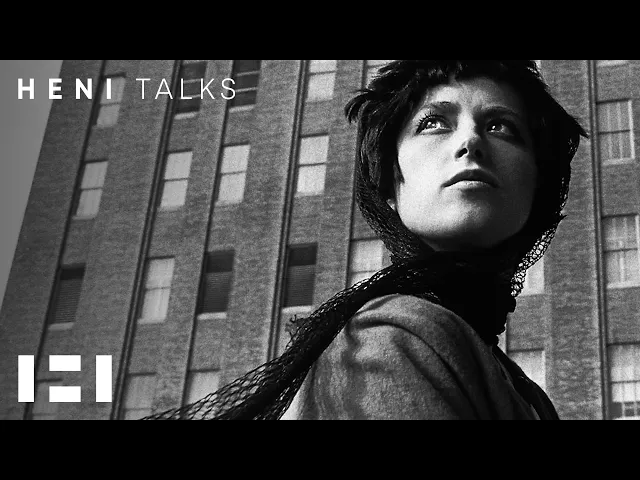
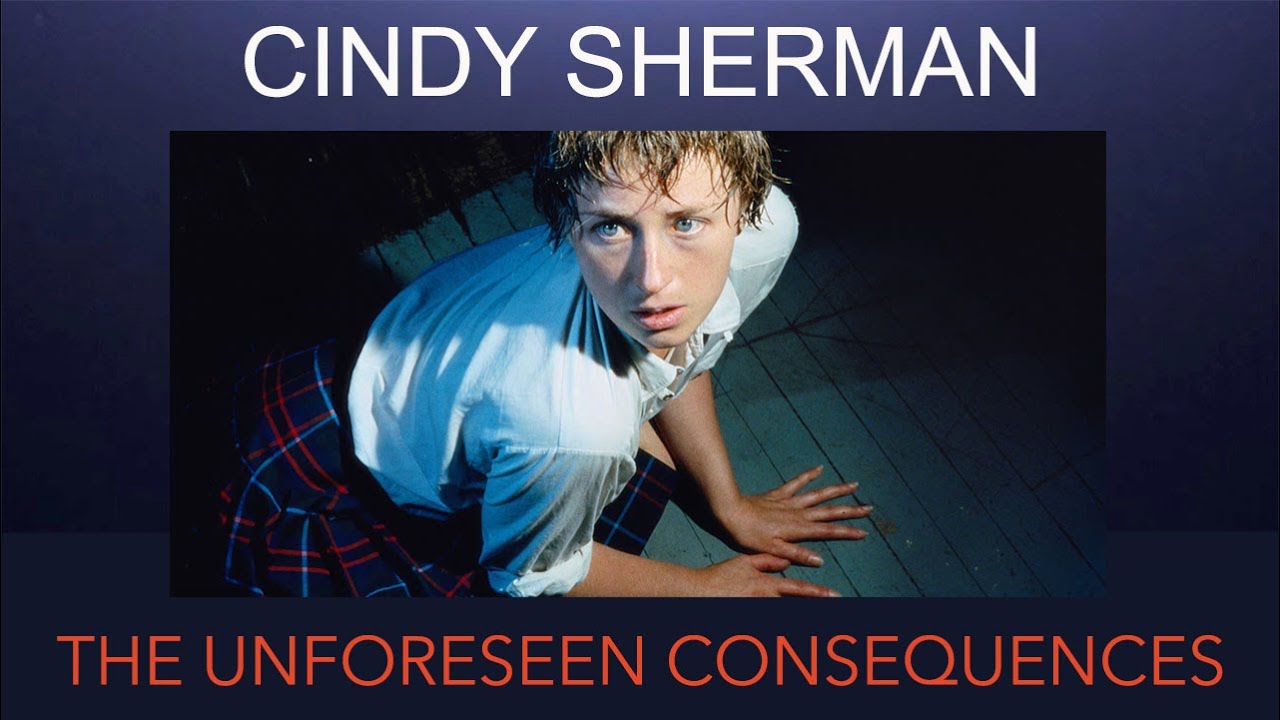
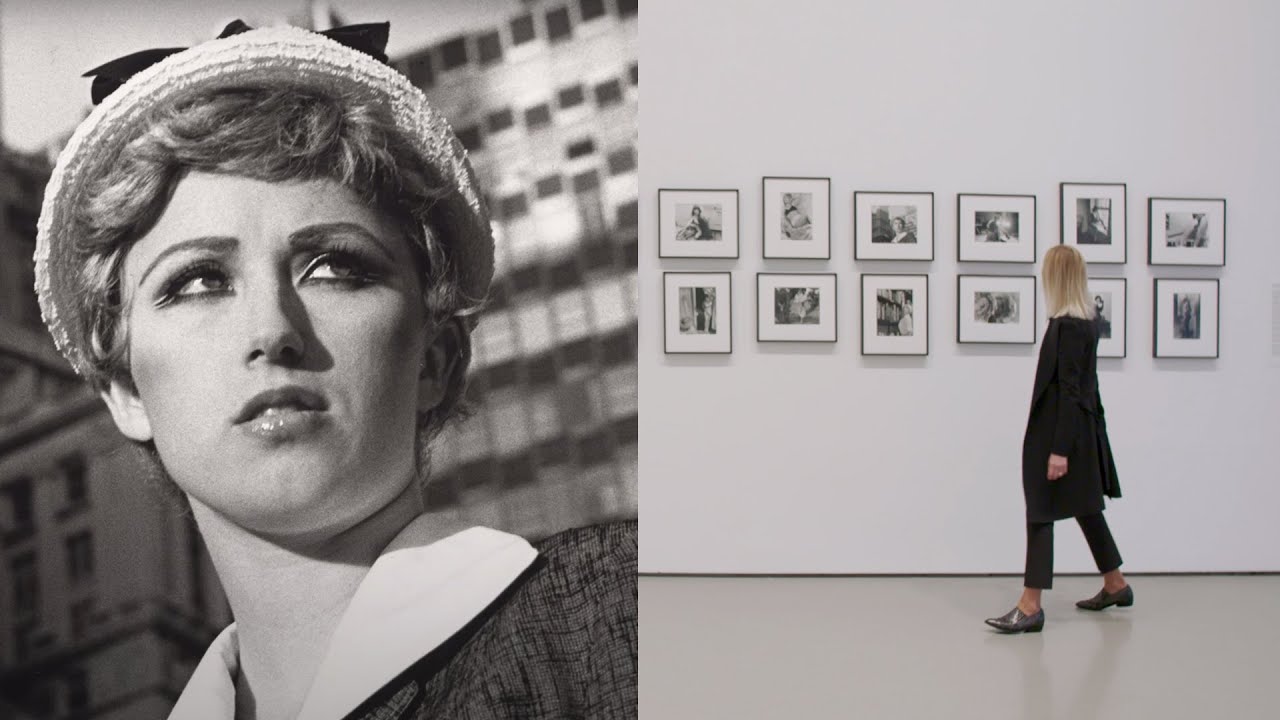
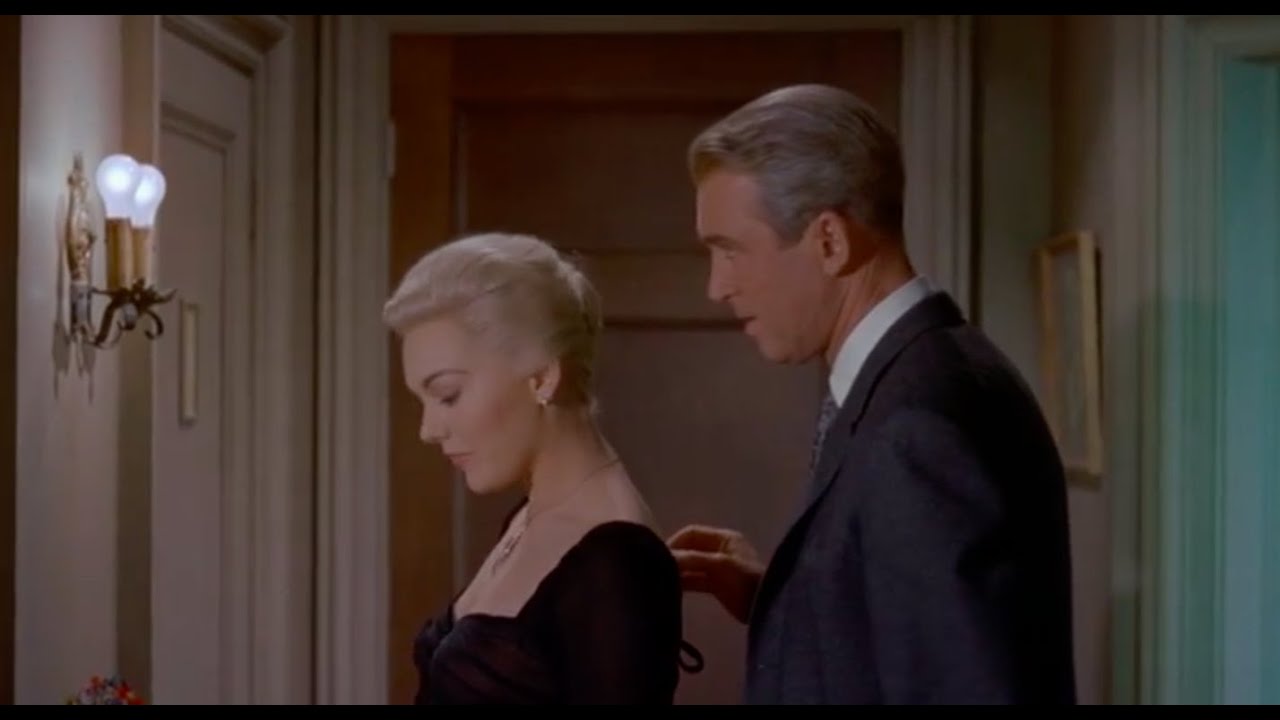
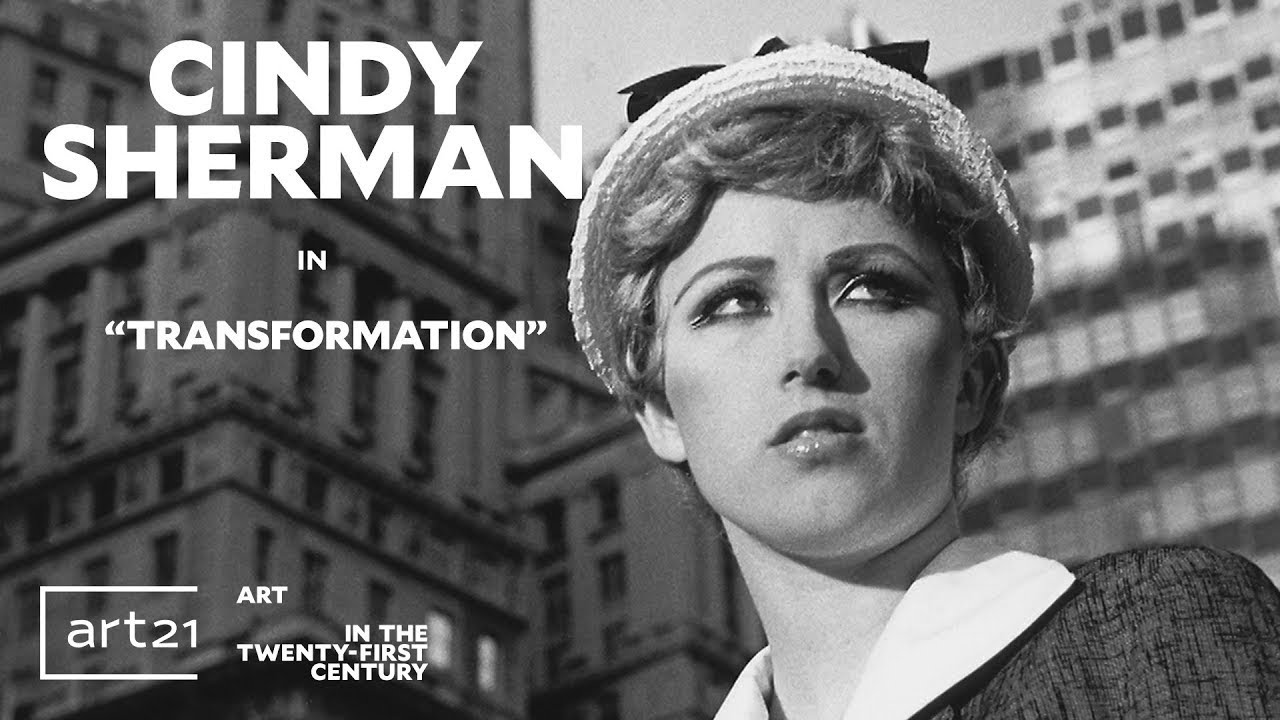
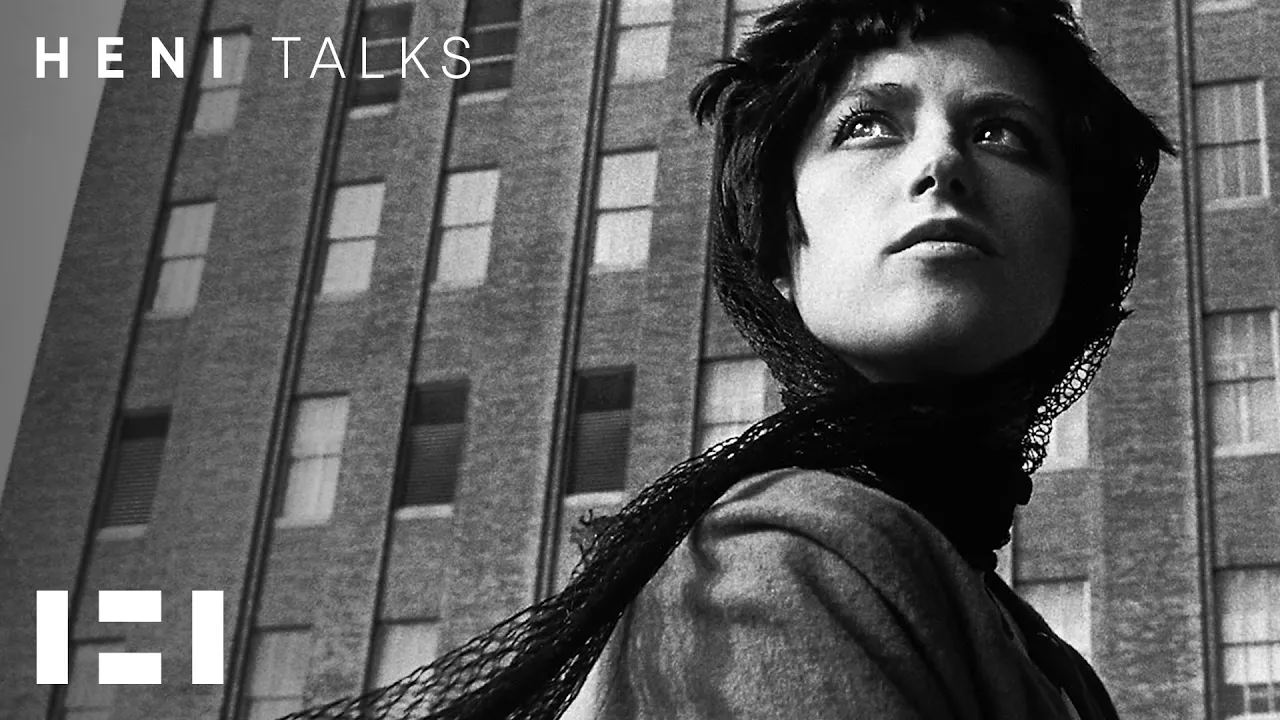
work that cindy sherman made was to think about in terms of how she placed these figures that she would concoct um early on people thought that the entitled film still was really were drawn from films i mean they were not they seemed to allude to you know bee films but that was like a crazy iconographic impulse to see if they could be dragged down but she was drawn to particular kinds of films where women young women in particular were under threat under the gaze and that is really where her work started but just as an
overview let me just read a bit from return of the real which came out in 1996. in the early work of 1975 to 1982 from the film stills through the rear projections to the centerfolds and the color tests sherman evokes the subject under the gaze the subject is picture which is also the principal side of other feminist work in early appropriation art her subjects see of course but they are much more seen captured by the gaze often in the film stills in the center folds this gaze seems to come from another subject perhaps a man
usually a man with whom the viewer may be implicated sometimes in the rear projections it seems to come from the spectacle of the world as if the the world has had a gaze of its own and looked at her or looked at us yet often too this gaze seems to come from within here sherman shows her female subjects as self-surveyed not in any intimacy with the self as in i see myself seeing myself but an estrangement from the self i am not who i imagined myself to be people talk about the pictures generation but i
think it was really a moment of convergence it was too small to be a generation a group of artists came from buffalo they were in school there and they were ambitious they started a space exhibition space performance space called hall walls so they invited artists from new york up and eventually they you know moved to the city mid-1970s more or less at the same time a group of artists trained in conceptual art and cal arts uh you know moved here from la uh and then they all combined with artists who are already here mostly women
women informed by feminism they all fell in together downtown it was a community but it was also intense there was already that concern about who gets to be represented who gets to be exhibited or young ambitious in new york get out of my way the thing that brought them together was a desire to move on beyond the the art that came before whether it was performance or very very dry conceptual work that was you know certainly one imperative the other imperative was to take on you know new media and mass culture and engage in the
image world as we used to call it we were a generation who grew up on movies and tv that combined with the interest in performance art i think the artist really wanted to see what they could make of of forms that were in movement how they might still them how they might capture an image and uh reframe it redeploy it so in some ways pictures was about stealing pictures but it was also about stealing like rendering motionless performance whether that performance was actual performance art or movies or even television and you know why why steel
why still might slow down these artists wanted to understand the effects of these mass cultural images and we used to talk about the the relation the ratio between critique and complicity all the time and you know some of us felt that the only way to be truly critical was to get on in the inside of these images and the line between what people made and what people did how they lived it blurred i mean cindy sherman would dress up and go out eventually she saw that this was her practice i mean this was her art
untitled film still number two is one of my favorites in this image you know a young woman just wrapped in a bathrobe gazes at her reflection and a bathroom mirror she seems to have a wig and she seems to look at her own image you know with this desire this will to make that image as pretty as possible to project a beauty onto the image that might not be there um that's where i see this this gap between the the actual body and the uh the desired image i mean freud would call it the ego
ideal um you know this idea that we carry around this image that we carry around that we're all still young and cute i like i'm 15 and i still have hair and can still like shoot an awesome jump shot [Music] we never get over that ego ideal i think and that's just part of what it's like to be human the problem is i think that's where you know so much of the culture industry you know so much of advertising uh so much of uh best culture that's where it sets up shop and it plays on
that desire and manipulates that desire and cindy you know right away announces you know this photograph that that's that's the space of of her performance that's the world of her picture that she wants to explore the gap between the actual and the desired the actually imagined i'm not sure we would really know what a selfie is in the same way without cindy and this is you know completely apart from the enormous influence that she's had on on younger artists she's allowed for a different understanding of what a self-portrait is god knows how conscious it is
but i do think that people when they take selfies by and large have a sense that it's a play in part you know you know they might be dismayed that it's not a true self that um but i i think you know this might be to give her almost too much credit but i think she's helped people understand identity is a construction subjectivity is a performance you can't stretch it you can't change it um maybe less than people want to think uh but i can't think of a of another artist who's really had that that
double effect you know both on on advanced art in our own world but in the social world at large [Music] you