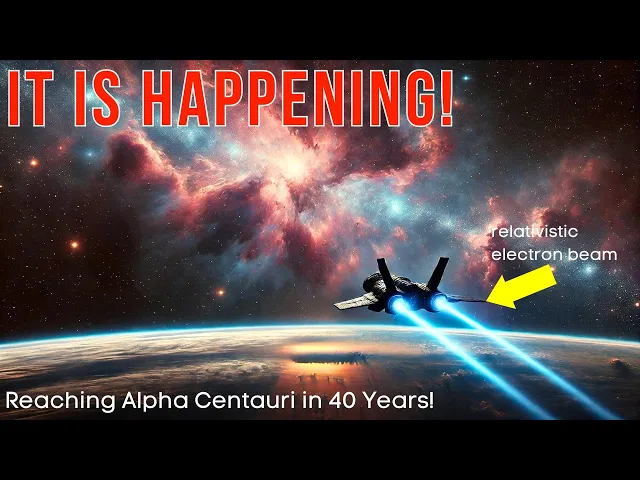
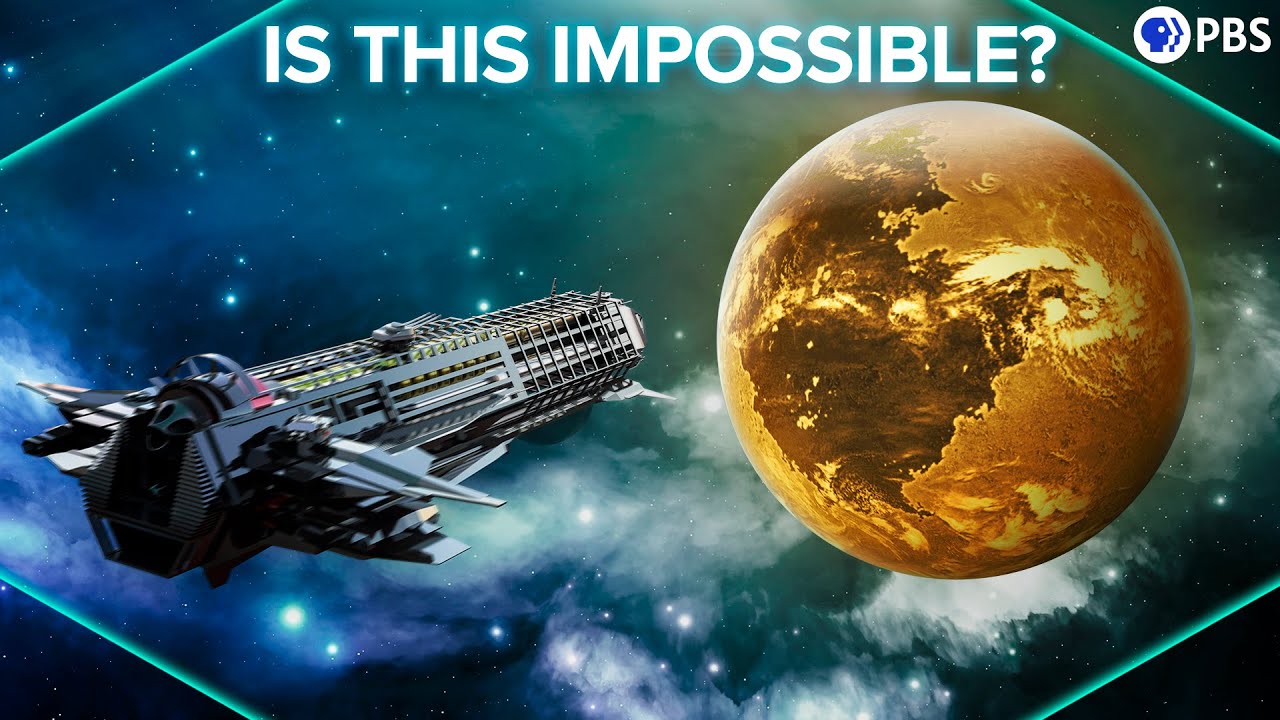
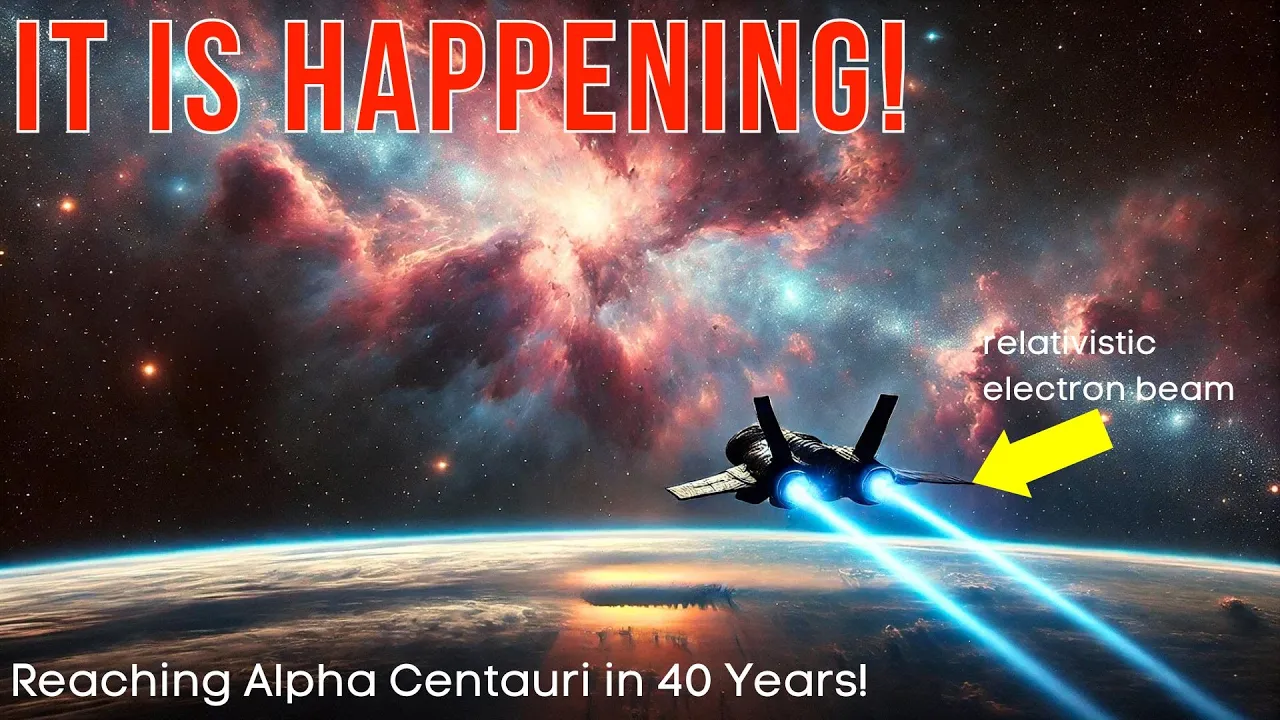
Interstellar exploration has always been Humanity's dream the idea of reaching another star like Alpha centor has captured our imagination for decades but how do we overcome the Monumental challenges of traveling such vast distances this is where an exciting New Concept comes into play the Sunbeam Mission which proposes using relativistic Electron Beam propulsion to send a spacecraft Beyond Interstellar space in this video we're diving into what makes this idea revolutionary the science behind it and why it's such a significant leap for Humanity at the heart of the Sunbeam mission is a unique propulsion system that relies
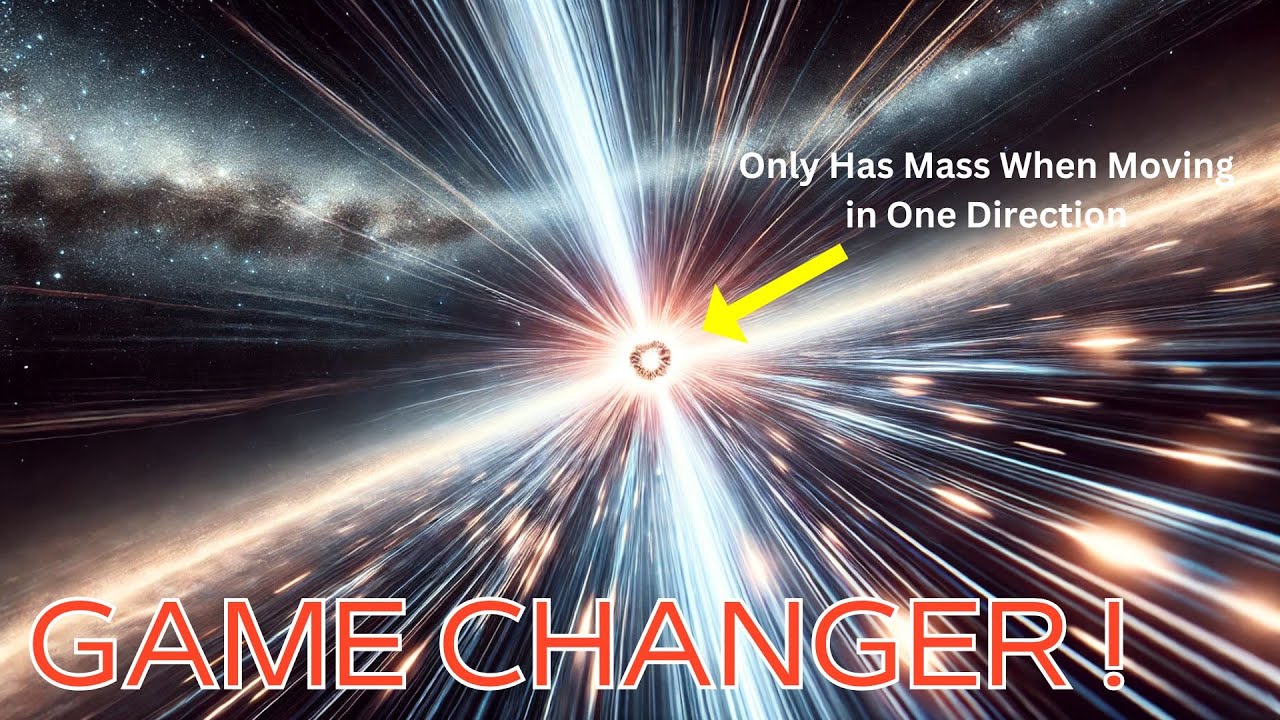
on relativistic electron beams these are streams of electrons accelerated to nearly the speed of light the beam would push against a spacecraft allowing it to achieve incredible speeds up to 10% of of the speed of light this means the probe could reach Alpha centuri our closest star system in just over 40 years why electron beams unlike conventional propulsion which carries fuel on board Sunbeam uses an external power source this removes the need for heavy fuel reducing the spacecraft's mass and making higher acceleration possible moreover electrons are relatively easy to accelerate compared to other particles making
this method more efficient the physics behind this is fascinating at such high speeds a phenomenon known as the relativistic pinch effect comes into play typically electrons repel each other because they carry the same negative charge however at near light speeds time dilation prevents the electrons from pushing apart keeping the beam coherent and focused over vast distances this allows the beam to provide consistent thrust even far from the Sun this method differs significantly from projects like Breakthrough star shot which relies on laser beams to propel tiny lightweight probes with light sails while star shot's approach is
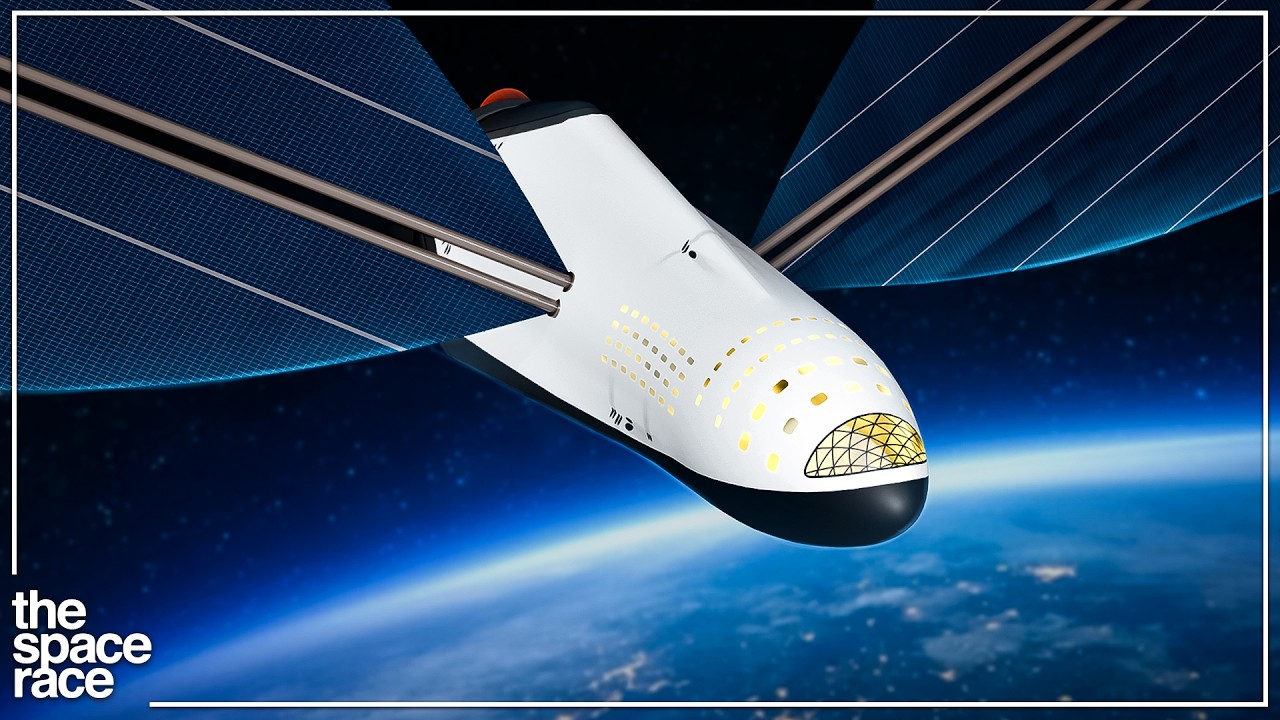
innovative its small probes just a few grams lack the capacity for Meaningful scientific instruments Sunbeam on the other hand aims to propel a spacecraft up to 1,000 kg the size of NASA's Voyager probes this opens the door to robust scientific missions allowing for detailed exploration and data collection key to Sunbeam success is the statite a stationary satellite positioned near the sun unlike orbiting satellites the statite uses the sun's radiation pressure and magnetic fields to remain fixed in place from this vantage point it can direct the Electron Beam toward the spacecraft a massive sun shield protects
the statite sensitive components ensuring it operates in the sun's intense Heat this Innovative platform is crucial for maintaining the beam's alignment with the spacecraft over extended periods while the Sunbeam concept is scientifically exciting turning it into reality presents significant challenges one of the first hurdles is generating and maintaining a high energy Electron Beam over vast distances for context the the beam may require energy levels reaching 19 gig electron volts at 100 astronomical units from the Sun although this is within the range of current particle accelerator technology such as the Large Hadron Collider creating a coherent
beam over Interstellar distances is Uncharted Territory the beam's energy source the statite needs to harness the sun's immense power efficiently this involves converting solar energy into electricity to drive the beam high temperature thermionic converters capable of operating near the sun could play a vital role in this process these systems are under active research and their development is critical to the mission's feasibility another challenge lies in the spacecraft itself unlike traditional missions which rely on onboard thrusters the Sunbeam spacecraft must be designed to handle continuous external thrust from the Electron Beam this requires Advanced navigation systems
to maintain stability and ensure precise trajectory adjustments during acceleration material durability is equally important the statite must withstand extreme conditions near the Sun including intense radiation and temperatures exceeding 2500° F missions like NASA's Parker solar probe have demonstrated the potential of advanced heat resistant materials providing a road map for developing statite components capable of surviving in such environments finally there's the issue of beam spread over Interstellar distances even a slight Divergence in the beam could result in a loss of propulsion addressing this requires meticulous engineering of the beam generation system ensuring the electrons remain tightly
focused throughout their Journey despite these challenges the concept remains Within Reach of current or near future Technologies the success of this Mission depends on interdisciplinary collaboration bringing together experts in particle physics Material Science and aerospace engineering the Sunbeam Mission Builds on Decades of scientific progress and technological innovation take the Parker solar probe for example launched in 2018 this spacecraft has ventured closer to the Sun than any other Mission enduring temperatures and radiation levels previously thought insurmountable its success has expanded our understanding of solar conditions and demonstrated the viability of operating near the sun this is
directly relevant to the design and deployment of the Sunbeam statite in particle physics facilities like the Large Hadron Collider have pushed the boundaries of what's possible with high energy beams these experiments have provided invaluable insights into particle acceleration and beam coherence offering a technological basis for the Electron Beam propulsion system the Sunbeam Mission also shares common ground with other beam powered propulsion initiatives such as the de pin n program this project explores the use of directed energy like laser beams to propel spacecraft while deepen focuses on light based systems its Research into energy transmission and
beam alignment has applications for sunbeams elron beam approach these interconnected discoveries show how cuttingedge science can converge to make seemingly impossible ideas feasible by leveraging recent breakthroughs the Sunbeam Mission demonstrates how Humanity can take bold steps toward Interstellar exploration the implications are profound not just for space travel but for advancing our understanding of physics Material Science and energy systems thank you for watching if you found this discussion exciting don't forget to like share and subscribe for more Explorations Into The Cutting Edge of Science and Technology let's continue to push the boundaries of what Humanity can
achieve