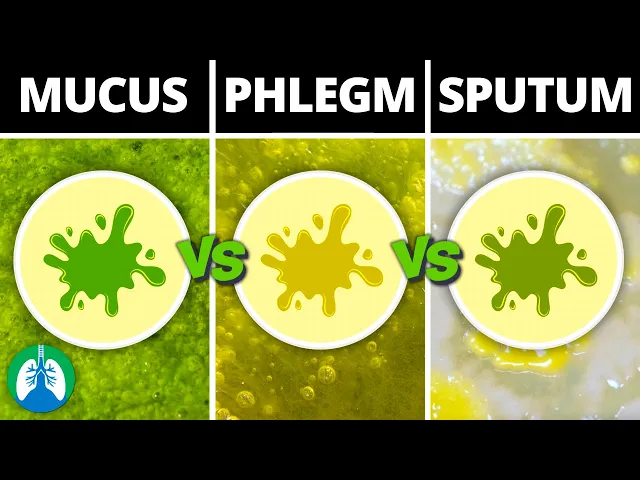
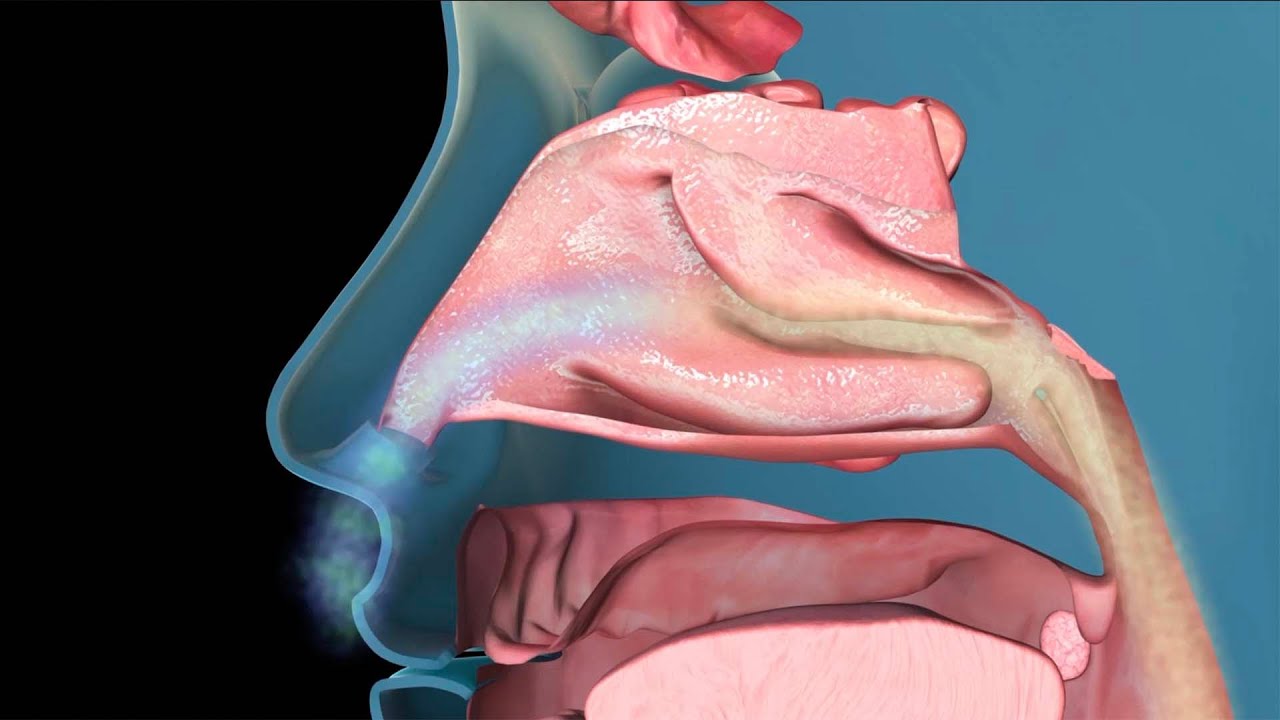
mucus Flem and sputum are terms often used interchangeably but they actually have distinct meanings and roles within the human body understanding the differences between these substances can provide clarity about their functions and implications for Respiratory Health which is what we're going to discuss in this video mucus is a thick gel-like substance secreted by mucous membranes lining various parts of the body including the respiratory Digestive and urogenital tracts its primary function is to detect and lubricate these surfaces acting as a barrier against harmful particles pathogens and irritants in the respiratory system mucus traps dust allergens and
microorganisms preventing them from entering the lungs it also contains enzymes antibodies and antimicrobial proteins that help neutralize infections mucus is normally clear thin and produced in small amounts to keep the Airways moist and functional however during infections or IR ations the production of mucus may increase and its consistency May thicken eaing the body and clearing debris and pathogens from the respiratory tract fleem on the other hand specifically refers to mucus that is produced by the respiratory system particularly the lower Airways during an infection or inflammation while mucus is a general term fleem typically denotes the
thicker and more copious secretion that occurs when the body is responding to irritants such as viruses bacteria or allergens the consistency and color of fleem can change depending on the underlying condition for instance clear Flem is often associated with mile irritation or allergies while yellow or green Flem May indicate a bacterial infection fleem tinged with blood could suggest a more serious issue such as chronic bronchitis pneumonia or even tuberculosis and warrants medical attention and of course then there is sputum sputum refers to muc or fleem that has been coughed up from the lower Airways and
expelled through the mouth it is often analyzed in medical settings to diagnose respiratory infections or diseases the characteristics of sputum such as its volume color consistency and the presence of blood streaks or other abnormalities provide important insights into the condition of the respiratory system these features can help Healthcare Providers identify infections inflammation or more serious conditions affecting the lungs and Airways making sputum an essential diagnostic tool in respiratory Health assessment but in summary mucus is a general term for the protective secretion produced by mucus membranes serving a vital role in maintaining respiratory health fleem is
a subtype of mucus that arises in the lower respiratory tract during infection or irritation often becoming thicker or more noticeable sputum is fleem or mucus that has been coughed up and expelled from the body often used for Diagnostic evaluation these substances while similar highlight the body's complex mechanisms for protecting and responding to threats to the respiratory system now let's talk about the key differences the key differences between mucus fleem and sputum lie in their location function and context mucus is a general term for the gel-like secretion produced by mucus membranes throughout the body including the
respiratory Digestive and urogenital tracts its primary function is protective tra dust allergens and microbes to prevent them from causing harm in the respiratory system mucus keeps the Airways moist and helps with the efficient removal of irritants playing a constant role in maintaining overall respiratory Health fleem in contrast specifically refers to mucus produced by the lower respiratory tract such as the bronchi and lungs often in response to irritation infection or inflammation while mucus is a routine part of the body's defense system fleem typically signals an active response to a health issue such as a respiratory infection
or chronic condition fleem tends to be thicker and more abundant than the regular mucus found in the upper respiratory tract and its color and texture can change depending on the underlying cause providing important diagnostic Clues sputum is fleem or mucus that has been coughed up and expelled from the lower Airways while fleem remains within the respiratory system sputum refers to what is physically brought up and can be observed or collected for medical analysis the characteristics of sputum such as its color consistency and any unusual features can reveal the presence of infections inflammation or more serious
conditions like pneumonia or lung cancer as previously mentioned mucus serves as a protective and maintenance role fleem reflects a reactive state in the lower Airways and sputum represents the observable evidence of this process when expelled from the body understanding these differences is essential for diagnosing and addressing resp health concerns now let's talk about the different mucus fleem and sputum colors the color of mucus fem or sputum offers valuable clues about a person's respiratory Health by examining the color consistency and quantity of these secretions healthc Care Professionals can gain insight into the nature and severity of
respiratory conditions while the color alone cannot provide a definitive diagnosis it often points to potential underlying issues clear mucus is typically normal and healthy reflecting the proper functioning of the mucous membranes it indicates that the body is effectively maintaining moisture in the Airways while trapping dust allergens and pathogens when clear mucus becomes more abundant it can signal mild irritations like allergies or exposure to environmental pollutants white Flem often suggests the early stages of a respiratory infection such as a common cold or viral bronchitis it can also indicate nasal congestion as as the mucus becomes thicker
and less hydrated while draining from the sinuses this is often accompanied by other mild symptoms like a stuffy nose or scratchy throat yellow or green Flem usually points to an active infection either viral or bacterial the color results in the presence of white blood cells particularly neutrophils that rush to the site of infection as these cells break down they cantin the mucus yellow or green despite common assumptions green Flem does not necessarily mean a bacterial infection requiring antibiotics as viral infections can also cause this discoloration brown or black Flem is more concerning and often associated
with smoking or inhalation of environmental pollutants like dirt or dust it can also indicate old blood which may be a symptom of more serious conditions like chronic bronchitis pneumonia or even lung cancer persistent brown or black mucus warrants medical attention red or pink fleem signals the presence of blood which might result from severe coughing that causes small blood vessels in the Airways to break however persistent or recurrent bleeding can point to Serious conditions like tuberculosis pulmonary embolism or lung cancer especially if accompanied by symptoms such as weight loss fatigue or chest pain monitoring changes in
the color and consistency of mucus fleem or sputum is crucial persistent discoloration particularly when paired with symptoms like fever shorten Ness of breath or chest discomfort should prompt a medical evaluation to determine the underlying cause and guide appropriate treatment now let's discuss how to get rid of excess mucus and Flem getting rid of excess mucus and fleem often involves addressing the underlying cause and using strategies to thin and clear these secretions staying hydrated is one of the most effective ways to reduce excess mucus drinking plenty of water helps thin the mucus making it easier to
expel from the Airways warm liquids like herbal teas or bras can be particularly soothing as they do help loosen mucus and provide comfort for irritated throats steam inhalation is another useful method for clearing mucus breathing in warm moist air can loosen mucus in the nasal passages and chest making it easier to expel adding essential oils like eucalyptus or Menthol to the steam can enhance the effect as these oils have natural decongestant properties similarly using a humidifier dry environments can prevent mucus from becoming too thick and sticky certain foods and remedies can also support mucus reduction
consuming spicy foods such as those containing Chili Peppers can help break up mucus due to their active component ksin honey and ginger are natural remedies known to soothe the throat and reduce inflammation which can decrease mucus production avoiding irritants like smoke pollution and strong chemical fumes are also crucial as these can worsen mucus buildup for individuals with allergies taking antihistamines or avoiding allergens can significantly reduce mucous production in cases of infections addressing the root cause with appropriate Medical Treatments such as antibiotics for bacterial infections or antivirals for severe viral conditions may be necessary if mucus
and Flem persist or are accompanied by other symptoms such as fever chest pain or shortness of breath it is essential to seek medical advice persistent mucus could indicate an underlying condition such as chronic sinusitis bronchitis or another respiratory issue that requires Specialized Care but as you can see understanding the differences between mucus fleem and sputum as well as their colors and causes provides valuable insight into respiratory Health these substances serve as indicators of the body's defense mechanisms and potential underlying conditions identifying abnormal changes such as excess mucus production or discoloration can appropriate actions whether through
home remedies like hydration steam or natural decongestion or by seeking medical evaluation for persistent symptoms by monitoring these signals and adopting effective strategies to manage excess mucus or fleem you can better protect your respiratory health and address potential issues before they escalate into serious conditions if you want to support the Channel please like And subscribe I would greatly appreciate it and there should be some other helpful videos popping up on your screen right about now that I think you will enjoy and just a quick reminder we are not doctors this video is for informational purposes
only