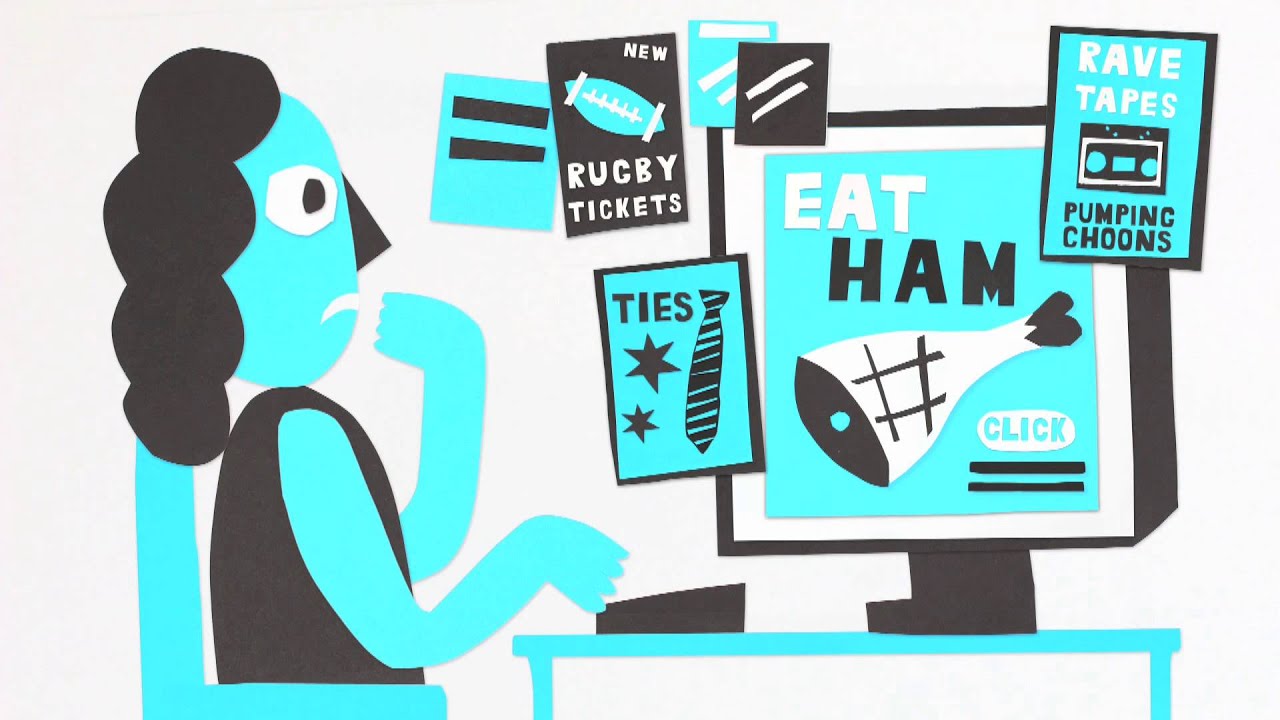
- This wouldn't be a YouTube cookie explainer video without actual cookies. So what are internet cookies, and why are they so delicious to advertisers? (electronic warbling) Cookies are not just delicious to us in the real world, but they are favorite thing in the web world for companies too.
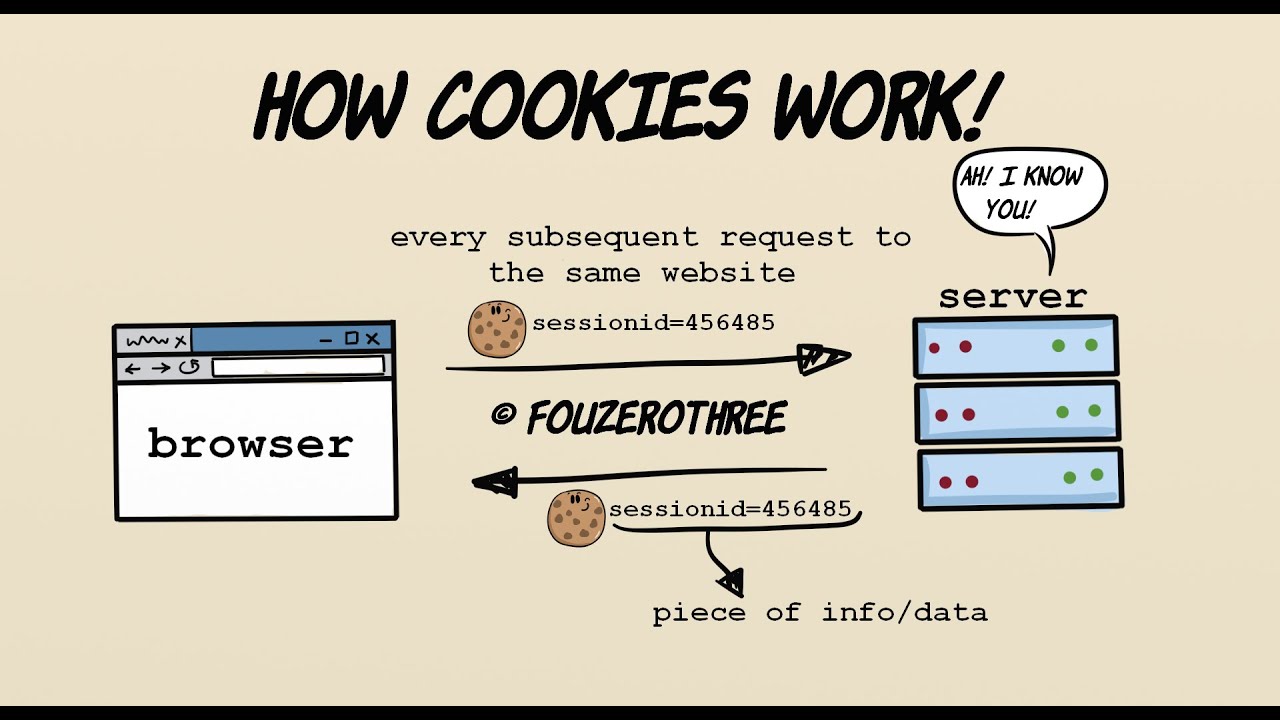
Cookies are small text files that are stored on your web browser and computer. They help companies' websites know more about you to customize your experience. It's because of cookies that your language preferences on a site are saved, recommendations based on what you previously clicked on can be made, contents on your shopping are still there when you come back to the website a few days later, and marketers know whether or not you are a new or returning visitor to the site.
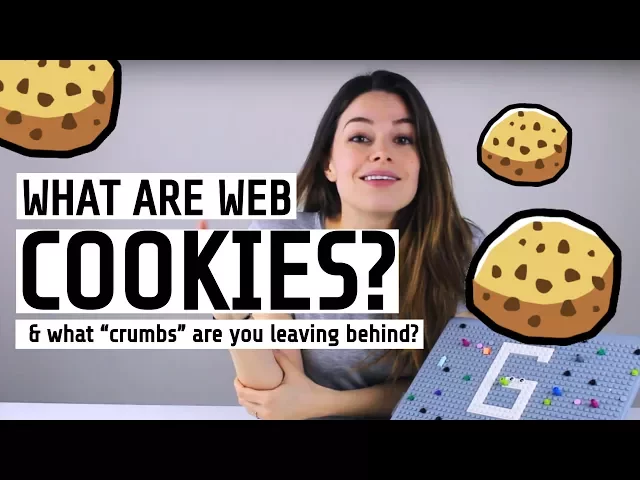
So how do cookies work? Think of Gretel as you surfing the internet. Every website she visits is like visiting a new Lego house.
Some houses, or websites, have cookies, and others do not. If a house has a cookie, they put the cookie on Gretel's surfboard, which will represent as your computer. This cookie has two features.
First, it stores information about her, her language, the items she saved, what time she last visited. This cookie also starts leaving crumbs behind, as Gretel surfs the house. Now, because of the information the cookie and the cookie crumbs have, this homeowner can know where Gretel went in the hose.
Did she stop in the kitchen? Did she visit the bedroom? So next time Gretel comes back to the same house, or a website, the homeowner will look at the cookie he stored on Gretel's internet surfboard and read information that can help him easily recommend something new.
This cookie is helpful for the homeowner to improve his profitability and services for customers in his house, and for Gretel, for her to have a better customer experience when she returns to the same house next time. First-party cookies. First-party cookies are cookies from sites you visited directly.
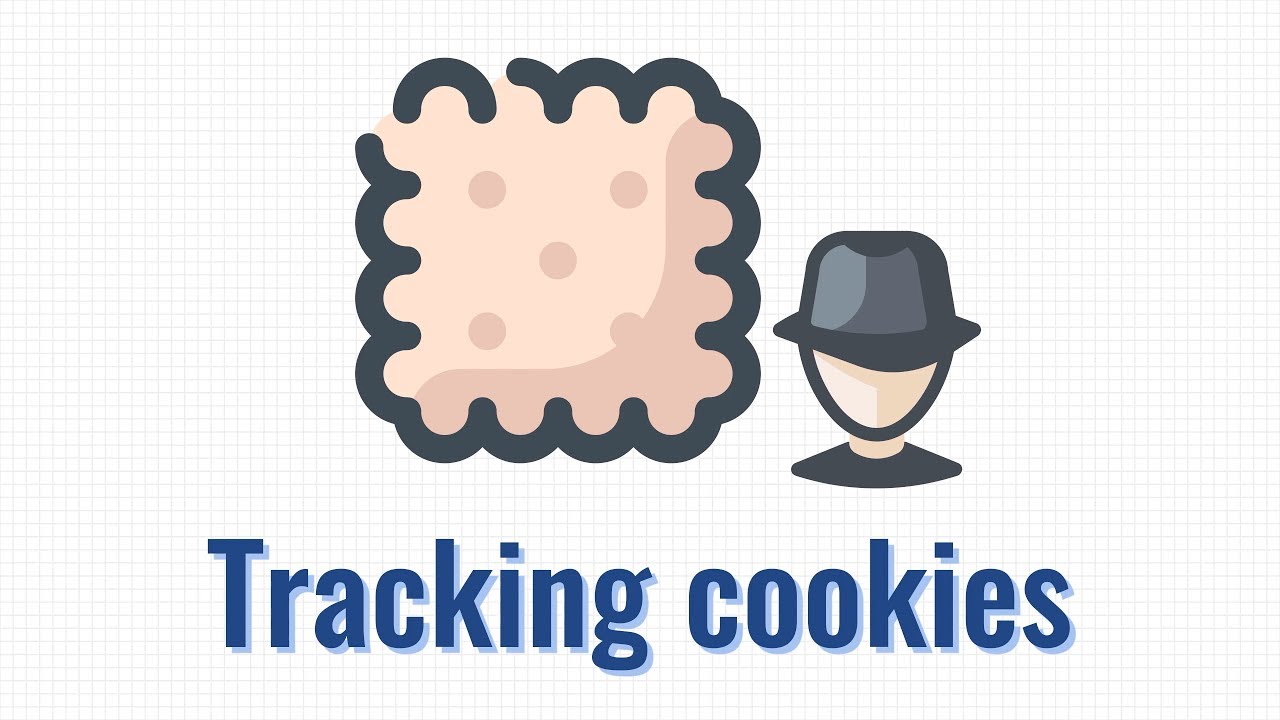
So if you visit Twitter, the cookie Twitter saves on your browser. Third-party cookies are tracking cookies. So these third-party tracking cookies are set by a website other than the one you're currently on.
For example, CNN. com might have a Facebook Like button on their site. That is like a button that set off a cookie that can be read by Facebook.
Cookies are used by advertisers to track sites you visit outside of their own. An advertiser's cookie will let them know every time you visited a site that their advertisement was on. Now rather than just knowing your activities on their own site, it knows the sites that you like to visit and therefore have information on you to use for marketing.
But this only happens with the network of sites they're advertising on. Cookies have privacy and ethics issues too. In the early 2000s, Amazon used a cookie to determine if you were a new or existing customer.
If you were a new user, they displayed discounted prices on goods that you were interested in getting, but prices remained the same for returning users. While they apparently have stopped this practice, this type of targeted using and targeted discriminatory pricing has been seen for hotels and airlines too. That's why you get some people browsing privately or clearing their cookies when buying airline tickets.
What cookie crumbs are you leaving behind? Go into your Privacy settings of your browser and select on Delete Specific Cookies to see all the cookie text files saved on your computer. See if you can recognize cookies for sites you've never been on.
Comment below on what these cookies that you've never actually landed on their site are.


![What is The Matrix? | The Matrix [Open Matte]](https://img.youtube.com/vi/O5b0ZxUWNf0/maxresdefault.jpg)