if you're watching this right now chances are you spent many years of your life feeling misunderstood maybe you coped by spending hours online or listening to pop punk alone in your bedroom you might have wished to run away or for a simple answer that would sort out all the mixed up feelings in your head a young person's life isn't always easy many teens suffer from severe anxiety depression and suicidal ideation compounded by school stress relationship drama and family pressures mental illness during youth is intense thousands of young people died by suicide every year but many
more teens don't suffer from mental illness sure managing School interpersonal relationships and growing responsibilities is challenging learning to deal with these struggles and becoming resilient is a part of life so why is it that when you scroll on Tick Tock or Twitter teens seem so well just sad it's not just the teens people of all ages repost memes making fun of depression or tick tocks of what they ate while suffering from an eating disorder there are highly aestheticized accounts of suffering whether Earnest or ironic some of them make us laugh While others Inspire us to
sort of want these things what's going on here no one ever sees physical illness and thinks I want that for myself so why is it different with mental illness the reality is that your perception of mental health warps how you view your own and if it's culturally acceptable to joke about or aestheticize mental illness it might become an alluring sexy or desirable condition to have do you ever fantasize about being mentally ill despite having no formal diagnosis it might seem dark to admit it to yourself but the truth is that you could be romanticizing mental
illness without even knowing it let me be clear that the reality is mental illness ruins lives it's messy and complicated it strains families makes it challenging to work and is way more complex than a meme or Tick-Tock can portray so why is it allowing to flirt with the Aesthetics of mental illness if you or someone you know is going through a difficult time one of the best things you can do is speak to a professional therapy is one of the best treatments we have for mental illnesses I know therapy can be inaccessible and expensive which
is why we reached out to better help the sponsor of today's video to help out better Hope's mission is to make therapy more affordable and accessible for everyone all you have to do is answer a few questions and you'll get matched to a professional therapist in as little as a few days if you don't like the therapist you can easily switch to a new one completely for free without having to worry about insurance who's in your network or anything else like that I've been actually going to therapy and I can tell you it literally changed
my life and with better hope getting started is now easier than ever simply click the link in the description or go to betterhelp.com aperture to get 10 off your first month so you can connect with the right therapist for you thank you again bitterhelp for supporting today's episode back to our story I was particularly drawn to Tumblr posts in my youth because they've depicted an idealized version of some dire circumstance they let me see the pain in the world through rose-colored lenses and it's not just social media it's in film and television as well stories
that depict mentally ill characters help us reimagine and work through our mental health struggles films like Girl Interrupted in Silver Linings Playbook and Fight Club show stories of what it's like living with mental illness and talent affects relationships with family and friends someone going through similar struggles it might be relatable to see parts of your story represented on screen for others stories about mental health might offer you A New Perspective start a productive conversation or open a channel for empathy the problem though is that Aesthetics will always be at the Forefront of how we connect
to art Angelina Jolie and Jennifer Lawrence are stunning Hollywood actresses Tyler Durden of Fight Club represents a male ideal that some might strive for this is how the media makes us romanticize mental illness by making it more attractive and desirable than it really is and when you glorify mental illness you convince yourself to believe a situation is better than it is in reality think about the lives of some of the world's most famous artists Marilyn Monroe was a beautiful movie star in one of the greatest actresses of all time her struggles with eating disorders pill
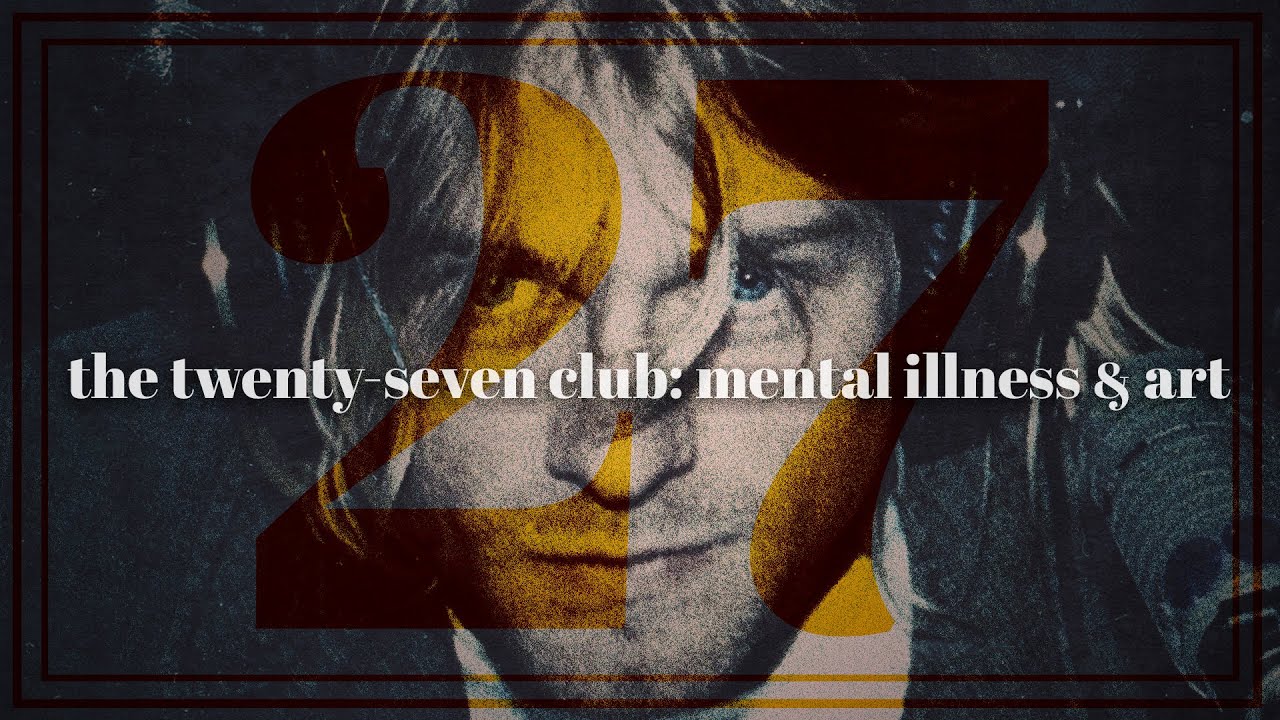
addiction and depression are a part of her tragically glamorous story culturally her mental illnesses are linked to her iconic status in public memory her beauty and her pain are intertwined as a result all the parts of her life are romanticized even the less romantic elements and what about Kurt Cobain the lead singer of the 90s grunge band Nirvana his music gave voice to a generation as he made art about what it was like living with depression and addiction his death by suicide in 1994 solidified his icon status in the music world his death is part
of his legacy as an artist and how he died provides the lens through which we could look at the art he made while he was alive we see his genius as Inseparable from his mental illness Vincent van Gogh follows a similar pattern he spent most of his life painting in obscurity out of the public eye only after his death did the public learn about his mental illness and start associating that with his creativity whether it's drunk in Knights In Paris or the infamous cutting of his ear The public's understanding of masterpieces such as starry night
and sunflowers is tied to Van Gogh's mental health struggles it endears people to a story and transform him into a tragic Genius of sorts [Music] the intersection of mental illness and art is a prime example of romanticization we look up and admire artists who create work we love we assume their mental illnesses offer them Clairvoyance and the unique ability to create magnificent art that's why so many young artists believe they must suffer to be like the grace who subconsciously wished mental illnesses upon themselves in hopes that it would help them create better art today it's
no longer just artists creating masterpieces that paint a pretty picture of mental illness it's everyone who has a camera and an internet connection there's this phenomenon called finspo where people suffering from eating disorders post pictures of their starved Bodies online along with diets to inspire others to achieve a similar look in the same vein people post aestheticized pictures of self-mutilation in an attempt to encourage others to do the same all you have to do is scroll through any social media platform to find countless seemingly harmless memes about wanting to die to recognize that deteriorating mental
health is a popular topic of conversation among people before the internet these feelings had no Outlet to be aired publicly they only happened alone or among small groups of friends if at all now not only do they have an outlet but they have the distribution to reach millions of people in an instant and it begs the question is the online discourse surrounding mental health productive or is it distorting the reality of those who struggle daily the truth is that romanticization of mental illness is not black or white they can be destructive yes but it also
has its benefits it seems contradictory to reframe suffering and mental anguish as desirable it sounds more logical to want a happy life free of anything that could get in the way of the ultimate contentment why would you like to invite suffering isn't that something you would want to Cast Away it makes total sense on paper but the reality is that suffering is a part of life whether we want it or not and spinning it is something Noble exciting or cool can genuinely help people get through these issues this is what romanticization helps with you convince
yourself that you're a mysterious edgy or aloof instead of socially anxious or depressed instead of feeling like an outcast you become a rebel championing the fight against the status quo when you take your pain and turn it into an identity that gives you social credibility romanticization allows your situation to feel acceptable loved or even coveted by mainstream Society you regain a sense of total control and power when you feel powerless when you romanticize The Narrative of your life is in your own hands and you can reframe your suffering however you please in a moderate and
controlled environment I don't see a massive problem with some light romanticization of mental illness even when life feels the worst there can still be funny enjoyable and Beautiful Moments and finding joy in those moments amid your struggle or trying to see your situation through a different perspective can help you get through it there's been a positive push towards destigmatizing mental illness in recent years as a culture we're trying to eradicate the shame historically associated with mental illness and people are more willing to honestly discuss their struggles and receive treatment when necessary well this is a
positive step forward though conversation about mental health has become too ordinary in some ways it's essential to have open and honest conversations about Mental Illness but if by definition Romanticism misrepresents mental illness I was honesty possible can true healing happen in a society with some romantic outlook on mental illness the worst thing about romanticization is when it's done by people who are not mentally ill but wish to be those who take on the aesthetic of mental illness without understanding the Real Pain it actually causes people some people make a particular condition the Cornerstone of their
content and turn symptoms into fun little quirks that their young fans might start to mimic without knowing how damaging it can be in the long run content posted by teenagers in their bedrooms now serves a similar function to the representation on TV and in movies only now viewers can access it on their phone while in bed waiting for the bus or during downtime in class and the problem was that consuming too much mental health oriented content can lead to self-diagnosing or identifying with the mental illness that you don't clinically have it's a form of memetic
desire which our desires we mimic from the people or culture around us people might feel an average amount of sadness and think they're depressed mood swings are explained by bipolar disorder neatness and particularness turn into OCD and difficulty focusing on a specific test becomes an ADHD diagnosis the genuinely undesirable symptoms are often left out of these fantasies with severe depression comes suicidal ideation bipolar disorder makes it challenging to have a steady job where healthy relationships some people with OCD find it hard to leave the house and struggle with crippling anxiety the reality of ADHD isn't
fun or cute it often leaves people feeling overwhelmed and overstimulated by even the smallest daily tasks think about the countless hours spent in therapy the prescription drugs and sometimes hospitalizations some people endure to manage their mental illness when we romanticize mental illness we undermine the seriousness of certain mental conditions the public has become very familiar with mental health vocabulary and symptoms which on the one hand helps with early diagnosis and encourages people to seek help but on the other hand this familiarity has given everyone a false sense of authority about the topic people start to
diagnose not just themselves but their followers and labeling and categorizing human behavior might explain why you act the way you do and that's not satisfying it takes away the mystery behind your quirks or life struggles but when it's not done under the supervision of a healthcare provider it can lead to serious issues we've learned not to Google our symptoms when we have physical health issues because it just says you have cancer so why do we do the same when we have mental health issues look at the online discourse and see how blurred the line between
mental health and mental illness is like physical health mental health is something everyone must maintain but just because you struggle with your mental health doesn't mean you're mentally ill inflating the two minimizes the suffering someone with a diagnosed mental illness has to go through daily romanticizing mental illness is a misrepresentation of the whole story it's best to maintain a neutral stance when engaging with that topic try being the key word here because the truth is mental illness will always be complicated and messy it changes human behavior and productive conversations do not compartmental lives neatly which
is why to an extent romanticization might be inevitable it's human nature to spin a situation to be more desirable more attractive knowing this how do we reset our mindset when influence to maintain some neutral stance when discussing mental health well first you must give yourself a reality check on what mental illness means and how it affects people it's not always just manically cleaning the house it's ugly gritty and gets in the way of relationships it's not cute quirky or fun it genuinely destroys lives remind yourself that it's unethical to appropriate the Aesthetics of mental illness
for this reason wearing the mask without understanding the pain hidden beneath it recognize that most aspects of people's mental health Journey remains private behind closed doors you don't know people's struggles so it's crucial to delve into the nuances and complexities of dealing with mental illnesses and steer clear of an overly romantic Outlook then and only then can you flirt with Romanticism occasionally instead of using it as a lens through which to interpret mental illness as a whole