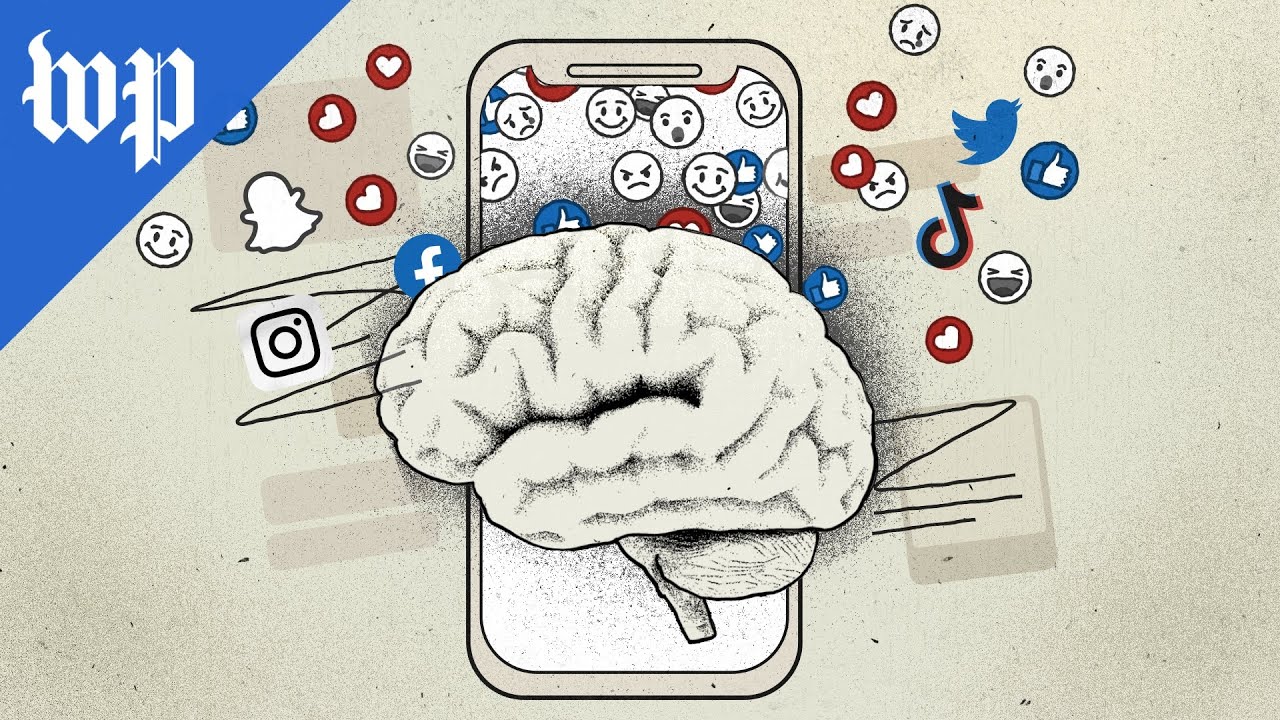
i believe it was 68 of people use social media as a new source for most people that's their primary source of news and what this does is this ties into recommendation algorithms so at the heart of all of the the beating heart of facebook and the and right in the middle of tick-tock and all of the others are recommendation algorithms and basically what they're designed to do is they're designed to feed you content and keep you engaged that is their job that doesn't necessarily mean content that you like it's designed to make you engaged which
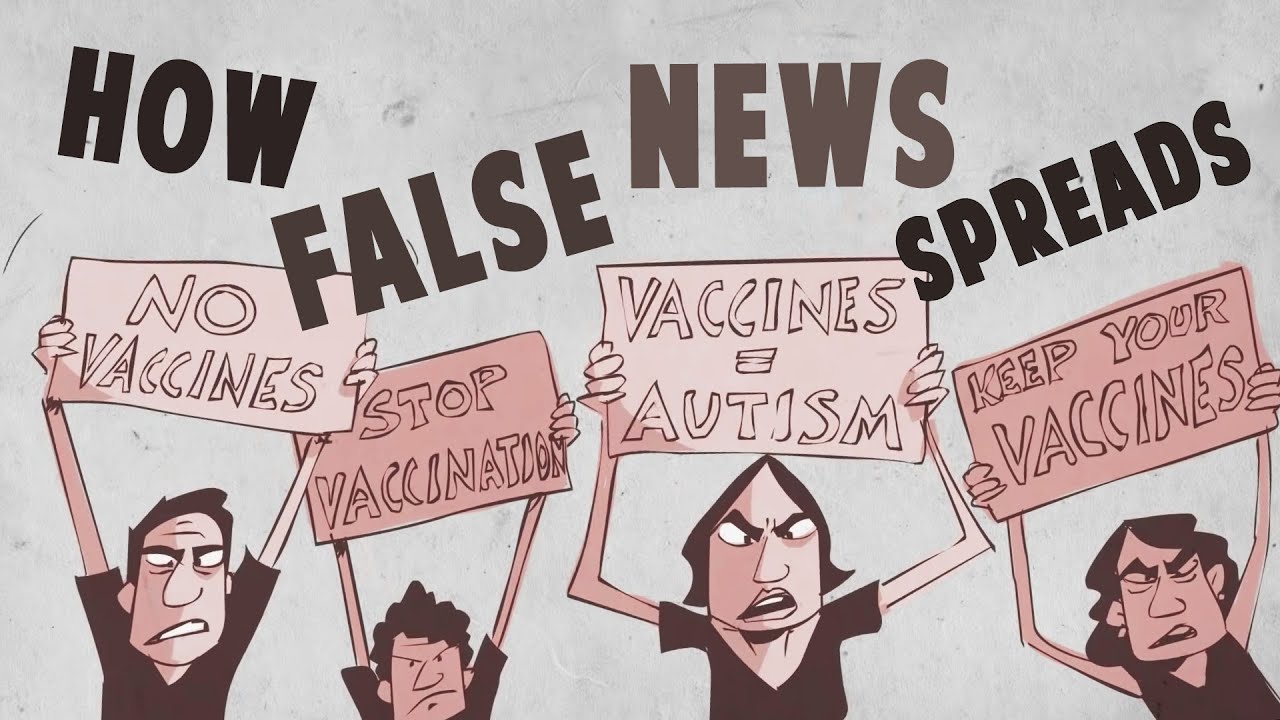
it turns out controversy is really really effective as that if you get really angry about something you're engaging with it and that's and so that's what these things rely on and so the side effects of these recommendation algorithms is controversial content goes a lot further than normal content and so the propagation of something that is fake news can actually have huge reaching effects compared with normal news however they can be co-opted actually relatively easy if you can co-op them you can push a message and get that to go very very far um so how do
we do that how would how would somebody how would a malicious actor look to do that well they would use bots so when we're looking at the number of people on facebook per day or the number of active users on twitter the current studies suggest that about half of them are real and the other half are just bits of code now some of these bots are really useful some of these are pretending to be people now nobody knows how these recommendations are algorithms work but they do know that something has to get likes pretty quickly
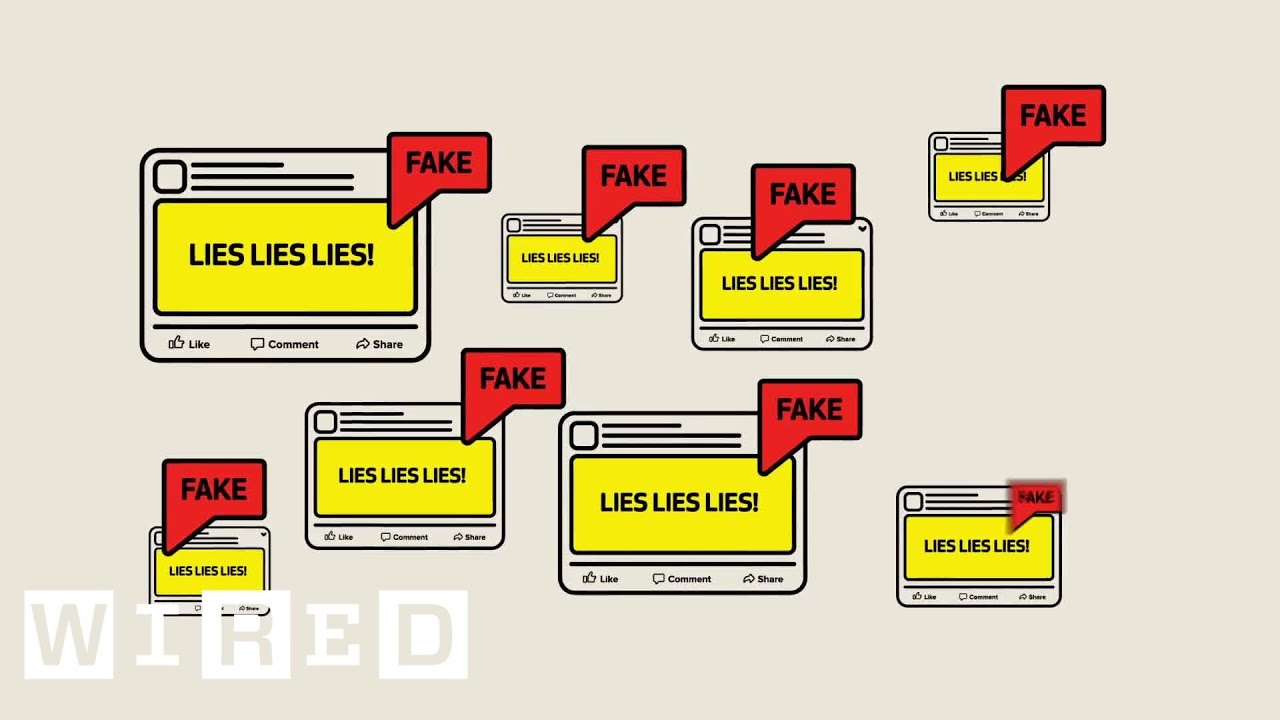
and so what you can do if a malicious actor might do hypothetically a government was they would take this and they would run these amplification bots so these are not real humans they're basically small bits of code that will interact and so you basically someone at the back end can say hey look whenever this whenever i post something you're going to like it immediately and then you're going to retweet it and what that does is this provides this amplification effect and suddenly real people are interacting with real people liking and then you're pushing this out
further and further and further so where we're seeing this go though is this is becoming a new part of warfare effectively it'll either be combined into existing sets of warfare or it will be used on its own and it's really really interesting uh is is cheap it's very effective but we've also seen where it's gone about and covet is one of the greatest examples of where these types of campaigns have actually gone out of control so the the story that the news media is saying take that really grander stop that russia started a campaign to
get americans to distrust the coping vaccine now the upshot of that is you can't define these types of campaign against one country or one area very easily and so that kind of work that kind of narrative has moved around the world is moved through australia has moved through through you know the pacific everywhere awkwardly for russia it also moved into russia so they're having issues themselves asking their their own populist to get the vaccine because they've convinced enough people in enough countries that this isn't actually real anymore and so therefore they're actually having trouble themselves
and so it's the kind of campaign system that is actually quite broad and you can't necessarily control it they can't unwind that they can't put that genie back in the bottle so we have seen these things where they've been used really effectively but also we've seen them where they've been used terribly and but whether we like it or not it's going to continue to be used you