hi welcome to my channel is nearly st. Patrick's Day so I thought I'd do a video going through some of the traditions and some of the history behind the day and also how we celebrated here in Ireland so st. Patrick's Day is celebrated every year on March 17th and it marks the death of st.
Patrick who is the patron saint of Ireland honestly celebrated for about a thousand years so em it's big day in Ireland and st. Patrick's Day can also be referred to as Patty's Day or st. Patty's Day but it is not ever to be referred to as Patty's Day or Saint Patty's Day patty is short for Patrick patty is short for Patricia that's a girl's name and the Irish do not tolerate it being referred to as Patty's Day ever so don't do it so it's only Patty's Day so now that I've got that important note out of the way and st.
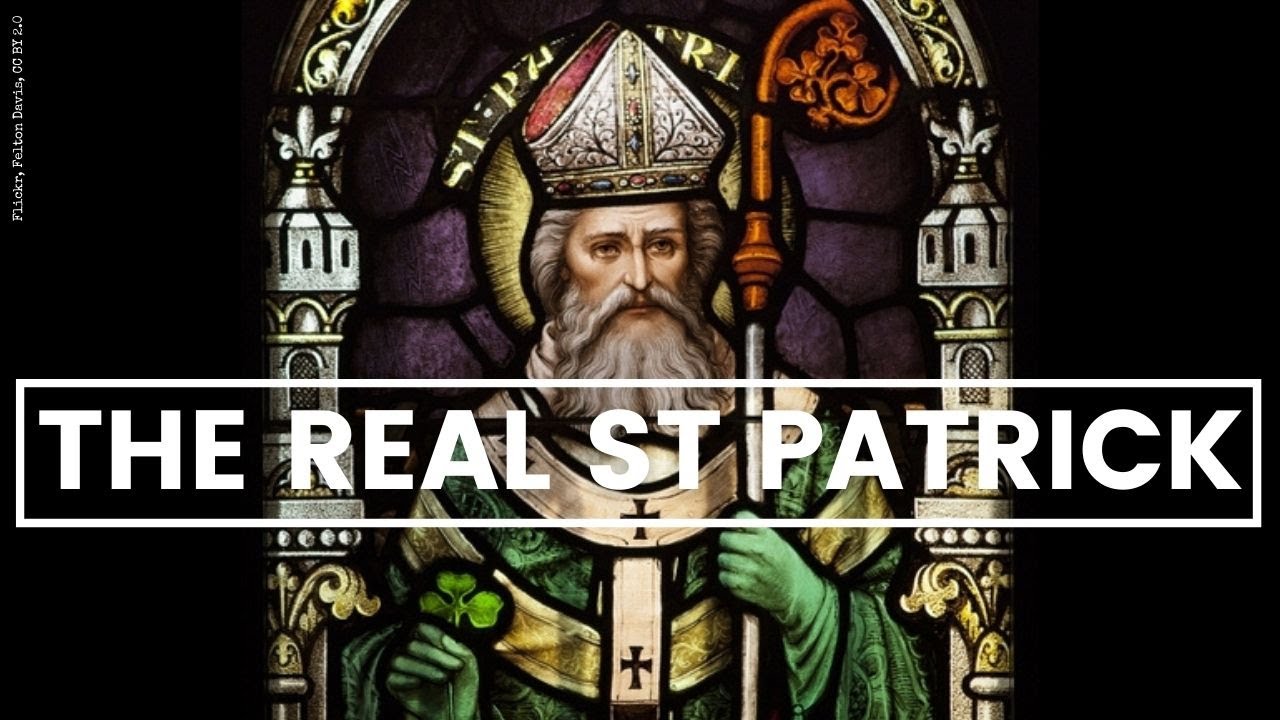
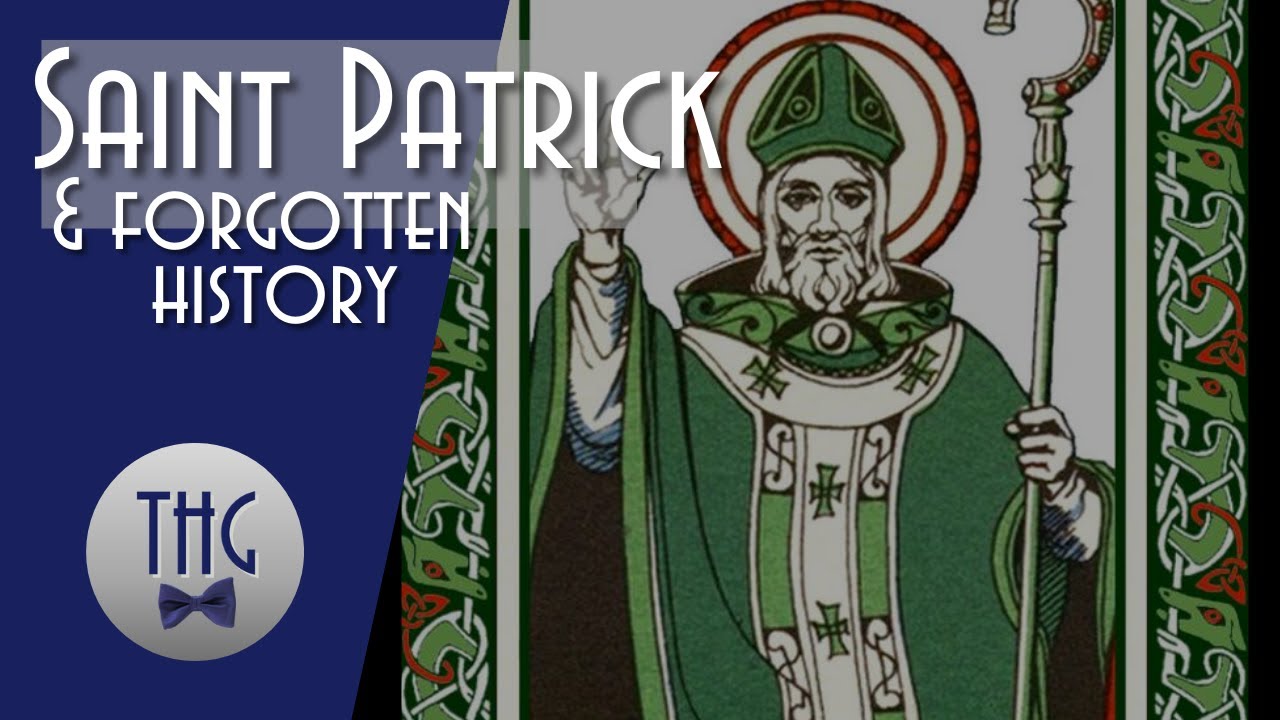
Patrick's Day in Ireland it's a bank holiday so and most people get the day off work and schools are closed and it's just a day to celebrate st. Patrick and all things Irish so first I'll just really quickly go through who st. Patrick was and why we celebrate him he's basically the one that brought Christianity to Ireland so he was born in the UK in the fifth century and when he was 16 years old he was kidnapped by Irish pirates and brought to Ireland as a slave and he spent six years minding sheep on mountains when they had a vision of an angel appearing to him and tell him how he could escape so he follow this angels instructions unmanaged to escape back to his homeland back to his family and when he was home he had a real calling for Christianity after his vision he was just called to the religion and so he ordained as a priest and then he really felt Ireland calling to him he felt the voice of Ireland calling Saint Patrick or Patrick Rory was the Saint Patrick back to them so and he went back to Ireland and he really changed the entire structure of the country not just by bringing Christianity but he established a civilization that just didn't exist in the country before and the celebration of st.
Patrick began in around the 9th century and then in the 1600s it became an official Catholic feast day which meant and Catholics were obliged to go to church go to Mass on this day and pay respects to st. Patrick but it was more of a somber solemn affair back then kind of a day spent in prayer and then came the penal times and Ireland was under British rule and penal laws were put in place that basically persecuted any Irish Catholics and at that time basically every Irish person was Catholic the vast majority of Irish were Catholics so these laws that were put in place basically people to bake this but essentially the laws were that the Irish Catholics couldn't own land they couldn't receive an education they couldn't speak Irish this is why we speak English in Ireland today because of the laws that were put in place back then so during this time the Irish they made st. Patrick's Day more of a patriotic holiday unless a religious holiday and then it became more of a celebration of things Irish and Ireland as well as st.
Patrick so then the day became Church in the morning and then a celebration in the afternoon and we associate drinking and alcohol with st. Patrick's Day but up until the 1970s pubs were closed you weren't alive get alcohol on st. Patrick's Day because it was supposed to be seen as a religious holiday and this was out of respect for the occasion so is actually no drinking in pubs on st.
Patrick's Day until the 1970s so these days in Ireland the standard celebration for st. Patrick's Day would be go to the parade and then meet your friends and family for some merriment on some drinking and the religious aspect isn't totally gone but and people don't read tend to go to mosque unless you're very religious you don't really go to church anymore on st. Patrick's Day and there's the main parade in Dublin City and that's a huge affair it's a big event with amazing floats and it's a big thing and then all this smaller villages and towns around Ireland's they have their own local parades and then the local parades they're not as they're not as amazing as the Dublin City parade they're kind of more the local sports teams and marching bands first responders so like fire engines coastguard there's usually a few tractors and I always go to my local parade and I absolutely love it and everyone gathers along the streets and people who are green paint shamrocks on their faces and wave Irish flags and it's just a really fun time and then after the parade people tend to go to the pub for a drink and pubs because it's a big fun celebration day pubs usually have like something on so they'd have some Trodd music which is traditional Irish music or some Kaylee's and Kaylie's is traditional Irish dance like folk dance or em some fun things for kids and you know kids will go to the Pope as well on st.
Patrick's Day it's a family thing we all celebrate together at the moment I'm not really going to the pub on st. Patrick's Day anymore because my kids are a little bit too young for the madness and so right now after our local parade we come back to our house we have some friends over and we just celebrate at home but as soon as the kids are a little bit older I will definitely go back the pub scene and it's so much fun such a great vibe and I have such great memories of being in the pub with my family on st. Patrick's Day and running around with my friends so and yeah it's a great time and here's a fun fact the very first st.
Patrick's Day parade wasn't actually in Ireland it was in America in New York City in 1762 and it was Irish soldiers marching through the streets of Manhattan to a local tavern to have a drink and then the first official st. Patrick's Day parade was in 1848 and that was also in America in New York City and that was put on by patriotic Irish immigrants and the first parade in Ireland didn't actually take place until 1903 in Waterford so we actually took that tradition on st. Patrick's Day from Americans so and thanks America so the color green is really associated with st.
Patrick and Ireland but in the past that color was blue and it was actually called st. Patrick's blue and that changed during the 1798 Irish rebellion led by Wolfe Tone so Irish people Irish Catholics were sick and tired of being under British rule so they had a big rebellion on the flags that they waved were green supporters wore green and if he didn't have green clothing you'd wear green shamrocks and on your clothing to show you were a supporter and it was very dangerous if you were caught wearing shamrock or with green clothing you could be hanged by the English so em it was very dangerous thing to show your support for the rebellion so then green became the colour of st. Patrick and Ireland and the flag the flag became green the flag as we know today is actually very modern it's only being the national flag for not even a hundred years so it's very new and what the flag symbolizes now is Green is Irish Catholics orange is Irish Protestants and white is the harmony between them so now on st.
Patrick's Day the Irish flag is a big symbol everyone waves it up parades and except in Belfast in Belfast there's a bit of em basically Protestants have a bit of hostility about that flag being used in Northern Ireland Belfast is in Northern Ireland and so and because it's a national symbol they don't really like that being used there's been a lot of trouble about that flag in Northern Ireland so usually now in Belfast and up north on st. Patrick's Day they don't make that flag they just wave green flags with shamrocks on them so am more of a neutral symbol so some of the other symbols I mentioned shamrocks shamrocks are obviously a big symbol on st. Patrick's Day and apparently st.
Patrick used the Shamrock to explain to people about the Holy Trinity of Christianity you know the three clovers the Holy Trinity and so nowadays you can buy shamrocks to wear on your clothes for the day another symbol associated with st. Patrick is the Celtic Cross and it's said that he actually designed this himself what the Celtic Cross is is that and when he was converting pagans to Christianity he found that they worshiped the Sun so the pagans Sun symbol was very important to them so he took the pagan Sun symbol and he put it inside the Christian cross as a way to show them how important the Christian cross symbol was so and that is what a Celtic Cross is and that's where it comes from another symbol of snakes people say that Saint Patrick drove all the snakes out of Ireland and that's a metaphor no-one actually believes that he literally did that there's never been snakes in Ireland and but it's symbolic of him driving paganism out of Ireland so that's what the snakes represents and another symbol whenever you see a picture of Saint Patrick and/or a painting of him he's always got his stuff and a story that I think is so funny because it's so true to Irish humor that this story has survived for so long but basically there's a story that and when st. Patrick was baptizing King Angus he had his eyes closed and he was deep in prayer and he lifted up the stuff and he slammed it down on the ground and he didn't notice at the time but it actually went straight through the Kings foot on it stopped it pierced his foot right through and he didn't notice and the King didn't say anything he kind of stifled his pain and his screams and just kind of continued on and then at the end st.
Patrick saw what he had done and he saw all the blood and he said to King Angus why didn't you say anything I'm King Angus said I thought it was part of the ceremony and there's another old story of and when st. Patrick was converting another king and the King wasn't sure so and he needed some convincing so it said that st. Patrick summoned could call in from the depths of hell and COO Cullen is Ireland's greatest hero of all time and he was actually dead for a good few centuries before Saint Patrick came along and before Christianity so he never got into heaven because he wasn't a Christian so Cullen explained all this to the king and said Christianity was the right way so the King converted on st.
Patrick grunted coup : and the right to go to heaven so now qu Cullen is in heaven so I spent Saint Patrick's Day in the u. s. one year I was in Austin Texas for South by Southwest and I had so much fun it was just such a big amazing celebration and I noticed a few differences between the way America celebrates st.
Patrick's Day and the way Irish do there's a couple differences so first of all and green beer green beer is a big thing in America but you won't find green beer in Ireland you might get a green cocktail in a bar but and green beer in general just isn't the thing kilts is another thing I saw a lot of guys dressing up and kilts on st. Patrick's Day and kilts is more of a Scottish tradition it's more associated with Scotland so you wouldn't really see Irish men wearing kilts on st. Patrick's Day and unless they're part of the marching what else Oh a pinch for not wearing green that's not an Irish thing we don't do that in Ireland as well I mean most people wear green anyway but if you don't wear green you're not going to get a pinch and so there's those few little differences but I think overall we celebrate it the same way it's just a day to get together with family and friends have a drink celebrate and be proud to be Irish and celebrate Island and just have a really good time so happy st.