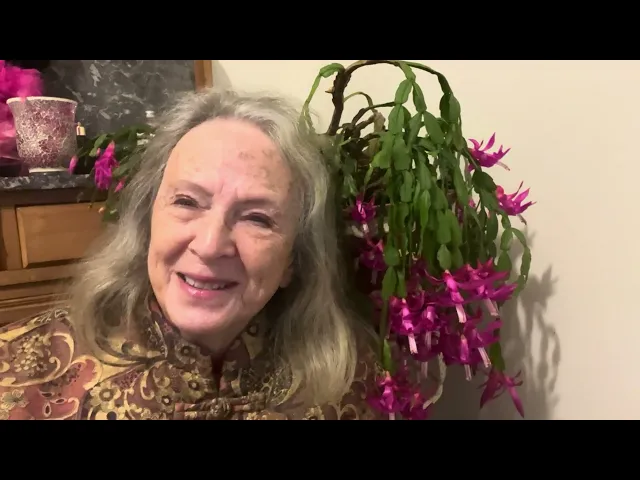
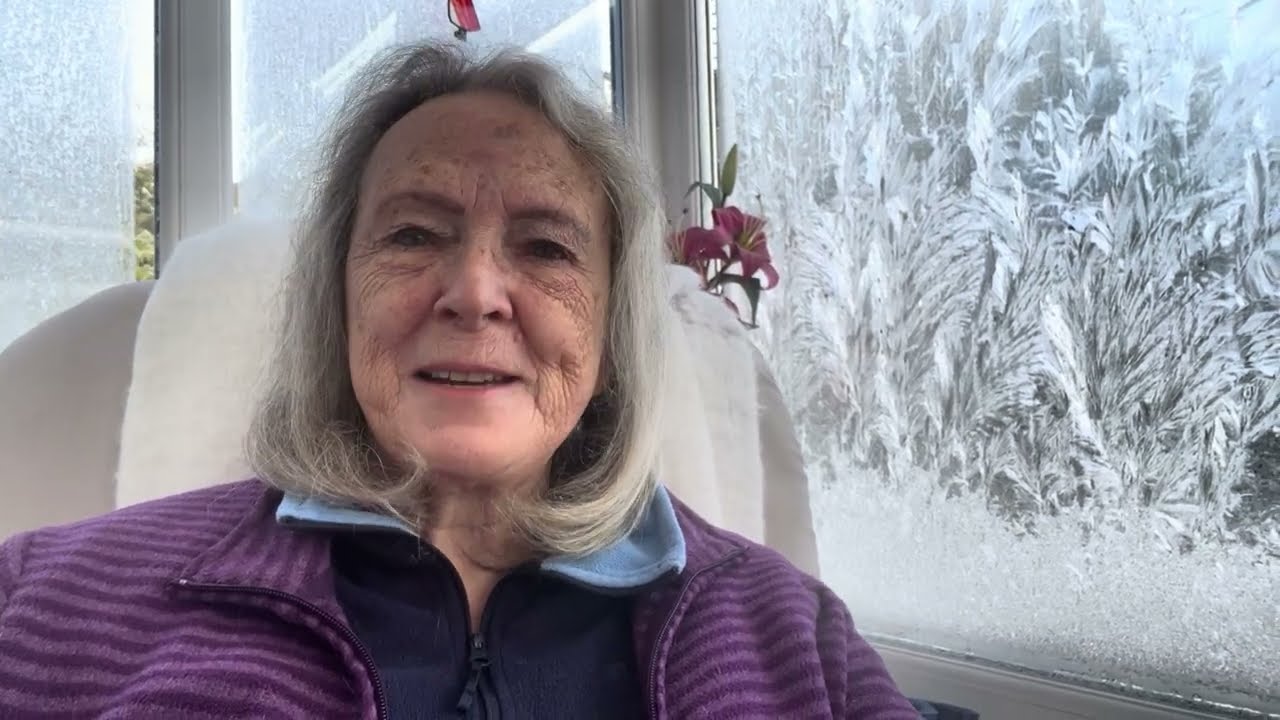
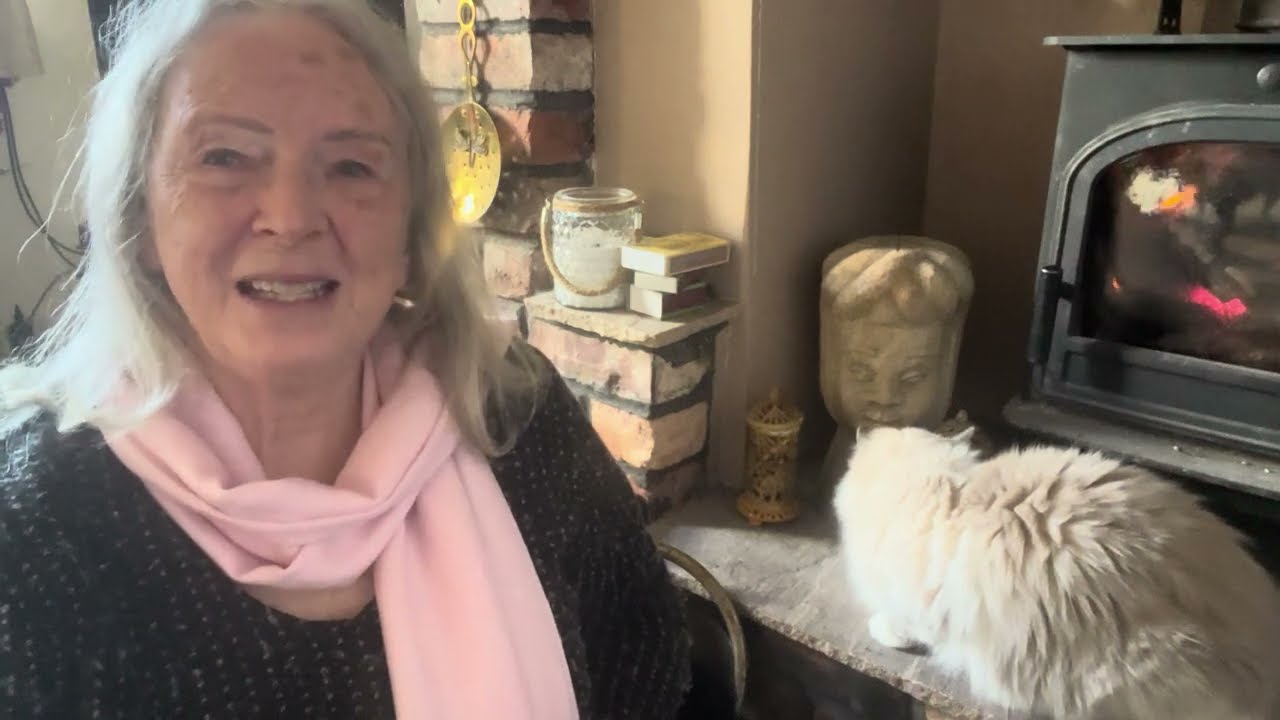
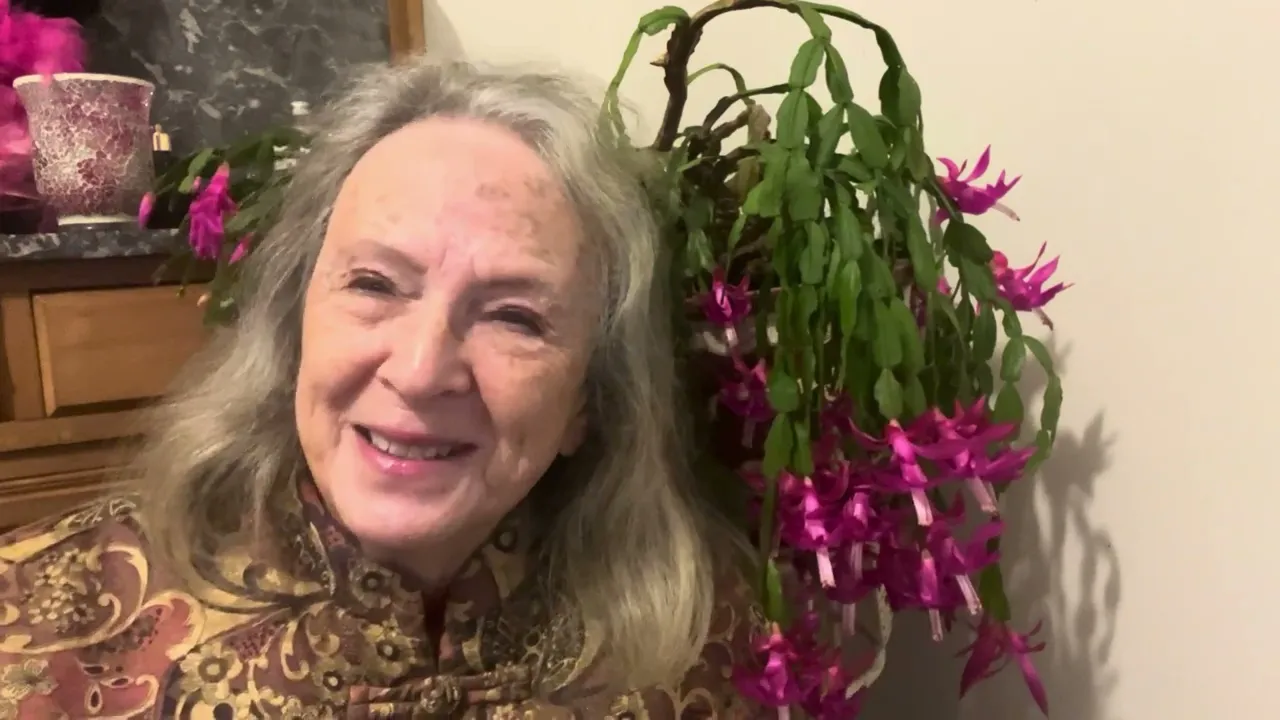
hello thank you so much for joining me I wanted to come one more time and record by these beautiful flowers before they fade and disappear for another year they really have been glorious this year I've loved having them around and I want to talk to you a little bit about diagnosis diagnosis however you choose to pronounce it when I was working with special needs children part of my remit was to be part of the team that um identified problems in children and we would identify such things as uh dyslexia dyspraxia ADD ADHD Etc and the
aim was that when you knew what the problem was then you could gear your teaching styles or give suggestions to the class teacher how they could help these pupils and it could be something simple there was one child who was right-handed and was sitting next to a left-handed child and this child had one of them had ADHD and was very easily distracted and we just simply swapped them round so that they weren't clashing elbows whenever they came to WR so that was one distraction out of the way unfortunately other things weren't as simple um in
many cases the aim was to Endeavor to get a statement of special educational needs as we called it then I don't know what it's called now in support of the child in school um I presume that such things are even more difficult to obtain these days unless for something very specific such as a visual or a hearing impairment where the child really cannot function in a m mainstream classroom without them but something that I always used to work on with the children was that actually their problem gave them some strengths and I would go through
this with them and tell them about people who had the same thing as they did and how they had made great strides in life and it needn't be a drawback Etc but in many cases that label became a fixed to that child he she became the dyslexic child sitting over there as if there was a a tattoo saying it on their forehead um unfortunately the same this plant is doing what it did last time it's a in my head the same applies for illnesses yes it's easy to describe somebody in a crowded room when there's
one person in a wheelchair rather than describing them as the person with glasses and dark hair and the SC stripey jumper the easiest thing the most outstanding thing thing is to say oh it's the person over in the wheelchair but that is classifying them by their disability not their ability but it's what so many of us do and we are more than any disability that we have we have so many strengths so many abilities and in many cases these strength thans as we've been growing older we've been developing them to counteract whatever our problem may
be and I am hopeless with numbers we actually got a new test for testing disc calcula discala even and before I used it with anybody I always got somebody to use it on me so one of my colleagues had used it on on me and in all the time I used that test which we were requested to do I was the only one who came out as being disc calic I think I'm on the lower Edge because I just simply cannot remember dates can't remember strings of numbers um my parents' birthdays I couldn't remember those
I knew that they both fell on the same day every year so I would look up the two dates that were possible for my mom's birthday which came first and then I would know which one it was when I could match with the two dates in my dad's birthday month so we we work around these things and this is what we used to teach children you know ways of coping ways ways of getting round but we are not our diagnosis we are not that label we still remain that person with all our feelings probably more
heightened by what we've been going through all our highs and all our lows we are still that person and no matter what what is happening to us whether we're going through lots of treatment lots of surgery whatever we are still that person for me I see one of my strengths that I've got a rather some sometimes off-the-wall quirky sense of humor and I know that at times of stress that comes out more and that will help me um when I was having my eyes out a couple of weeks ago I said to the the young
man that was doing it oh whilst you're sorting that out could you sort my heart out as well and to me that was my way of lightning things for me he didn't need things lightning he was the professional who knew what he was doing I was just the being who was being done to but we need to hang on to our strengths we need to know what our identity is our identity isn't this woman with eyes that are a bit funny and a heart that we don't quite know what's going on with I'm me I'm
me I can still communicate with you guys I might get a bit if I'm walking but I am still me still got the same sense of humor still stupid enough to sit in the same place knowing that the uh I will go out with pink flowers in my hair why ever not why ever not and I saw a quote from um the Princess of Wales Katherine the Princess of Wales and I thought good for you that's the message that I give out but coming from her obviously it will be much more widespread much more listened
to and she said don't forget to nurture all that which has the all that which is beyond the disease and obviously she has been diagnosed with cancer and if she's going around giving that message that's a wonderfully positive one did I misread that cuz I read it without my glasses let's just make sure uh don't forget to nurture all that which lies beyond the disease I was nearly there so don't forget that if you have a problem whether it's a disease a handicap call it what you will if something is out of kilter that doesn't
mean that the whole of you is out of kilter you're in there make sure you find yourself keep that self nourished nurtured and that little child inside as well as always on that note I shall say thank you for joining me take care and don't become your diagnosis don't become your disease you are you and we all want you to remain that way bye for now speak to you soon bye