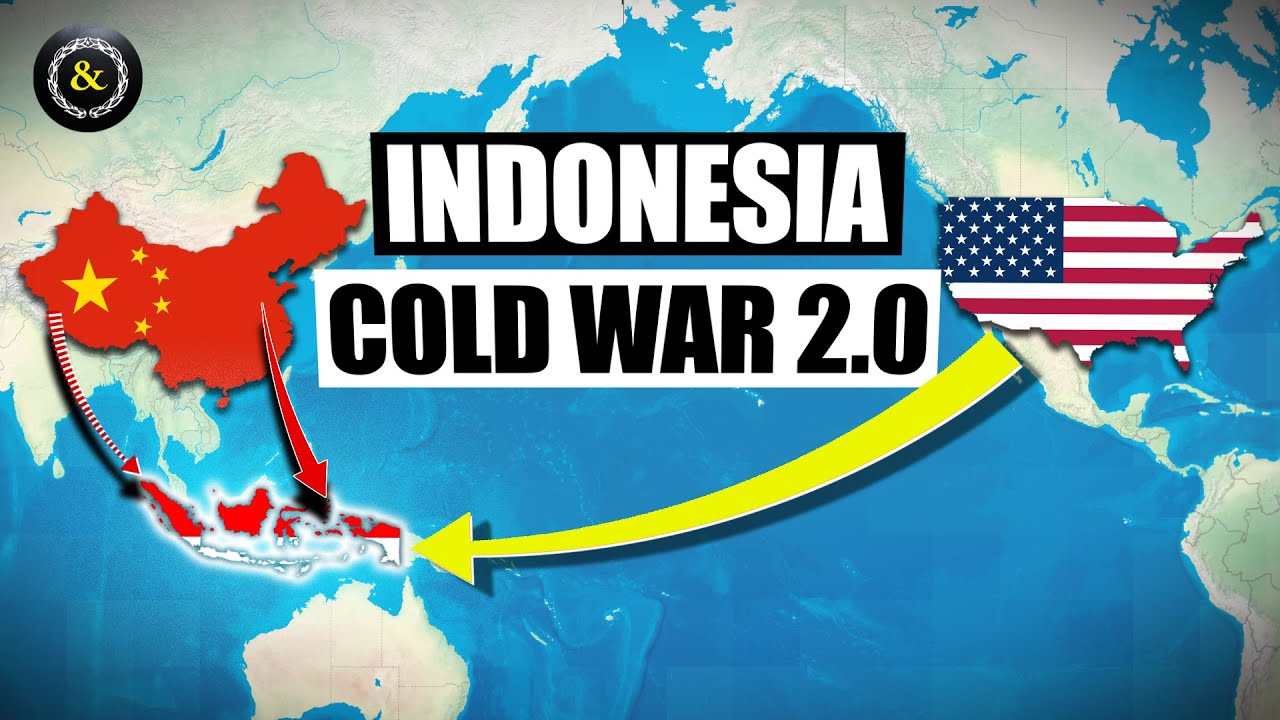
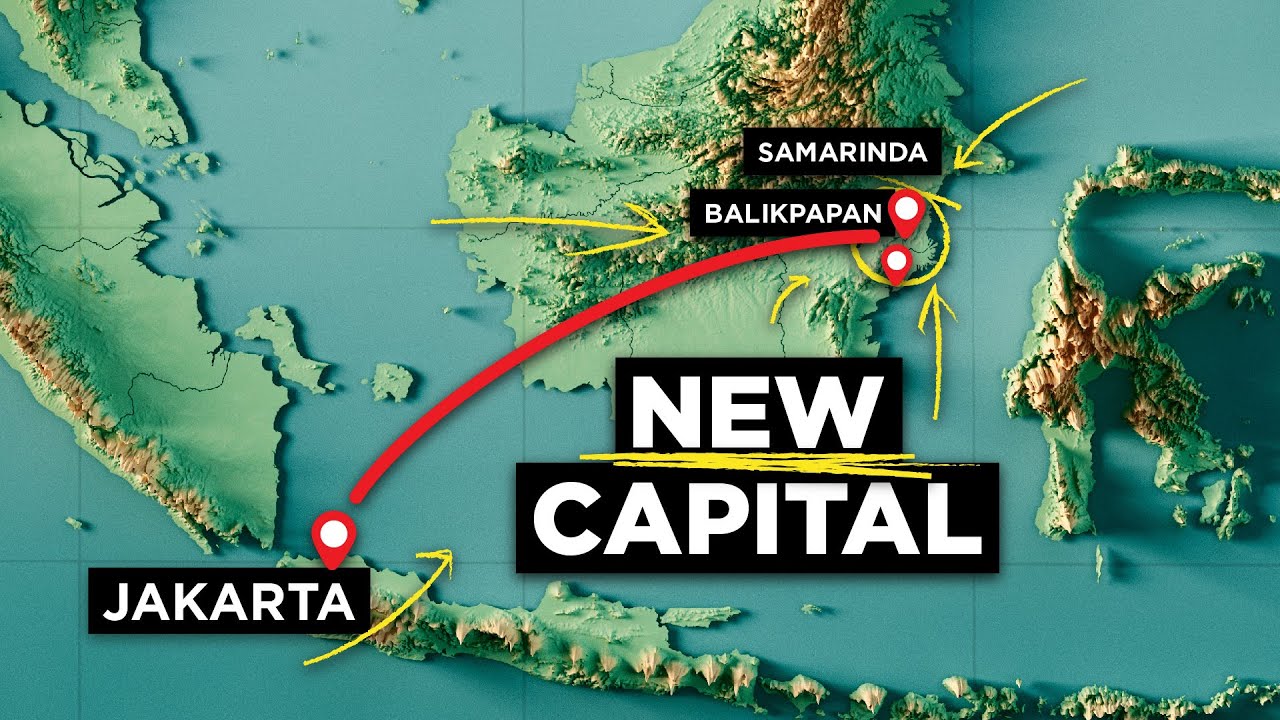
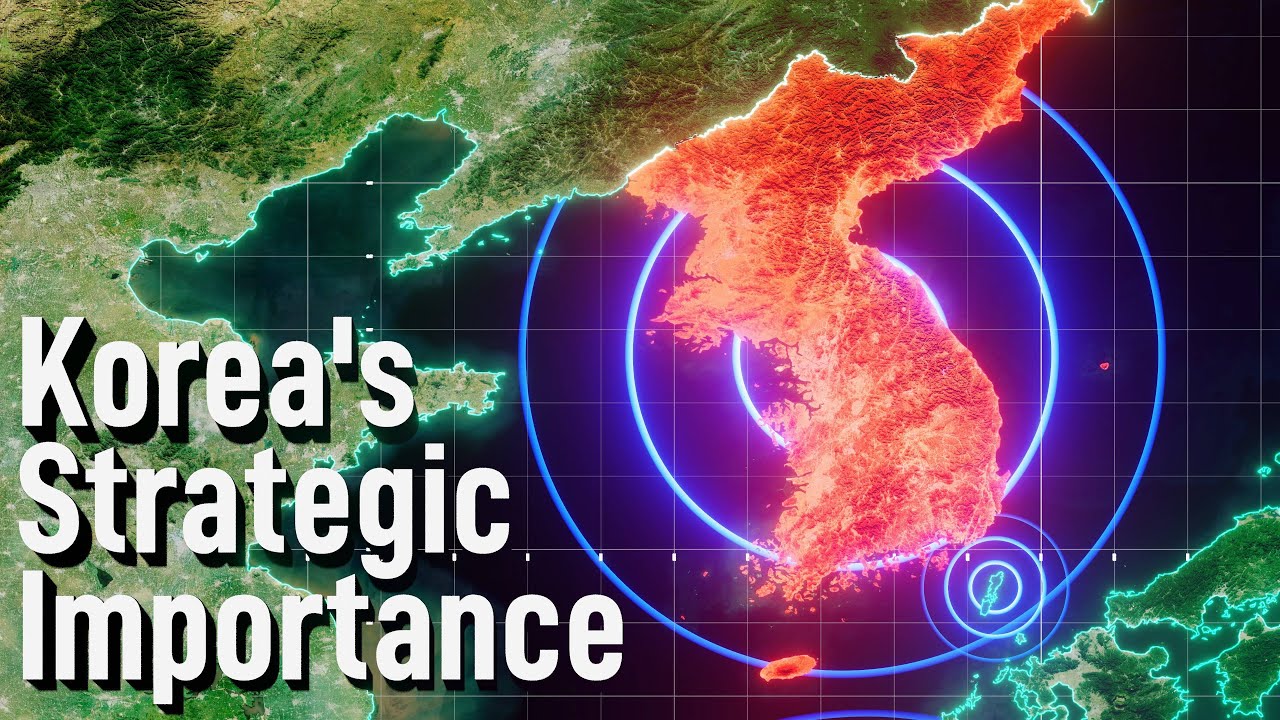
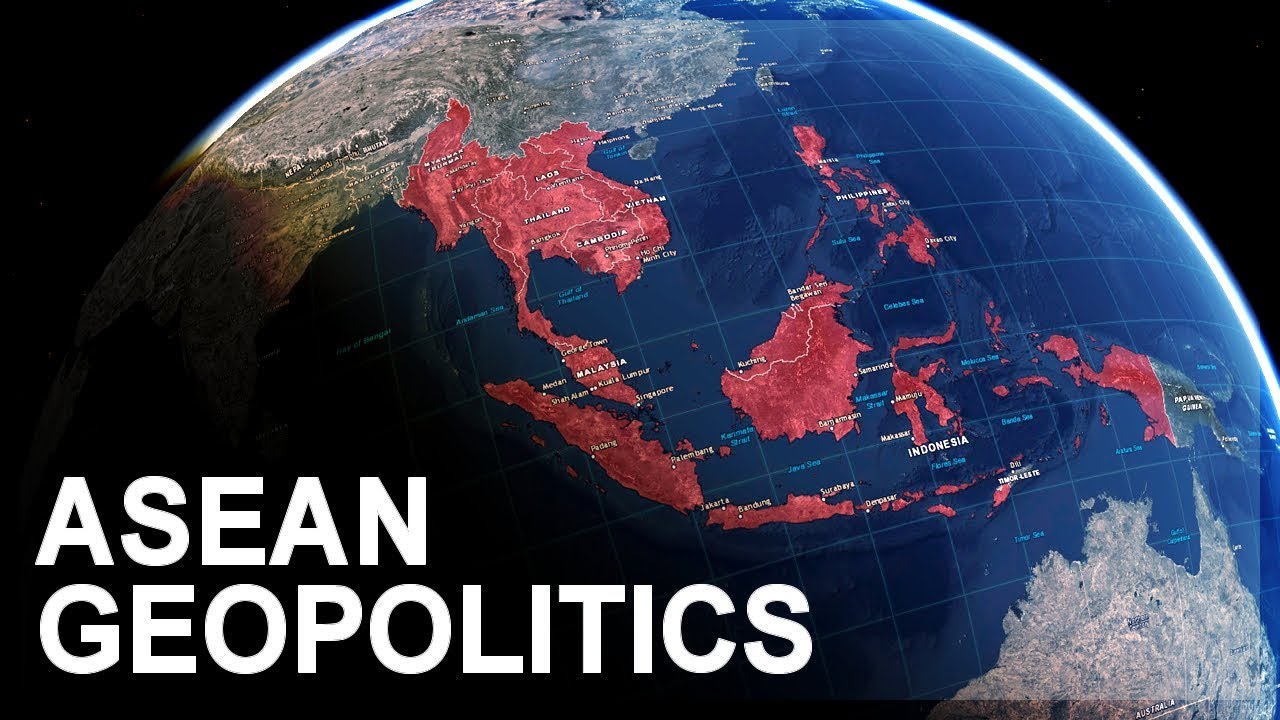
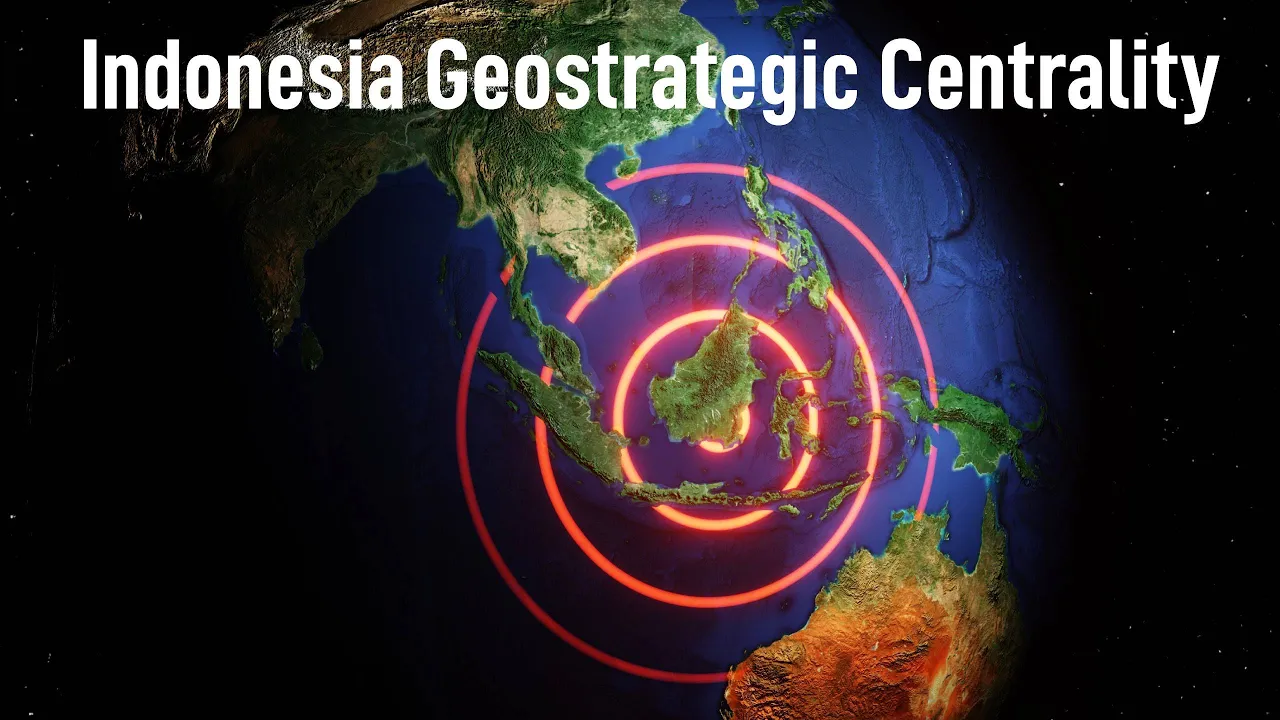
the indo-pacific has become the single most geopolitically relevant region in the world heavy and middleweight global players like the us china india and japan sit at its fringes making this region central in their security policies perhaps the most critical area in this region is south east asia at its political and geographical core is arguably the most strategic country on earth indonesia the country at the center of the indo-pacific region [Music] three main reasons explain the southeast asian nation's strategic emergence first the centrality of indonesia in the global sea routes second the diplomatic importance of southeast asia in global power balance and the u. s china rivalry and third the military potential of indonesia southeast asia is not only a geopolitical hub but also a major gateway for the europe asia undersea internet cables like the cme 3 connecting south korea to belgium most countries are in fact connected to the internet via multiple c cables as these offer better protection to disruptions and tapping than land-based ones these are critical pieces of infrastructure and are therefore thoroughly secured just like whole nations people need to make sure their own lines of communication are secure and atlas vpn provides powerful tools to make your browsing both safer and more enjoyable atlas vpn is now offering our viewers an 82 percent discount for one of the best vpn deals around at just 199 per month for their three-year plan with the added benefit of a 30-day money-back guarantee you can protect an unlimited amount of devices and be covered by the added benefit of atlas vpn's ad and malware blocker being a total gear head myself i love watching the guys over at top gear which thanks to atlas vpn is available pronto on netflix uk some say that even the stig uses atlas vpn and that he is a korean netflix habituae all we know is that you can not only watch your favorite korean dramas like the stig but you can also use your vpn to get some great deals like on flight tickets hotel bookings and even your online shopping atlas vpn is offering an 82 discount to our viewers now just 199 per month for their three year plan this offer is for a limited time so secure this deal by clicking the link in the description box below and now back to the video so why is indonesia such a global geopolitical hub and what does this mean for the future well the first simple answer to these questions is as always geography indonesia is the world's largest archipelagic nation formed from over 16 000 islands spread over an area of more than three million square miles indonesia is comprised of only five main islands sumatra java majority of borneo sulawesi and half of papua it is a surprisingly huge country extending across three time zones for over 3 000 miles around the same distance from new york city to lisbon its land borders are with malaysia papua new guinea and east timor other neighboring countries include singapore the philippines australia and india's andaman and nicobar islands the country is also the fourth most populous nation on earth with over 270 million citizens around 150 of which live on java the most populated island in the world the sinking capital jakarta accounts itself for around 10 million residents indonesia's size and makeup presents some unique challenges which we will be talking about later but for now we need to ask how does this nature shape indonesia's strategic value indonesia's first strategic value lies in its central position in global sea trade routes specifically its choke points act as gateways connecting and potentially shutting the axis between indian and pacific oceans the majority of the trade traveling between the indian and pacific oceans passes partially or fully through indonesia's territorial waters this strategic value is only compounded by the many choke points that lie at the entrance and exit of these critical waterways it seems that no matter what it is or where it is traveling all goods are eventually forced through indonesia's four major choke points at some point in their life cycle routes starting at the oil-rich persian gulf or destined for europe are funneled through the malacca strait those between asia and africa typically sail through the sunda strait while deep draft tankers and bulk carriers prefer the deeper waterways of the lombok and umbai weitar straits it has been estimated that around 50 of global trade by tonnage passes through these sea lanes each year and for some resources this dependence is only amplified for example it is estimated that 80 percent of china's oil imports pass through the malacca strait and that figure rises up to 90 percent for japan and south korea as asia's markets continue to develop and their role in the international trade route continues to boom indonesia's strategic role over the world's maritime trade is only set to grow however two main threats hang over these stretches of water which actually bolster indonesia's influence as it is encouraged to take an increasingly active role in policing them first these straits are vulnerable to active blockage and piracy these waterways are already struggling with congestion which may only escalate in the future as trade volumes and the size of ships that service them continue to grow strict safety regulations and continuous trans-regional police controls have kept these stretches of water relatively safe and accessible to this point however with a forecasted rise in the domestic consumption of goods and resources in all asian nations in the upcoming decades increasing trade is presumably the most critical challenge for these straits currently the malacca strait is one of the most important choke points on earth around ten thousand ships pass through the strait every year but its relatively shallow waters place a natural limit on the size of vessels that can use it for larger vessels the only alternatives to the malacca strait are also all choke points in indonesia's territorial waters the closest is the sunda strait sitting between the islands of sumatra and java this stretch of water which itself is only around 15 miles wide and 50 miles long already services an average of 3 500 ships transporting around 15 million metric tons of cargo per year a more popular choice for the largest vessels is the lombok strait with an average depth of 150 meters and 11 miles of width at its narrowest this route offers a far safer alternative to the large tankers and bulk carriers for this reason it is the second most popular of these choke points with an average of 3 900 ships annually transporting around 140 million metric tons of goods per year at a combined value of 40 billion u. s dollars the third major strait is the ombae waitar between the island of timur and qatar this passage is extremely deep making it favorable to the ultra-large crude carriers indonesia is a vital player in the world's seaborne trade its straits effectively act as valves connecting and potentially halting the flow of goods between the pacific and indian oceans this gateway role is also important in explaining why the us and china have turned to jakarta in search of an ally for their ongoing geopolitical competition being the center of the indo-pacific region indonesia is also at the crossroads of multiple and often conflicting goals of some of the world's largest powers by far the most influential in this region china has pushed for the expansion of its economic and diplomatic influence through the belt and road initiative since 2013 as its land section unfurls through central asia all the way to europe its martin version covers the whole of southeast asia the middle east and africa from a chinese perspective it is essential to bound southeast asia to the bri both as beijing looks to create a favorable diplomatic and security environment around its borders and to bolster its territorial claims in the region especially on the hotly contested south china sea indonesia has formally adhered to the maritime belt and road initiative and china has been its largest trading partner since 2013.
in 2019 this trade had a value of around 72 billion us dollars and now accounts for 43 of indonesia's foreign trade by comparison that's almost the equivalent to its combined trade with the us japan and india the rise of china's economic and military clout has shifted the global balance of power towards asia america had been mostly focused on the middle east for the majority of the late 1990s and 2000s outsourcing its commitment to southeast asia through its ongoing relationships with major regional partners such as australia japan and the philippines this largely changed under the obama administration's pacific rebound and famously koi pivot to asia which was bolstered under the trump and biden administrations as part of this indonesia was one of the few southeast asian nations to receive the green light from the u. s state department to receive american weaponry the united states also holds numerous military exercises with indonesia including the most recent 2021's garuda shield which was the largest ever between the two countries conflicting foreign powers interests have become the norm in southeast asia as the area yet again becomes the focus of competing defense policy agendas from major powers eager to project their influence over each other's backyard indonesia strategically placed at the center of this region and the indo-pacific yet vital to its access is in prime position to exploit this reality as its importance only grows over time indonesia needs to bolster its own capabilities to avoid being used as a puppet in a foreign power rivalry if a conflict between the us and china ever visits this region securing indonesia's cooperation could drastically tilt the strategic balance in favor of its ally potentially indonesia has the size and a favorable geography to turn itself into a major regional naval power two main policies have created the bedrock of jakarta's martin strategy the first of this is the global martin fulcrum a tangible government plan to boost indonesia's martin power and the second is the archipelagic vision a cultural movement that seeks to support indonesia's archipelagic national identity the global martin fulcrum was a foundational policy of the current president joko widodo's first term election this policy is essential to solidifying indonesia's strategic value between the indian and pacific oceans and acts as a catalyst for building major regional maritime dominance of the five pillars laid out in the gmf three focus on domestic affairs while two stressed the necessity of first expanding martin cooperation with other countries and second the build-up of its naval capabilities the indonesian navy also known as tni have planned a major overhaul of its capabilities through the minimum essential force policy aiming to become a green water naval power by 2024 indonesia possesses the sixth largest exclusive economic zone in the world with its over six million square kilometers of water space to patrol indonesia's primary security threat has always been the challenge of administrating its numerous territory and population dispersed over such a fractured land mass beyond issues of nationhood and diplomacy this has a heavy real-world cost for example it is estimated that illegal fishing costs indonesia's economy around 3 billion u. s dollars per year and its piracy is such a critical issue that indonesian waters have accounted for around 20 of global piracy attacks in 2017.

![Chris Langan - The Interview THEY Didn't Want You To See - CTMU [Full Version; Timestamps]](https://img.youtube.com/vi/9miVG2xT5jY/maxresdefault.jpg)