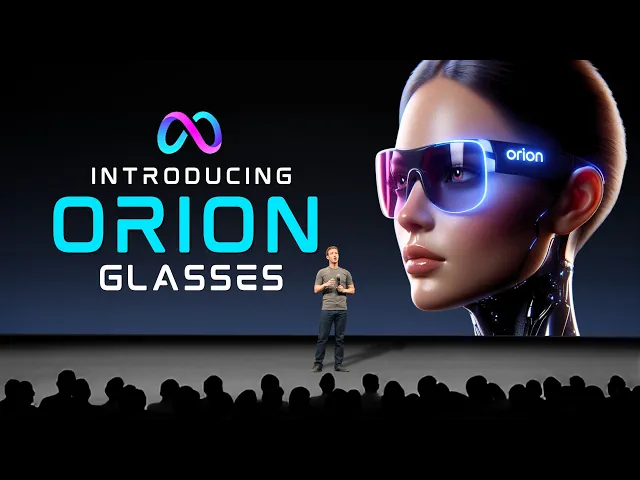
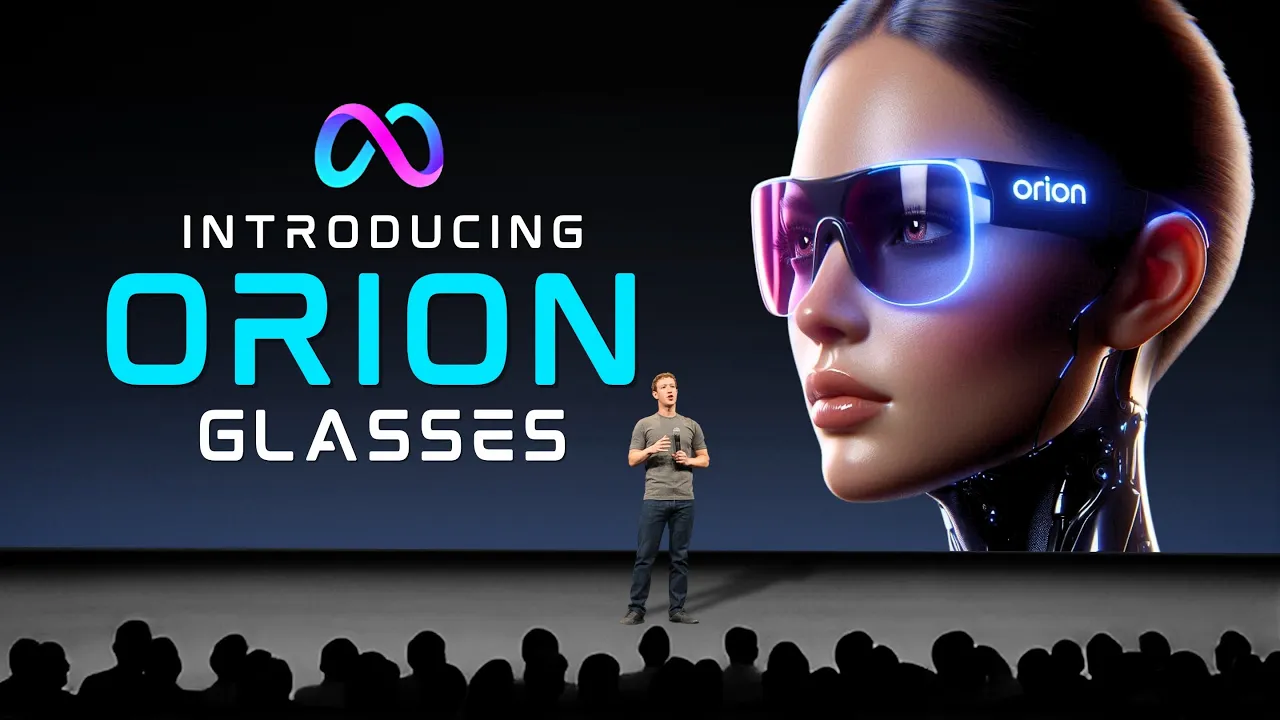
but then of course the full vision is you just have like a full field of view Holograms where you know we're having this conversation in the future and like I'm sitting on your couch next to you as a hologram and we're just there and we have this full sense of presence here we are oh yeah forgot to mention what if the device replacing your smartphone is already here meta Orion smart glasses promis to do just that redefine how we interact with technology by putting augmented reality right in front of your eyes in this video we'll
break down how these glasses could change everything the tech behind them and whether they'll really live up to the hype stay tuned for a deep dive into what could be the next revolution in Mobile Computing the rise of AI smart glasses smart glasses aren't new major tech companies have tried to crack the code for years with varying degrees of success one of the earliest attempts was Google Glass in 2013 which aimed to bring AR to Everyday consumers however the product struggled to find a market due to privacy concerns and an awkward clunky design later Microsoft
introduced Hollow lens a more sophisticated AI device geared towards Enterprise use but still too bulky and costly for the average consumer magic leap 2 was once heralded as the next big thing but ultimately fell short of expectations fast forward to today and meta has unveiled the O smart glasses a bold attempt to bring AR to the masses meta the company behind face Facebook Instagram and WhatsApp has made a significant investment in augmented and virtual reality over the past decade betting big on the future of immersive experiences Orion represents meta's most advanced AR technology yet with
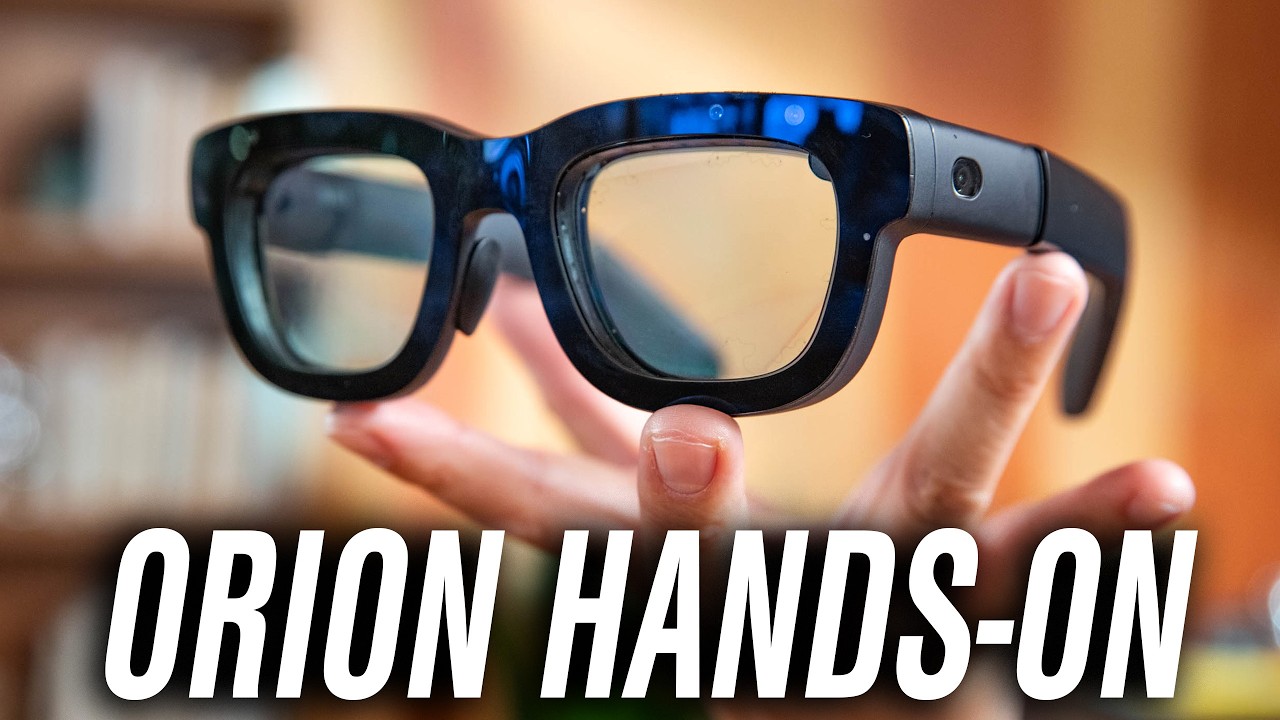
the company aiming to create a device that could one day replace smartphones what makes Orion stand out one of the most significant barriers to widespread adoption of AI glasses has been design no one wants to wear bulky headsets that make them look like they're straight out of a sci-fi movie meta Orion glasses aim to address this issue by focusing on a sleek and relatively lightweight design the glasses weigh under 100 G which is considerably lighter than devices like magic leaps AR glasses which weigh over 250 g meta's goal is to make Orion look and feel
like a regular pair of glasses that you'd be comfortable wearing all day however despite their streamlined appearance Orion glasses are still far from being truly regular the device consists of three main components the glasses themselves an external Computing unit that fits into your pocket and an electromyography EMG wristband that reads muscle movements for input this means that while Orion may appear simple it relies on multiple devices to function the external unit handles most of the processing power allowing the glasses to remain relatively lightweight but at the cost of convenience while the design is impressive it's
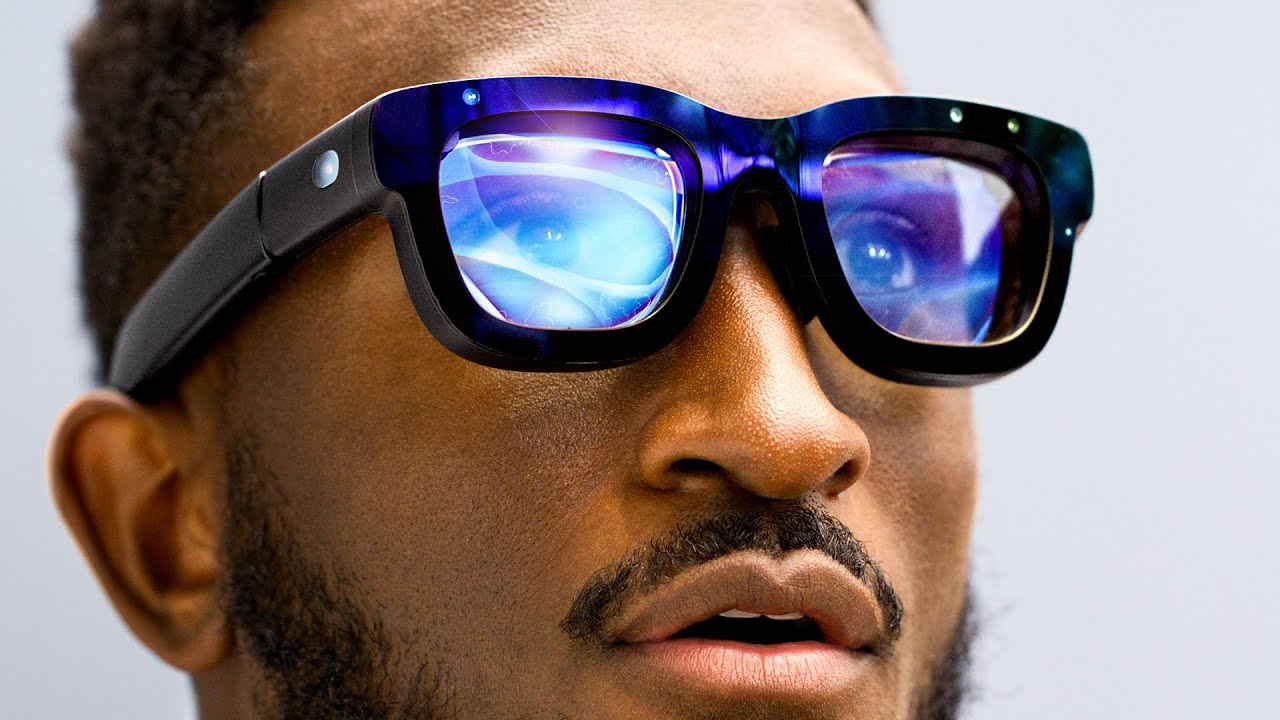
still not perfect meta has acknowledged that the glasses could be made even lighter and more stylish as it stands the frames are noticeably thicker than a typical pair of glasses and the overall design while sleeker than competitors is still obviously a piece of advanced Tech miniaturization and input methods meta's Orion glasses are packed with advanc features that set them apart from other AR devices on the market one of the most impressive aspects of the device is its holographic display which offers an unprecedented 70° field of view many AR glasses on the market today suffer from
a limited fov making the AR experience feel constrained and less immersive meta's wider fov allows for a more seamless blending of digital content with the real world creating a more natural user experience in terms of input methods meta has opted for a combination of voice commands eye tracking and gestures controlled by the EMG wristband this wristband detects even the smallest muscle movements in the user's wrist enabling users to control the AR interface with subtle hand gestures like pinching and swiping for example you can use a pinching motion to select menu items or a swiping motion
to scroll through content this allows for more intuitive interaction with the AR interface making it feel less like a gimmick and more like a practical tool voice commands also play a significant role in how users interact with Orion the glasses are integrated with meta's AI which allows users to perform tasks using natural language commands for instance you can ask meta AI to search for information play music or start a video call all without touching the device however one drawback is that Orion is not yet a fully self-contained device like a smartphone the Reliance on an
external Computing unit means you'll need to carry an additional piece of Hardware with you which could be seen as a step back in terms of convenience that said the trade-off is a more powerful and immersive AR experience than what's currently available on other devices could Orion replace smartphones meta has positioned Orion as a potential smartphone replacement but is this really feasible let's consider what smartphones do for us today they serve as our primary communication tools GPS devices cameras entertainment hubs and much more could AR glasses really take over all these functions in theory yes with
Orion you can make phone calls send messages and even attend video calls without ever pulling out your phone navigation becomes more seamless as directions can be overlaid directly onto the real world environment you can also receive notification browse social media and watch videos all while keeping your hands free but while the potential is there Orion still faces some significant challenges battery life is a critical concern for AR devices and Orion is no exception most AR glasses on the market today can only run for a few hours before needing a recharge and it's likely that Orion
will face similar limitations the external Computing unit may help extend battery life but the added Hardware could be a deal breaker for users looking for a truly mobile device Additionally the cost of AR glasses is another factor that could prevent them from replacing smartphones anytime soon while meta has not yet announced a price for Orion it's likely to be more expensive than a typical smartphone for comparison Apple's Vision Pro headset which also aims to replace traditional devices with a mixed reality experience is priced at $3,499 if Orion follows a similar pricing strategy it could be
Out Of Reach for most consumers s enhancing the AR experience one of the most exciting features of Orion is its integration with meta AI a powerful AI system designed to make the AR experience more intuitive and interactive meta AI allows the glasses to understand the user's environment and provide real-time contextual information for example users can ask meta AI to identify objects provide directions or even suggest a recipe based on the ingredients in their fridge this kind of contextual awareness is a game changer for AR technology it transforms the glasses from a simple display screen to
a tool that actively engages with the world around you the AI system also supports voice commands allowing for hands-free control of the device you can use voice commands to perform tasks like sending a message making a call or browsing the web making Orion feel more like a personal assistant than just another Gadget however with great power comes great responsibility especially when it comes to privacy meta has faced numerous privacy controversies in the past and the idea of wearing glasses that constantly monitor your environment could raise concerns for some users meta has stated that privacy will
be a priority but it remains to be seen how the company will address these concerns competing with apple and other Giants meta isn't alone in the race to create AR glasses apple with its Vision Pro has also set its sights on dominating the augmented reality Market The Vision Pro launched in 24 combines mixed reality with a high performance immersive experience positioning itself as a premium product with a hefty price tag of $3,499 while meta Orion focuses on being lightweight and stylish Apple's Vision Pro leans more toward Advanced immersive functionality making it more suitable for professional
and creative tasks rather than everyday wear Google also has a history with ar glasses though its early attempt with Google Glass was met with li it success since then Google has shifted its focus towards Enterprise applications but rumors suggest that the company is still working on a consumer-friendly version meanwhile companies like Microsoft and Magic leap have focused on Enterprise AI with products that are bulkier and geared towards specific professional uses this puts meta in a unique position to bridge the gap between Enterprise level functionality and consumer appeal where meta could gain an edge is through
its vast ecosystem with billions ions of users on platforms like Facebook Instagram and WhatsApp medican leverage its existing social media dominance to drive adoption of Orion features like hands-free social media browsing and integrated messaging could give Orion an advantage over competitors focused solely on AI functionality however meta will have to navigate the challenges that plagued earlier AI products including user privacy concerns high costs and the difficulty of convincing consumers to adopt a new category of devices when will Orion be available as of now meta has not provided an official release date for Orion but the
company has made it clear that the glasses are still in the Prototype stage the current version of Orion is being tested by meta employees and select external Partners to refine the product and work out any kinks meta CEO Mark Zuckerberg has said that the company is committed to ensuring that the glasses are as polished as possible before launching them to the public industry report suggests that the consumer version of Orion could be released around 2027 however meta has hinted that they hope to bring the product to Market sooner if development progresses quickly enough in the
meantime the company is focusing on perfecting the technology and addressing challenges such as display quality battery life and user Comfort the future of smart glasses and AR meta Orion glasses represent a significant step forward in the world of augmented reality with their Sleek design Advanced features and integration with meta AI they they have the potential to revolutionize how we interact with digital information however there are still many hurdles to overcome before AR glasses can replace smartphones battery life cost and the need for multiple components make it unlikely that Orion will become a mainstream device in
the immediate future that said the potential for AR glasses to transform industries from entertainment to education and even Healthcare is enormous whether meta succeeds in making Orion a household name remain s to be seen But the company's commitment to pushing the boundaries of AR technology is undeniable the future of computing may not be in our hands it could be sitting right in front of our eyes in the end metaz Orion glasses may represent the first real attempt to create an AR device that combines practicality with style aiming to bridge the gap between current AR headsets
and everyday wearables as AR technology continues to develop the race to create the first true smartphone replacement is heating up and meta is certainly in the game whether they can deliver a product that meets consumer expectations and avoids the pitfalls of past AR projects remains to be seen but one thing is clear the future of tech is closer than ever if you've made it this far let us know what you think in the comments section below for more interesting topics make sure you watch the recommended video that you see on the screen right now thanks
for watching