When this veteran sang his heart-wrenching tribute to fallen soldiers, Donald Trump's unexpected reaction left the entire audience stunned. The ballroom shimmered under the golden glow of crystal chandeliers, casting a soft light over a sea of high-profile guests. The annual Freedom and Honor Gala held at the prestigious Beverly Wilshire Hotel in Los Angeles had drawn politicians, celebrities, and business tycoons, all gathered to support wounded veterans.
Servers moved gracefully between tables, refilling champagne flutes as hushed conversations filled the air. At the head of the room, a long elevated stage framed by deep blue velvet curtains stood as the centerpiece of the evening. A massive American flag hung proudly in the background, its stars catching the light each time the fabric rippled slightly from the air vents above.
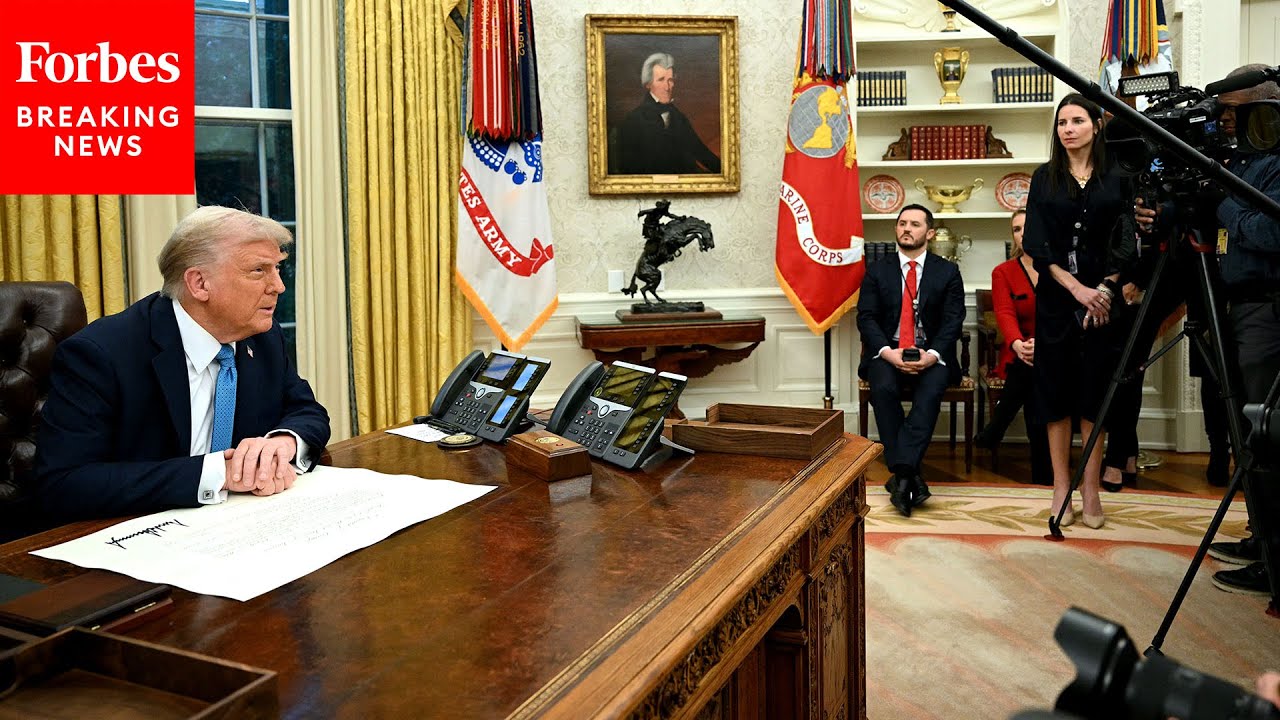
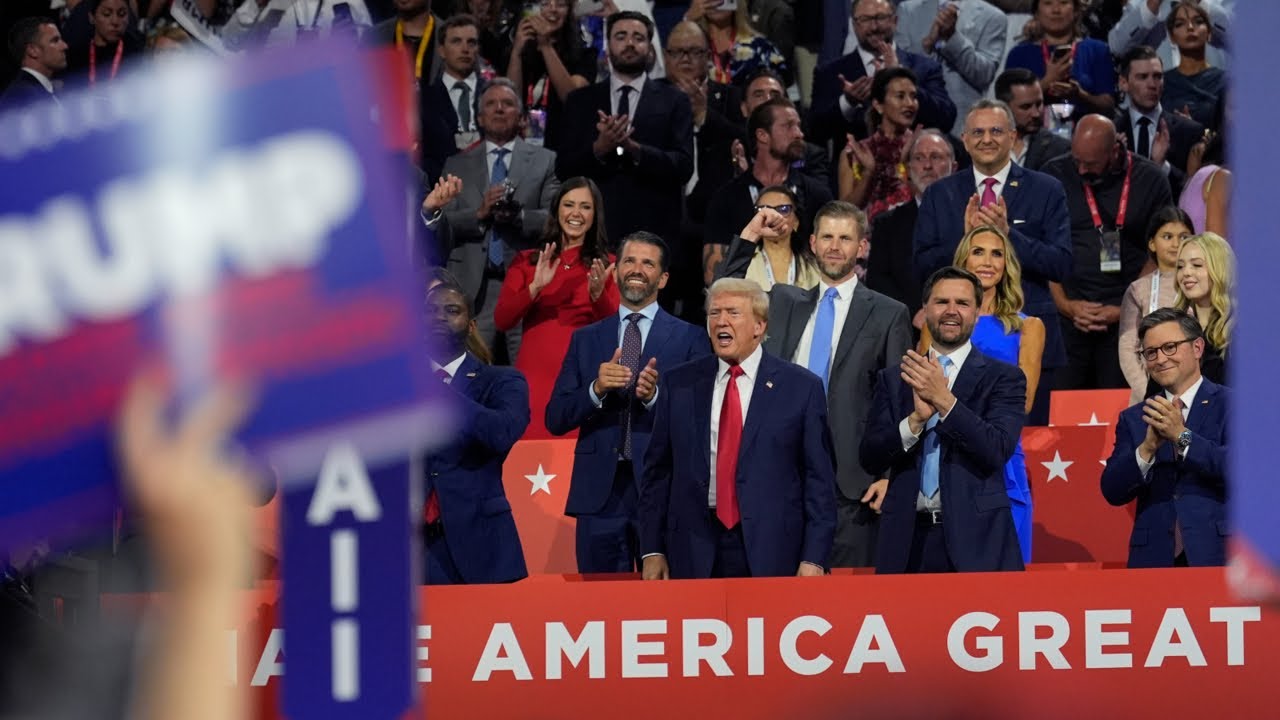
President Donald Trump, seated at the front table, adjusted his tie as he listened to the evening's MC, a retired four-star general recounting stories of resilience from soldiers who had sacrificed more than most could fathom. Trump, known for his commanding presence, sat with an air of attentiveness, but beneath that, something flickered in his expression—a rare moment of quiet reflection. As the speeches continued, guests applauded politely, offering smiles and nods at the right moments, but there was a certain routine predictability to it all.
They had attended galas before, heard stirring speeches, donated generous checks, and gone home feeling like they had done their part. Then, a pause. The MC cleared his throat, scanning the room before speaking.
“Tonight,” he said, voice thick with emotion, “we have a very special guest—a man who has seen more than most of us could ever imagine and lived to tell about it. ” The shift in energy was immediate; conversations halted, glasses were placed back onto the linen-draped tables. Even Trump leaned forward slightly, his attention sharpening.
The general continued, “Sergeant Lucas Barrett served two tours in Iraq and one in Afghanistan. He was awarded the Purple Heart for injuries sustained during an ambush outside Kandahar, but what he's about to share with us tonight goes beyond the battlefield. Please give a warm welcome to a true American hero.
” Polite applause rippled across the room as a tall, broad-shouldered man in his late 50s walked toward the stage. His limp was slight but noticeable; the crisp navy blue suit he wore couldn't quite hide the stiffness in his movements, a reminder of the injuries that had nearly taken his life. Lucas Barrett stepped up to the microphone, cleared his throat, and adjusted the mic stand with a steady hand.
He scanned the room, taking in the crowd—powerful men and women, some of whom had sent soldiers like him into war. Then, after a deep breath, he began to speak, but no one was prepared for what would happen next. For a brief moment, silence settled over the room.
It wasn't the kind of awkward quiet that comes with uncertainty; it was something heavier—anticipation, the kind that made people sit a little straighter, lean in a little closer. Lucas Barrett let the quiet linger. He wasn't the kind of man to rush his words; years of service had taught him that the weight of a message wasn't in how fast it was delivered but in how deeply it was felt.
He adjusted the microphone again, his fingers brushing against the cold metal stand. His gaze flicked over the crowd—senators, CEOs, Hollywood elites—before landing on President Trump, who was watching him intently. “I want to thank you all for being here tonight,” Lucas said finally, his voice even and steady.
“I know these kinds of events are about raising money, showing support, standing behind the men and women who serve this country, but I also know that for a lot of people, it's easy to forget what that really means. ” The room remained quiet. He exhaled slowly.
“I don't say that with bitterness,” he continued. “I say it because I've been there. I've seen what war does to men.
I've seen what it takes from them. I've seen the ones who never came home. And for a long time, I didn't know how to carry that.
But one night in a hospital bed, with more broken bones than I could count and a future that felt uncertain at best, I did the only thing I could do. ” He paused, glancing down at his hands. When he looked up again, something shifted in his expression.
“I wrote a song. ” A murmur rippled through the audience, not because they doubted him, but because no one had expected it. “It's not a song about me,” he clarified, shaking his head.
“It's about the ones who never got the chance to stand on a stage like this—the ones who never made it past 20—the ones who fought alongside me but never got to come home. ” He reached into his pocket, pulling out a small, creased piece of paper. It was worn at the edges, the kind of paper that had been unfolded and refolded a hundred times.
“I wrote this for them, and tonight I want to share it with you. ” He nodded toward the pianist in the corner of the room. The soft, mournful notes of a single piano chord filled the air.
Lucas closed his eyes, took a breath, and began to sing. But within seconds, the entire room would be fighting back tears. The first notes of Lucas Barrett's voice carried through the ballroom—deep and steady, yet laced with something that made people hold their breath.
It wasn't just the melody; it was the weight behind it. The last note hung in the air, fading into a silence so thick it was almost suffocating. Then, applause—not polite clapping, not the kind of applause given out of obligation at fancy galas.
This was different. It was raw, it was real, it was loud. People rose to their feet, some clapping, others wiping away.
. . Silent tears.
A few simply stood there, hands pressed together in front of them, as if they were still absorbing what they had just heard. But amidst the ovation, one man remained seated. President Trump hadn't moved, his hands still clasped together, tightened slightly.
His gaze lingered on Lucas, not just watching him, but seeing him. Then, slowly, he stood, but what he did next would leave the entire room speechless. The applause thundered through the ballroom, but President Trump didn't acknowledge it right away.
He remained still, his hands unfolding slowly as he exhaled, his gaze never leaving Lucas Barrett. Then he stood up, not with the quick, rehearsed movements of a politician acknowledging a moment, but with deliberate, measured steps—the kind of movement that carried weight, the kind that signaled something real. The room watched, holding its collective breath, as Trump took a step toward the stage.
His face wasn't the one people were used to seeing at rallies or press conferences; there was no broad grin, no nods of acknowledgement to the cameras. His expression was serious, somber even. Lucas Barrett, still standing at the microphone, met his gaze for a moment; neither man spoke.
The cameras in the room clicked, flashes capturing the moment as the President of the United States walked up the steps and approached the soldier. Then he did something no one expected: Trump extended his hand. Lucas hesitated just for a second before grasping it.
The handshake was firm, lingering. It wasn't just a photo op moment; it was something unspoken, something understood only by men who knew what sacrifice looked like. Then, in a rare moment of vulnerability, Trump placed his other hand on Lucas's shoulder.
A hushed stillness fell over the room. The cameras kept rolling, but no one moved, no one spoke. Finally, Trump leaned in slightly, speaking just loud enough for the microphone to catch his words: "They'll never be forgotten.
" Lucas swallowed hard, his grip tightening for a brief second before he nodded, not out of formality, but out of understanding. Trump let go, then turned back toward the audience. His expression had shifted again—not softened exactly, but more reflective, more grounded.
Then he clapped, and within seconds, the entire room erupted again, louder than before. But this wasn't just for Lucas anymore; it wasn't just for the song. It was for every soldier who never got to stand on that stage.
What happened next would ensure that this moment wouldn't just be remembered; it would be talked about across the entire country. The event should have moved on. The next speaker should have taken the stage, and the gala should have continued as planned.
But this wasn't just another moment. As Lucas stepped down from the stage, he felt a firm hand on his arm. Trump wasn't done talking.
"Walk with me," the President said, voice low but steady. Lucas hesitated for only a second before nodding. The two men moved toward the edge of the ballroom, away from the cameras, away from the prepared speeches and scripted pleasantries.
A small group of aides and Secret Service agents hovered nearby, but this was a conversation that needed no audience. Trump turned to him, eyes sharper now, focused. "That song," he said, pausing, "that wasn't just music.
" He stopped, shaking his head slightly as if searching for the right words. Lucas nodded, his voice calm. "It was the truth.
" Trump let out a breath, studying him. "I've met a lot of veterans, heard a lot of stories, but I've never heard it put like that. " He paused.
"You served in Afghanistan. " Lucas shifted slightly, feeling the weight of memories press against his chest. "Yes, sir.
Two tours. First time I left, I was 22. Second time.
. . " he trailed off.
Trump gave a small nod. "And that's when you got hit. " Lucas didn't flinch.
"Yes, sir. " A beat of silence passed. "Do you still talk to any of the men from your unit?
" Trump asked. Lucas's jaw tightened slightly. "The ones who made it home.
Yes. " Then, softer, "Too many didn't. " The weight of the words hung between them.
Trump exhaled. "You know, I get criticized a lot. People say I don't understand the military, that I don't feel what they feel.
Maybe they're right. " He glanced at Lucas. "But I listen, and tonight I heard you.
" Lucas studied him for a long moment; he wasn't sure what to say to that. Trump continued, "This song, this story—people need to hear it. Not just in this room, not just tonight.
" He straightened, glancing toward one of his aides. "Get this out there. Make sure every veteran in this country hears this.
" Lucas blinked; this wasn't just a conversation anymore. This was something bigger. Within hours, clips of the performance flooded the internet.
The video spread across social media, news stations, and morning talk shows. Some headlines called it a powerful tribute; others called it a rare emotional moment for a President often seen as unshakeable. But the real impact wasn't in the headlines; it was in the emails and messages Lucas received from soldiers he had never met, from Gold Star families who had lost their sons and daughters, from veterans who felt invisible until now.
It was in the phone calls from men he had served with, voices thick with emotion saying, "I needed to hear that. " It was in the way one song managed to do what years of speeches couldn't: remind the world of the faces behind the sacrifice. But there was still one more thing Lucas needed to do.
The days following the gala were a blur. Lucas Barrett had never been one for attention, yet his phone wouldn't stop buzzing—veterans, families of fallen soldiers, strangers who had never set foot in a war zone but felt the weight of his words. The video of his performance had spread beyond anything he had imagined; talk shows debated.
. . It news anchors analyzed it, but none of that mattered to Lucas.
What mattered were the voices on the other end of the calls: a man from Oklahoma who had lost his younger brother in Afghanistan; a woman from Texas who had served but never felt seen; a father from Ohio who had folded a flag over the coffin of his only son. Every message carried the same theme: thank you for saying what we couldn't. And yet, amidst the flood of messages, one stood out.
It wasn't from a journalist or a politician; it was from a woman named Marjorie Tillman, the mother of Private Jason Tillman, a young soldier from Lucas's unit who hadn't made it home. Lucas read her words over and over: "I never got to hear my son's voice again, but last night I heard it in your song. " His hands trembled slightly as he typed back: "He's never been forgotten.
" And that was when Lucas knew this wasn't the end of something; this was the beginning. He took a deep breath, looking out at the California sunset from his small apartment. The war had taken a lot from him, but it had also left him with something he never realized he carried: the responsibility to keep telling their stories.
The next morning, he called the number that had been left in his inbox— not a media request, not a politician, but a small nonprofit that helped veterans tell their stories through music. And just like that, one song turned into a movement. Because the truth is, no soldier is ever truly gone as long as their story is told.
There are moments in life that remind us what really matters—moments that cut through the noise, the politics, the divisions, and remind us of the people behind the headlines. Lucas Barrett's story wasn't just about a song; it was about honor, sacrifice, the cost of freedom, and maybe, just maybe, it was about reminding the world that some voices, no matter how quiet, deserve to be heard. If this story moved you, share it, because sometimes the greatest tribute we can give is simply remembering.
If you believe in honoring those who have served, consider supporting veteran organizations that help our heroes transition back to civilian life. Every story matters; every voice counts. Subscribe for more stories that remind us what truly matters.