a snapshot from Mars has rocked the scientific world changing the way we think about the red planet and at the front of the research a team of Australian scientists what's the shocking truth behind NASA's perseverance Rovers latest Mars Discovery in an unexpected Revelation the Rover that was once just searching for signs of ancient life has now sent back groundbreaking 360° footage hinting at the unthinkable Life on Mars the red planet once thought Barren and lifeless is now under the spotlight revealing secrets that could change Humanity's understanding of the universe join us as we delve into
this astonishing Discovery and what it means for the future of interplanetary research chapter 1 60 long years to Mars the UFO search NASA's trips to Mars are a big part of space history these Adventures are all about learning more about Mars seeing if it could have had life and figuring out if people could live there one day the journey started in the 1960s and grew over the years NASA sent spacecraft to fly around Mars go into orbit around it land on its surface and move around with Rovers they wanted to find out all they could
about our mysterious red neighbor at first they just flew past Mars to take pictures and learn basic things but as time went on they started to do more like Landing the Viking crafts to look for signs of life and sending the Pathfinder and its little Rover buddy Sojourner to take a closer look at the Martian surface Mars is the fourth planet from the sun and is pretty chilly and dry kind of like a big desert but with a very thin air layer even though it seems empty and quiet Mars changes with the seasons just like
Earth does it has ice caps at its poles big canyons and old volcanoes that don't erupt anymore there's also signs that long ago Mars was warmer and had more water maybe even enough to support life this idea makes Mars very interesting to NASA and has made them want to learn even more by studying Mars NASA hopes to understand more about the planet's rocks what its weather is like and how it has changed from a place that might have had rivers and oceans to the dry world we see today this is why they keep sending missions
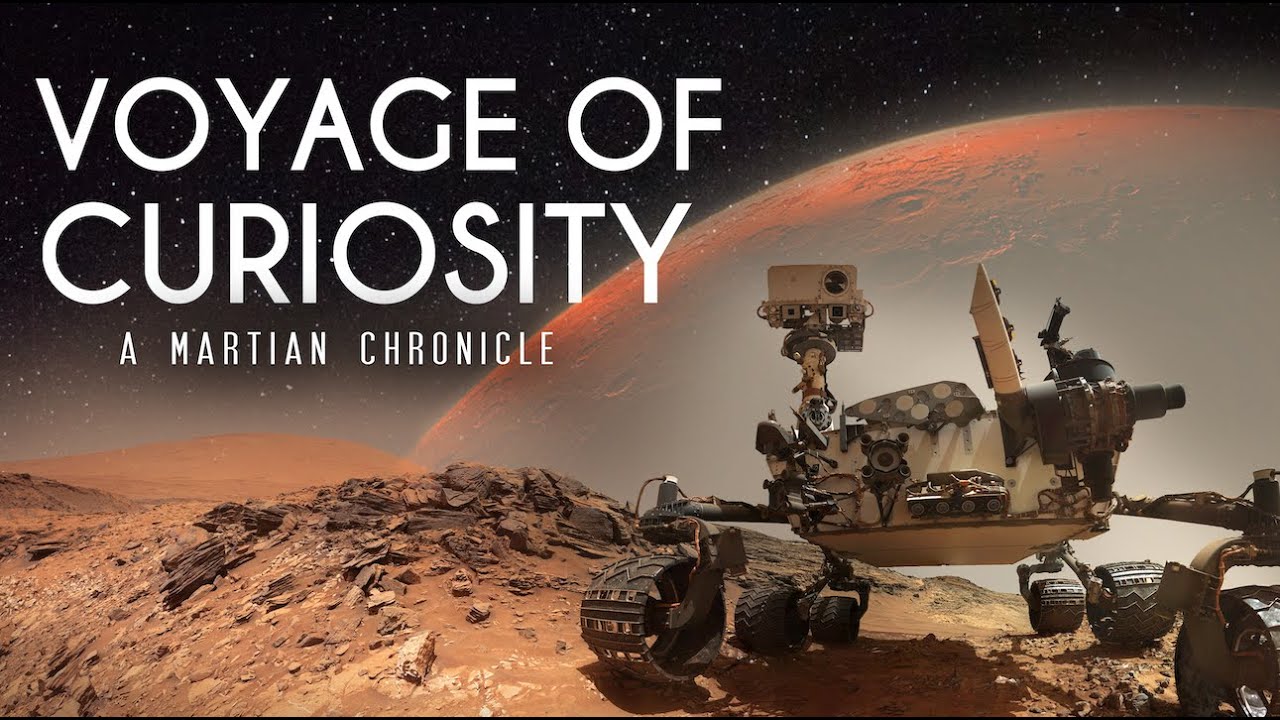
to Mars to gather more information and try to answer the big question was there ever Life on Mars leading the charge in the exploration of Mars are two of NASA's star robots known as The Curiosity and perseverance Rovers these high-tech explorers are like super smart robots equipped with all sorts of gadgets and gizmos to study the red planet in great detail let's start with the Curiosity Rover this one is a bit older but still very important NASA sent curiosity to Mars as part of the Mars science laboratory Mission and it touched down in a place
called Gail crater in August 2012 the big goals for curiosity were to check out if Mars could have supported tiny life forms called microbes at some point to take a close look at the weather and rocks on Mars and to gather all sorts of information that could help astronauts go there one day over the years Curiosity has been like a detective on Mars finding clues that long ago there might have been water flowing in rivers and lakes it even found some chemicals that are building blocks for life and noticed changes in the air that happen
with the seasons all of which point to the idea that Mars could have had the right conditions for Life a long time ago now let's talk about the newer robot perseverance this Rover is like the younger more advanced sibling of curiosity and landed on Mars on February 18th 2021 its home on Mars is a place called jezero crater which scientists think was filled with water billions of years ago perseverance is job is to look around this ancient lake bed for signs that tiny creatures might have lived there in the past it's also there to study
the rocks and the old weather patterns of Mars and to scoop up bits of Mars to possibly send back to Earth one day but that's not all perseverance is also trying out some cool new tools one is called Moxy and it's experimenting with making oxygen out of the Martian air which is mostly carbon dioxide if this works it could help future astronauts breathe and even make fuel on Mars another exciting experiment is the Ingenuity helicopter a tiny Chopper that has been flying around Mars to show that yes you can fly in the super thin air
there this could help plan how to look at Mars from the sky in the future and decide where Rover should go next both curiosity and perseverance are like the eyes and hands of scientists on Mars they help us learn what the planet is made of what its weather is like and whether it ever had the right conditions for life these rovers are really important for figuring out the past present and future of Mars and are stepping stones for humans to one day step foot on the red planet themselves by studying Mars up close we can
learn a lot about our own Planet Too like how planets change over time and what makes a planet able to support life in Mars's vast silent World a Tiny But Mighty helicopter named Ingenuity has made history this little helicopter was sent to Mars with the perseverance Rover not to explore the planet directly but to try something that had never been done before fly in the thin Martian air achieving this was a huge deal it was the first time we've ever flown a craft on another planet this is like the Wright Brother's first flight but instead
of on Earth it's on Mars genuity is really small especially compared to the Rovers but don't let its size fool you it's a massive Leap Forward in how we think about exploring other worlds before Ingenuity all our exploration of Mars was done on the ground with Rovers rolling slowly across the rocky surface but Ingenuity has shown that we can take to the skis of Mars This opens up a whole new way to look at the planet from above imagine being able to leap over tall rocks and deep Canyons instead of having to drive around them
this could help future missions learn about Mars much faster and more safely now dive deeper with perseverance as it begins its big mission to uncover Mars Mysteries and search for signs of ancient life chapter 2 geso crater Mars dangerous lost Secrets the perseverance rover mission is NASA's newest trip to Mars and represents a huge step forward in our efforts to understand the mysterious red planet this Advanced Rover part of the mar Mars 2020 initiative symbolizes our continuous desire to explore new territories and push the boundaries of what we know the mission of perseverance is filled
with Innovative goals its main task is to look for evidence of old tiny life forms which if found could change the way we think about life beyond Earth besides searching for Life the Rover is also there to study the rocks and weather of Mars helping to set the stage for astronauts to visit one day an important part of its job is to gather samples of Martian rocks and dirt which future missions might bring back to Earth for us to study up close the Rover started its long trip from Cape Canaveral Florida on July 30th 2020
it took perseverance 7 months to travel the vast distance of 300 million miles to reach Mars the timing for launching the Rover was carefully chosen taking advantage of when Earth and Mars were positioned just right making the journey as fuele efficient as possible this mission is not just a routine space trip but a significant Venture that could shift our understanding of space and life perseverance journey is not just about reaching another planet but about bringing back knowledge that could benefit all of humanity by analyzing the Martian surface and atmosphere we hope to uncover secrets that
have been hidden for billions of years offering clues about the planet's past and our place in the universe pers an is the most sophisticated Rover that has been sent to Mars improving upon the designs and knowledge gained from its older sibling curiosity this Rover is special because it has new gadgets and features that are specifically made for its challenging tasks one of the standout experiments on board is called M Ox I which aims to create oxygen from the carbon dioxide that makes up most of Mars atmosphere this could be incredibly important for sending astronauts to
Mars in the future because it might help them breathe and make fuel for the return journey in addition to M Ox i e perseverance is outfitted with some of the most advanced cameras and detection tools ever sent to another planet this includes the Sherlock and pixel instruments which help the Rover closely examine the minerals on Mars and look for signs of ancient life like micro bees these tools are like superpowered magnefine glasses letting scientists see the building blocks of Mars's Rock and dust from millions of miles away but it's not just about what's on the
inside the outside of the Rover is just as impressive it has a strong heating system to keep its instruments warm in the cold Martian nights and its wheels are specially made to travel over rocks dust and sand without getting stuck plus perseverance isn't traveling alone it brought along a little buddy named Ingenuity this tiny helicopter is a big deal because it's the first of its kind to fly in the thin air of Mars Ingenuity flights could change the way we explore space making it easier to see what's over the next Hill or around the next
crater but these features aren't just cool pieces of Technology they're vital for the mission's goals by studying the rocks and soil of Mars perseverance is helping scientists piece together the planet's history and figure out if there was ever life there every photo it takes every every sample it collects brings us one step closer to answering some of the biggest questions about Mars and life in the universe moreover each instrument on perseverance was carefully Chosen and designed for this Mission they worked together to give scientists on earth a clearer picture of Mars than ever before this
mission is about more than just exploring a distant planet it's about bringing back knowledge that could one day make living on Mars a reality by understanding the Mars Ian environment and testing Technologies like m o x i e we laying the groundwork for future astronauts to visit and perhaps even live on the red planet the choice of jezero crater as the landing site was not random it was a wellth thought-out decision based on its exciting scientific features and its potential to hold Clues to past life this place is like a history book of Mars because
it used to have a river flowing into a lake creating a Delta imagine a place where water once flowed carrying and depositing different types of soil and rocks from all over these layers of Earth and rock could tell us stories about the water that was there and possibly about life that might have existed jezero crater is like a treasure chest for scientists because it has so many different kinds of ground and rocks like Clays and carbonates Clays are important because they can hold on to organic materials and might show us if life-friendly conditions were present
carbonate can preserve fossilized signs of ancient life and can tell us about the history of Mars climate that's why jazero is such a great spot for perseverance to work it's like the Rover has landed in a giant outdoor laboratory where every Rock and every bit of soil could help unlock the secrets of Mars's past the way perseverance landed on Mars is just as fascinating as where it landed NASA used a special system called the sky crane to put the Rover gently on the ground this wasn't your typical space Landing first the spacecraft carrying perseverance zoomed
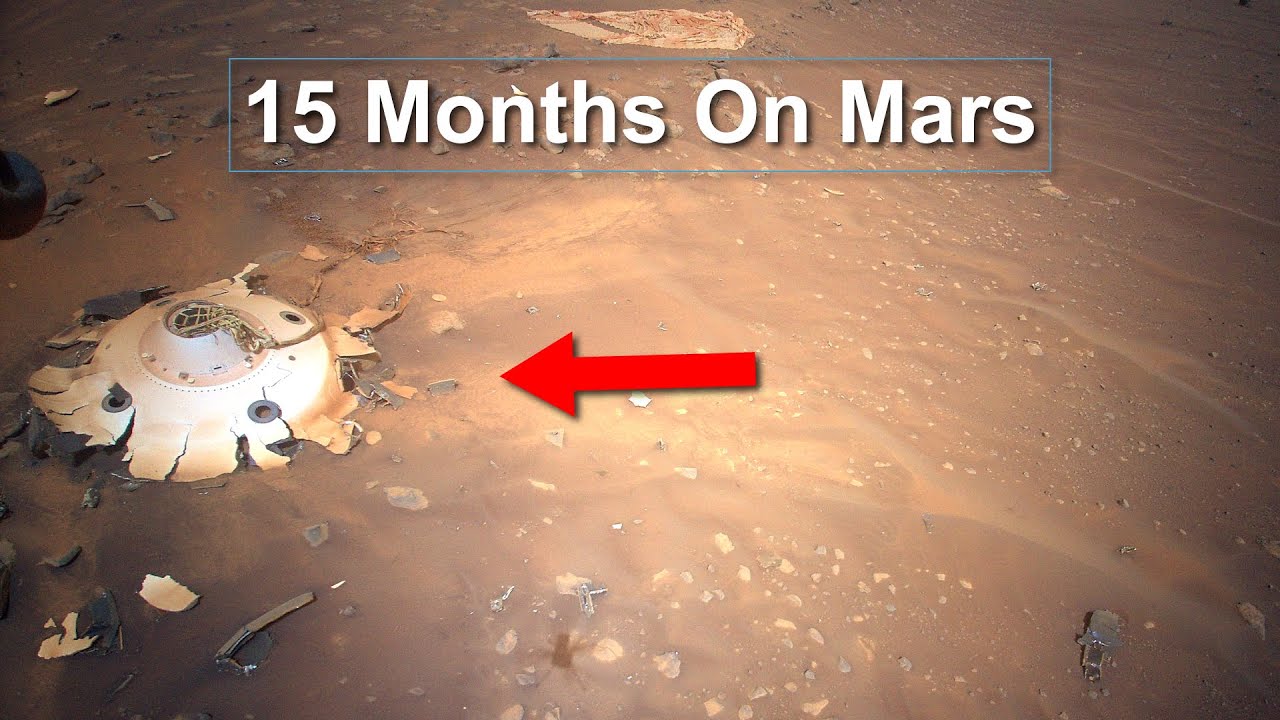
into the Martian atmosphere then it used a huge parachute to slow down while still high up in the sky but the really cool part came next instead of landing on wheels or legs perseverance was carefully lowered To The Ground by a kind of flying crane with rocket engines this sky crane flew the Rover down to its landing spot and then then once the Rover touched the ground the crane flew away to crash land a safe distance away this incredible technology was first used with the Curiosity Rover but for perseverance it was tweaked and improved to
deal with the tricky and uneven ground of jeso crater this method is amazing because it allows scientists to Land Rovers in places that are much more interesting and much trickier to reach than ever before before the sky crane Landing sites had to be wide flat and kind of boring to avoid crashing but now with this new technology we can land in places that are much more exciting for science like jezero crater with its Cliffs sand dunes and Boulder Fields the sky Crane's success shows how clever Solutions and bold engineering can open up new possibilities for
exploration thanks to this technology perseverance can start its mission right in the middle of a fascinating landscape right after perseverance landed it quickly switched from its Landing setup to being ready to explore like flipping a switch from being a passenger to being a driver one of the very first things it did was to use its Hazard cameras these aren't ordinary cameras they special eyes that help the Rover see the dangers and obstacles around it on Mars think of them like the Rover's own version of a safety helmet with a built-in flashlight they take pictures of
the ground and rocks nearby so the team on Earth can figure out where the Rover should go and what it should do next these first pictures are super important they're like the Rover's first glimpse of its new home and the first chapter in the story of its Adventure on Mars they help the team back on Earth make sure the Rover landed safely and is ready to start its Mission plus they give everyone a sneak peek at the Martian landscape almost as if we're right there with the Rover but perseverance isn't just on Mars to take
photos it's there with some big goals it's like a scout leading the way for future astronauts the Rover's job is to learn all it can about Mars's past like a detective solving a mystery but it's also there to test new ideas and equipment that could help people visit Mars one day one of these tests is the m e experiment this is a really cool piece of tech that tries to make oxygen out of the Martian air which is mostly carbon dioxide if it works this could be a game Cher for future astronauts who will need
oxygen to breathe and to fuel Rockets to fly home or explore further then there's the job of collecting samples from the Martian ground and rocks perseverance is picking up pieces of Mars to bring back to Earth on future missions this is like collecting souvenirs but way more important these Martian rocks and dust could tell us secrets about the planet and whether there was ever life there next up join perseverance as it takes us on a Scenic tour around the exciting and mysterious jezero crater on Mars chapter 3 Mars up close a 360° at the edge
NASA's perseverance Rover is doing a fantastic job moving around and looking at Mars it carries many Advanced tools to study the Rocks weather and whether there might have been tiny living things on Mars a long time ago one of the coolest things it has done is take wide circular pictures that let us see what Mars looks like all around these pictures are especially exciting because they show the area of Mars called the jezero crater which has a lot of interesting things to look at the wide pictures perseverance sends back let us see the Mars surface
in a full circle from where it landed to make one big picture it takes 142 smaller ones and puts them together this lets us see everything from the edge of the crater to the walls of an Old River delta far away the camera is really good and can show things as small as a pencil eraser close to it and as big as a car when they are farther away this helps scientists understand what Mars was like in the past even though other NASA Rovers have taken pictures like this before the photos from perseverance are special
because they show us new places on Mars from where it is exploring inside jazero crater these images help everyone from scientists to regular people feel like they are really Walking on Mars and looking at its surface it's like having a window to another world showing us the beauty and secrets of a place far away from Earth perseverance the Mars rover has come across many different types of rocks and ground layers these findings are like clues that help us understand the history of volcanoes and water on Mars the Rover has a special tool called super cam
this tool is pretty amazing because it has a camera a laser and different spectrometers it uses these to look closely at the Rocks on Mars and figure out what they are made of when perseverance finds rocks that came from volcanoes it's a big deal these volcanic rocks tell scientists that there were volcanoes in that area a long time ago studying these rocks helps us learn more about Mars past like how and when these volcanoes erupted this is like being a detective but instead of solving crimes perseverance helps solve mysteries about Mars the Rover has also
spotted layers of rocks that were formed in a different way these are called sedimentary layers they're really important because they suggest that water used to flow there imagine rivers or lakes on Mars leaving behind sand and mud that turned into rock over millions of years these layers are like pages in a book each one telling a story story about what Mars was like in the past the perseverance Rover has a very important job on Mars not only to take a look around but also to pick up pieces of Martian rocks and dirt what makes this
really exciting is finding stuff like silica and phosphates in those Marian samples silica is a material we often find around hot springs on Earth places where tiny life forms can live finding silica on Mars makes scientists wonder if Mars could have had warm life-friendly spots too then there are phosphates these are special because they are a big part of DNA and RNA the stuff that all living things blueprints are made of if phosphates are on Mars it means that Mars might have had the right ingredients for life to start just like on Earth but here's
the thing the perseverance Rover is collecting these samples so that one day they can be sent back to Earth that's when the real detective work begins scientists back on Earth can look at these samples in ways that perseverance can't do on Mars they're going to use all sorts of tools and machines to get as much information as possible out of these rocks and dirt these detailed studies back on Earth are going to help answer big questions was Mars a place where life could have lived were there tiny microbes on Mars a long time ago understanding
this is not just about Mars it's about figuring out how life starts in the universe and whether there could be life on other planet planets let's explore the old times of Mars where there might have been rivers and maybe even life making us rethink what we know about this dry red planet chapter 4 Mars tracing the trails of ancient water the latest research and missions to Mars are giving us exciting new information about what the planet used to be like it turns out that Mars might have once had the right kind of environment to support
life which is a big deal because it changes everything we thought we knew about Mars this chapter CH is all about looking at the signs that point to Mars having a very different past one of the biggest discoveries is that Mars likely had water like oceans lakes and rivers a long long time ago this idea comes from lots of Clues gathered by space missions using satellites that orbit Mars rovers that travel across its surface and Landers that touch down on the planet these Clues tell us that Mars wasn't always the cold dry place we see
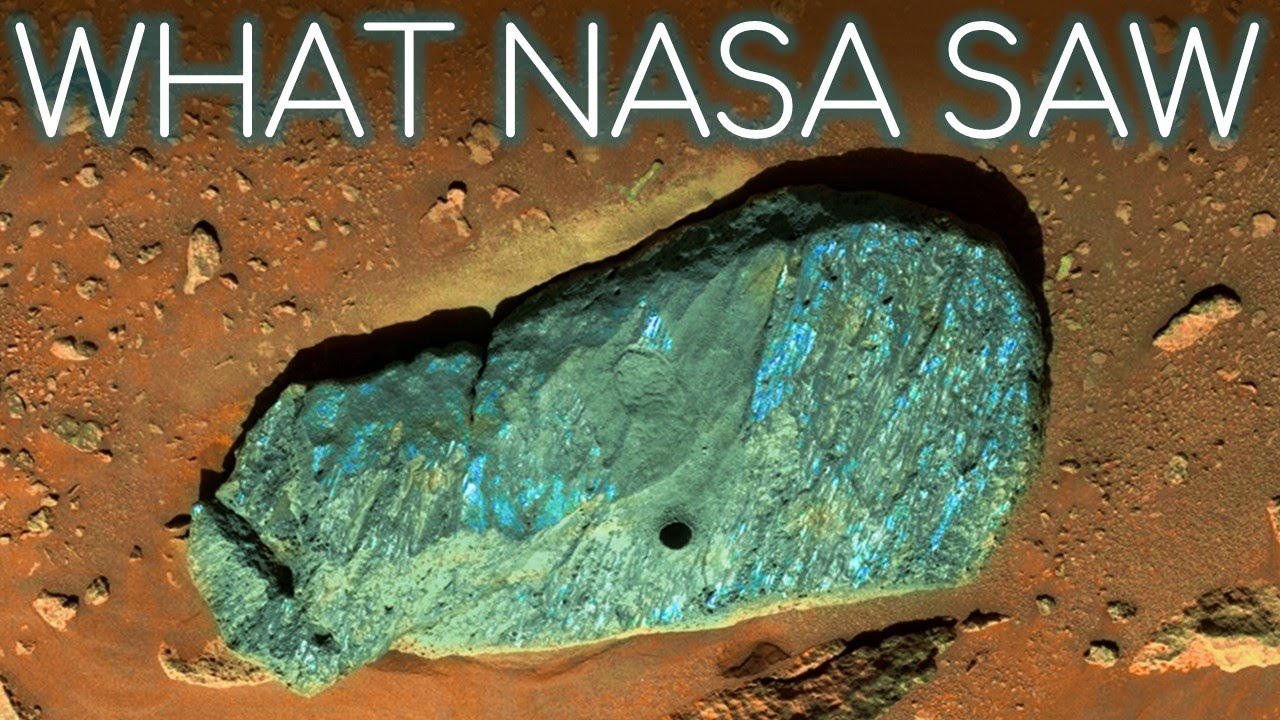
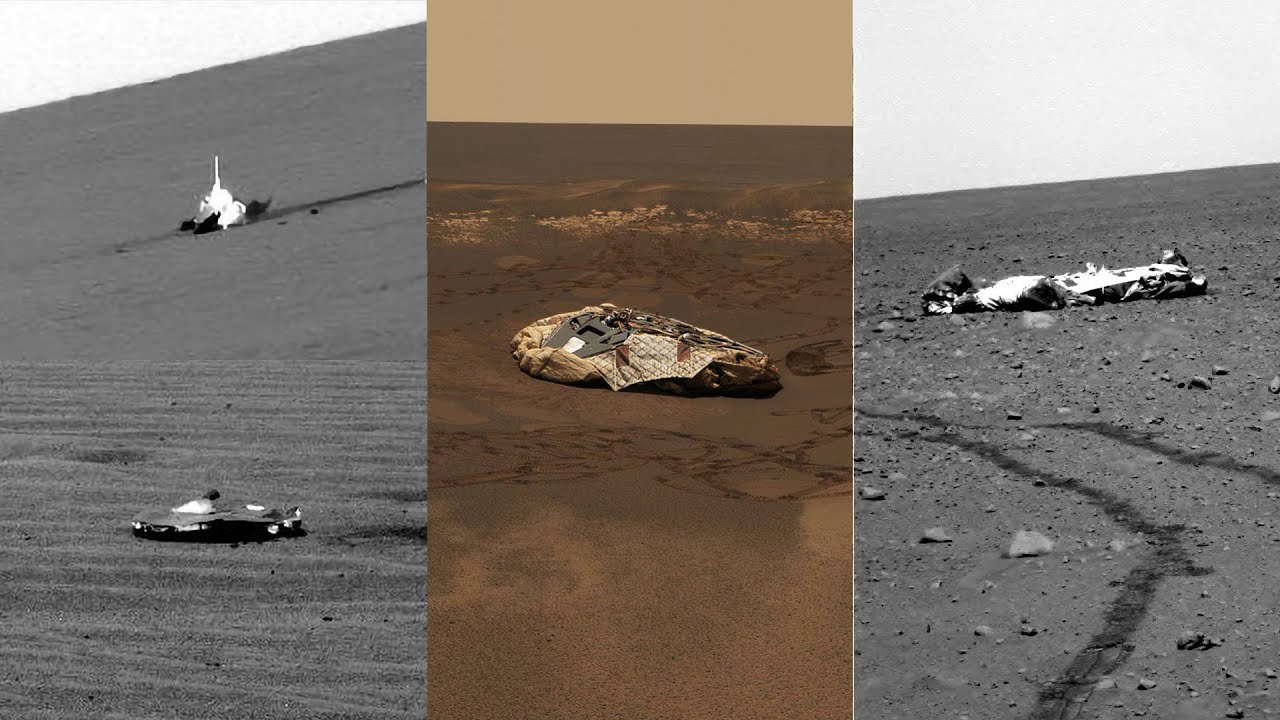
now instead it might have been a place with enough water to support life similar to Earth when scientists look at rocks from Mars like the ones the opportunity Rover found they see patterns and shapes that usually only form in water they found rocks laid out in layers which is something that happens when sediment tiny bits of rock and soil gets moved around and deposited by water like in rivers or at the bottoms of lakes some of these Rock layers are even shaped like the Deltas we see at River mouths on Earth suggesting that water was
flowing and spreading out dropping sediment as it went not only that but the rocks on Mars have minerals in them like Clays and sulfates these minerals are exciting because on Earth they usually form when there's water around finding these minerals on Mars is another hint that there were once water bodies there this is a big clue because all the living things we know about need water to survive so what does all this mean for Mars's ancient environment if Mars had water it's possible that the planet could have supported life forms especially simple tiny ones like
microbes imagine Mars could have had its own tiny creatures living in its lakes and rivers just like the smallest forms of life found in water on Earth but there's more to the story than just finding water scientists are trying to figure out how long this water was around how much there was and what the climate was like did Mars have the right conditions for life for a long time or were these conditions very shortlived these are hard questions but they're important because they help us understand not just Mars but but life itself the discovery of
signs of ancient water on Mars isn't just a cool fact about another planet it's a clue that could change how we think about life in the universe here's why on Earth life is pretty much everywhere there's water from the deepest oceans to the tiniest droplets trapped inside rocks if there's water there's often something living in it this makes the old rivers lakes and maybe even Seas on Mars super interesting because if there was water maybe just maybe there were also tiny forms of life this idea has gotten scientists really excited about Mars especially those studying
astrobiology which is all about life in the universe they're starting to think that Mars might not just be a cold dry Rock spinning through space instead it could have been a home to Tiny living things similar to bacteria on Earth and here's something else the Mars rovers and orbiters have found organic molecules on Mars organic molecules are the building blocks of all Life as we know it now just finding the these molecules doesn't mean there was definitely life there because these molecules can also come from non-living processes but still it's another hint that Mars could
have been alive once upon a time but where could this Martian life have gone if it ever existed Mars today is pretty inhospitable on the surface but what about underground just like Earth Mars could have layers beneath its surface where tiny life forms found a safe spot away from the freezing temperatures and radiation on the surface these hidden spots could have everything tiny microbes need to live like water and food from chemical reactions even without any sunlight on Earth we found life in some really unexpected places like deep under the ocean floor or in boiling
hot springs in Yellowstone Park these creatures don't rely on sunlight instead they get their energy from chemicals in their environment scientists think that if there was Life on Mars it might have survived in similar hidden underground places munching on chemicals from the Rocks this idea isn't just wild guessing it's B based on real science researchers have been studying places on Earth where life survives in extreme conditions and they're using what they learned to figure out where we might find Life on Mars the idea that there could be a deep biosphere on Mars similar to the
deep dark places where life hides on Earth is a GameChanger it means that life could exist in places we've never even considered before both on Mars and on other planets so why does all this matter well if Mars once had life it would show that Earth isn't the only place in the universe where life has appeared it would mean that life might be more common in the universe than we thought every discovery about water and possible Life on Mars brings us closer to answering one of the biggest questions humans have ever asked are we alone
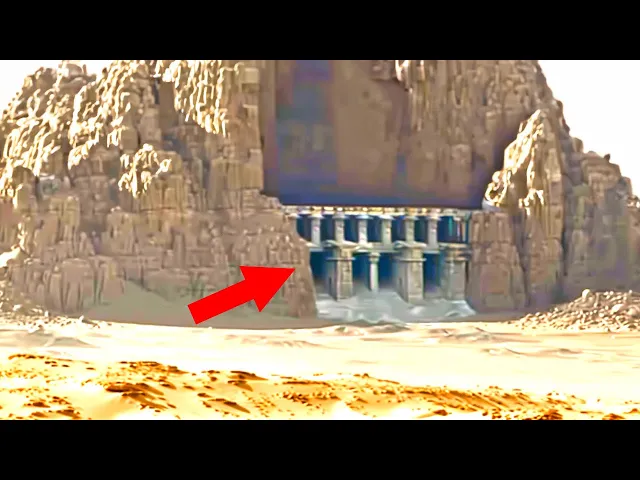
in the universe the search for Life on Mars is more than just a scientific Quest it's a search for understanding our place in the cosmos it's a big exciting puzzle and with each new piece we get closer to seeing the full picture step into a world of guesses and amazement where strange places like marshen and other odd shapes on Mars make us wonder if there was once a civilization there chapter 5 a man-made monument marshen in the vast mysterious expanse of Mars followers of UFO lore have stumbled upon what they believe is a groundbreaking discovery
they found what looks like a ring of stones arranged in a circle on the Martian surface which they've playfully named Marsh henge after the famous Stonehenge Monument on Earth this exciting find has sparked wild ideas and debates among enthusiasts some of them think these Stones could be the leftovers of an old Martian Society they wonder if this could mean Mars had its own Stonehenge maybe even connected to ancient Earth cultures or perhaps built by visitors from our planet a long time ago people who love this Theory have been talking about it a lot suggesting that
this Stone Circle could be a big clue to a long-lost martian civilization they imagine what kind of life might have existed there and whether it had any contact with ancient earthlings the idea of a secret history linking Mars and Earth is thrilling to them and Maring feels like a piece of that puzzle however not everyone is on board with this Theory most scientists and researchers the ones who spend their lives studying space and planets are pretty skeptical while the discovery is undoubtedly interesting these experts aren't convinced that maren is evidence of an ancient Martian Society
instead they suggest that excitement and Imagination might be getting the better of people in the red deserts of Mars some people have found what they think are signs of an old smart Society they look at pictures taken by NASA and see shapes that look like pyramids and even statues that seem to have human features these images have set off many stories and ideas about what might have been on Mars a long time ago some space fans are sure that these shapes and figures are too perfect to be accidents of nature they believe these could be
the leftovers of build buildings and art from a time when a clever Society might have lived on the red planet this idea has led to a lot of talking and guessing people who love these theories say that Mars wasn't always cold and empty they imagine a time when it might have been full of life with its own cities and art much like the ancient civilizations we know from our own Planet but not everyone agrees with these ideas the world of science filled with experts on planets and life beyond Earth is more careful these scientists look
at the same pictures and see a different story they talk about how the planet Mars has been shaped by wind dust and time they explain that the shapes we see which some think look like pyramids or faces could have been made by natural things like wind blowing the sand and rocks for millions of years they say that these natural ways of changing the land can make shapes that seem familiar or special to us even when they're just regular rocks or Hills natural ways of changing the land make shapes that am special to us even when
they're just regular rocks or Hills these scientists also talk about something called paria this is a big word that means our brains are really good at spotting patterns especially ones we've seen before like faces or common objects it's the same thing that happens when we look at clouds and see shapes like animals faces this trick of the mind can make us think we're seeing something familiar like a face or a pyramid even when you're just looking at rocks and shadows is the from Mars's perseverance a groundbreaking discovery or is there more to the ey could
this change everything we know about life beyond Earth or are we just scratching the surface of a much deeper Myster share your thoughts and don't forget to like And subscribe for more Cosmic updates and [Music] insights