These fungi have been giving us humans mind-expanding trips for millennia. They grow all over the planet but are illegal almost anywhere you go. During the Spanish Inquisition they were even denounced as a tool of the devil, but today we know there is much more nuance to these magical mushies.
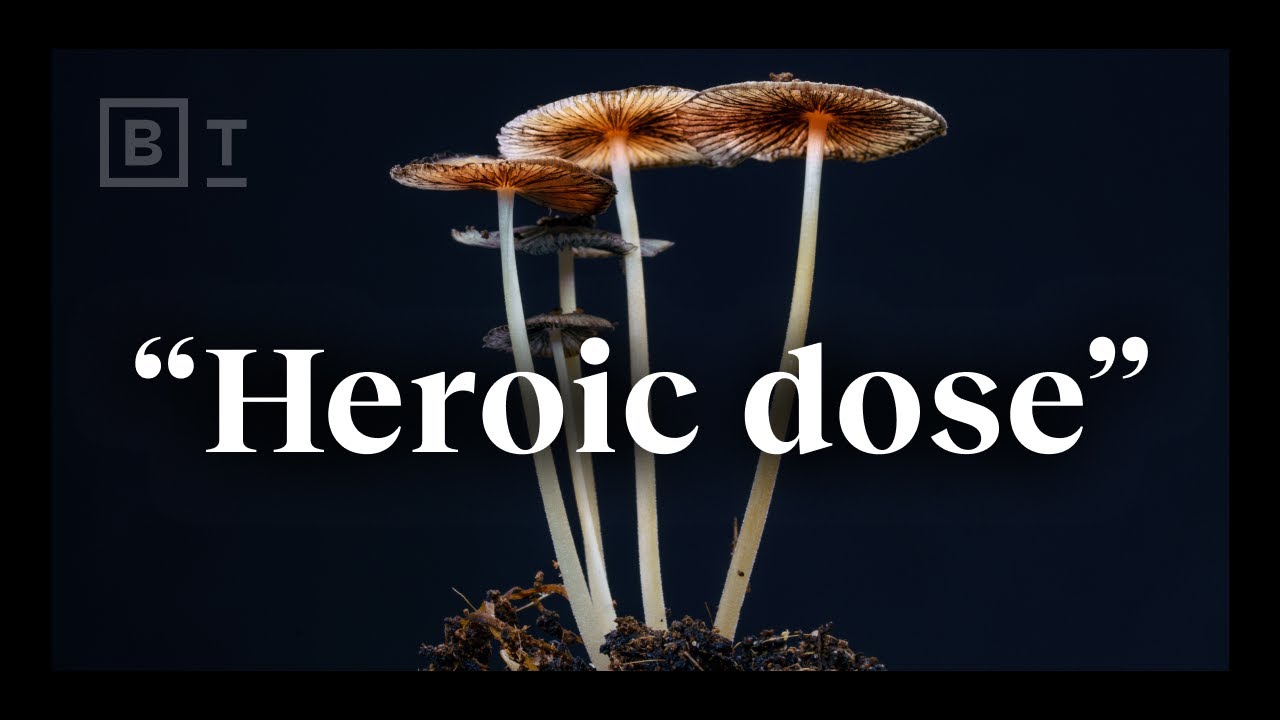
This is the psilocybin mushroom. [Intro Music] Hey! I'm Tasha the Amazon and you're watching Floralogic.
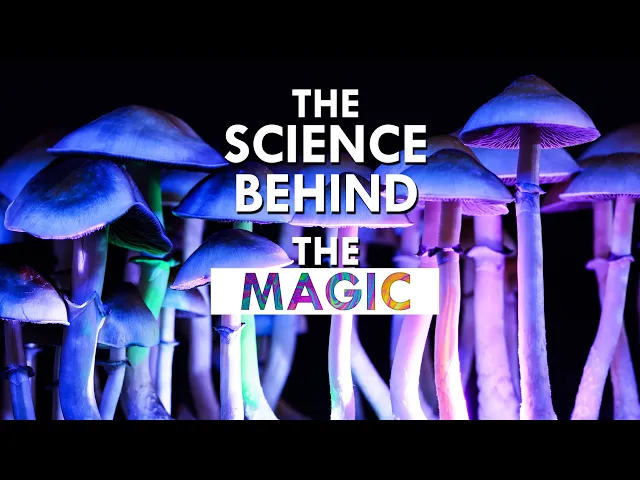
Today we’re taking a trip with the world’s most fantastical fungi: Psilocybin mushrooms, better known as magic mushrooms, mushrooms or ‘shrooms. Psilocybin mushrooms actually refers to about 200 different species of mushrooms that grow all over the world. When eaten, psilocybin mushrooms cause a psychedelic effect that's experienced as hallucinations, euphoria, altered thinking and changes in perception and mood.
The compound in magic mushrooms that make them so magical is their namesake psilocybin. Once ingested, the liver converts this compound into another called psilocin. Psilocin molecules are almost the exact same shape as serotonin, the neurotransmitter that regulates mood.
Because they're so similar, psilocin can dock itself into the serotonin receptors in the brain causing euphoria and all the other common psychedelic effects I mentioned. [Music] Fungi are the primary source of naturally occurring psychedelics in the world. And the most potent of them belong to the genus Psilocybe.
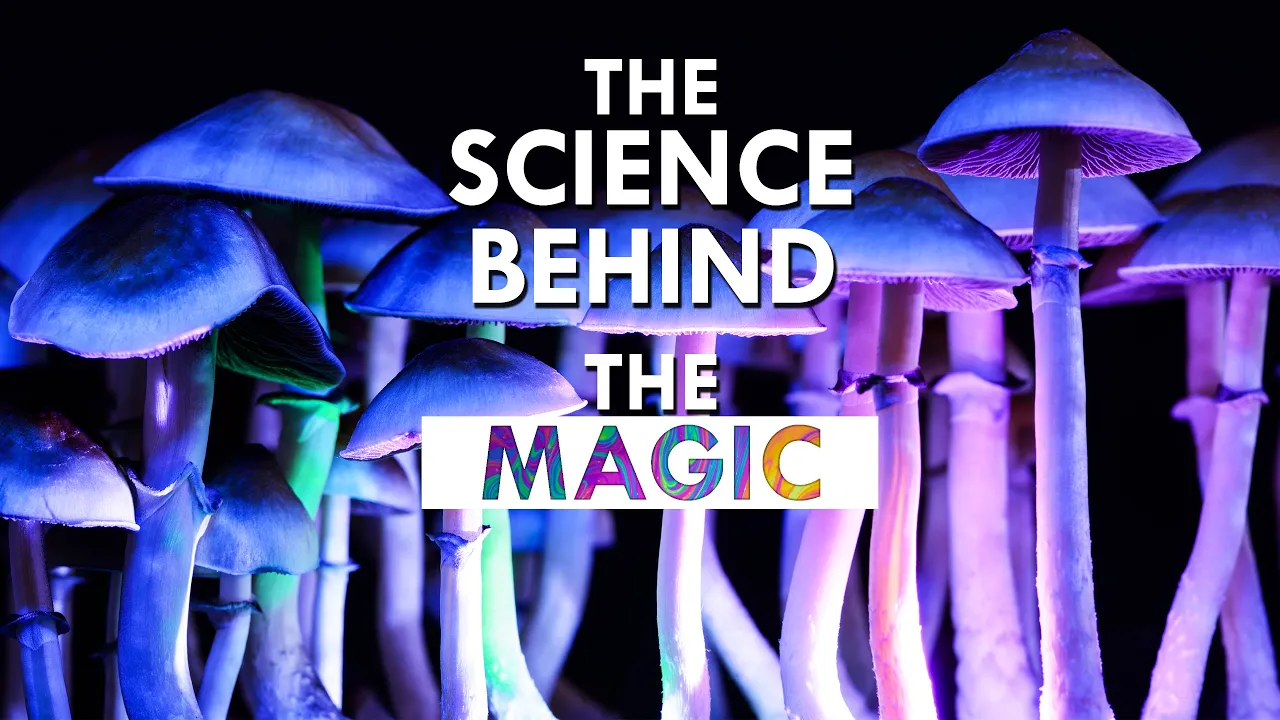
Despite the power they pack to send you sailing on a riverboat ride through your own mind, these little brown mushrooms are quite understated at first glance. But bruise or crush them and most species of this genus will turn a characteristic deep blue. I’m not gonna lie, watching a mushroom turn blue sounds like what happens after you eat these psychedelics.
“To fathom hell or soar angelic / just take a pinch of psychedelic” wrote psychiatrist Humphry Osmond to author Aldous Huxley after coining the term in 1956. The word psychedelic comes from the Greek psyche for “mind” and delos “to show”. And that idea of looking inward has fascinated us humans for millennia.
ndigenous communities in the Americas have been using psilocybin mushrooms for thousands of years in traditional practices and for medical purposes. The Aztecs called these sacred mushrooms “Astonishing Gifts from the Gods”. During the Spanish Inquisition, which began in 1478 and was created to enforce Catholic orthodoxy, all cultural practices involving indigenous belief systems were outlawed in the lands the Spaniards invaded.
They promptly mistranslated the Aztec name to “Flesh of Gods” and these sacred mushrooms were instantly declared 'blasphemous' and a tool of the devil. This gift of the Gods was forced underground for hundreds of years, yet another victim of violent colonialism. Its common use today is similarly thanks to exploitation, but this time it came about through cultural appropriation.
Mainstream popularity of mushrooms began after the publication of a Life Magazine article in 1957 by a former banker that detailed the sacred mushroom ritual of the Mazatec people of Mexico. Despite promising his guide that he wouldn’t share the secrets of that ritual, he published anyway and interest in these hallucinogenic mushrooms instantly spiked. Just two years later, Sandoz pharmaceutical had isolated, synthesized, and patented the extraction process of psilocybin.
That Life magazine article, which actually coined the term “magic mushroom” inadvertently made psilocybin mushrooms an instant counter-culture success, beloved by the hippies of the 60s. This then directly led to mushrooms being included in the Controlled Substances Act of 1970 in the United States and being classified a schedule 1 drug. Schedule 1, which includes heroin, LSD, ecstasy and marijuana, means that magic mushrooms are categorized as having high potential for abuse with no medicinal use.
Despite being classified as a Schedule 1 drug, it's difficult to overuse mushrooms and physical or psychological dependence is essentially unheard of. Mushrooms have low toxicity and are generally well-tolerated. A 2016 study found that of 12,000 users, only 24 reported having to seek emergency medical care after taking mushrooms.
Overdose for some drugs means death, but in the case of ‘shrooms, overdose can be described as a very very bad trip. Expect intense and terrifying hallucinations, panic attacks, vomiting, diarrhea, paranoia, and sometimes even psychosis. An overdose usually lasts 6-8 hours but can take upwards of several days to completely fade.
Like all hallucinogens, tolerance is built quickly, so the more you take, the more you’ll need to take next time to experience the same result. This increases the risk of overdose since the potency of mushrooms can vary. The biggest risk of taking ‘shrooms is actually accidentally eating a poisonous species, which outnumber psilocybin containing mushrooms about 10 to 1.
While other toxic mushrooms may also give you a trip, they can cause anything from gastrointestinal distress to kidney failure, depending on the species. The long and short of it is that mushrooms will probably not cause your untimely passing. In fact, they may even help cancer-patients cope with the knowledge of their impending death.
Researchers at John Hopkins Medicine compared the psychedelic and near-death experiences of 3000 people and discovered these people all had similar positive feelings about death. Both groups reported gaining personal and spiritual meaning as well as psychological insight after their respective experiences. Those results dovetail nicely with another recent study that showed that a single treatment with psilocybin in patients with life-threatening cancer created long term decreases in depression, anxiety, and fear of death and increases in death acceptance.
This is just the beginning of promising research looking at treating a range of mental health disorders with psilocybin Attitudes toward this banned fungus are starting to shift as governments begin to embrace the potential medicinal and therapeutic benefits of psilocybin mushrooms. In the US, for example, psilocybin mushrooms have already been legalized in Oregon and Colorado. A handful of countries around the world also have a range of laws legalizing or decriminalizing mushrooms, While others have laws in place that are essentially unenforced Though their name makes them sound like something from a Tolkien novel, magic mushrooms are not as mythical as their name implies and can be found quite easily around the world.
Two species of magic mushrooms, Psilocybe cyanescens and Psilocybe allenii, for example, love wood that already has most of its nutrients removed. This means they frequently pop up right under people’s noses in the wood chips of urban gardens in the US Pacific Northwest. These species have even been called synanthropes, organisms that love places built by humans for humans.
And given their long history of use, I have a feeling magic mushrooms are going to keep accompanying us humans on our trips. [Music] So what should we talk about next? Let me know in the comments and don't forget to subscribe for new episodes every week!
Bye! [Music] No mushrooms were consumed and the filming of this episode. .
. or were they? Ohohohoho [Deep, distorted voice] What's happening?
? [Funny mouth noises] [Giggling] What? Hehehehe My eyes went weird there.
[Humming background noise] [Singing cheerfully and goofy] The end. Bye!