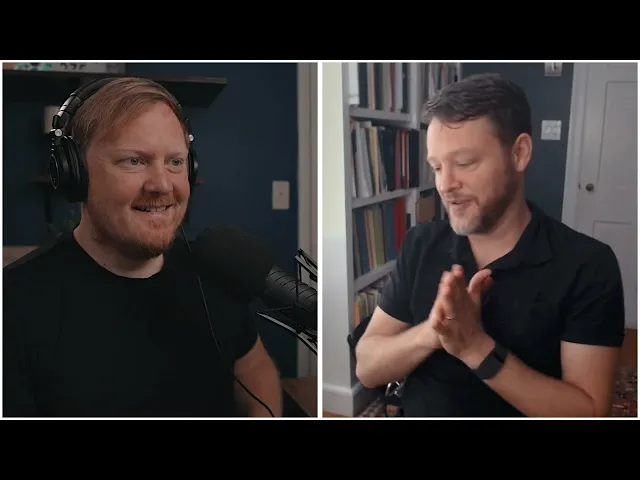
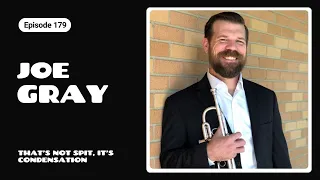
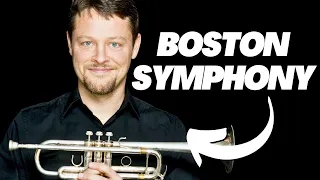
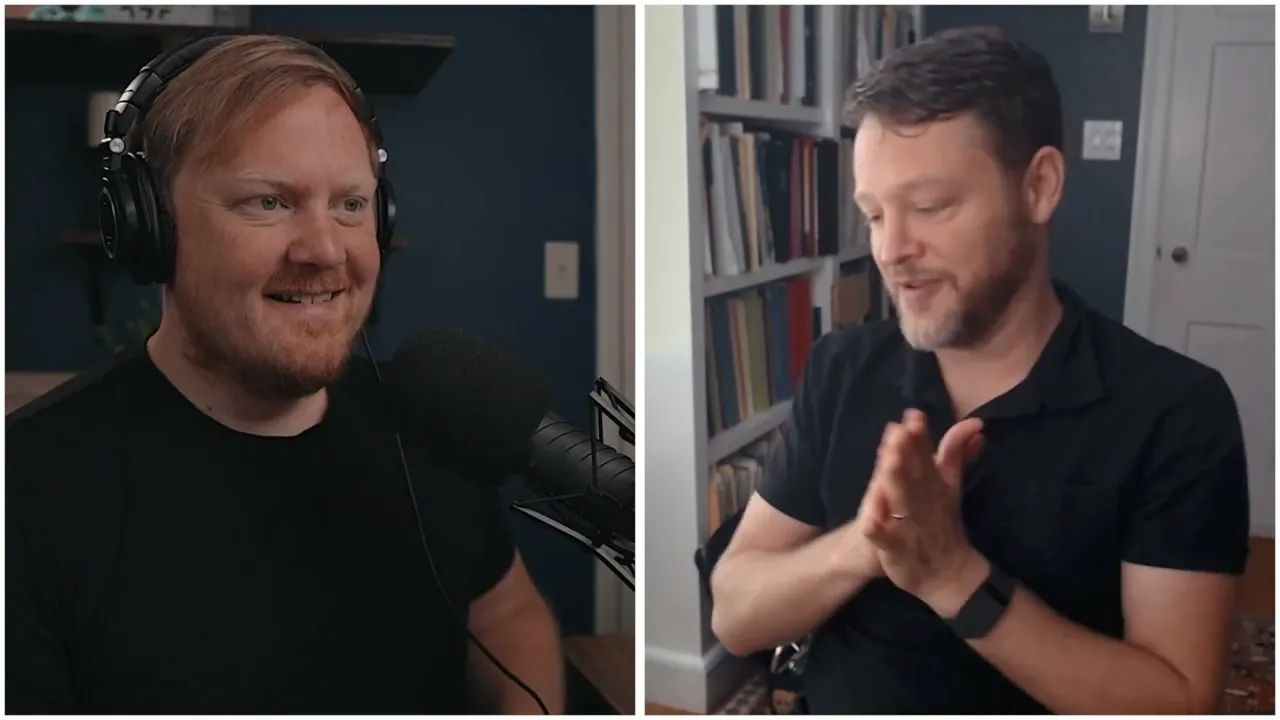
Hello and welcome to that's not spit it's condensation I'm Ryan Beach and today I am joined Again by my friend Ben Wright uh we did an episode some time ago I have no idea could have been a year it could have been 10 years but some time ago or we did an episode something yeah and uh Ben is a member of the trumpet section of the Boston Symphony as well as a teacher of trumpet at NEC uh Ben has also been Posting a ton of content on his Instagram uh during the pandemic if I'm not
incorrect uh you started to Branch out and actually do a fair amount of online coaching and you you branded it as T5 training trumpeters to train themselves if I'm not incorrect about that and then developed a library my assumption is to be able to just provide access to your type of teaching without you having to be there for that yep uh I want to talk about all of that but I'd Like to save it for the end so we can kind of get into the meat of the episode episode so before we get into the
meat of it I just want to say thanks for giving me your time I know you're a busy individual lots of people asking for your time so it means a lot that you give me some thanks absolutely glad to be here um the premise of it of this episode is going to be about trumpet pedagogy and how we make decisions in Our practice session and not not so much what our practice strategies but maybe when to employ those practice strategies and maybe if there's an order of operations so we can think about how to be
very efficient with our time so the way to start it out I suppose is you pick up a piece of music or an excerpt or something that you don't know at all and you're looking at it for the first time what would be the first thing you would do or what would be the first Thing you would encourage somebody else to do when they get started learning it yeah it's a good question uh and I love the topic so um this for me most commonly happens when we're playing uh new music so most of the
time when I look at are uh the Boston Symphony schedule I see um I see stuff that I know so you know generally the the meat of the program the main course of the program for you vegetarians is uh a symphony That somebody's heard or canar it with a big soless or something like that so then what I'm looking for is uh I'm looking for names like Thomas Otis uh I'm looking for uh uh Augusta Reed Thomas I'm looking for composers whose pieces I know tend to be kind of hard and so then I'll grab
that part I don't uh I know all the I mean I've been playing the standard repertoire of a major worksh for 20 uh four 203 years um so I don't generally have to I mean if It's something tricky that comes up I'll look at it uh you know petruska second trumpet has got some stuff um Etc but generally I kind of just leave that for the first rehearsal so I look at a new piece and uh first thing I'm going to do is open you know open it up and see how much black there is
on the part if there's a lot of black uh you know it catches my eye and I'm like oh I got to look at this um now I am not a good site Reader as Tom rals can tell you um and everybody that I play with so Tom rals Tom ciders and Mike Martin they are just stupidly good site readers um I don't know why that is I mean actually I know why that is Tom Tom grew up playing in a Paula band so he had to read different charts every time um by the way
I think he had some sweet later hosen for that gig um I I have asked him many times to to to show up to an audition wearing those lat hosen and he He's he's passed um I grew up I grew up uh Suzuki violin was my first um kind of dojo for for playing an instrument and that um besides uh prematurely aging my parents was not good for site reading fantastic for ear training and uh musical development but not great for for uh I didn't read music for the first four years right so anyway so
I have to take the music I I look at how hard it is and I'm good enough to sight read a lot of stuff but uh an Augusta read Thomas piece or a Thomas ois piece generally I'm not so I'm going to take it and the first thing I'm going to do is I'm going to learn The rhythms right so uh I'm going to learn The rhythms I'm going to look for difficult fingering passages I'm going to look for um other high notes uh you know how in shape do I have to be to play
this part so now when I was younger I'd be like what is this guy talking about he has to be in shape well I mean look you you get you know I'm 48 years old I have 14year old Twins and a lovely wife and I have a uh I have a life outside of the orchestra and so I have to make sure okay uh if we're going to play uh Thomas ois Aila uh which is plural for Asylum and has some of the craziest trumpet parts I've ever seen um I got to be really ready
um yeah so the first thing I'm going to do is I'm going to look and I'm GNA uh just see about the rhythms and then I'm going to start practicing it uh if it's f fast and Technical I'm going to practice it slow and slurred right and I get the Topography of the of the lick you know whatever it is um if it's a if it's a series of like we play um some Carlos Simon stuff recently which is fun um and he likes to play around with kind of Jazzy rhythms that are uh what's
the what's the word not uh native to my musical language uh sure sure I I would say that Tom ciders can swing really hard on the trumpet uh I wouldn't say That I do that I can follow him quite nicely but uh um uh it's not my my regular thing so I would spend a lot of time like learning The rhythms uh you know because when it comes down to it being practical you don't want to play in the holes so don't play in the empty spots uh and and then slur right so and then
start to build it up if there's multiple tongueing involved I'll I'll I'll again I'll start with the slur and I'll also multiple tongue really slowly Um so that I'm always trying to incorporate as many elements of the final product into the slow practice I hear way too many people pick up the part and kind of stumble through just to get the notes they're most concerned about the pitches and pitches are important for sure but the structure is way more important especially if you only have you know uh a new piece we might have a a
Read through on Tuesday maybe a rehearsal on Wednesday and then and then the run through on Thursday and then we play it Thursday Friday Saturday so there's no you know you have to be practical the first thing is the Rhythm uh you know second thing is uh making sure you're close and then and then you try to dial it in um and ideally if I there's something really hard on the schedule I sort of look at had it a few weeks in advance I'm like oh that's on My radar I got to I got to
I got to learn that slowly so I'm not trying to cram it like ciders is freaking incredible he'll just be like I'll be like hey did you look at this piece next week it's kind of hard he's like oh no no I haven't done that um you know part of that is he has really young twins so he's he's completely he's in the middle of the the blank storm right now do we swear on this or it's not like no probably not a swearing podcast I try Not to but okay okay you know we want
it to be real and authentic no I mean that'll be hard for me I I tend to swear quite a lot um uh my kids ask me often do you really think that makes it more effective Dad okay anyway so uh that's how I'd start what what else are you looking for here I'm curious no that's really great um I think what I one of the things I liked about what you described for for slow playing is that you're trying to get the topography Which is maybe your way of saying for me is just getting
like the architecture or it's like you're trying to get the picture of what's happening in your brain before you really start trying to like dial in and refine the pieces yeah cuz I'm sure you would agree no that's good um uh even more important for me is okay so much of what we do with the volume of Music we play and and even saying that I know that Freelancers often will play way more than what I do So but what I do is it feels like a lot of volume to me meaning a lot of
stuff so I want to make sure um I can be as efficient as possible so for me Topography is how high and low is it how much am I leaping you know how much effort do I need um and and the overall structure excellent too the other thing that I try to do is generally I try to stay true the dynamic and the character as I'm playing slowly I don't like try to add those later um it's hard to add a Lot of like P power and uh Force when you're playing slowly because there's just
you do things kind of differently um so it's you know if it's supposed to be really like you know like bone crushing loud I don't necessarily do that the whole time um but if it's supposed to be soft I do try to practice it soft yeah so one of the things I want to dig into for you personally and then maybe we could also talk about how you May recommend other cuz not everybody's going to be at your skill level right you're sort of acknowledging that your ability to read and then your experience in and
of itself is you've done a lot of some of this work that we've talked about over the years yeah sure for something like s for something like site reading specifically if some if you're if I would agree the ability to site read helps tremendously in the amount of material and you have way more than I do Obviously um what kinds of tips and if the answer is just do it more that's an acceptable answer but what kinds of tips you have for people who want to develop this ability to site read so that they not
so they can get better at all state things but they have a more reliable starting point when they're trying to learn lots of music yeah uh good um and thanks for asking me to rewind a little bit um okay so if I have a young player who's uh not maybe they need to improve Their site reading um I'll just turn to the back of the arbin book to the songs and say okay what's the first thing that you look at well key signature um you know if there's some Italian directions on what the speed is
you know Adagio Andante Allegro aletto Largo um Etc um you want to try to understand I mean it's like kindergarten you want to follow the instructions right so some composers are really specific with their instructions some Composers are not but that's the first place you look is what's the key thing what's the time signature what's the speed of the music and if you can tell the mood of the music if it's Dolce that's pretty obvious um if it just says Alig gretto you know you don't really know if it's in three4 and it's Alig greto
then maybe oh maybe that's a wall it's one two three one two three whatever then you look for the fastest notes in the piece right so you you try To find okay this looks like the hardest thing looking at it it's a little bit gnarly with the fingers I have to make big leaps or whatever that's where I set my tempo for my sight read right so to me the most important thing about side reading is choose the speed you can kind of play and then don't stop right do not go back and fix that's
I think that's as as much of a universal rules you can find with site reading is just go through it um be okay with missing notes Be okay with missing rhythms try to keep whatever the tempo is Chris gaker was one of my uh uh huge influence on my playing I just studied with him for a summer but he always liked to associate a physical movement with a Tempo so you know he would probably say and and I would agree with him when you sight read put the tempo in your feet you know really or
tap your toe you know don't always do that Because then your colleagues will get annoyed with you and reach over I used to do that with you know it's like did I do that yeah yeah yeah my first gig at the Kennedy Center Tim White used to tap his foot all the time and be like hey cut it out once I had 10 anyway so um yeah so is that so yeah so I would say like that's the first thing figure out where the fastest bits are and choose your Tempo from that um and don't
be overly I would say if somebody Reading something I'd rather hear them play it a little on the slow side correctly or more correctly than playing it too fast and stumbling through it or stumbling through the whole thing yeah and you would agree that spending time specifically trying to develop your site reading abilities would be a valuable way to spend your time yeah so my dad is like a was like a lights out clarinet player he he he's mostly retired now really great Claret Player so I grew up in a musical house and he he
taught at the local college and played in a quite fine Regional Orchestra so I got a lot of advice growing up um and I knew I couldn't sight read my way out of a paper bag I was I was just lost like I would constantly ask my first teacher Mr buron could you play that for me he'd be like you know Benjamin just this one time he would always do it just this one time but you really need to learn how to you Know read the music um and so um you know Dad came home
one day and and he had a stack of John Philip soua trumpet parts because he uh at one point was the director of the Wind Ensemble at the at the University where he taught and he's like you need to read through one of these every day and it was like awful just awful and I still have a hard time reading Susan marches which is ironic since I'm playing the Boston pops and we do play some souz marchas um but that Was yeah I mean if you need to develop a muscle you need to exercise it
so yes I would start you know as a young player you know start with a really basic um atud book you're not you know familiar with like if you don't have the conone book you could read the basic concone udes um what's the other one there's a whole series of them whatever like it doesn't just simple songs relatively tonal you know and then then you progress I mean you know as you Get more advanced and you get in college maybe you go to Conservatory you start reading things that are not tonal and that's when it
becomes very challenging I have students sing things a lot um part of the reason for that being that the trumpet is not in tune the way it's built um but HTH used to tell tell me that his trumpet was tuned at the factory um sure sure uh I played with him for for his last year in Chicago and that was I had lots of um learning Experiences like that um but if we teach ourselves to to to to be in the habit of singing first of all it helps immediately for as a teacher like if
I ask a student sing something they're like like they can't quite Center on the pitches like oh okay you need to spend some time on the on building up your ear training you play a note on a piano and you sing it and then you play that note on the piano and then You play another note on the piano and then you sing the two notes and you sing the leap um and then you start to develop sort of relative pitch so that you can play in tune with yourself um so with site reading eventually
you want to try to give yourself a pitch and you can tap you can thump the mouthpiece and give yourself easy pitch or if you have a piano that's great or keyboard and then you try to sing from one pitch to another um I used to kind Of play tricks with myself with like you know I don't know like maybe it's a bygone thing I bet you had to do chores as a kid right you had chores at home oh yeah yeah oh yeah so I remember like like I would be like vacuuming the stairs
right you know it's not it's not a hardship everybody should do chores but I'm like vum stairs Bor out of my mind and like practicing singing forth in my head or or practicing Clark you know to get the fingerings right so yeah You know you can get better at sight reading I mean my kids both of my kids have perfect pitch it's so annoying so they can sight read anything like my son Ethan when he was playing Mima he could hear a movie theme and he would just go over you know he would like he
we saw Catch Me If You Can he's like like you can just go do that but wow yeah most people can't do that though and and I certainly can So yeah this is great and I I'm I appreciate you sort of digging into site reading because it sounds like again to some greater extent it's a big part of your ability to quickly learn music and it's like sort of an unspoken part of your process almost right so then when you come to a piece of music that you don't know there's sort of an amount that
you're just not gonna have to worry about because you can read and then on top of that you're then saying okay what Are the things I do need to worry about and then also you know there are some rehearsals and things and you know that especially with a piece that's modern sometimes I'm just like you know what I'm not going to put a lot of effort into this until I actually know what it's supposed to sound like yes in context that's a huge part for me yeah so that's for you which is super valuable let's
talk talk about somebody who may not have the skill that you have Who is going to be experiencing a fair amount of trumpet production related problems or they actually need to work through the process um you know maybe someone that's working through an audition list with you who's having some issues with it when you're first tackling maybe an unfamiliar or very difficult excerpt um do you like let's say something like petruska Revel Pian conero shaherazad things like that and they're struggling Um what some of the recommendations obviously maybe slowing it down will be the first
one but I can't imagine it just stops there so if you can maybe even conjure up working with somebody to kind of walk us through how you may have helped somebody with who doesn't have the same kind of developed skill that you do okay so I had uh a player come to me but s several players come to me uh preparing for the North Carolina Symphony audition which is ongoing Something and this particular player came in and played an excerpt and it didn't sound like they understood the mood that they were supposed to put out
there so if you're playing a piece of music that has been recorded by someone who plays at a higher level than you uh or even just plays well um you should listen to that recording if that's available now for site reading it sounds like we're kind of we're we're Leaving site reading a little bit is that right yeah I'm sort of yeah if that's okay oh please God yeah because I site reading the Bane in my existence uh I mean the first few years playing you know I played I started in Chicago symphany I started
at Rena where you play three different programs a week and I didn't know the standard repertoire like I do now and the same thing in Tanglewood and then Pops Pops used to play like four four programs a week and You do that for uh six weeks in the spring and often we like I remember playing uh Fanfare for uh New England with John Williams conducting he's like you know folks I feel like we just did this last year so we're just not gonna rehearse this and I'm like okay I'll uh go work on that right
so so th those are extreme examples but as far as like excerpt preparation it's an excerpt please please please please don't start practicing it until you've Heard what it's an excerpt from right this particular player had been through a lot of schooling with good teachers um and just uh uh either hadn't had the time or whatever I was like so who'd you listen to play this right and there's a million good orchestras out there um there's also some pretty not great recordings on YouTube right don't choose the first thing you see on YouTube try to
find a high quality example part of the reason I spent hundred of hours Creating my sound truth library and let me just say that the reason why I called the sound truth library is I recorded with the microphone here right so here 18 inches from my bell I measured it once yeah right and the idea was you're practicing something at home you need to hear how that thing is supposed to sound boom you just go to one of the 200 20 videos on my in my library you press play and you listen to it it
Doesn't need to be me could be Dave bil could be this there's a kid in Spain who's putting out of course his name is deluding me right now who's putting out tremendous videos EV every every day could be it could be you it could be uh somebody on the west coast somebody in Asia I I don't care if it's a very high quality example then listen to it and imitate it right until you can do it as well as that person and then move on right like I remember listening to um Phil Smith in the
excerpt CD a CD is a a round shiny object that spins for for our listeners who don't know yeah you you know this you know this you're you're you're just old one yeah yeah yeah anyway but no I remember listening that was my only reference and so I would listen to like I I could listen to him play Leonor 3 and I be like oh and this was like when I was a very Advanced uh student and early professional I was Like oh I I got that I can play that at the same level as
Phil Smith but truska not so much right so you continue to listen to better examples until you can do that well and I feel like there's not enough see it throughness built into the culture right now it's all about trying to grab bits and pieces uh another story I fantastic red student NC right now um telling the story on you Nelson really great student love him He I asked him to carpool with me this this it's a long story but he was in a we had a two-hour car ride and I said hey do you
know Sarah Willis's video where she's in the MRI and you can see her um you you can basically see what her tongue and her lungs and all kinds of stuff are doing while she's playing he said no no no I haven't seen that it's like okay we got plenty of time just pull it up and watch the whole thing right so I said watch The whole thing it's not going to bother me just do it right now I'm not kidding you he pulled it up and watched four 15c sections and said wow that's really cool
I looked him like what part of listened to the whole thing did you miss man how long is the whole video well it's eight minutes well you got seven to go R you know and this is this is a great student right so listen to it in context um uh look at a score if you can Find a Score that'd be great see how it fits in for instance uh first uh the the uh beginning of Ven 5 Fourth Movement showing up on a lot of auditions right especially second trumpet auditions I don't know the
first 100 measures or something I don't know whatever the excerpt is yeah yeah it goes on for a while there's one Dynamic fortisimo right b b right and then what we do in the orra is as you Know we go from fortisimo to like metop piano right so this young player comes in is playing B and it's like uh no yeah so I mean and that's relatively Advanced but also you know and yes you you're supposed to follow the composer's instructions but part of that is if you can hear what the composer wrote and you
hear like an orchestra play it then you You you make adjustments yeah sure and this for me I I I love this as a starting point because you're obviously talking about like what you hear in your head is going to dictate everything about the way you practice it right like it's going to mostly just dictate where you're headed and and and like sort of the goal post of what would be successful cuz I have felt in my own practice and I'm sure others can identify that sometimes it's Hard to Define if I've accomplished something in
my practice session and if you don't know where you're headed you don't know if you've moved closer to that so having some some definition of this is what I'm looking for and obviously it being informed by recordings and other great players can help that process of it will take some time to get there right it doesn't happen overnight and so I don't know if you want to speak to speak to sort of The process of it takes some time to work it out but if you don't have a picture of what you want it's like
impossible for you to actually know if you're headed in that direction yes yes so we have to have so uh Vince chicowitz who was Tom ral's teacher at Northwestern and uh very nearly was the the teacher that I went to study with for undergrad end up going to Cleveland stud with Michael Sachs um he used to call it modeling right so what you're Doing is you're again you're hearing the best possible example and then you're modeling right so if you're going to learn petruska for the first time first of all enjoy yourself right it's awesome
it's also deceptively challenging it's this very simple thing and you have to play it on every audition you'll ever take for playing classical music ever so listen to 10 different trumpet players play it right and now you can do That it's so easy right it drives me crazy people say oh um do you have a website I'm like yeah do you know about Google so go to Google and put my name in and put trumpet after it and there's like all kinds of stuff it's unbelievable like why why is it so difficult I don't understand
that okay old man moment there that's going to be a clip yeah I'm clipping that okay good yeah I want that want it yeah um I'm I'm I got distracted you're were talking About modeling modeling okay oh okay players that are winning auditions right now um wow it it is so clear that the first goal of a lot of players is precision right don't miss right right so 90% of people come to me and they're and and they're maybe 95% no 90 whatever we're not talking about hundreds of people who come to me preparing auditions
they play it and it Is like listening to like audio cardboard it's like sure it's it's accurate it's correct uh it it does not go outside any lines whatsoever but what drives me crazy about it is that that a lot of people right now are approaching things from the idea okay I want um I want to play this and not miss and so what I've been trying to do with everybody is what's the character play it in Character once you play it in character and you miss a bunch of stuff that's when you go to
your training and say hey why am I missing that leap what what am I doing you know why is it that when I come in on an offbeat I often miss the first note oh well often what people do when they come in on an offbeat is they try to breathe in that little tiny rest that's the offbeat for petruska one [Music] Two right my lips are closed and ready for that offbeat if I try to go I get a crummy breath my lips aren't really together and maybe hit the notes maybe I won't so
you have to practice it in character and get your consistency from there right so my strength was never not missing probably still isn't my strength was always whoa that was really you know Convincing right so I would just go for it every every time right and I got lucky my first couple auditions that I won that the excerpts that they asked me to play were right in my wheelhouse um sure if I had to step out of that have a problem so that was really lucky and fortunate for me um but now auditions are much
more um like when I took the second trumpet audition for the BSO where it's like the whole phone book and littered with high seas and Technical Hard stuff even for second trumpet it's no longer like a low seed everybody is a utility player they have to be able to play all over the horn so yeah I mean I would say that always playing things in character is really important then you get your consistency from there yeah I again I we were talking beforehand I'm going to say like I agree as if that now means that
it's true or something like That but it it it just I've learned that you want to find the filter through which you begin doing your work because if not you're like working on something else else and then when you try to put it into context it's going to feel different so through this lens that you're saying where we're going to listen to the piece we're going to study the score we're going to get a a clear maybe listen you know listening to other great players we're going to get a clear Picture of what's going on
when you begin to encounter problems at that point now this is where it's going to get a little harder to have hard and fast rules right because it's all going to be completely dependent on what the problem is and who the player is but do you have sort of a general order of operations you may begin to try to diagnose what's wrong for example for me I might say let's play it slower to figure out can you not play this or is It just too fast for you or I might say let's slur it to
see is your Airstream the problem or something like that right do you have sort of a a diagnosing method that you may go through to say let's find out which problem it may be so that we can address that problem that's a good question no I don't have a um I don't have a I don't want to call it pat method or like I I don't I don't want to say That's not the way to do it right but for me everybody's different and yeah and I remember when I got to know my wife then
girlfriend and she she would say well you have to teach the player where the player is right so somebody might come in somebody came in recently and said you know I really want to advance around and I'm listening I'm like well maybe we could talk about a different goal which is you want to play At the audition how you play right you you you want to achieve whatever your current level is instead of reaching for some vague thing of I want to advance so I could have spent 45 minutes with this person on petruska but
this person wanted to work through the excerpt so we just did kind of bits and pieces and you know with a player of more ability I'm going to dig in way further right um Yeah with less ability I might work on the fundamentals of breathing you know like when you were a student at tangle I wouldn't have touched your fundamentals of breathing or your physical production or any of that stuff partially because when you were a student there I didn't know really much about that stuff I've learned that recently [Music] um but there were certain
things you did like you would play too bronny be like Well hey you know like we can't have just one variety of um of trumpet right yeah yeah so I think probably for me what's the sound what's the character and then from there you get all kinds of things you know uh the the sound is affected by the volume uh the sound is you know um there's the the character you know if you're playing something that's got dotted eights and 16s and you're playing triplets instead of 16s the character is Not going to be right
if you play triplets in shastovich 5's March it sounds happy it's like tanks you know rolling in you know it's like you it's not happy music um somebody played bordoni uh two the has in the middle 30 second notes [Music] so and they [Music] Played in that case the slower rhythmically incorrect notes actually made it sound more laid-back like the mood is indicated M but that's not the deal the composer wrote 30C notes so maybe they wanted you to learn how to do it that way um I don't know I'm wandering at this point no
it's okay I I I'll tell you why I'm asking the question and then maybe that can help kind of you can give some general comments I think the reason I'm Asking this question is to some degree we may all have a different definition of the word practice and then we have some people who are very efficient practicers and some people who aren't and so I I like I said I understand it's difficult to answer the question that I'm asking but I'm sort of looking for if someone is in the practice room and they're stuck and
they need to go about solving problems is there some sort of loose order of operations they could Follow that you would recommend to to help them find more effectively find the problems they're having uh does that question make sense yeah yeah so what's the first thing somebody hears when they hear you play they hear your sound your sound right and then after you've played two notes assuming that it's not uh two formadas they have some concept of the sound right so Schuman 2 is like not a great example of that because you got two slow
notes but as soon as you Hear y That's the tempo soon as you play your 16th note that's your Tempo so I would say if you don't know if you're sitting in a practice room and you're like I just don't know how to make this better obviously based on things that I've been spouting quite a bit on Instagram the first thing to do is to go listen to a good example it just so happens I've got you covered Um if that's not available in your practice room which my library is um if it's not available
in your practice room then go through your fundamentals how's your sound is it uh is it even do you want it to be even do do what character do you want the sound to INB what is the music asking for right so for instance the bottom of the uh first page of M five at least one of the additions the bottom of the first page is that section that's that's labeled wild right that is One s one time in an audition where you're gonna you're GNA play with sort of this kind of sound it's the
muscular sound and a maybe even a little Edge a little wild right so you know well it takes a lot of strength to to hold all that air back right so if you're blowing the seal and you can't get up to the notes or whatever then then that's a good indication okay in my practice over the next week or two I need to add a little bit of loud playing And so I think what people tend to do on the trumpet where we make mistakes as trumpet players is we we if trumpet playing is driving
a car it's like we drive the car like this this we overcorrect right um old cars used to be able to drive like this cuz there's tons of power steering my high school car 78 Monte Carlo total piece of junk I had to drive it like this to go straight I Digressed sure so um I also lost the train of thought uh uh uh you're saying we overcorrect when we when we have our our issues so we tend overcorrect um an excellent recent student hey when you take a breath it sounds uh it sounds like
your lips are like ready to play the tuba so it's like and at the top of the breath your lips are this far apart you can't play the trumpet with your lips this far apart maybe you can do a Tuba that way but it's a trumpet right so so he he made a good adjustment but he over adjusted and then the next lesson he came in he was like you know it's like okay well that's maybe a little tight right so we have to find the happy medium so be careful about over adjusting I need
to learn how to play Loud play Loud Play loud like well no because then what you're going to do is you're just literally going to punch yourself in the face and then you're Gonna you're going to go to your teacher and say I don't know what the problem is I just worked on loud playing for one day and I'm I'm torched well of course you're torched the muscles are like you you got very limited real estate here and you're taking a piece of metal and pressing flesh against bone right you're going to you know you
have to do it slowly and our culture does not like slow but you want to add things in a little bit at a time and see how they Work you know one of the things that you know I had a few lessons with Charlie guy fantastic teacher fantastic teacher great human being um and he said you know really you should be able to take actionable advice good advice from a I don't want to say reputable uh a capable source and do it right so let apply it every day and if you do it for five
days and you're not seeing Improvement in what you wanted to Improve then maybe it's not e either there's a problem with the execution or there's a problem with the thing and that's that's when you go to a teacher so right so my whole thing is like let's figure out how to teach ourselves training trumpet training trumpeters to teach themselves right because I got so sick of this whole like hero worship oh I have to go study with this teacher and I I can't leave this teacher after four years I Have to stay for I have
to study with the master or or mistress for forever it's like well no you need to figure out how to learn and figure out how to teach yourself and that was my favorite thing about Mark G first lesson he said Benny Benny you got to figure this out man you got to get out of school and figure it out you know and and true his word and and then it's not to say that like you know you shouldn't study with somebody for six years maybe it's great I don't know Elmer studied with me for three
and a half years and then moved to Tom rals and studied with Tom for I don't know two and a half years before he started winning auditions you know or doing Elmer things so it's good to cross-pollinate the more you can get like good information from other people and kind of layer it in there then you can kind of lay all that out on a table and this is what I tell people you know especially older players Like hey you got to lay that stuff out figure okay well is that working you know is that
habit serving me great book by uh uh James Clear Atomic habits James clear the James Clear something clear yeah Atomic habits make little changes right and then you get you get big results down the road right so yeah somebody we go back to M five wild isn't working right okay well maybe you need some long tones for five minutes max per day and you and you add it in there and Then you start to develop the the the whatever strength you need to funnel all that air through the right size hole to get the air
speed to make it work so but but if you do too much too soon you get injured and then you know mean well you begin to tell yourself a story that can't do that or that's not for me which is like a whole problem in of itself that no it's not that you can't do it it's that you approached it not in a way that would serve you and I think the Amount that I've learned over the years about working out and how incremental the progress is is certainly helpful but also just the idea that
if I can bench 225 right now and I want to bench 315 someday just benching 315 over and over is not going to get me where I want to go rather I should work at 225 maybe 235 you know you start to slowly work within the means of where you're at trying to orient yourself towards where you want to go so I appreciate that perspective You're T can I just say to be clear or to to to back that up what you're saying is okay I want to play alos Brock zarathustra so 315 on a
on a bench press for you is is is uh a student at um X universities uh also sprog zerra right so right so if you go at that high sea and just keep failing well you're just going to keep failing you have to work you have to start where you can kind of Do it and then start to move the move that line a little bit Yeah so good yeah yeah that would be I feel like we could even just pick that example apart and begin to talk about it but I know that we don't
have the time to do that right now so maybe some other time you're talking a lot about uh listening and uh you know what does the sound need to be and if you're not there then how do we move closer to that I think one important part of this entire process is Going to be recording yourself then obviously a teacher is going to give you that feedback but when you're on your own recording yourself is really the only way to get accurate feedback on how close you are so I would love your thoughts on how
much to record when you include it all that okay I ask my students to record every lesson so they can listen when they do things that work yes they can listen to me play Stuff and often that's helpful um but people come in with an iPhone right so they come in with an iPhone and what does an iPhone cost well your parents pay for it that's great so but an iPhone cost a th000 bucks right a decent recorder like uh you know this is not a decent recorder it's good for uh video uh it's good
for Instagram Clips it's good for basic stuff pitch Rhythm it's not good for volume you can't hear you can't really hear much of a phrase Through an iPhone unless you've got some sort of aftermarket technology which most people don't so get something you can get a plug-in microphone for for an iPhone and it's better than an iPhone right exactly you can yeah you can get a a uh you can get a flash recorder from Zoom or Tascam or you know I'm not up on all the different comp now but um 150 bucks 200 yeah for
something that's pretty actually good and you're going to need it all over the place so yes you Should record yourself I don't recommend it for more than once a week um and the reason is you need time to practice stuff to improve and so if you if you play something and let's say you had a little bit too much too much extra you know Kung power beef for dinner and your lip is a little fried from the spice and then you go and practice something it sounds bad and you record yourself like oh I'm not
getting better I'm Regressing that's not useful so practice something for a week record it listen to it evaluate if you don't know what to do that's when you go to see a teacher you know if you're studying with a teacher you go to see the teacher regardless but if you're not and you're out on your own that's how you get better play something okay I'm going to I'm going to I'm working on an audition I'm going to play Cinderella so I'm gonna play it how I Play it the first time and record it and then
I listen back I'm like oh I need to work on X Y and Z so for a week 10 days I work on X Y and Z and then I record I record it again and then I see if I've moved the sticks little football reference there have I moved the sticks my any closer to a first down usually you will be but then it it's like whack-a-mole maybe one thing is better but the rhythm is not good or you know whatever maybe you don't know well you Send the clip to somebody who does right
uh compare I mean that's the whole thing with my library listen to me play petruska then play it listen to your recording then listen to my recording is it as good as mine no then keep practicing right just sure in that way it's relatively simple it's not simp to play the trumpet it's not easy to play the trumpet um I think you can find Improvement that way don't record yourself too often I would say maximum Once a week otherwise you start to go uh you start to get a little mental about it there sure makes
perfect sense if you're okay with this I'd like to try to recap some of what you talked about into some version of an actionable plan and then I would love to to sort of um you've you've certainly talked about your or the T5 and the and the library and things throughout but if you want to kind of give like uh an elevator pitch so to speak so we kind of get the full Picture of what it's all about I'd love for that and then we can end I know you you don't have much more time
here so we talked about you and how you would approach something in the orchestra the first thing you're going to do is you're going to look through the season schedule to find things of composers that you recognize that you know are hard or maybe pick up music of composers you don't recognize and open it up and just look is is this going to be Something that is going to be beyond my ability to site read it and if that's the case you'll probably extract those difficult things you're going to play Things slower and you're going
to play it slurred so that you can figure out more or less how to navigate it how do I get up to this higher note how do I use my air how do I want to play these lower notes and you try to to the best of your ability keep the elements of the performance in the slower tempos so You're going to double tongue at slower tempos you're going to try to play the same volumes or close to the same volumes depending on what it is so that you're really if I this is me interjecting
an assumption but my assumption is is that you want to be just grooving that neural pattern as much as possible while making allowance for it to be a little bit easier while you're learning that's my assumption yes and also so that you're not learning it Out of without all these contextual things you practicing something slow that's multiple tongue then you're single tonging you're you're you're practicing you're on the to to talk about neural pathway you're on the wrong path like right not even the right ZIP code right yeah that could be a whole episode too
obviously um I have a lot of thoughts on that and then we talked a little bit about site reading to because again it's sort of an implied or I don't Want to say unspoken because you obviously addressed it but somewhat of an unspoken part of your process that the amount of your ability to site read that you've developed plus the experience that you have is part of how you're able to digest and read music and if somebody doesn't have those skills developed or the same kind of experience you do then they're going to maybe turn
to some of those the art of phrasing in the arban and you're going to start Looking at key signature the Italian words just trying to figure out what are the instructions so that I understand what style what sound what what tempo but specifically related to Tempo you're also going to try to find among the more difficult parts and use that as your reference for specifically site reading not necessarily for performance because you would be able to work it up to whatever tempo you wanted and then you want to uh yeah you talked about needing To
just practice you talked about the Susa marches and needing to just practice site reading and uh if someone doesn't have access to that again starting with easy arbin or concone gels would probably be pretty Sol that's that's the series yes gel very good yeah um there's a book I worked out of by uh uh his last name is Lor and uh they're very short at tudes and I I use us them as sort of a progressive or my teacher used them as a progressive way to see Different rhythms and different difficult things but the originally
it's a site reading book you just read through and it gets progressively more difficult so something like that and then we moved into talking about how you might if you're someone who does not have the same kind of developed skill the same kind of mental representation you do that guides things um as a sidebar I've been I I taught on Monday at the school that I teach at and I Ended up spending a fair amount of time talking about developing the sound in your head and it was interesting cuz I was using sort of visualization
to do it like I want you to close your eyes and like really try to hear the sound really loud and as I was explaining it to them it was like I could hear my own sound while I was talking it's like that imprinted and so that's kind of the direction we're trying to head in with listening and score study is you want You don't want to just know how it goes you want it to be like imprinted inside of you that you're it's just what comes out of your bell is what's inside of you
so spending a fair amount of time making sure you understand the context what sound you're going after and just what elements maybe what technical elements like articulation volume things like that will contribute to the thing you're trying to do and then you're basically using recordings of people whether it's Through an actual recording or maybe like a Phil Smith or your library to compare and contrast and continue to ask well I've certainly gotten better but what other things can I do you need to record yourself but from your perspective cuz obviously everyone's got a different opinion
about recording but for you not recording yourself too often once per week maximum to make sure that you are allowing time to actually improve and um I Think beyond that the only other thing I feel like you said that I really liked is that you were saying when you're learning patuska for the first time enjoy it it's going to be something that's going to live with you and I think in General it's a cool way to see it that when we pick up new music it's this opportunity to like explore something we don't know versus
I now have to learn this thing and that's going to be hard so I appreciate that Perspective um if you have any closing thoughts that's fine but if not I would love for you to have an opportunity just to talk about why you started T5 kind of where it's at right now and then your uh sound truth Library yeah so I think it's an excellent uh summation um and I I love what you're doing because you're trying to trying to get people give them more information right um so I I started T5 during the pandemic
uh because my kids weren't vaccinated and I Was home for I don't know many months um and also it was a time in my life that I the first time in my life in in many years that I had time to practice I did things like I read thus spake Arnold Jacobs right because I've been playing with Tom rals who actually studied with Arnold Jacobs at Northwestern but I never had a lesson with Arnold Jacobs I didn't understand his Concepts so it was kind of fun I I read a book um it's a pretty Boring
book it's it is dry it is bone dry um but it was really interesting and it really informed some of the stuff I've been hearing Tom play or say the stuff that I heard Tom say and then also the things that he does when he's when he's playing so also it gave me time to [Music] um sort of integrate Alexander technique which by the way is a huge amount of what arold Jacobs taught um if you if You don't know Alexander technique everybody should check it out um the reader digest uh description of that is
how to use your body the way it was intended to to to be used to be more efficient with with your your physical self um there's a lot of psychology that goes into it too it's fantastic um it's definitely changed my life and I I feel like the changes it's made in my trumpet playing will allow me to play for as long as I want um so uh which is really Pretty cool right because I I was I was having trouble with physical breakdown um overuse uh I didn't get into any uh any kind of
Donia but like that might have been on the menu eventually for me so what I learned I wanted to share with students and I got really comfortable teaching online I'm still incredibly comfortable teaching if the student has even a $100 microphone uh and a decent webcam meaning also a $100 webcam I don't need a decent webcam I just need a Decent microphone um and and good internet speed I can help anybody get better um I'm doing a lot less of that now and I'm focusing on so I spent hundreds of hours creating this library because
what I wanted to be able to do was hey you need a little work on your multiple tonging so go to there's three uh videos covering my favorite exercises in arban for instance there's a whole fundamental Section covering arban slurg Clerk and it's not one big video it's separate videos right so you you just go through and it goes through the book hey here's page whatever this is how I play I play page 18 in the arbit book this is why I I I I do it this way and this is what it sounds like
by the way this is what it sounds like and this is really important for me in the room where I'm sitting so in the room where you're sitting in your practice room just imitate this sound Right so there's all kinds of great recordings of the world's best players playing in these boomy concert Halls bys well that's great and I spent a lot of time imitating uh my teachers predom Mike's sa because he's who I study with undergraduate and I would imitate what I heard in s's Hall sitting in the back and that's not what you
should be imitating you have to imitate what you hear in the room because that's what we're really doing on stage so that was That's why I called it sound truth Library um it's the sound we actually make on stage it's smaller it's more compact um it's tongier uh you hear more stuff in a smaller room so that's important to me right and and what I what I I see with my students is when they really use it well and by that I mean hey go work on multiple tonging check out this video for the week
they come back and it's much better than if they just heard me do it once in the Lesson right so I don't want people sitting in a lesson or in a in a practice room banging their head against the wall why do that right so here's this here's this library with 200 videos you can you can listen to fundamentals you can listen to excerpts there's a very large section of things where you play along with me do you not know how to play in the classical style like the huge proportion of even really good trumpet
players Young trumpet players Beethoven uh Brams you can play along with me playing Brahms 2 uh bethoven 5 uh later pieces till and spigel shastovich 5 you can take any part and you just play along with it right so you get the style right right um it's pretty cool is it as good as sitting in the room with me or some other teacher who has a job like me or place like me or whatever no but is it a really good practice Aid yeah it's phenomenal Practice a I would have killed for that to be
able to I mean to be able to hear Mike saaks play in my lesson like that was like solid gold like that's all I wanted like go just please play today but he's a principal trumpet player he can't play in every lesson it's probably different now I mean I studied with him like you know 5,000 years ago um but in that time I I always wanted more of that so that's why I did this is like okay this is the resource and I tried to You know for a while was only available for my full-time
students and and then I you know put a bunch of work into the infrastructure so that I could make it like sort of a subscription so now people can can get it it's like uh what does it work out to 6 cents a minute uh for the whole year right so uh now I don't mean to average over the number of minutes in the year I mean there's 20 hours of material and it's about it's a little bit it's it's $79 Right so for a whole year right and I would argue that especially if you're
using it like I suggest where you're listening to examples you know you it might take a while to get your Alpine Symphony up to as well as what I'm doing it's hard right it's challenging right so just go back and listen to it again and that's the idea of like okay a year long take a year use this as a practice save you can pull it up on your phone you can Pull it up on your tablet whatever any any place you have an internet connection you just need the interweb yeah well and obviously one
of the other Main benefits is it's like someone can have access to you in your thoughts I don't know what your lesson rate is but if it's $79 you can get like one lesson worth of information yeah it's my lesson rate is way more than $79 yeah yeah so and you can have it for a year and you can have it as Much as you want you know all of those things um I know like I said I know you got to go I want to say one last thing and then I'll let you sort
of plug your you know I just want to say for me I have not yet encountered or looked into your sound truth library but I can say for certain that some of the most transformational experiences I had at Tanglewood were those classes where you and Tom we would just sit right next to you and play M to actually hear what you Sound like and then try to imitate that was by far the most transform transformational part of that and I've tried to whenever I've been in a situation with students I've tried to go do that
where I just sit right next to them and play because although talking about it is great there's something about hearing it and feeling it and all that kind of stuff so if it's anything like that what that experience was for me at that time especially what I needed To hear professionals yeah it would be more than more than worth the the the inv you know it's a minimal investment for the amount of value I think you're getting so I think it's cool because yeah it was transformational for me people can go check it out also
those those types of things on YouTube or uh YouTube that have those Tanglewood classes so yeah that's probably what it's like um in fact I think you're you're in that video aren't you I know Yeah my favorite part of that video is that someone commented and said that fat guy sounds better than the pros talking about me and then somebody else commented and said that fat guy is a pro and I was like hold on just a second I'm more concerned about this fat guy part but no one seemed to hey hey we don't say
that anymore that's not okay yeah yeah it's beautiful anyway if you want to plug your Instagram website all that kind of Stuff so people know where to find you I'd love to yeah it's pretty it's pretty simple it's benri trumpet go to the Google you can go to the the website called Google and put in Ben Wright trumpet and you know come up with the links my I've got a bunch of free stuff on YouTube um there's a tour on my website which is benri trumpet.com uh it's called The Sound truth Library it's right there
on the page just click on it um and there's a tour of what's in there Um uh you know a description of what I hope it will be and how it will help people and um you know uh actually uh I mean I I try to I try to do I'm when I'm on vacation from the orchestra I try to post more on Instagram just like simple little helpful things um I'm on a I'm on a breathing kick right now um you know I'm interested in things I don't know about right so would say be
curious um read a book um listen to something you're not Used to listening to you know um a student this week who his assignment was to listen to at least half an hour of U Opera highlight Aras um you know to try to really connect with that emotional kind of content of the music and feel that kind of joy and have that come through the trumpet and not be worried quite so much about like um playing it perfectly or not missing right sure play the character the music uh and like you said have fun I
mean the whole thing I Did when I was a kid like winon Marcal had just recorded all the Cornet solos so I just sat and listened to I was like can't do that I got to figure that out so I'd sit there and practice and then and then like I was 14 when I heard Phil Smith play M 5 and I was like ah yeah okay that's what I want to do right sure how do I figure that out well I would sit there and I imitated the sound that Phil Smith made out in the
hall and I mean it's not Surprising if you listen to recording me from high school this recording me playing the world youth Symphony Orchestra Jim Mary was principal trombone uh he's our baseo in Boston Symphony Ethan bman was principal horn he's he's assistant horn in La Phil I sound basically like I do now and this was my junior in high school like it's the same sound concept it hasn't really changed that much right so develop your sound concept listen to the best players Possible doesn't have to be me it doesn't have to be whatever like
listen to your teacher right listen to your the best examples possible and just imitate yeah yeah well thank you for your time and the the the conversation was very rich for me and uh I I really appreciate it I hope people listening got a lot out of it I also want to thank Brandon Yokum for his work on mastering this episode of the podcast you can Check Brandon out at Epiphany recording studio.com and I want to thank you for listening to this episode I hope you enjoyed it and we'll see you in the next one