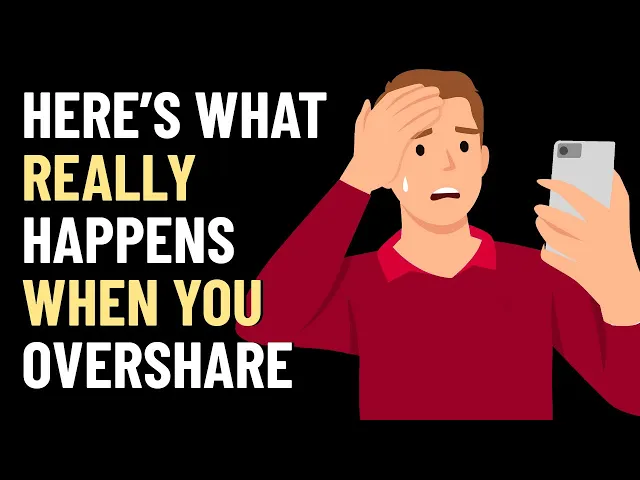
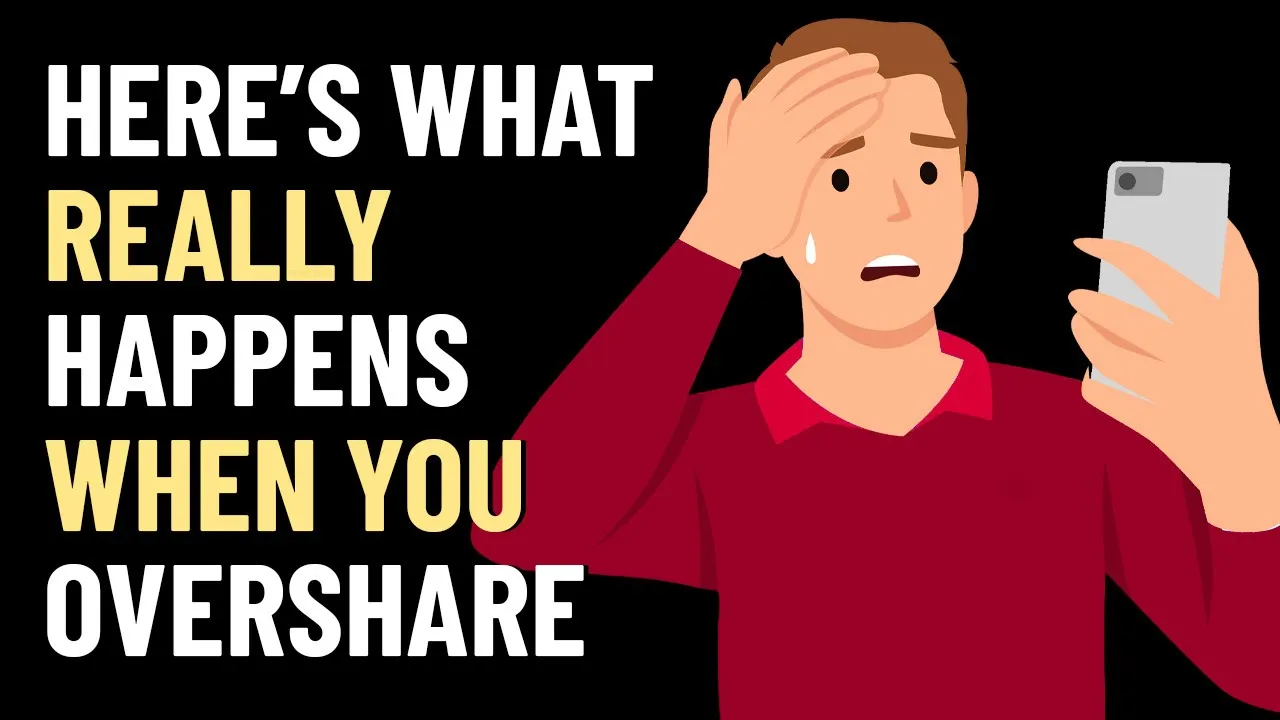
Brainy Dose presents, the dangers of oversharing. What really happens when you overshare. Sharing aspects of your life can be a great way to connect with others.
Social media, group chats, and online forums make it easy to broadcast our thoughts, emotions, and personal experiences. However, it’s important to consider the risks of sharing too much. Putting too much out there can come back in unexpected and sometimes harmful ways.
Now, protecting your privacy is not the same as being secretive. It’s more about maintaining control over your life, shielding your peace, and avoiding unnecessary problems. Here are ten reasons why oversharing can be dangerous and why setting boundaries is essential.
Number one, loss of control over your information. Once you share something, you no longer have complete control over how it’s used, interpreted, or spread. Even if you trust the person you’re sharing with, you can’t guarantee that your words won’t be misquoted, taken out of context, or shared with others.
Information can travel quickly, and what you intended as a personal moment could turn into gossip, controversy, or even a public spectacle. In the digital world, screenshots, reposts, and misinterpretations can give your words a life of their own, one that you may not be able to reclaim. Number two, inviting unwanted opinions and criticism.
Sharing personal struggles, decisions, or aspirations might feel like opening up to gain support, but it also invites opinions and criticisms from people who may not understand your situation. Some may offer unsolicited advice that doesn’t align with your values or circumstances, while others may judge your choices harshly. When you make certain aspects of your life public, you expose yourself to scrutiny from individuals who may not have your best interests at heart.
This can cause a lot of stress and self-doubt, which in turn, makes it harder to have confidence in your decisions. Number three, increased risk of manipulation. People who share deeply personal information, especially about their fears, insecurities, or emotional struggles, can become easy targets for manipulators.
Toxic individuals, including narcissists and emotional abusers, thrive on exploiting vulnerability. They may use your overshared details against you, twisting your words to manipulate, guilt-trip, or control you. Being selective about what you share can help you avoid becoming an easy target for those who seek to use your emotions or past experiences as leverage for their own benefit.
Number four, privacy breaches leading to security risks. Many people don’t realize how much personal information they reveal online or in casual conversations. Details like where you live, your daily routine, upcoming travel plans, or financial struggles can make you vulnerable to various risks, including identity theft, scams, and even physical threats like stalking.
Cybercriminals can piece together small bits of information to access your personal accounts, while strangers with bad intentions may take advantage of overshared details to invade your privacy. To stay safe from potential security threats, always be mindful of what you disclose to others. Number five, reputational damage.
Your online presence and social interactions contribute to how people perceive you. Oversharing personal struggles, emotional outbursts, or controversial opinions can shape others' opinions about you in ways you may not expect. Employers, colleagues, potential clients, and even new friends or partners might form impressions based on what they see.
A single impulsive post or overshared piece of info can affect job opportunities, professional credibility, and personal relationships. Carefully curating what you share, ensures that you present yourself in a way that preserves your reputation. Number six, fueling drama and conflict.
Publicly airing personal grievances, relationship problems, or workplace frustrations can add pointless drama to your life. Rather than solving problems, oversharing disputes can escalate conflicts, leading to misunderstandings and prolonged tension. Social media, in particular, amplifies drama, with others chiming in, taking sides, or misinterpreting situations.
Once a conflict becomes public, it’s harder to resolve privately, and it may even spiral out of control. Keeping personal matters off public platforms can prevent unnecessary chaos and emotional turmoil. Number seven, diminishing the value of deep conversations.
Sharing every detail of your life with everyone can reduce the depth and significance of personal conversations. When everything is out in the open, meaningful moments lose their exclusivity. Deep, heartfelt discussions are most impactful when shared with close friends, family, or trusted individuals who truly care.
Keeping certain thoughts, struggles, or triumphs within a smaller circle allows for richer, more authentic interactions that strengthen personal bonds, as opposed to diluting them through constant public disclosure. Number eight, potential for regret. Many people have experienced the regret that comes from saying too much in the heat of the moment.
Whether it’s an emotional rant, an impulsive confession, or a private detail shared during a vulnerable moment, once something is said or posted, it can’t always be taken back. Online content, in particular, can resurface years later, sometimes at the worst possible time. Exercising caution before sharing ensures that your future self won’t have to deal with the repercussions of a momentary lapse in judgment.
Number nine, draining your emotional energy. Constantly explaining, defending, or clarifying your shared experiences can be exhausting. Oversharing often leads to follow-up questions, ongoing discussions, and even debates that can take up your mental and emotional energy.
Instead of focusing on your personal growth or well-being, you may find yourself stuck in repetitive conversations or justifying your choices to others. Protecting your privacy allows you to conserve your emotional energy for important things, rather than worrying about managing others’ reactions to your personal life. Number ten, not everyone cares as much as you think.
This might be a tough pill to swallow, but it’s true, most people are preoccupied with their own lives. While some may listen out of politeness or curiosity, few genuinely care about the details of your everyday struggles, emotions, or decisions. Oversharing too much can sometimes make interactions feel one-sided, where you’re doing all the talking while others disengage.
Keeping certain aspects of your life private helps maintain balanced relationships where meaningful conversations go both ways, instead of feeling like a public broadcast. Once again, privacy doesn’t have to mean shutting people out. It’s a matter of being selective with what you share and with whom.
Protecting personal details helps maintain control over your life, relationships, and safety. So, before sharing something, take a moment to consider the potential consequences. A little discretion can go a long way in keeping both your personal and online presence secure and respected.
If you enjoyed this video, give it a thumbs-up, and share it with your friends, so we can keep making them. For more videos like this, hit the subscribe button, and don’t forget to click on the notification bell. Also, to learn more about many other interesting topics, be sure to check out our other videos as well.
Thanks for watching!