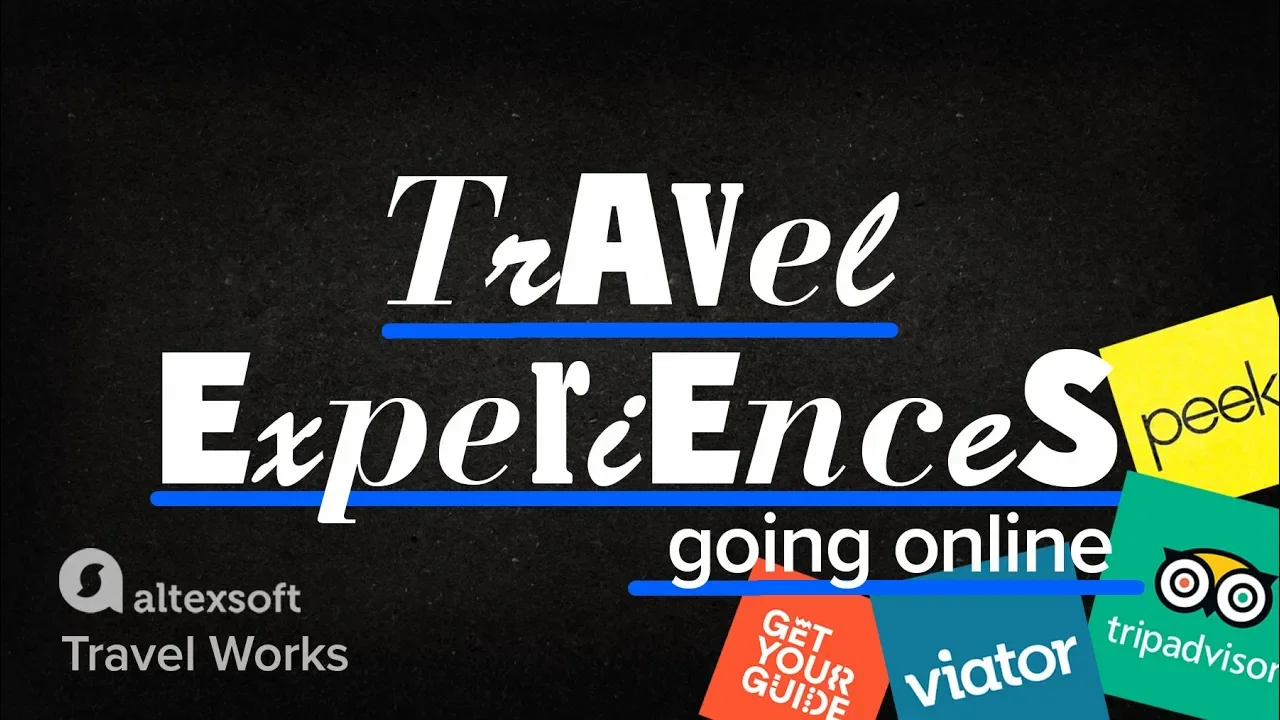
[Music] trying your hand at carpet weaving in an ancient Moroccan shop taking a capoeira class in Rio or a day spent fishing on a Canadian village local experiences make your trip unforgettable and your Instagram subscribers envious but from a business perspective well travel experiences are one of the least digitized segments of the travel industry with tours attractions and experiences a 170 billion dollar market only 13% of those bookings happen online in real time what's going on [Music] this is via tours website in 2002 a young travel agency back then that was the first to make tours and attractions available for booking online it was a market leader from 2000 to the early 2010's and during these years something strange happened or rather didn't happen Viator hadn't faced any formidable competition across the entire decade a rare occurrence in the world of digital tech some investors were questioning us about whether there really was a marketplace shared route Cuthbert Viator founder leisure travellers visit their destinations for new experiences that's the whole point of travel but the competition on the digital booking side of tours and attractions wasn't nearly as intense as on the flight in hotels market where Expedia booking. com Travelocity Priceline and other travel tech pioneers were fighting for customers while Viator was actively growing it couldn't manage to reshape the structure of the industry most people kept booking tours offline from their travel agents at the physical booths at destinations at museum kiosks and tour operators used pen and paper to run their businesses some travel experts attribute the lack of digitization in tours and attractions so the fact that the industry is very fragmented there are small local tour operators there are destination management companies large operators like TOI and government manage museums that don't care about innovation as much it's difficult to centralize such a diverse market but there's an additional reason why travel experiences haven't massively gone online it's grounded in travel behavior in the way we book trips if you're an ordinary traveler you have to do some homework before clicking the reserve button you research destinations choose flights and dates compare prices explore accommodation options subscribe to price drop alerts by the time you book a flight and lodging you'll make about a hundred and twenty to a hundred and sixty visits to travel websites and this all gets exhausting in professional jargon it's called travel planning fatigue well you have enough energy to research and book local tours on top of a flight and accommodations usually not 85% of leisure travelers decide which experiences and activities to have only after arriving at their destinations spontaneously and via tour in 2000's just couldn't work with that eighty-five percent they didn't have computers with them on their trips even though Viator managed to take the lead as a tours and attractions online platform it was a bit ahead of its time with the mobile era things have changed in 2011 via tour launched its first mobile apps on iPhones and iPads but by then and going forward they did have competitors get your guide a Berlin based startup aimed at connecting a local amateur guides with tourists launched in 2008 and two years after via tour in 2013 they also rolled out apps for iOS and Android in 2012 peek an American tour booking and planning startup emerged and soon launched their app and finally in 2014 Hong kong-based tours startup glueck launched its own mobile app that supported instant bookings these startups define the market share for years click dominates the Asian market get your guide as popular in Europe Peak is the leader in the US in a mere three years the digital segment of the tours and attractions industry went mobile catering to the need for instant booking but up until 2012 the tours and attractions digital market remained on the outskirts of the travel industry ruled by startups invisible to most travelers and of little interest to industry giants in 2012 Expedia today the second-largest online travel agency launched a small division called local expert it was aimed at strengthening their already dominant suite of packaged travel options that include accommodation flights and car rentals this step towards capturing the untapped market was the first and the chain of initiatives and more importantly acquisitions that paved the way for the leading brands in 2014 TripAdvisor acquired Viator they start selling tours from via tour inventory through the TripAdvisor app and since everybody was already there to get reviews it was easy to upsell tours right from the same interface this move made TripAdvisor the overall leader in the TNA market even though many bookings still happen directly through Viator in July 2016 booking. com the largest player in travel launched its experiences service on mobile devices and a few months later Airbnb a vacation rental service and accommodation market disruptor did the same from now on the term experiences that invited travelers to dive into local culture and get authentic overtook the old tours and attractions designation but there was a final obstacle that kept big players from grabbing the market and it was the way the tour operators worked imagine you're selling a tour that caters to multiple travelers like sightseeing by bus or a walking tour across a city centre making your tour pay off requires that a substantial group of travelers sign up for it normally you would contract some larger tour operator or a destination management company to secure a group large enough with online last-minute bookings it gets harder to fill up the roster of tourists especially if you work with a single online platform that's why online tour based operators use tour management software that allows them to ditch pen and paper connecting instead to multiple tour platforms and selling the same tours simultaneously across different marketplaces in 2018 booking.
com bought fair harbor a technology company that helps tour operators manage their offers fair harbor provides a tour booking engine a management portal and connections with the main tour booking platforms including TripAdvisor Expedia get Gide booking. com itself and others basically the application can work as a channel manager to be present on multiple platforms at once a day after booking. com bought fair harbor TripAdvisor bought a similar company Bokan these two acquisitions have heated the further market consolidation when large travel brands sweep the market from both the customers and supplier sites the 20-year long race towards digitizing the experiences market surprisingly hasn't changed things much large players step in and everything is available on mobile to accommodate for spontaneous reservations but most tour operators still use phone calls there are salesmen walking across the beaches with printed one pagers to suggest excursions and long lines crowd museum ticket offices booking tours online is still a geeky way of travel enjoyed by about 13% of all tourists eventually tours and attractions brands aren't competing as much with each other as they do with offline well things change soon it seems we're still waiting for a disrupter to enter the space to resolve fragmentation and make the online channel attractive both the travelers and operators similar to what booking.