what do Paris Hilton and Chris Hemsworth have in common well apparently they both want to bring animals back to life but we're not talking about making your favorite pet live forever nope these SBS are actually helping a science company bring back animals that no longer exist like the mammoth the Tasmanian tiger and even the iconic dodo if everything goes according to plan these fascinating creatures could be walking Among Us Again by 2028 this groundbreaking effort is led by a company called colossal biosciences at this very moment they're working on a way to revive the core
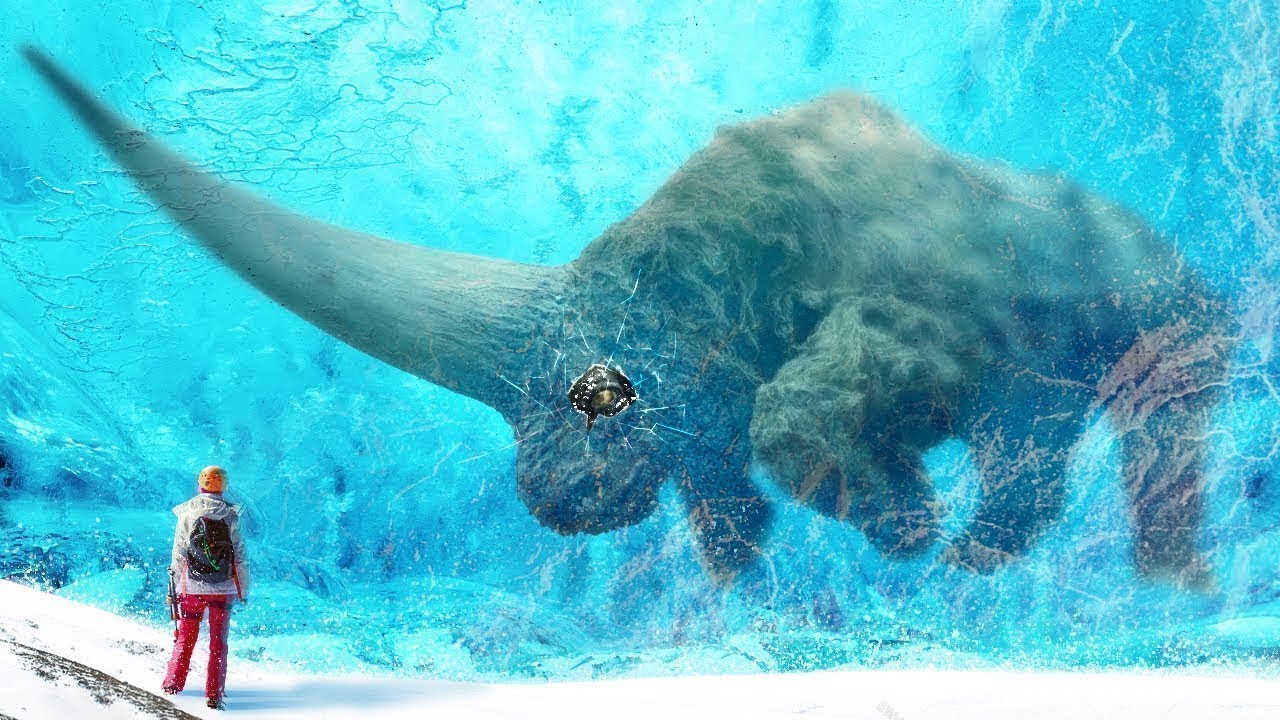
genes of animals that disappeared from Earth ages ago the idea is to replicate those genes using DNA from a Clos living relative if that's all Greek to you don't worry we'll break it down a bit later so the mammoth is one of the animals they plan to bring back and people are especially hyped about it these incredible massive creatures roamed parts of Africa Europe Asia and North America until about 4,000 years ago some people might mix them up with modern elephants but there are some key differences for starters they had huge curved tusks that curled
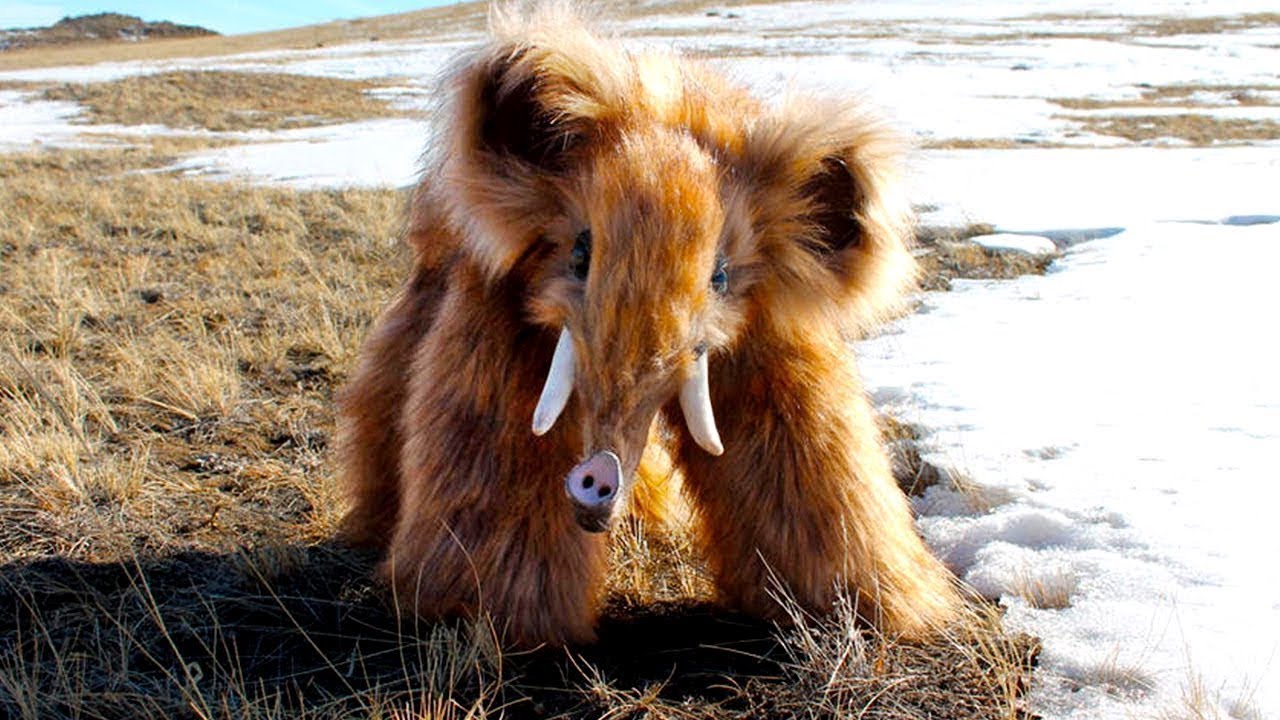
Inward and were used to dig for food they also adapted to survive in freezing climates like having two layers of thick fur to keep their blood warm but mammoths and elephants do have a lot in common The Woolly Mammoth shares 99.5% of its genes with its closest relative the Asian elephant that's huge because it means that mammoths are genetically closer to Asian elephants than Asian elephants are to African elephants for example the company's bold plan is to create a living walking elephant Mammoth hybrid that looks just like the ones that used to roam the planet
this animal will look like walk like and even sound like a woolly mammoth but most importantly it'll be able to live in the same ecosystem that the mammoth Left Behind if the scientists succeed in bringing back enough of these creatures one of their big goals is to help restore the Arctic tundra [Music] ecosystem but how did they actually plan to create the mammoth here's their plan first they need to find well-preserved samples of woolly mammoths in places like Alaska for example then they'll need to sequence the mammoth's genome and the Genome of its closest relative
the Asian elephant the next step is to identify the important genes that made the woolly mammoth perfectly adapted to cold temperatures like its shaggy hair curved tusks and dome-shaped Cranium in other words they need to identify which genes make the mammoth well the mammoth now comes the interesting part they will use topnotch Gene editing tools kind of like scissors to cut the Asian elephant DNA and replace those spots with the mammoth sequence this will allow them to create a new cell line and later an embryo this embryo will grow inside a healthy female Asian elephant
who will be the surrogate and just like that a new cold adapted elephant will be born or at least that's what scientists hope Specialists predict that this Mammoth 2.0 could be on earth as early as 2028 the reason it will take a while is that their gestation period is around 22 months but if that deadline feels too far for you there is actually a chance we could get a surprise a lot sooner that's because some of the other animals they plan to revive have a much shorter gestation period like Australia's thyine also known as the
Tasmanian Tiger the company is also doing whatever it takes to give this animal a second shot at life and the good news is that the process seems to be well Advanced recently the group announced that the Tasmanian Tiger's genome is about 99% complete this animal was native to the Australian Mainland and the islands of Tasmania and New Guinea a big part of the Tasmanian tiger population disappeared over 3,000 years ago but about 5,000 of them kept roaming around until pretty pretty recently it's believed that the last thyine passed away in 1936 to revive the Tasmanian
Tiger scientists first need a sample of the ancient animal so they took RNA molecules from a 110-year-old preserved head that had been kept in ethanol the team was really lucky because it's rare to find old samples that are so well preserved allowing scientists to use Advanced DNA analysis techniqu sakes and by that I mean they did a full complete analysis by studying RNA samples from important tissue areas like the tongue nasal cavity brain and eyes experts were able to learn a bunch of interesting things about the Tasmanian Tiger they could figure out how its brain
worked and also what this Beast could smell see and taste by the way these semi nocturnal animals had a special appetite for small rodents lizards and birds after finding the perfect sample the process of Reviving it will be pretty much the same as with the mammoth but with an elephant as a DNA donor of course in the case of the Tasmanian tiger its closest living relative is a small marsupial called the fat tail dunard even though this animal is small it is a ferocious carnivore so experts believe the whole DNA editing process will work just
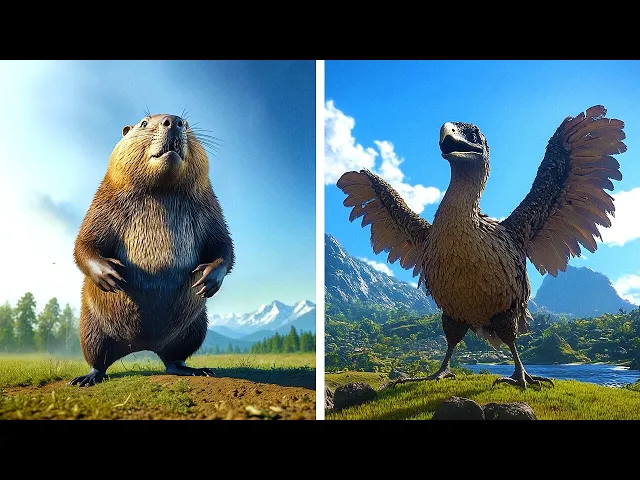
fine with its sequence their goal is to turn a fattail dunard cell into a thyine cell to accomplish that they did more than 300 unique genetic changes into a dunard cell so there is no doubt they're pushing all the boundaries to make the dream of Reviving animals a reality this project also plans to revive the iconic dodo you know that funny looking bird from the paradisiacal island of Maisha in the Indian Ocean and here things get a little trickier since we don't know much about this creature which has Origins that go back about 23 million
years basically the only Clues we have about what Doos look like when they were alive come from a handful of drawings paintings and written descriptions from the 17th century but since those pictures are all pretty different from each other and only a few of them were based on real live Doos we're still not 100 % sure what they actually looked like and as for how they behaved well we don't know much about that either that's why Reviving this long absent Legend will be super interesting and really enlightening the sample they used to extract an old
dodo genome came from a skull in the collection of the Natural History Museum of Denmark and the dodo's closest living relative which will provide the host cells is the nicobar pigeon a gray bird with color colorful features found in the Andaman and nicobar Islands in India if everything goes smoothly in a couple of years we might see the fabulous and iconic dodo with our own eyes Reviving animals might sound impossible but Science and Technology together can be a real GameChanger not only by protecting today's animals but also by restoring species that disappeared from the planet
long ago actually we've already pulled this off a wild goat called the bucardo also known as the perian Ibex went extinct in the year 2000 but 3 years later scientists managed to bring it back to life using a method pretty similar to what we've talked about in this video it took 57 tries but one of them finally worked and a Bardo clone was born unfortunately the animal only lived for 10 minutes you might think that wasn't a success but it was actually a huge step forward in the whole animal Revival field now Specialists can only
hope the project to bring back the dodo the mammoth and the Tasmanian tiger go a bit better that's it for today so hey if you pacified your curiosity then give the video a like and share it with your friends or if you want more just click on these videos and stay on the bright side