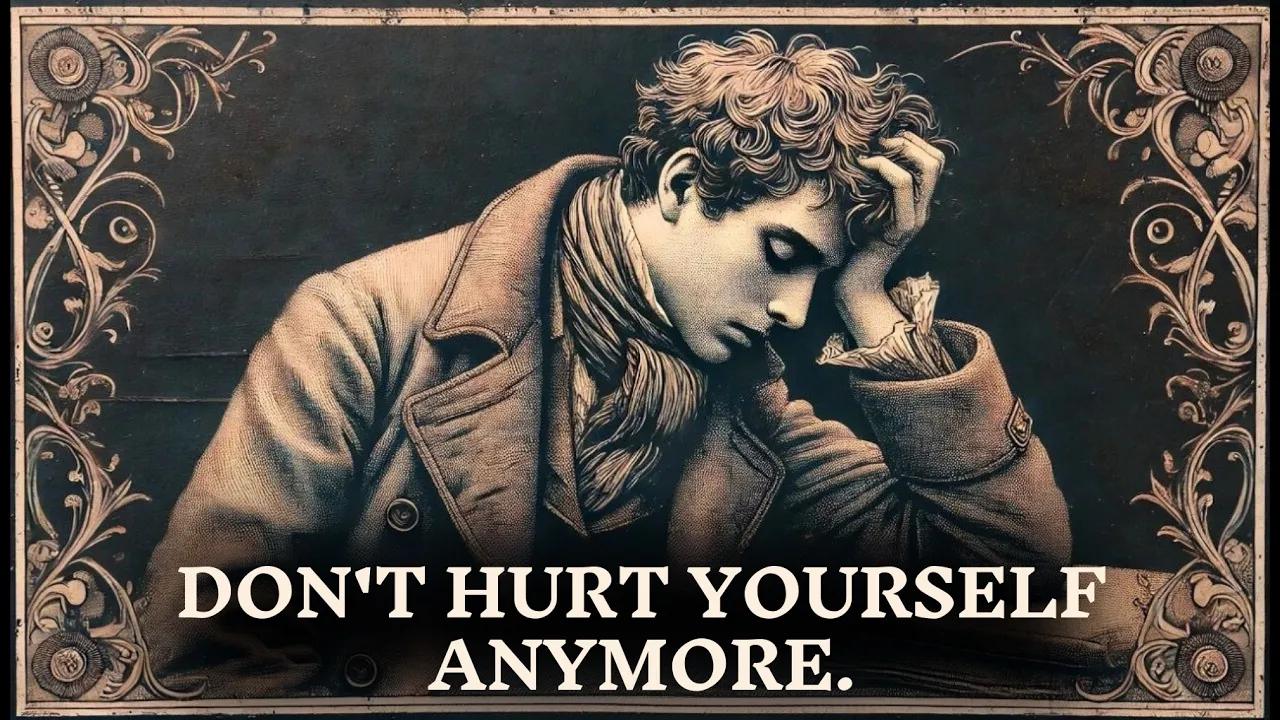
how many times have you avoided a situation just because you feared facing the discomfort of leaving your safe Zone all of us have faced moments where we hold ourselves back and it feels like an invisible force is working against us the truth is self-sabotage isn't about a lack of willpower or discipline it's something much deeper hidden in the layers of our mind that we rarely explore but why does self-sabotage feel like an invisible barrier that stops us from breaking through to our goals the answer lies within the unconscious the part of our psyche that operates
outside our awareness influencing our actions in subtle yet powerful ways despite setting clear goals and feeling motivated we often find ourselves stuck procrastinating avoiding voiding opportunities or giving into to self-doubt these behaviors feel confusing because they seem to work against everything we consciously desire Carl Jung the father of analytical psychology assumed that the unconscious stores parts of ourselves we've rejected or repressed fears unresolved emotions and desires we're not ready to face he referred to this as the Shadow Self a hidden repository of traits and memories we've pushed out of sight while the shadow isn't inherently
harmful its unacknowledged influence often leads to internal conflict this tension between conscious goals and unconscious fears is what drives self-sabotage for instance the shadow might hold a fear of failure that causes us to procrastinate or a fear of success that keeps us from pursuing growth these unconscious forces create a paradox we want to move forward but something within us resists the result is frustration and the feeling of being trapped in a cycle we can't control Yung taught that to overcome self-sabotage we must bring these hidden parts of ourselves into awareness by acknowledging the Shadow and
its influence we can begin to resolve the conflicts within us this journey requires courage and curiosity but it holds the key to Breaking Free from patterns that keep us from reaching our full potential to overcome self sabotage we must Step Beyond surface level Solutions and uncover what drives our self-defeating behaviors it's not a simple process but it's one that begins with honesty and reflection one of the most powerful barriers to change is fear not just the obvious fear of failure but also the often overlooked fear of success achieving your goals might mean stepping into unknown
territory taking on new responsibil AB ilities or risking rejection these fears don't always appear on the surface they work quietly creating hesitation or avoidance when opportunities arise for instance procrastinating on an important task might not be about the task itself but about the anxiety tied to its outcome overcoming self sabotage starts with recognizing the emotional Roots behind your resistance in instead of labeling yourself as lazy or unmotivated take a closer look at what might be holding you back ask yourself questions like what would success in this situation require of me am I holding on to
beliefs about myself that no longer serve me these questions help uncover the underlying fears doubts and beliefs that fuel self-sabotaging behaviors for example if you feel you're not good enough to succeed that belief might cause you to unconsciously avoid situations where you could prove yourself wrong another critical step is understanding the protective nature of these behaviors as counterintuitive as it sounds self-sabotage often arises because part of you believes it's keeping you safe avoiding a challenge can feel safer than risking disappointment by seeing self-sabotage as a protective mechanism rather than a flaw you can begin to
approach it with compassion rather than frustration cultivating awareness is key when you notice yourself procrastinating giving up or doubting your abilities pause and observe what's happening inside are you feeling overwhelmed are you trying to avoid judgment or pressure this moment of awareness is an opportunity to disrupt the cycle instead of reacting automatically take a step back and name what you're experiencing this simple Act of naming I feel anxious about this outcome can lessen its grip on you once you've identified the emotions and patterns driving your resistance the next step is consciously reframing your response this
involves rewriting the story you tell yourself about the situation if you've been avoiding a goal because it feels too big break it into smaller more manageable steps each small step becomes a success in itself reducing the pressure of achieving the final result all at once Carl Yung emphasized the importance of working with the emotions and traits we often avoid instead of suppressing these feelings integrate them into your decision-making process for instance if fear is present acknowledge it but don't let it dictate your actions say to yourself I feel afraid but I'm still still going to
take the first step this practice helps align your conscious choices with your deeper motivations another powerful tool is self-compassion many people approach self-sabotage with harsh self-criticism believing that being tough on themselves will drive Improvement in reality criticism often strengthens the cycle reinforcing feelings of inadequacy Instead try speaking to yourself with kindness remind yourself that setbacks and fears are part of being human and don't Define your worth or potential lastly ground your actions in your values when you're clear about what truly matters to you it becomes easier to resist the pull of self sabotage take time
to reflect on why your goals are important what impact will achieving them have on your life or the lives of others let these answers become your anchor when when resistance arises overcoming self-sabotage isn't about perfection it's about progress each step you take whether it's identifying a fear breaking a task into smaller pieces or practicing self-compassion brings you closer to understanding and transforming the patterns that hold you back recognizing self-sabotage starts with paying attention to subtle patterns in your behavior habits that quietly disrupt you your progress these patterns often mask themselves as practical concerns or momentary
distractions but when examined closely they reveal a deeper resistance understanding how self-sabotage appears in your life is crucial to Breaking Free from its grip One Way self-sabotage shows up is through unexplained hesitation you might feel stuck when it's time to take action as if an invisible weight is holding you back for instance you set an ambitious goal but hesitate to start convincing yourself you'll begin tomorrow or next week while this delay feels logical in the moment it often stems from an unconscious fear of failure or change another common sign is over complicating simple tasks have
you ever spent hours perfecting something trivial while avoiding what truly matters this perfectionism creates an illusion of productivity while keeping you from making real progress it's often driven by a fear of criticism if everything is perfect there's no room for judgment but this fear of imperfection keeps you stuck unable to move forward self-sabotage also manifests as emotional triggers that derail your focus moments of frustration doubt or even guilt can lead you to abandon important tasks or decisions for example you might avoid an opportunity because you feel Unworthy of success even if that belief doesn't align
with reality these emotional cues are often rooted in unresolved fears or insecurities stored in the unconscious uncovering these patterns requires attentiveness notice the actions and decisions you make when you feel resistance often these moments hold valuable clues about the underlying forces at play procrastination avoidance and perfectionism are fairely random they're driven by hidden motivations that work to protect you from discomfort self-sabotage thrives in the unconscious where its patterns can operate unchecked the act of noticing and naming these behaviors brings them into the light allowing you to take the first step toward resolving them the key
is to approach this process with curiosity rather than judgment seeing self-sabotage not as a flaw but as an opportunity to understand yourself more deeply at the heart of self-sabotage lies the Shadow the hidden part of our psyche where we store the traits emotions and desires we find too uncomfortable to confront Carl Yung described the shadow as the Dark Side of our personality but it's not inherently negative rather it's the unacknowledged aspects of ourselves that we repress due to fear shame or societal pressure these elements don't vanish they operate from the unconscious often manifesting as behaviors
that work against our conscious goals the shadow forms as we grow shaped by the messages we receive about who we're supposed to be for instance a child who's criticized for expressing anger May suppress it burying their frustration in the shadow over time this unprocessed anger might resurface in adulthood as passive aggressive behavior procrastination or self-doubt the traits we reject and hide don't disappear they wait influencing our decisions from the background self-sabotage occurs when the shadow disrupts the balance between what we consciously desire and what the unconscious mind believes is safe for example someone might dream
of success but unconsciously fear the isolation or responsibility it could bring this internal conflict creates resistance causing hesitation avoidance or even self-destructive habits Yung emphasized that the shadow isn't just a repository for negative traits it also holds hidden strengths and potential creativity ambition and confidence can be stored in the shadow if they've been suppressed due to trauma or criticism these repressed traits when left unacknowledged can cause frustration or a sense of incompleteness further fueling self-sabotage to address this we must first recognize the influence of the Shadow the behaviors that derail us procrastination perfectionism or self-doubt
often Point directly to repressed aspects of ourselves instead of avoiding these feelings Yung suggested we turn toward the Shadow by examining what's hidden within it we can begin to understand the motivations behind our action this process while uncomfortable is transformative accepting and integrating the shadow means reaiming the parts of ourselves we've denied giving us greater control over our actions Yung believed that by embracing the shadow we not only reduce its power over us but also unlock the potential it holds the key is curiosity not fear when we approach the Shadow with openness it becomes a
source of growth rather than a source of resistance the shadow isn't an enemy it's a teacher by recognizing its role in self-sabotage we take the first step toward understanding the conflicts within us and finding the harmony needed to move forward self-sabotage also thrives on familiarity the patterns that hold us back are often the ones that feel most comfortable even when they cause harm this Paradox stems from our unconscious mind finds preference for the known whether it's procrastination perfectionism or overthinking these habits persist because they provide a sense of safety shielding us from the discomfort of
change or uncertainty Breaking Free from these Cycles requires us to First understand why they exist and then intentionally disrupt them familiar patterns of self-sabotage often serve as protective mechanisms for example procrastin ation can act as a buffer against the fear of failure by delaying action you avoid confronting the possibility of falling short similarly perfectionism can be a way to avoid criticism if something is never finished it can't be judged these behaviors while protective in intent ultimately prevent growth by keeping you in a loop of avoidance the first step to Breaking these patterns is identifying the
trigger points these are the moments when you feel resistance or hesitation perhaps it's when you're faced with a challenging task an important decision or an opportunity that pushes you out of your comfort zone pay close attention to the emotions that arise fear self-doubt or even guilt recognizing these feelings helps you pinpoint the start of the self-sabotaging loop once you've identified these triggers the next step is challenging The Narrative the unconscious mind often clings to outdated beliefs such as I'm not good enough or if I fail I'll be judged these beliefs Drive the behaviors that hold
you back to break free consciously reframe these thoughts for example instead of thinking what if I fail shift to what can I learn if this doesn't go as planned this shift rewires your perspective transforming fear into curiosity breaking patterns also involve small deliberate actions that challenge your comfort zone start by taking incremental steps toward the goals you've been avoiding if fear of failure has kept you from pursuing a project commit to working on it for just 10 minutes a day these small actions bypass the unconscious resistance making change feel less overwhelming over time they build
momentum creating new healthier habits another p powerful strategy is to redefine failure often self-sabotage arises from a fear of falling short or not meeting Expectations by viewing failure as a natural part of growth you remove its power to paralyze you every setback becomes a stepping stone offering valuable lessons that Propel you forward this mindset shift not only reduces the fear of failure but also encourages experimentation and resilience Breaking Free from these patterns also requires self-compassion many self-sabotaging behaviors are rooted in self-criticism and perfectionism instead of berating yourself for slipping into Old Habits practice kindness remind
yourself that change is a gradual process and setbacks are part of the journey treating yourself with empathy creates the emotional safety needed to explore and overcome these behaviors finally create external anchors to disrupt familiar patterns these can be routines environments or accountability systems that support positive habits for instance if you struggle with procrastination set up a designated workspace free from distractions or enlist a trusted friend or mentor to check in on your progress these external supports act as guard rails keeping you on track as you navigate the challenges of Breaking Free the key to escaping
these Cycles is persistence familiar patterns don't disappear overnight but with consistent effort you can loosen their grip each small step you take away from these habits strengthens your ability to embrace growth no matter how uncomfortable it may feel at first overcoming self-sabotage isn't about forcing yourself to change it's about understanding your inner world and working with it traditional approach es like positive affirmations or rigid self-discipline often fail because they don't address the deeper forces at play instead a more Curious and unconventional approach can unlock hidden solutions by treating the process as an exploration of your
psyche you not only address self-sabotage but also transform it into a source of personal growth one of the most fascinating tools is DreamWork dreams as Carl taught are gateways to the unconscious revealing symbols and narratives that hold Clues to our inner struggles keeping a dream journal can help you uncover recurring themes tied to self-sabotage for instance dreams of being chased may represent an aspect of yourself you're avoiding while dreams of falling might reflect a fear of losing control these symbols aren't meant to be taken literally but rather explored with curiosity by interpreting these patterns you
gain insight into the emotions or beliefs fueling your self-sabotaging behaviors another Innovative method is Shadow visualization this involves personifying the part of yourself that resists change and imagining a dialogue with it picture your Shadow as a guide not an adversary who holds valuable insights ask it questions like what are you protecting me from or what do you need from me to feel safe these visualizations can transform your perception of self-sabotage helping you see resistance not as an obstacle but as an opportunity to integrate hidden parts of yourself creative expression is another powerful tool activities like
painting writing or music allow the unconscious to speak without the constraints of logic for example journaling without censorship writing whatever comes to mind can reveal emotions or fears you weren't consciously aware of these creative Outlets bypass the rational mind giving you access to deeper layers of self-awareness for those who prefer structure rituals and symbols can anchor your intentions choose an object like a stone or a small token to represent the changes you want to make hold it during moments of reflection or place it where you'll see it daily this physical reminder creates a tangible connection
to your goals grounding you when self-sabotage threatens to take over environment redesign is another unconventional approach often our surroundings reinforce old patterns rearranging your workspace decluttering your home or even changing your daily route can signal to your unconscious mind that change is welcome these small shifts disrupt the monotony of familiar habits creating mental space for new ones to emerge finally consider the power of mindful play approach tasks you dread with an attitude of curiosity and experimentation for instance if you procrastinate on writing set a timer and see how much you can accomplish in 5 minutes
without judgment this playful mindset reduces the pressure of perfection allowing you to engage with the task in a low stakes way the beauty of these tools lies in their flexibility there's no one siiz fits-all approach to overcoming self-sabotage by exploring unconventional methods and tailoring them to your needs you can create a path that feels authentic and inspiring the goal isn't just to overcome resistance but to transform it into a source of insight and empowerment resistance isn't just a barrier it's a signal the discomfort we feel when self-sabotage arises often points to areas of untapped potential
or unresolved fears transforming resistance into growth requires a shift in perspective from seeing it as an obstacle to recognizing it as an invitation to evolve one of the most surprising aspects of resistance is its dual nature while it holds us back it also highlights what matters most to us for example the fear of failure that fuels procrastination often stems from a deep desire to succeed by understanding what resistance is protecting you can use it as a guide instead of avoiding the discomfort lean into it and ask what does this resistance want me to learn Carl
Yung believed that the energy we use to repress parts of ourselves can be redirected toward growth when those parts are acknowledged and integrated resistance in this sense becomes fuel for transformation if perfectionism has held you back it may point to a suppressed desire for excellence that when approached with self-compassion can become a strength similarly fear of success might reveal a hidden need for balance or authenticity which can guide you toward healthier goals to transform resistance start by reframing your relationship with discomfort instead of avoiding the tension approach it with curiosity when a project feels overwhelming
for instance ask yourself what specific part triggers the resistance break it down into smaller manageable steps and celebrate each one as progress each small victory builds momentum gradually shifting resistance into motivation another way to turn resistance into growth is to use it as a mirror the moments you feel stuck often reflect areas where your values and actions are misaligned realigning your goals with what truly matters to you can dissolve resistance for example if a goal feels imposed by societal expectations rather than personal passion resistance may be your mind's way of steering you back toward authenticity
growth doesn't come from eliminating resistance but from learning to work with it by embracing discomfort and exploring its roots you unlock the power to move forward with Clarity and purpose resistance when met with awareness and intention transforms from a burden into a teacher self-sabotage is often misunderstood seen as a weakness or flaw but as we've explored it's far more nuanced it's a reflection of the internal conflicts we carry between Who We Are Who we've been taught to be and who we want to become Carl Jung teachings remind us that the journey to overcoming these conflicts
doesn't lie in rejecting our shadow or imperfections but in embracing them as essential parts of our growth the key to transformation lies in awareness and integration by recognizing the patterns that hold us back and understanding their Origins we begin to loosen their grip resistance hesitation and fear are no longer barriers but opportunities to reconnect with the deeper parts of ourselves Every Act of self-reflection and every small step forward strengthens our ability to align our actions with our true desires this path isn't about becoming someone new it's about becoming whole as Yung famously said I'd rather
be whole than good wholeness means accepting the contradictions within us the light and the shadow the strengths and the vulnerabilities it means moving forward not in spite of these parts but because of them embracing the whole self allows us to break free from the cycles of self-sabotage that have kept us stuck it gives us the courage to dream bigger act boldly and navigate life with authenticity while the journey may be challenging it's also profoundly rewarding a process of discovering the richness of who we are the first step is always the hardest but it's also the
most powerful start to today by looking inward with curiosity and compassion Your Shadow is not your enemy it's your guide by listening to it understanding it and integrating it you can transform self-sabotage into a foundation for growth if you enjoyed this content make sure to like comment and subscribe to stay updated with more insights and discussions your engagement helps us grow and bring even more value to you and others thank you for being part of this journey