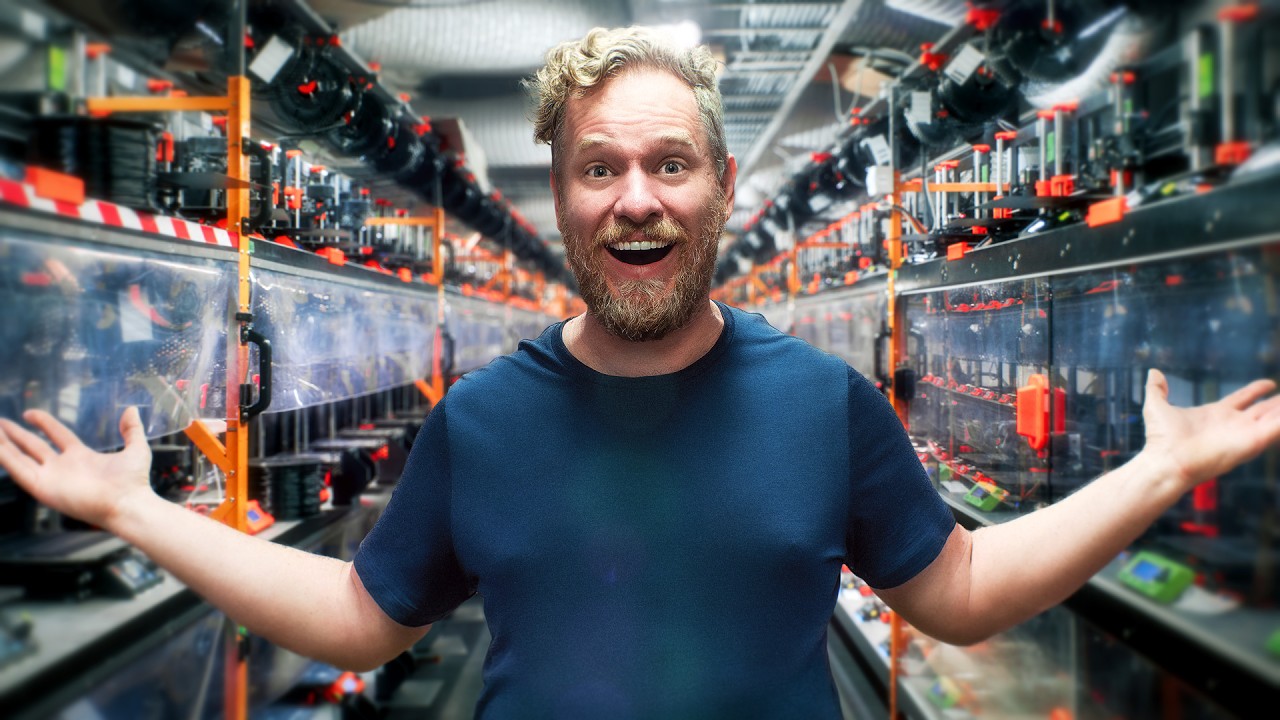
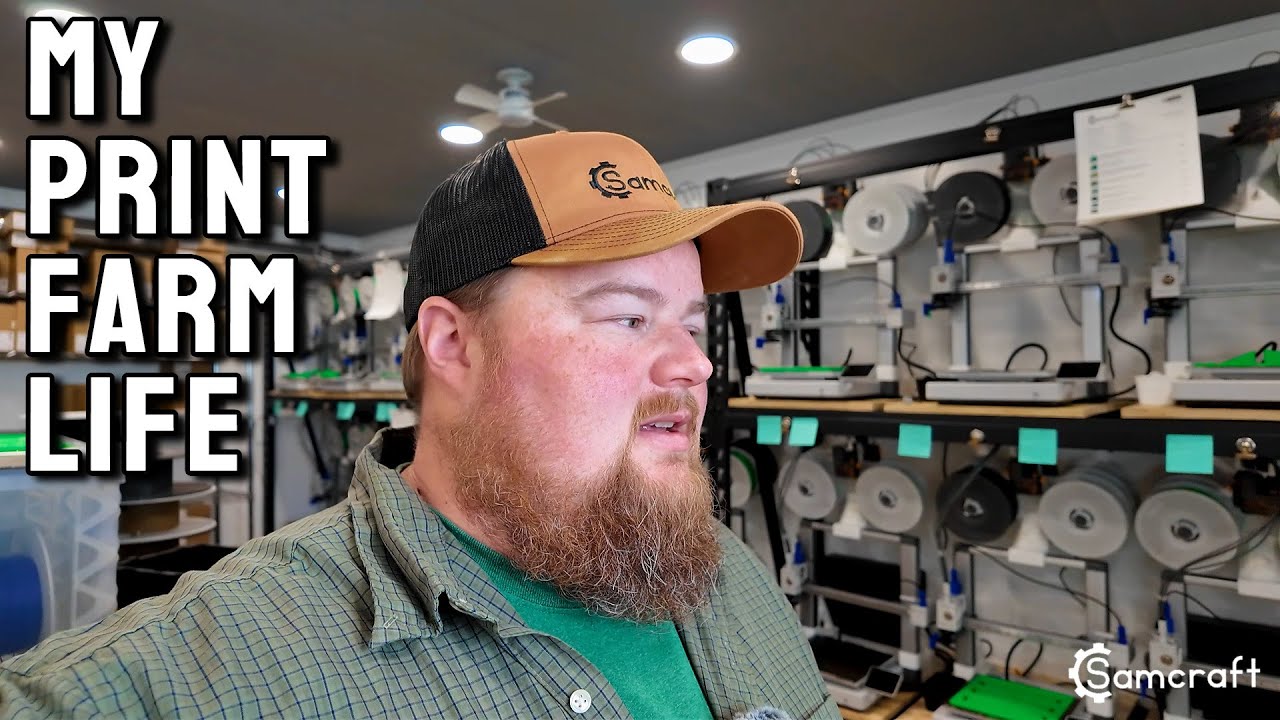
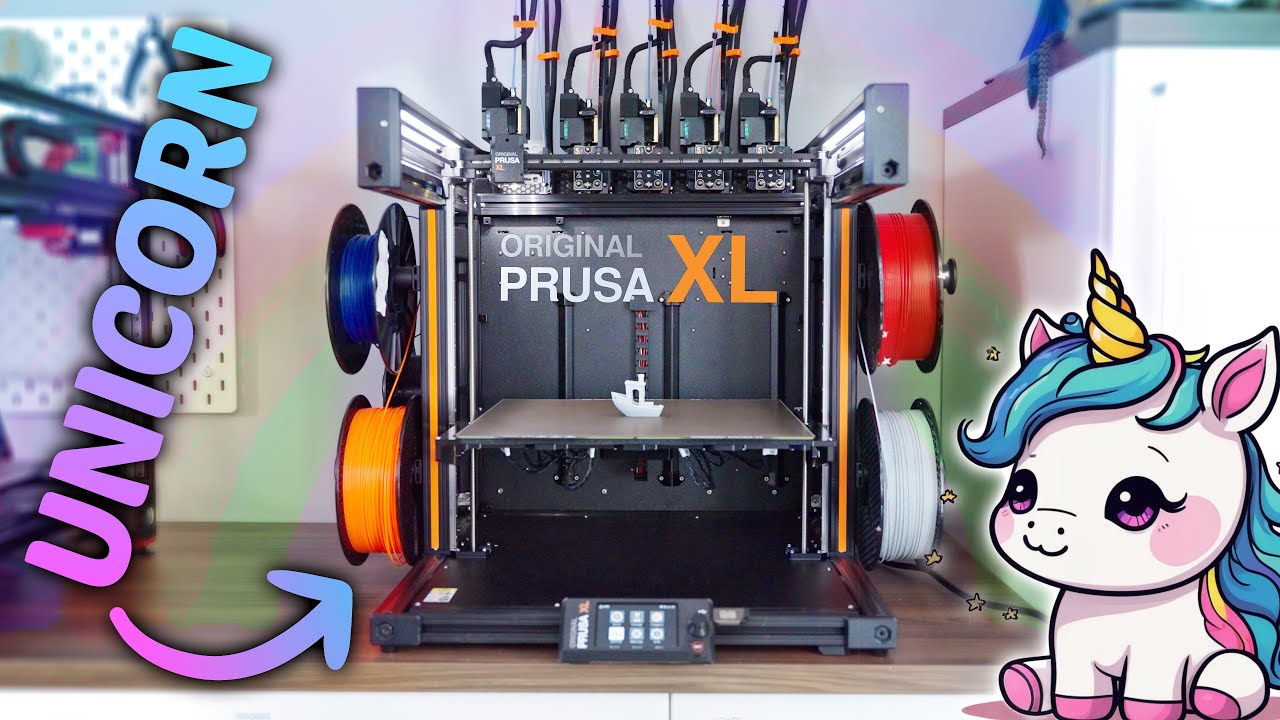
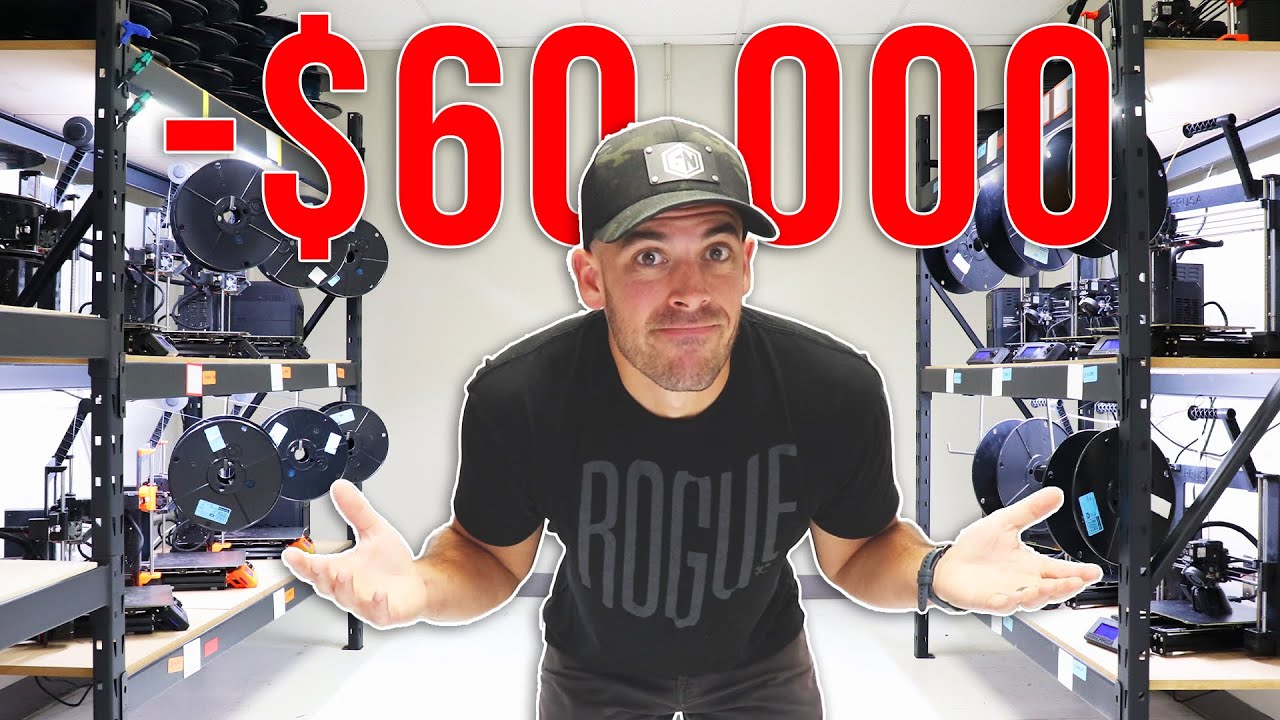
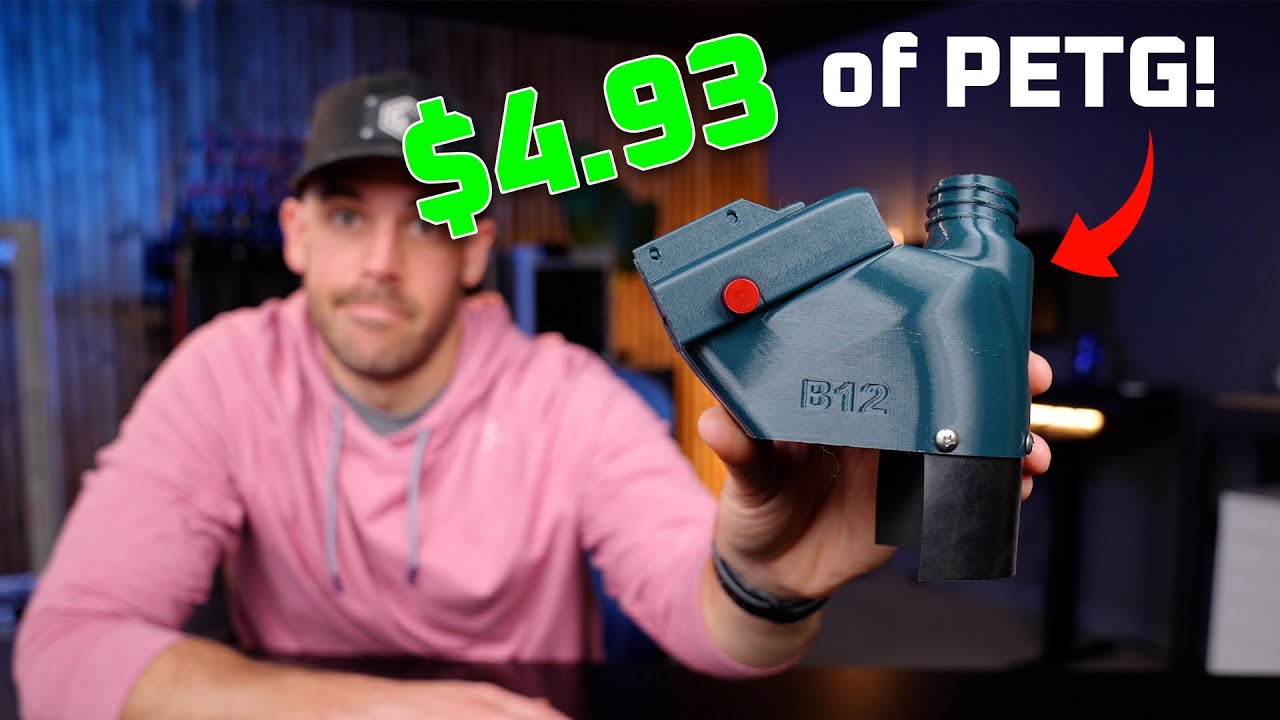
I started and ran a print Farm business out of my house that grew to about 25 3D printers 16 months later we're now in a commercial space with almost 70 I'm going to give you a sneak peek behind the scenes and show you my operation plus here's some things I put in place that really help me scale to where I'm at let's go when I was running my print Farm business out of our house it seemed like we had printers shoved everywhere I had two full racks in the unfinished part of our basement and several
others kind of scattered around the house it's safe to say we were bursting at the seams and I knew I needed to move it out of my house if I ever wanted to expand it we found this commercial property available pretty close to our house and started transitioning over here in January of 2023 the starting point wasn't too bad but it definitely needed a little work funny enough the last tenants were actually a small startup 3D printing company using industrial metal 3D printers because of that the space had tons of power available and even rooms
already set up for printers all right so a little bit about my 3D printing business we designed a manufacture aftermarket dust collection attachments most commonly for miter saws and we do this across a bunch of different models and brands serving mostly diyers and some contractors so this whole facility that I'm going to show you today is really to support the entire life cycle of these products all the way from conception through manufacturing so what we have now is 2500 ft of manufacturing space and about 500 ft of offices which is broken up into five key
areas storage prototyping part prep fulfillment and production AKA The Print Farm the first area we're going to talk about is storage now it doesn't matter what type of manufacturing you do you are going to have to store some level of materials and supplies lies and as a 3D print Farm we're no different this is the main bulk storage area we have now one of the beauties of 3D printing is that you typically don't have to carry as high of an inventory of the parts you're producing so in our case most of what we're carrying are
the aftermarket parts that go along with the printed parts that we offer in our products now in this space we've got everything from shipping supplies to Hardware to branding inserts that we put inside the packages these are all things that are consumed on a regular basis and we have to make sure we have enough inventory for I always tell people one of the hardest parts of running a 3D printing business isn't actually the 3D printing that's the easy part the hard part is keeping up with everything else which is why I'm really excited to finally
put in place a con Bon system for our inventory now if you've never heard of this pretty much every large scale manufacturer uses something like this and this is called a combon card and what this does is lets you know when you're at a minimum quantity and when to reorder so in the case of these cards there's a QR code I'll scan the QR code and it will actually create an order within the system that I'm using now you can do this yourself or you can use a system like these tic cards I'll leave links
down below if you want to go check it out but now all of our critical inventory that would keep an order from going out is control using this conon system which essentially turns what used to be a manual process into an automated process which is something that's really important if you ever want to scale so hopefully this keeps us from ever prematurely running out of materials we need to fulfill orders now the other main storage area is right next door in this room and this room actually serves three purposes we've got storage there's also a
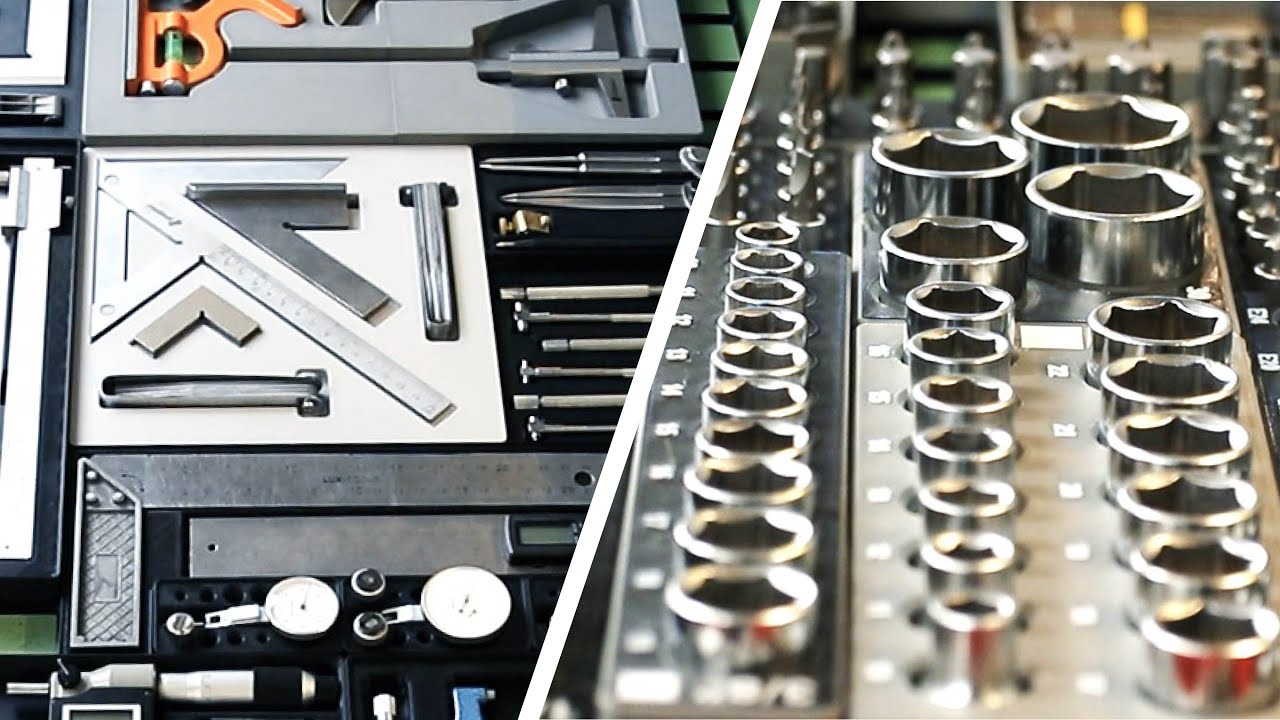
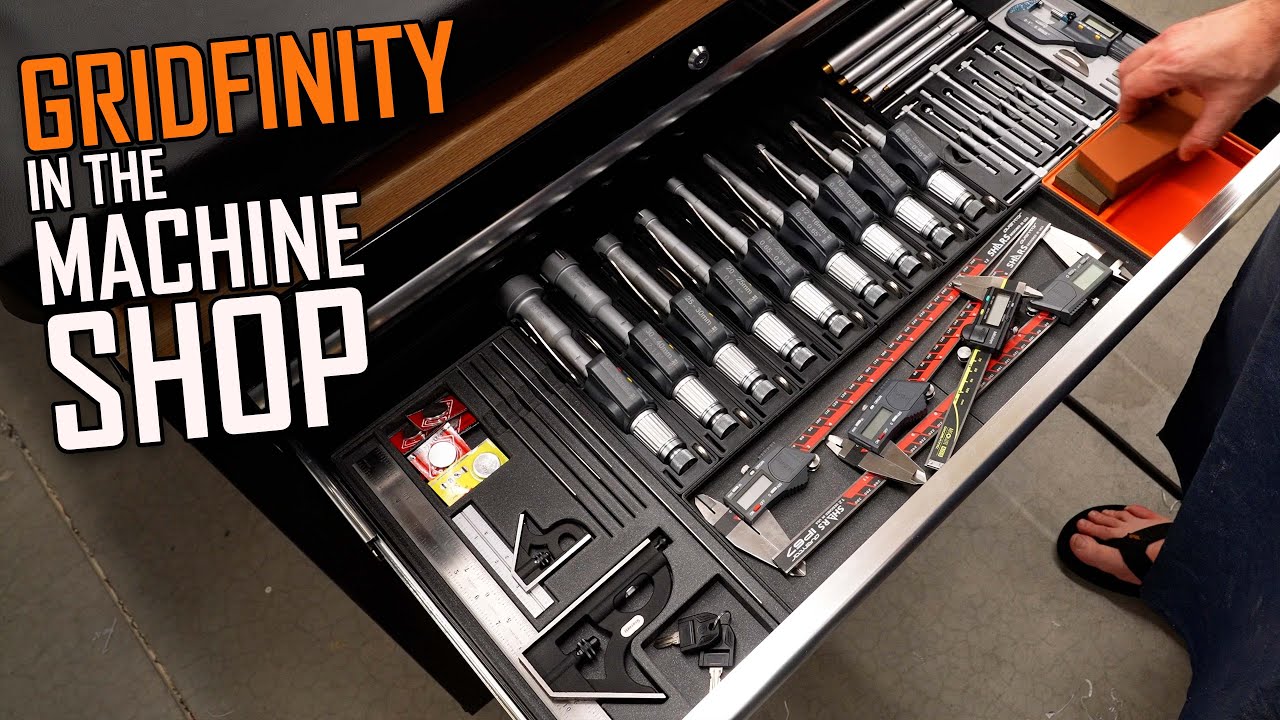
small expansion of the print Farm as well as the 3D printer maintenance and repair station the supply store in this location are mostly 1 kg spools which are actually only used for these printers all the other Mach machines in the main print Farm area are using 3 Kg spools but we're also storing all of these spare parts we use to maintain and repair our 3D printer Fleet So currently we've got a mix of prusa and bamboo lab so we've got spare parts for both and we've Consolidated everything to this tool chest to kind of make
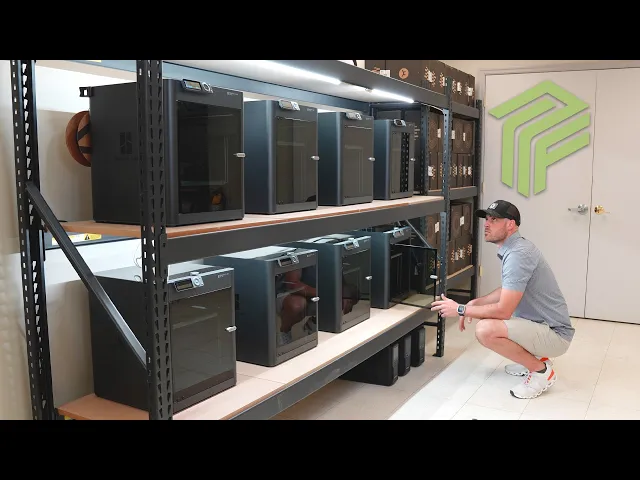
it a One-Stop shop eventually we're going to implement the same combon system here as well so we know when we're running low on something and when we need to reorder there's still a massive opportunity to organize this stuff but as you can see we're already starting with a little bit of grid Affinity now these six printers here are kind of the black sheep of my print Farm the 3 p1s is all have4 mm nozzles I typically run 6 mm nozzles and that's because we have certain products that actually require the smaller nozzle and then the
three Mark fours are the only of their kind every other PR I have is a mark 3s+ So for that reason this part of the print Farm is really dedicated to just Specialty Products and things that we don't print at such a high volume it also serves as kind of a pilot plant to do short production runs for a new product to make sure all the print files are working correctly all right the next area is prototyping this open space over here is where a bulk of the product development work actually happens because we design
products for large power tools we need a lot of room to spread out and one of the most useful things we've done is created three stations with these mobile workbenches this allows me to prototype up to three different products in parallel or use one of the workbenches to do something else around the shop so on this back wall we've got easy access to hand tools to Aid in the prototyping and kind of reverse engineering process and we've got a host of other supporting equipment as well now another aspect of prototyping is having machines dedicated to
printing the Prototype Parts themselves we actually don't leverage any of our print Farm machines to do prototyping it's all done here in my my office once the design is fully fleshed out then we'll push it to the pilot farm and test out the final print files before moving to production now I know if you're just getting started you may not have the luxury of having dedicated machines for this but the quicker you can get here means the faster your development cycle is and the more products you can push out to sell and one of kind
of the unique challenges that we have is storing all of these giant saws so I've got racks along the back wall that hold the majority of them but as you can see we're pretty much out of space so I got to figure out where we're going to put the rest all right immediately opposite the prototyping area is the part prep area this is the intermediate step where fresh printed parts are brought and prepped before they move to the Fulfillment area this is where my employees spend a lot of their time and as a result is
where a lot of the added labor costs actually comes from in the product price so all of the freshly printed parts are stored in these bins on the bottom shelf and then as they're prepped they move up top where they're cleaned up and then we add any hardware if necessary and all that Hardware is stored here in these bins which makes it easy to see and get to and again we're using the conbine cards to let us know when we're inventory is low and when we need to reorder another important part preparation area for us
is this workstation which we use to cut the rubber flaps which is an integral part of what we sell this used to be a task that we did in the Fulfillment area but we found that it just kind of slowed up the whole process so we built a dedicated spot to do it now two people can be working at the same time one fulfilling orders the other creating flat bags and keeping kind of the whole process going so everything needed to work in the station is stored on this shelf here which again we're starting to
implement the con bound system and it's turned out to be a really worthwhile investment in time to set this up then once the parts are fully prepped and assembled we move them to the opposite side of the rack to fulfillment so all these bins here contain parts that have been cleaned prepped and are ready to go out in an order we then build an order by combining those parts with any kind of packaging or ancillary Parts like these flat bags that we talked about earlier and we pre-boxed them into common configurations this is something we
started doing just a couple of months ago and it has made such a huge impact on our business before we did this we basically ran Just in Time Manufacturing which means we printed it we boxed it we shipped it because of that our lead times were a little bit longer than I wanted them to and we had a really tough time dealing with surges when a certain product started selling a lot more than normal so by moving all of our most common products to a pre- box configuration we now pull from here and are not
building orders to ship them so if anything this kind of acts as a buffer for demand and allows us to keep up with orders where our lead time is now 1 to 2 days so after we print the packing slips the shipping labels get everything boxed up it's moved all the way down the table here where they're sealed up with the tape machine which is the true MVP of the shop seriously if you don't have a tape machine what are you waiting for then the boxes are placed in bags and placed by the front door
for our carrier to pick up this officient workflow of getting orders out the door every day is a lot easier thanks to Shopify which is by far the easiest way to start an online business and also supports in-person business too but if you're thinking about selling anything online Shopify is the goat what if I told you it's even easier now they just release some AI tools that help anyone make a clean efficient e-commerce business are you an expert in writing sales copy didn't think so me either you can use this feature to help you write
product descriptions for you that not only sound better but are also optimized for SEO it even lets you change the tone of how it's written to match your style but this image background enhancement feature is what I'm really curious about so let's try try out so all you do is upload a product image and wow so it's already separated the background from the product I can either remove the background Al together or replace it with a solid color like white but this option lets use AI to create a whole new background based on prompts let's
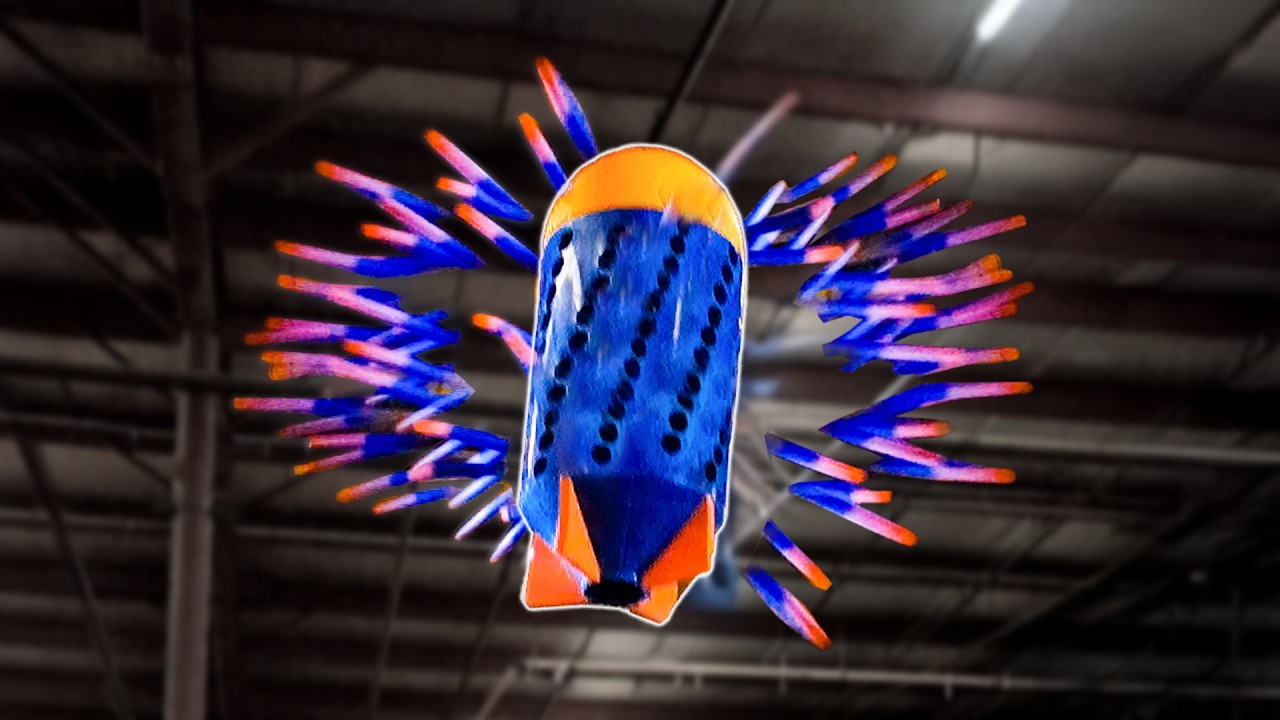
get crazy and say uh in the sand holy crap that is a miter saw on the beach I'm going to play around with this some more but you can see that these tools are pretty powerful and when used properly can make a real impact on the look feel and hopefully conversion of your online store start selling today with a free trial by heading to shopify.com printf far Academy or you can scan the handy QR code or just use the link down in the video description you definitely need to give this a shot all right that
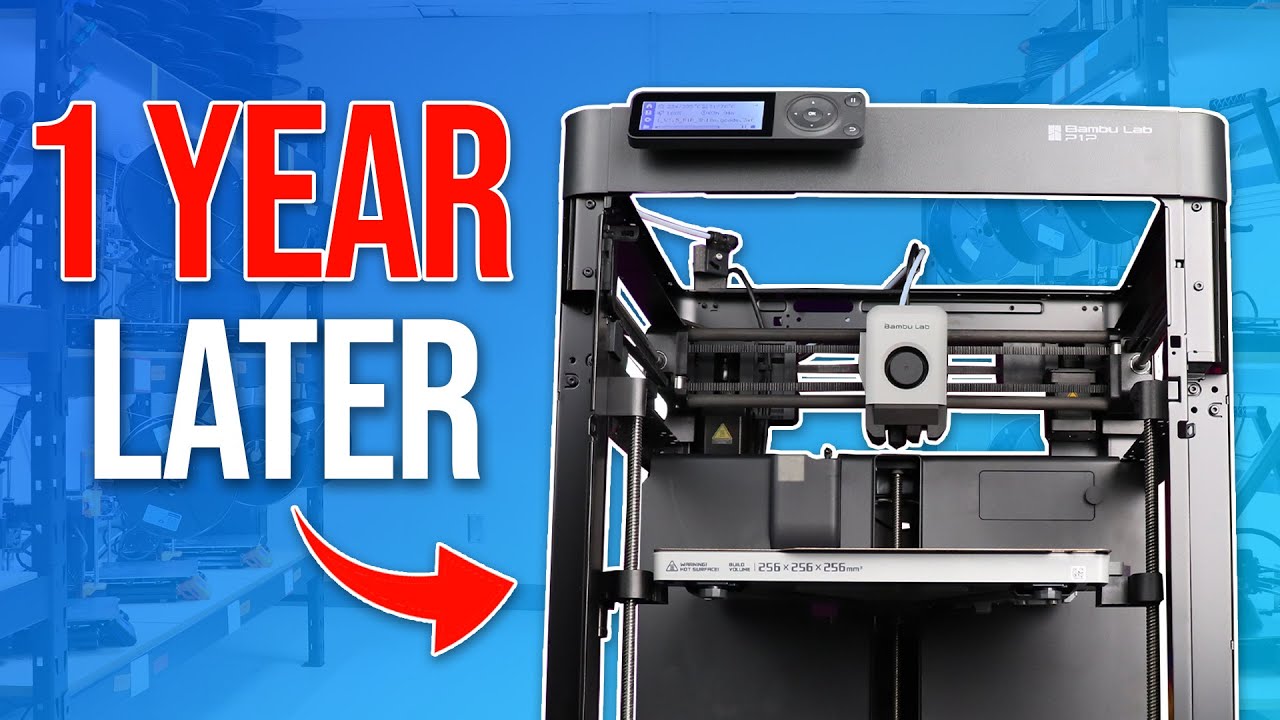
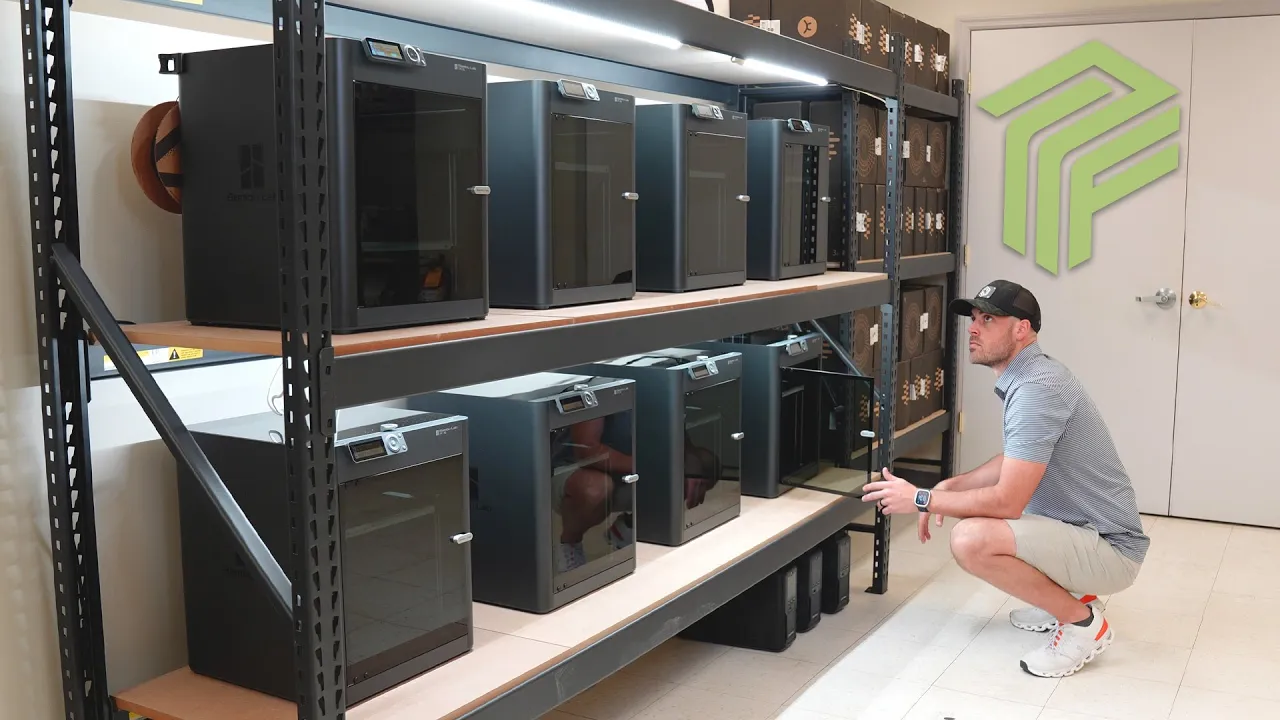
brings us to the Crown Jewel and probably the reason why you wanted to watch this video The Print Farm These two racks represent the latest expansion of my print Farm which is 12 brand new bamboo lab P1 s's which comes out to around a 40% increase in production capacity even though the total printer count only increased by 25% now on top of the fact that the p1s is just look really nice there's a really calculated reason why I chose these over something else I've effectively been running a reliability study on these for about 8 months
now and when you factor in things like output and failure rate not even bringing cost into the equation the bamboo lab p1s to me at least stands out as a print Farm Workhorse so I'm going to put my money where my mouth is and see what happens and I've got a video coming up very soon where I talk about what I do to get these ready for production as well as some of the other stuff you see including these custom spool holders now Behind These double doors is where the majority of the farm actually is
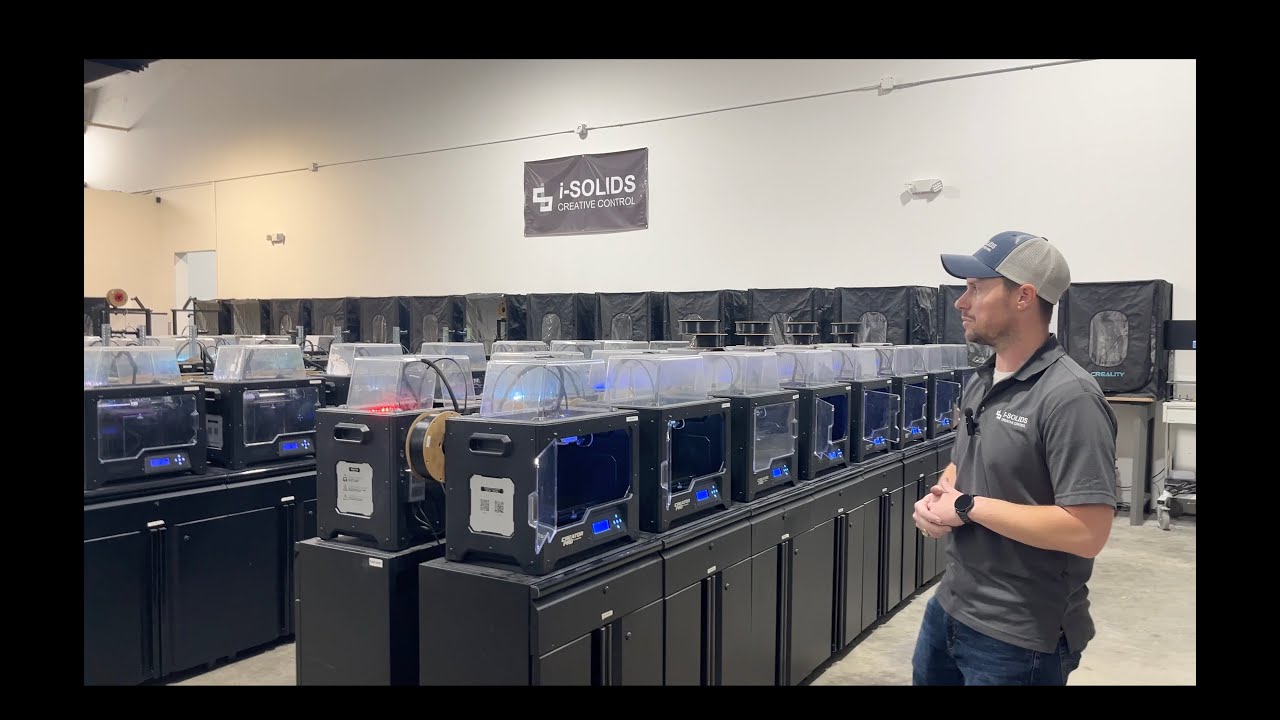
now in this main print room I've got 40 3D printers I've got 28 prusa Mark 3s pluses and 12 bamboo lab P1 PS and as you could probably tell nothing's running right now because it would be too loud plus it gets really hot with all of them running at one time when we first moved in this building I spent a ton of time getting this room ready which included running a ton of power in here now luckily there's already some power in here that we can repurpose but I needed even more in total we've got
11 20 amp circuits to run this many printers which to be honest is more than we need for this configuration when I first moved in I thought we'd have three rows of printers around the entire perimeter but it turns out I like two a lot better when I started building out my print Farm back in 2020 I used the prussa Mark II s+ platform because at the time it was the most reliable print Farm Workhorse choice and they've been great A lot of these are several years old and are still going strong but when new
technology hits the market as a business owner it's my responsibility to take a good look at it and so far these bamboo lab P1 PS have proven themselves in reliability output and most definitely speed and based on thousands of hours of print time I found that one bamboo lab machine can replace two prusa machines so a couple things to highlight we've got every single machine isolated on its own panel within a shelf and underneath of each panel is a strip of foam to dampen it against the Shelf frame itself I found this is more than
adequate for preventing any issues with resonance or anything with running multiple printers on the same shelf I've also got every single printer running through a UPS or an uninterruptible power supply this has a bunch of benefits that I'm actually going to talk about in an upcoming video so go check that out the other is filament I mentioned we Run 3 Kg spools in the majority of the print farm and that's meant we've had to come up with some ideas on how to route the filament from these cust custom spool holders to the printers themselves and
I'm pretty sure I can make it even better but that just means I have to do it 40 times and then finally we have the filament storage itself one of the biggest challenges of running a print Farm business is keeping up with the filament making sure we have enough on hand of all the different colors and types now one thing I've tried to do is consolidate as much as I can and standardize so we have standardized on Proto pasta for the majority of what we print I did buy a bunch of black PG and bulk
from a company who was looking to get rid of it at a pretty cheap price so I actually bought a total of3 pallets worth of black ptg something like 1,500 total pounds of it which are some of the black boxes you might see around the facility but I cannot stress enough the power of standardization and not using cheap filament after having worked at a 3D printing company that also manufactured their own filament I know how important it is to print quality so if you just want to eliminate a ton of variables use good filament and
that is basically my print Farm business in a nutshell was there anything I missed or maybe you want more information on leave those down in the comments I'll try to answer as best I can and if you're interested in starting or growing a 3D printing business consider joining the print Farm Academy course launching later this year happy printing [Music]