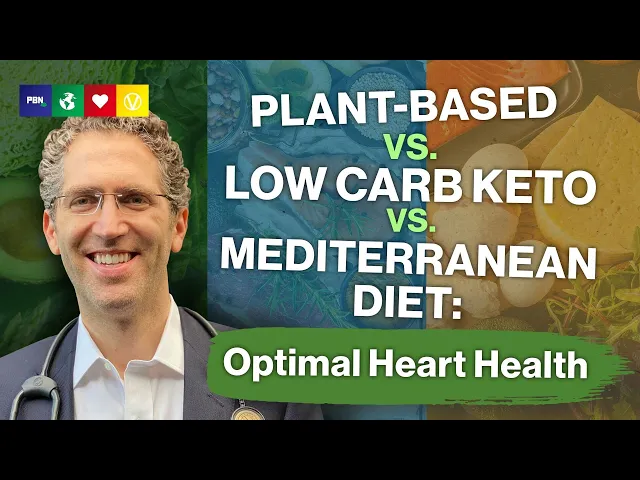
so i get the wonderful pleasure of introducing a true rock star in the movement i moved to new york city about two years ago and when i moved here i was told that there was a doctor i needed to meet upon moving and he would be my top priority so you all get to see a wonderful presentation by dr robert osfeld he is a cardiologist the director of preventative cardiology the founder and director of the cardiac wellness program at montefiore health system and an associate professor of medicine at the albert einstein college of medicine without
further ado dr robert osfeld thank you so much rachel it's uh can you all hear me in the back okay if you stop hearing me just wave or something let's see this oh good i don't have to do dr katz kind of gyrations and i don't know i felt uh i don't know i felt this pressure after dr rosenfeld's talk to like do my talk topless or something but but then i thought about it a little bit more and i'm like i'm gonna spare you guys that uh so it's a real honor and pleasure to
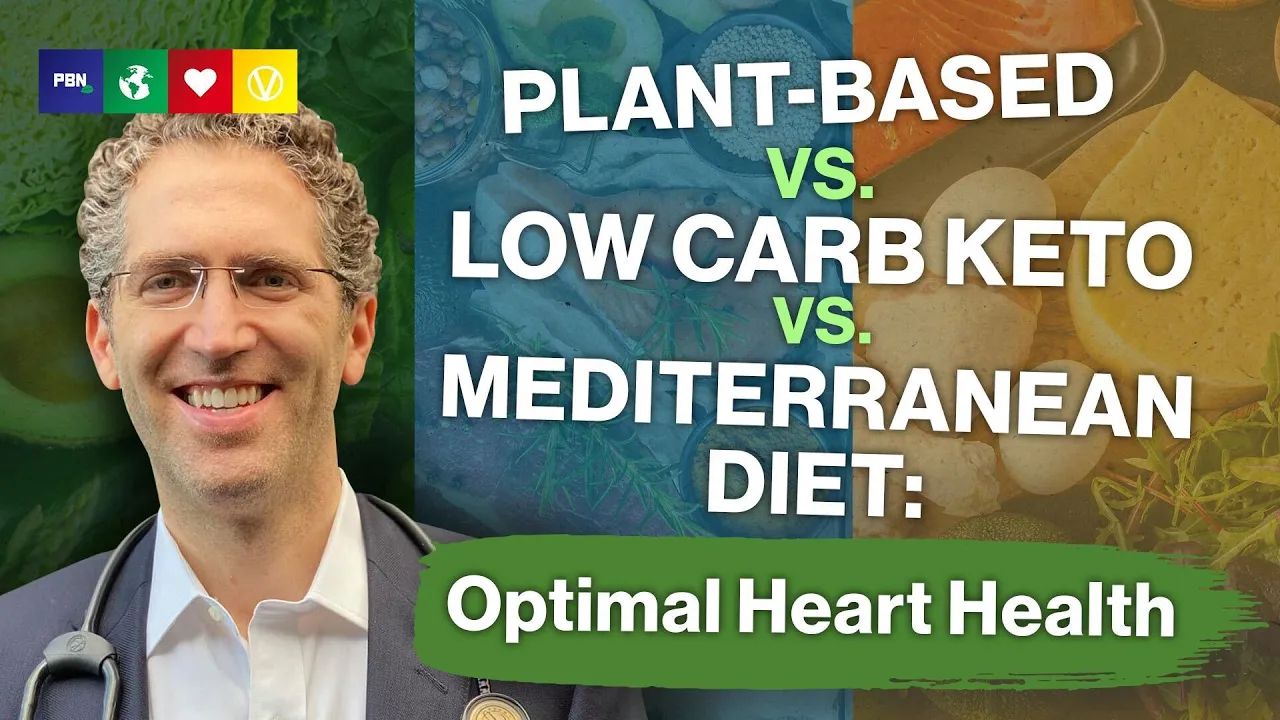
be here with you all and i mean it's just incredible to see the energy and passion that you have for nutrition and health here in brooklyn and just how forward-thinking suny downstate is so it's really it's really amazing so we're gonna talk about a plant-based diet in your heart so um i got to participate in a debate at the american college of cardiology conference um a couple weeks ago and it was between plant-based diet and mediterranean and keto so i'm going to take a little bit of that talk and bring it here today so we'll
be talking a bit about a plant-based diet a mediterranean-style diet compare that to a plant-based diet a ketogenic diet compare that to a plant-based diet and we'll make some conclusions so um when we're talking about a plant-based diet what do i mean i basically mean it excludes or nearly excludes all animal products if it has a face or comes from something with a face don't eat it that's what we mean so includes tons of vegetables fruits whole grains and i stress whole grains because it's minimally processed like none of us think that sugar and white
bread is healthy so truly whole grains beans lentils yams etc so the only dietary pattern that i know of that's been shown to reverse cholesterol blockages in the blood vessels that feed the heart with blood is a plant-based diet and so in this great study by dr ornish who dr katz spoke a good bit about he took people with stable cholesterol blockages in their heart and he randomized them into two groups group number one was almost exclusively a plant-based diet but they had some a little bit of no fat dairy in there and psychosocial support
and exercise and the other group was expert care from people just like me cardiologists guess which group won so the group of course that had the healthier lifestyle their cholesterol blockages shrunk and those taken care of by cardiologists like me cholesterol blockages grew and that just kept on going after one year after five years it kept on going and the group that was treated by the expert cardiologist had about had a higher odds of having a cardiovascular event like a heart attack or stroke after five years and this diet of course or this lifestyle pattern
it's dose-dependent which is important uh because the more people did it the closer that they lived to this healthier lifestyle their more their cholesterol blockages shrunk and that's important because when there's a dose response relationship we think it's an even more powerful thing and other studies have supported a similar kind of relationship so okay a plant-based diet can potentially reverse coronary disease but also improves risk factors for coronary disease among other kinds of diseases so crp inflammation is the big catch word these days well in a randomized study taking people with stable cholesterol blockages they
randomized them to a vegan diet versus the american heart association diet guess which one won the vegan diet reduced inflammation significantly more ldl cholesterol the higher the levels in your blood the worse that we do and we know that if we lower those levels people do better so in a very interesting randomized controlled trial they looked at a cholesterol lowering drug and they also looked at a plant-based dietary pattern and they both lowered cholesterol to a very similar degree so a plant-based diet can lower cholesterol levels about as much as a statin and cholesterol particles
can become particularly irritating to your blood vessels when they become oxidized and they become particularly irritating then like a splinter well that process in your body of oxidizing the ldl particles is more difficult when you eat a vegetarian diet versus an omnivorous diet blood pressure another risk factor blood pressure is lower in those who eat more plant-based nutrition and in a really cool study the cardia study the coronary artery risk determinants in youth study they found that the people who ate more and more plant-based more plant-based foods were significantly less likely to develop high blood
pressure and this theme continues with other large epidemiologic studies there's another cool risk factor not cool i guess but it's called lipoprotein little a and that attaches to cholesterol particles and it really increases the risk of having a heart attack stroke but there's not a lot we can do about it medication doesn't really do quite that much yet there's some on the horizon we shall see but an interesting study of plant-based diets by dr baxter montgomery he significantly lowered lipoprotein little a levels with the dietary intervention so novel risk factors so okay it improves risk
factors we're more familiar with the novel risk factors a plant-based diet as dr katz is mentioning can improve gene gene expression so dr ornish took about 30 young 30 people with early stage prostate cancer and he put them in his healthier lifestyle which includes largely plant-based nutrition and he biopsy the prostate before and after and after about three months dozens of anti-cancer genes were upregulated in their expression and many pro-cancer genes were down regulated in their expression so we can't change our genes but we can change which ones speak making the healthier ones speak more
loudly and the unhealthy ones speak more softly and so that's pretty cool you can turn on and off on the healthy genes off the unhealthy genes with healthier lifestyle and as was mentioned that on and off switch at least in animal models gets passed on to our kids and grandkids so the healthier lifestyle choices you make today not only impacts your health and the health of the environment but may very well impact gene expression in your kids and your grandkids it's an incredible responsibility gene expression the microbiome that's the new kid on the block gets
tons of attention and it's critically important we each have about a trillion bacteria hanging out with us in our guts so you could really say that we're the parasites not them but we live we can live in harmony with them and it turns out they can promote lots of healthful activities within our bodies and when you eat more plant-based nutrition with more fiber that promotes a healthier gut microbiome and that change in animal models can happen even within a day and humans may be up to about five days but you can significantly change the population
of the microbiome to be much more healthful for example when you eat more plant-based more plant-based foods with fiber that fiber makes it to the gut microbiome and the microbiome makes something called short chain fatty acids who cares well short chain fatty acids are helpful for you they go in and they interact with the cells that line the inner wall of the colon and when they do that those cells can reduce gene expression that leads to cholesterol formation so those cells can make less cholesterol it can reduce inflammation it can reduce oxidative stress all the
kinds of things you want to have happen less and when it gets more of that short chain fatty acid it makes a little bit more of this mucus layer that coats the inner wall of our colon and that and then the microbiome hangs out right next to it and you want that little mucous layer because it keeps them separated just a little bit you don't want them touching because if they touch the body sees the microbiome as an attacker or something foreign and it creates this big immune this big immune reaction and it attacks it
and then when that happens it can kill off some of that bacteria creating more inflammation potentially promoting diabetes and in animal models promoting atherosclerosis more cholesterol disease so okay genes microbiome mmp that's metallic matrix metalloproteinases those promote atherosclerosis promote cholesterol disease promote heart attacks well your body will have less of them when you eat when you have a vegetarian style diet versus an omnivorous style diet another novel risk factor endothelial progenitor cells now our body turns itself over over time our skin does our bones do our hearts do and our bone marrow makes these things
called progenitor cells that goes out and replaces older cells just like the endothelial cells the endothelial cells line the inner wall of our arteries like a wallpaper and we want to treat them well but sometimes they get older and they need to be replaced so the more endothelial progenitor cells you have in your blood the better you do and it turns out that in a randomized control trial that had young okinawan women eat their regular diet versus the regular diet plus more green leafy vegetables and when they ate more green leafy vegetables they made more
endothelial progenitor cells how about a plant-based diet in diabetes well in this interesting randomized trial they took people with diabetes and randomized them to either a plant-based diet versus the american diabetes association diet guess which one won well the plant-based diet they lowered their their medications more their their sugar levels fell numerically more they lost more weight and their cholesterol levels fell more okay but okay that's a randomized trial there's cool epidemiology or population based studies that find the same thing that the more toward plant-based nutrition you eat the less likely you are to have
diabetes across multiple populations across the world so this is a wonderful study done by dr satija and what they asked is if you eat more healthful foods is that good is it not good so they created they looked at this healthy diet index and that when you eating more vegetables fruits whole grains you were higher up on the healthy food index and eating more of other products you were not so if you look here this is the plant-based diet index and this is hazard ratio for coronary heart disease so this is a plant-based diet index
and as that increases more and more and more people did better their hazard for a heart attack went down but the devil is often in the details because like you could eat sugar cookies and white bread all day and be plant-based or you could eat kale all day and be plant-based there's clearly a difference so they broke that down that red line is a healthy plant-based diet index and this gray line up here is an unhealthy plant-based diet index and you can see if you ate healthfully you did even better and unhealthily you did even
worse however this yellow line here this is the healthy plant-based foods so the more that you ate the better you did and then they compared it to animal-based foods and less healthy plant-based foods and the animal foods included chicken and fish if you ate more animal foods you did worse but if you ate an unhealthy plant-based diet you did even numerically a little bit worse so the devil is indeed in the details but this reinforces how eating a plant-based diet and the more plants you eat the better you do um along the lines of plant-based
nutrition and is there's similar data with diabetes and then along those lines in a big meta-analysis looking at over 800 000 people each serving of extra fruit and vegetables per day was associated with a 5 percent lower risk of death and in the health surveys for england study they followed about 65 000 people for a little over seven years and each increasing serving of fruit and vegetables per day was associated with living longer now this great study by dr song i looked at over 100 000 people with 3.5 million person years of follow-up and they
asked if you replace just three percent of your calories from animal-based foods with three percent of calories from plant-based foods is it good is it not good what happens well it turns out it's good so if you replace just three percent of your calories from processed red meat with three percent of calories from plant-based foods that's associated with a 34 lower hazard of death unprocessed red meat 12 percent poultry six percent fish six percent eggs nineteen dairy eight percent all significant and i am you all probably know that the world health organization has recently come
out and said that processed red meats are a class one carcinogen and that means it causes cancer that a class one carcinogen that's the same category that plutonium is in by the way so a plant-based diet is the only dietary pattern that has been shown to reverse coronary disease it improves multiple risk factors crp inflammation ldl oxidized ldl blood pressure lipoprotein little a diabetes it improves novel risk factors and it is associated with living longer okay so how about a mediterranean-style diet now a mediterranean-style diet is a very good diet it's largely vegetables and fruits
it's a very good diet if my patients said you know i don't want to go plant-based but i'll go mediterranean i'll take it hey i don't want perfection to be my what my idea of perfection is to be the enemy of good so a mediterranean-style diet is very good for both secondary and primary prevention leon died heart study looked at people after heart attacks and the pretty med study looked at people without heart attacks and if they went plant if they went mediterranean they did better than a controlled diet which was a typical western diet
i mean shocker typical western diet is not so great but a mediterranean-style diet really is quite helpful but it appears that under the umbrella of a mediterranean style diet the more plant-based you go the better you do so in this a priori to find post-hoc analysis of the predimed study they looked at about 7000 people and they asked if during the study if you had a pro vegetarian diet pattern meaning meaning eating lots of vegetables and fruits and avoiding animal products including fish and chicken was that good or not good well it turns out it
was good because the highest quintile versus the lowest was associated with a 41 lower hazard of death meaning the more of a pro-vegetarian pattern you ate under the umbrella of a mediterranean-style diet the better you did and in the epic cohort study for every standard deviation increase in fruit and vegetable consumption you had a 14 reduction in mortality so in the greek epic perspective cohort study where they ate largely a mediterranean-style diet they they found in 23 000 people that if you had a higher mediterranean diet score meaning the more of a mediterranean-style diet you
ate the better you did that's great a mediterranean-style diet is a healthful diet but they're like well okay let's look at how we define the score and what aspects of the score accounted for the benefit so all right moderate alcohol that was associated with improvement the benefit was driven by that it was also driven by low meat consumption driven by high fruit and nut consumption high vegetable consumption high monounsaturated saturated fat ratio meaning more plant-based foods high legume consumption cereal and dairy minimal impact and fish and seafood had a trend toward harm so in this
analysis going more plant-based also appeared to be better this is the seventh-day adventists they treat their bodies like temples and they have multiple healthy dietary patterns but in this analysis of over 60 000 people you can see they looked at different dietary patterns they looked at non-vegetarians semi-vegetarians pesco vegetarians lacto-ovo vegetarians and vegans and they looked at the percent with diabetes the group with the lowest was the vegans and just to highlight these are the pesco vegetarians right here so a mediterranean-style diet is a very good diet but it appears that the more plant-based one
goes under the umbrella of the mediterranean style diet the better one does based on clinical and mechanistic studies so the ketogenic or the low-carb diet i think is largely based on a popular myth and the popular myth is that we were told in 1980 or so to eat low fat and then we ate low fat and look at us now we're fat and sick all right well we may have been told to eat low fat but we didn't do that we ate more of everything so it's fake news i think it's a it's a compelling
narrative but i think it's fake news so no long-living society lives in a state of chronic ketosis now there's a romanticized notion that the inuit population they live very very far north circumpolar uh do but first of all their outcomes their longevity is about the same as the typical population in canada so there's nothing particularly health magical about that but and they eat a lot of fish and fish bubbler because of where they live but they've also selected for a mutation that makes it even harder for them to go into ketosis suggesting that being in
that state for a chronic period of time may not be healthful but then if you step back and you look at the longest living populations in the world the blue zones okay there's five populations dr katz was mentioning them all over the globe including the seventh-day adventists they're the most centenarians and they eat primarily a plant-based diet more than 50 percent of their calories is from carbs and they're the longest living populations and i look at nutrition kind of like a symphony you know there's tons of interesting mechanisms there's the violins and there's the drums
and there's the trombones and all the different parts and there's the strings this mechanism that mechanism and it all adds up together to make a big symphony and it's important to learn about all those parts and we have a ton more to learn the microbiome alone is a hugely amazing topic which we don't know enough about yet but if you look at the whole symphony where it's all put together that meant manifest is how people live populations the blue zones the blue zones represent in my mind the symphony so let's but the simon people also
are another representation of the symphony they're an indigenous population in bolivia uh and they analyze about 700 of them they even ship down cat scan machines to the jungles of bolivia so they could take cat scan pictures of their heart it's pretty impressive and they that population has the lowest rate of heart disease ever recorded in the medical literature their diet 72 carbs now they're also very active and it's whole grains um and from a vascular age perspective they are about 20 pound per pound they are 25 years younger than the average american so there
are almost no hard outcomes with the ketogenic diet and there are many side effects of a ketogenic diet it is a diet that can be helpful for refractory epilepsy so there is a literature in the pediatric population and the side effects include arrhythmias cardiomyopathy kidney stones fractures pancreatitis vitamin deficiencies and other things so to me the onus is on that group to really prove safety what are some potential mechanisms of harm well heme iron is a type of iron that's in red meat and some fish that when you can and plants have a typically a
different kind of iron the heme iron in animal products is inflammatory can promote heart disease it can promote diabetes possibly prostate cancer neu5gc is a sciacilic acid that is on a cyalic acid that is on the cell membranes of non-human primates so when we eat red meat and even some fish you consume new 5gc which is far into us it's not on our cells who cares well when that happens it can create inflammation and in animal models even promotes cancer the microbiome eating more animal-based foods selects for less healthful microbiome and kind of likely went
through more inflammation which can lead to a cascade of issues red meat particularly cooked red meat more advanced glycation end products promotes inflammation oxidative stress diabetes animal products can increase ldl or the bad cholesterol antioxidants on average animal based foods have 64 times fewer antioxidants than plant-based foods berries have about 90 times more than fish and in a murine or mouse model that they fed their usual chow which is high in carb a western diet and a low carb diet they looked at how much cholesterol blockages they developed in the arteries in their body and
those eating the low-carb diet developed the most cholesterol blockages but you know what they had similar blood pressures and similar weights between those different groups of mice but then when they looked at more novel risk factors ones we don't usually look at look at like endothelial progenitor cells and non-esterified fatty acids which promote inflammation those were worse in the low-carb group so it's much more than just blood pressure and cholesterol there is a a symphony of things that are going on um why then do people even do uh the weight ketogenic diet well there it
can be helpful for weight loss it is useful for short-term uh weight loss but so is cocaine and when you eat a ketogenic diet you you don't need any glucose so your glycogen stores leave your body and that holds water so you pee that out the ketones themselves help you pee out water and you can get something called the keto flu which makes it feel a little crummy so you uh don't eat it quite as much at first but longer term studies show that there's less than a kilogram of weight loss difference between a ketogenic
diet and higher carb lower fat diets and how about diabetes so that's another reason that people will eat this and there is but keeping it short a meta-analysis of long-term randomized controlled trials found no difference in sugar control in the ketogenic diet versus a higher carb lower fat diet and when you eat a ketogenic diet you don't eat any sugar so your blood sugar levels are going to go down but it doesn't necessarily reverse the underlying reason that you have diabetes in the first place which is insulin resistance which is from fat deposits in your
liver and your muscles making it harder for insulin to transport glucose from your blood into those places where they're supposed to be but with a plant-based diet despite eating more carbohydrates you can uh potentially in many cases reverse diabetes so despite eating more carbs you're reversing the diabetes and getting at the underlying reason because to me reversing diabetes is not masking it and then you go sit within six feet of a carbohydrate and your blood sugar shoots up it's really getting at the underlying reason and we need more data but right now i'm not aware
of any convincing data that a ketogenic diet actually reverses the underlying reason for diabetes so we'll see time will tell epidemiologic or population studies multiple population studies show the more more toward a low carb diet you eat the worse you do and in one study of patients who survived heart attacks about 5000 heart attack survivors those who were eating a low carb diet did worse and those after their heart attack who shifted to an even more low carb diet did even worse and you are leaving out some of the healthiest foods in the world when
you go on a ketogenic diet you're leaving out whole grains there's a meta-analysis just recently published in lancet with 135 million person years of follow-up and basically the more whole grains you ate the longer you lived the less heart disease you had and the less diabetes yes the more whole grains you ate the less diabetes you had nuts pulses beans and lentils the more of those you eat associated with living longer and fruits are among the healthiest foods in the world and in this incredible analysis by dr dew they asked if you eat more fresh
fruits is it associated with doing better doing worse what happens well the more and this is in almost five hundred thousand people with something like four million person years of follow-up the more fresh fruit you ate the less likely you were to develop diabetes i'm kind of getting tired of hearing how fruit causes diabetes and if you had diabetes when this study started and they had thirty thousand people who did if you had diabetes in the study started and you ate more fresh fruit you did better the more fresh fruits you had despite having diabetes
at the beginning the better you did the longer you lived the fewer macro and micro vessel complications meaning fewer heart attacks less kidney disease less eye disease eating more fresh fruit and they did a wonderful and other analysis more fresh fruit was associated with less stroke less heart disease and accordingly the american association of clinical endocrinologists recommends a plant-based diet for patients with diabetes so for a ketogenic diet no long-living population is in chronic ketosis i'm not aware of any heart outcomes like heart attack or stroke we need more safety data epi and mechanistic studies
do not support benefits and suggest harm and you are giving up some of the healthiest foods in the world so if you look this is a nutrition table so these are plant-based foods versus mediterranean versus a more ketogenic diet for 500 calories these are plant-based mediterranean keto the plant base is equal parts tomato spinach lima bean peas and potatoes mediterranean is 40 of all that and then half a piece of skinless chicken one teaspoon of olive oil and one cup of one percent milk and the ketogenic diet is equal parts uh other stuff as equal
parts beef pork chicken and whole milk and as you can see cholesterol goes up the more animal products you eat you don't need to eat a drop your body makes all you need protein is a little higher in the mediterranean style arm but you don't need to eat anywhere near that much you can ask all the plant-based bodybuilders beta-carotene it's subtle dietary fiber your constipation will go away and you can see all the other nutrients trend toward benefit with a plant-based diet thank you so um got five minutes left this is a great comic halfway
through his hearty man breakfast dwayne thought he heard some of his smaller arteries slamming shut and dwayne's right and i think this is interesting for a couple of reasons the first reason is this whole notion of the hardy man which i think has been changing it used to be cigar smoking steak eating guy which is of course the exact opposite of what you need to do if you actually want to be hardy but also he heard some of his smaller arteries slamming shut he's right dwayne is right and in very interesting studies by dr vogel
he found in young healthy men if you fed them whole grain cereal their arteries reacted normally but if you fed them fatty foods processed fatty foods their artery function didn't function normally these are young healthy men and it took about six hours after the meal for their arteries to improve but then you know what time it is then it's lunch time and it's chicken parmesan and then it's dinner time and pizza and it's meal after meal it's like pounding away at those endothelial cells and it's no wonder they give out over time but you know
what it doesn't just impact your blood vessel function one unhealthy meal one unhealthy meal impacts lung function asthmatics are more likely to get readmitted to the hospital because of their lungs their breathing being worse but it doesn't just impact your heart for your blood vessel function and your lung function it also impacts liver function um well so i'm i'm getting great tips from the audience too um one uh unhealthy meal not non-alcoholic fatty liver disease is the most common cause of liver failure now in the u.s more than alcohol well after one unhealthy meal your
liver metabolically looks like non-alcoholic fatty liver disease and it goes away after about six hours but that's one unhealthy meal but it's not just your blood vessel function it's not just your um lung function not just your liver function it's your red blood cell function your red blood cells carry oxygen in your body and they're they're all very flexible and they can get through all the small capillaries and all over the place but when you eat one unhealthy meal they can become spiky and less flexible and when they're spiky and they don't move around so
well that can there's a there's an association with eating a big fatty heavy meal and then having a heart attack after that it could be for many reasons but one of them is that if that red blood cell is spiky and pokey it can poke a hole in one of the cholesterol plaques in your arteries and create a heart attack just from that so it's pretty impressive what one unhealthy meal can do so this is leaving evidence-based medicine and going to eminence-based medicine this is the past president of the american college of cardiology and he
said i recommend a plant-based diet because i know it's going to lower their blood pressure improve their insulin sensitivity meaning improving diabetes and decrease their cholesterol so a plant-based diet is most supported by epidemiologic and mechanistic studies but a head-to-head trial with the mediterranean style diet would be interesting mediterranean style diet the more plant-based the mediterranean style diet it appears the better and ketogenic diet we need more data but there actually is some data that if you go more plant-based keto that may be similar to control or slightly better but it we need more data
and it does appear to be associated with harm eating for our own health is of course critically important but the eat lancet study which convened scientists from across the globe said that yeah eating more plant-based is good for our own health but of course it's good for pop the the environment as well and who really cares how healthy we are if there's no planet no planet no health doesn't really matter um and then from a cost perspective there was a modeling study done in the uk and belgium where they found that if people want even
a bit more plant-based they could save billions of dollars oh and i was going to talk a bit about our program but i think i'm running out of time i'm in the bronx at montefiore we have a an outpatient arm an inpatient arm an educational arm and a research arm for our plant-based program we work with patients and our assistant to help adopt it let's say very couple couple quick things and i'll end it we um as part of our clinical arm we have these saturday morning sessions where we work with patients to help them
adopt the plant-based diet they're four hours long we fund it all through donations i don't charge patients for it at all we have a large indigene patient population where we are so i want to democratize this information as much as possible in our inpatient arm we have the documentary film forks over knives playing on continuous loop in the hospital and all the inpatient tvs with a with spanish subtitles and we have plant-based meals that you can order for inpatients and also they're served in our cafeteria so the staff can have them as well and montefiore's
gone meatless mondays recently as well from an education standpoint we have our a number of things but our big annual conference coming up um on november 2nd and we'd love to have you all there we're going to have cards out front with information about it registration is open and if you go through mecme.org and you look for november 2nd you can find our our conference so thank you very [Applause] much