[Music] hi today i'd like to talk to you about the polarization in our world and the solution to that a new language we should learn the triple e language we live in a divided world there's a tsunami of polarization we have discussions and debates and the debates are win-lose i am right you are wrong it's all about my views my perceptions are elevated to the truth and even the intolerance is even that far going that we cannot imagine that something else could be thought that the other thoughts are inconceivable we see it also on social
media where the positional thinking and discussion like twitter is going wild and this has emerged obviously to a large extent with the trumpest era in the united states but even before that even here in belgium where we have decades and decades of experience with discussions between the flemish and the francophones but not understanding each other and it's gotten worse with all the challenges that touch us as a society climate energy and recently covet 19 how to deal with corona discussions where everyone is starting from their own right their own position and there's no listening towards
each other and we see it also at universities there's many many polarizations and debates in the academ academic world and you you know you want to you want to get an example there's plenty of examples and i don't want to give an example because the moment i give an example the polarization will start and i'm here sitting in a monologue and we need a dialogue to get over this polarization so we are trapped into a divided world and we need to get out and the solution to get out is precisely to try to engage in
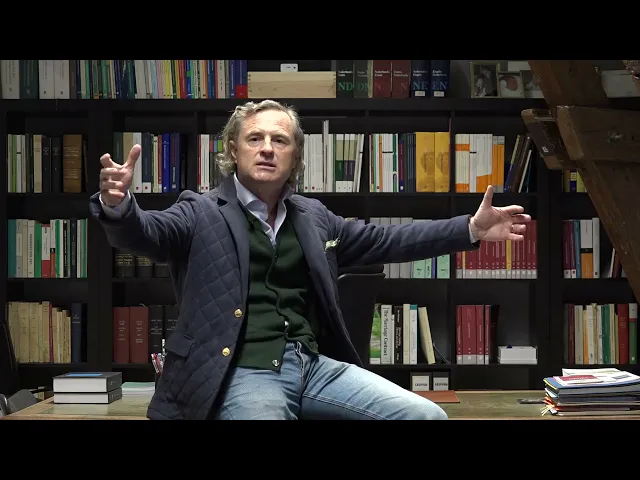
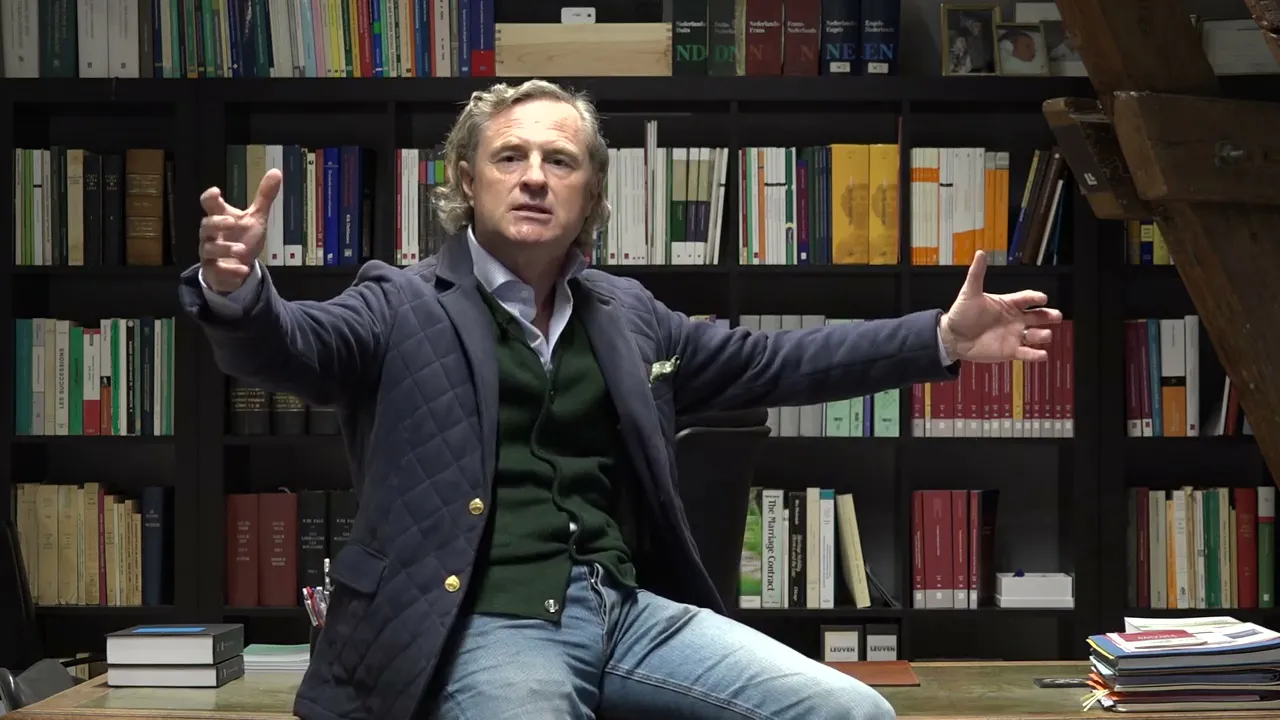
a true dialogue and to do that you need to learn and to speak a new language it's a triple e language the esperanto of emotions and empathy i i once wrote that we should start with this in kindergarten we don't we've never learned that language and so i think there's no better place than university to start learning and experimenting experimenting with this new language so university i'm sitting here in my office at the university of leuven this is a university that was established in 1425 we're almost six centuries around and so in the middle ages
universities were a community of scholars and students a learning community and in the early ages first universities in europe like bologna and paris were about the 12th century even there were no buildings there was university was um without physical space a connection a bonding of scholars and students a community and i think corona if corona has thought is one thing it is that we can that we don't need buildings and physical spaces that we can go beyond the the boundaries of buildings and that we can connect with each other in the digital world and that's
where i think we should start the new true dialogue dialogue what is it because i say the polarization and the divide comes from discussion debate win-lose positional thinking dialogue is something totally different dia in greek through the words and in ancient greek logos may even refer to gathering together relationships so it's a dialogue is a stream is a flow of meaning a flow of words between and true and among us and it is like where through such connection in relationships between people through such connections all the differences of opinions kind of evaporate and emerge into
a new meaning dialogue is not about getting my opinion as the the truth dialogue is more about suspending my opinion and listening to other opinions and views and then together find with creativity a new way a new understanding a new connection so there's others saying that dialogue is like the outer counterpart of the inner non-judgmental awareness and mindfulness it is the connection and the communication you make by the the miracle of wonder by the questioning by opening up yourself and not sticking to your own positions and opinions and you may say well you know this
all sounds nice but it's very abstract so let's make it more concrete how can we engage in a true dialogue that is by speaking a new language the triple e language of the esperanto of emotions and empathy so how do we do that what what does that exactly mean uh emotions and empathy and speaking that new language it's through active listening so let's first think about what empathy is there's a lot of misunderstanding on empathy some confuse it with sympathy it's not sympathy it's not agreeing my my mentor and and professor and friend professor nukin
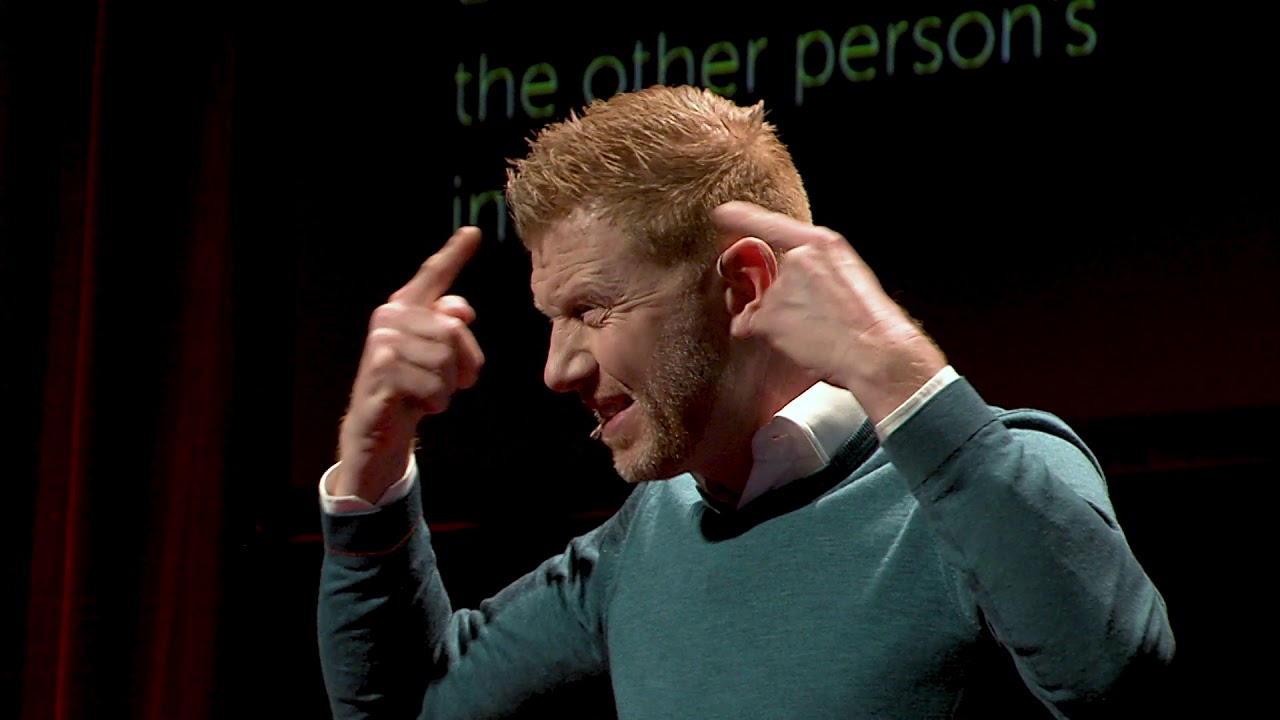
he many years ago told me i'll i can demonstrate empathy as a jewish law professor at harvard law school to a nazi ss officer so that's certainly not sympathy or agreeing it's demonstrating that you can see the world through the eyes of that other person that you can understand their perspective on things and so when we try to connect we need to try to listen actively and you may say well i'm doing that well you're not because and and i certainly can witness that i often don't do it and maybe even now at this very
moment you're watching this clip you are not really listening to me you are in your head thinking lots of things and you may be referring to experience you had and you may be maybe even daydreaming or you may try to find arguments against what i'm saying or you may say that's not like me or oh i know all of this whatever you're thinking you're not listening to me active listening is about shutting up your inner voice it's about getting out of this judgmental biased perception of the world it's about opening up and really be with
the other side you know we all judge all the time and judging obviously has a benefit as a shortcut in a dangerous society to protect yourself society today is a bit less dangerous so we we should judge less but we are still stuck with the judging and so when we see another person when we engage and and talk with another person we immediately start judging from our own perceptions and our biases everyone who read canaan and turski knows about the biases and the tunnel vision we have and so we should try with active listening get
rid of these judgments the other person is a diamond with one thousand facets how can we judge that person if we only see three facets and then you can ask but okay how do i do that i tried to shut up my inner voice i tried to be with the other side and i tried to really listen and demonstrate my empathy we do that by using the empathy loop ipa is not only a beer it's also a very interesting skill to try to listen to someone inquire with open questions paraphrase what you hear in your
own words check in so that i can adapt and fine-tune and correct you if you didn't get it right and then acknowledge the feelings you see and hear and feel and what will happen if you do that in a genuine way is that other that other person will feel understood acknowledged they will become more positive he will share information and views and perceptions and at some point they will open up and then you will be able to give your views so in that sense the the active listening is a tool to generally connect with someone
else and i use often the frozen land metaphor to explain this better imagine you see a farmer standing on a frozen land with a big bag of seeds and he's throwing all his seeds on that land you will probably say hmm this is a silly man why and then the silly man tells you no no no i'm throwing my seeds flowers and vegetables will grow and you think that's silly the ground is frozen well you know that's exactly what you and i do when we listen when we try to persuade someone with our arguments we
are like the silly farmer throwing seeds on the frozen land so active listening and empathy is about working on the land opening it up defrosting it fertilizing it so that the other side feels acknowledged and then you can bring in your arguments your seeds and see if you can get somewhere with a dialogue um it's also about the emotions in the active listening i like the you know we are 95 emotions and we are very emotional beings and i like the saying of douglas null who says let's listen each other into existence which means i
see it you are frustrated you are disappointed you are angry you are hurt you are you know you're irritated you're frustrated you're happy when i can do this in a genuine way i connect with you and with your soul in a i i listen yourself into existence and when we do that together for each other that's when we speak the new language and that's where we engage in a dialogue where something new will emerge it's like when we start the conversation and i have a glass of water and you have a glass of water by
doing this we kind of end up with a new glass of liquids where there's some of mine and some of your water but something totally new has emerged and then you know universities should stimulate that that kind of dialogue learn us to speak that language of true understanding and empathy and listening to each other and universities can stimulate that by creating safe spaces safe spaces it's a delicate topic it has many meanings there is the safe space where people who have been historically discriminated against can be together in a safe way where there's no judgments
and where they can support each other i think universities should create environments like that where you can feel the empathy and work on the emotional security that you deserve and the support you deserve for the wounds and the hurt that has been committed in so many many many instances and then the university should also create a safe space where the real true dialogue can emerge it's a safe space where differences of opinions are flowing and floating around where there's differences of beliefs and where there's a safety where that protects you uh to to to be
able to engage in free speech safety you know you will be tolerated there will be respect and empathy for your views and opinions and so it at the same time it's a non-safe space because you can engage in a non-safe dialogue you can talk about very delicate and intense things and you're sure that there's psychological safety for you to speak up and there will be respect for your views and tolerance and if you have this this dialogue of empathy for each other then uh what will happen is that this this connection uh this dialogues this
thinking true relationships will emerge and there will be a connection in free speech so for me the protection of free speech is not so much as it was uh defended in the enlightenment the the right for you to insult me the right for you to offend me i think we we kind of took it to the next level where the free speech is about i could say what my views are my opinions are because i'm in a safe place where you will give me the empathy and i will give you the empathy and we will
respectfully listen to each other talk with each other with not to each other we will dialogue and a new meaning will emerge so my hope and my call for all academics and and students in universities around the globe is that we together we engage in speaking this new triple e language the esperanto of emotions and empathy that we stop discussing that we stop debating that we stop positional argumentations that we stop the intolerance that we start really connecting and listening to each other with empathy that is what universities are about creating new understanding in research
creating new understanding in relationships in connections with people and that is what we as academics can contribute to society a society that is in desperate need for guidance to escape out of the polarization that is softly killing all of us so let's speak up together tripoli thank you